Yala National Park
Yala National Park, located in the southeastern region of Sri Lanka, is one of the island's most renowned wildlife reserves and a premier destination for nature enthusiasts. Spanning over 978 square kilometers, Yala is celebrated for its rich biodiversity, scenic landscapes, and impressive wildlife sightings. As a national park, it offers visitors an unparalleled opportunity to experience the natural beauty of Sri Lanka and observe a wide variety of animal species in their natural habitat. This guide provides a detailed overview of Yala National Park, including its geography, history, wildlife, activities, travel tips, conservation efforts, and visitor experiences.
🌍 Geography and Natural Features
Yala National Park is characterized by its diverse landscapes and geographical features, contributing to its ecological significance and appeal.
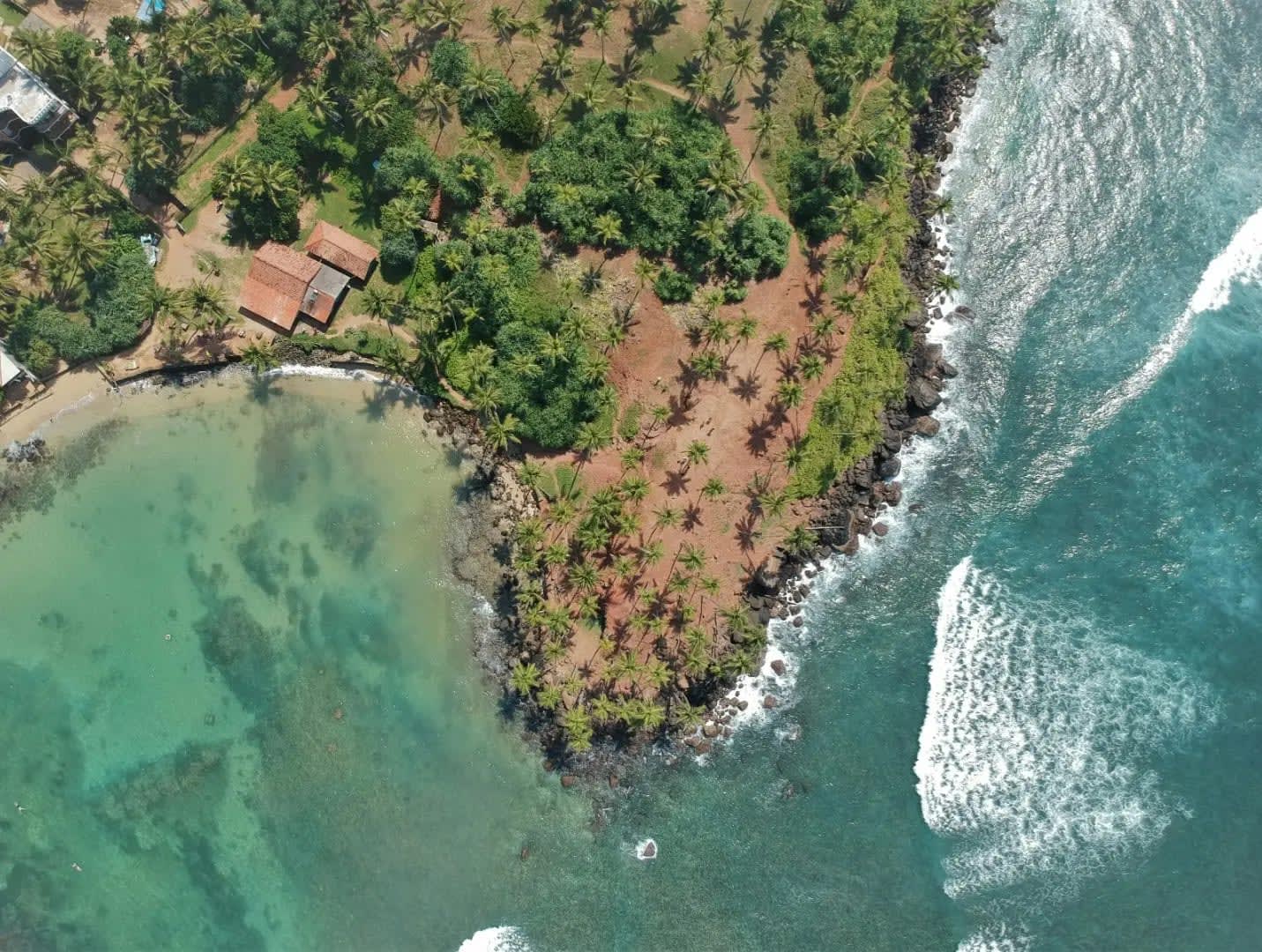
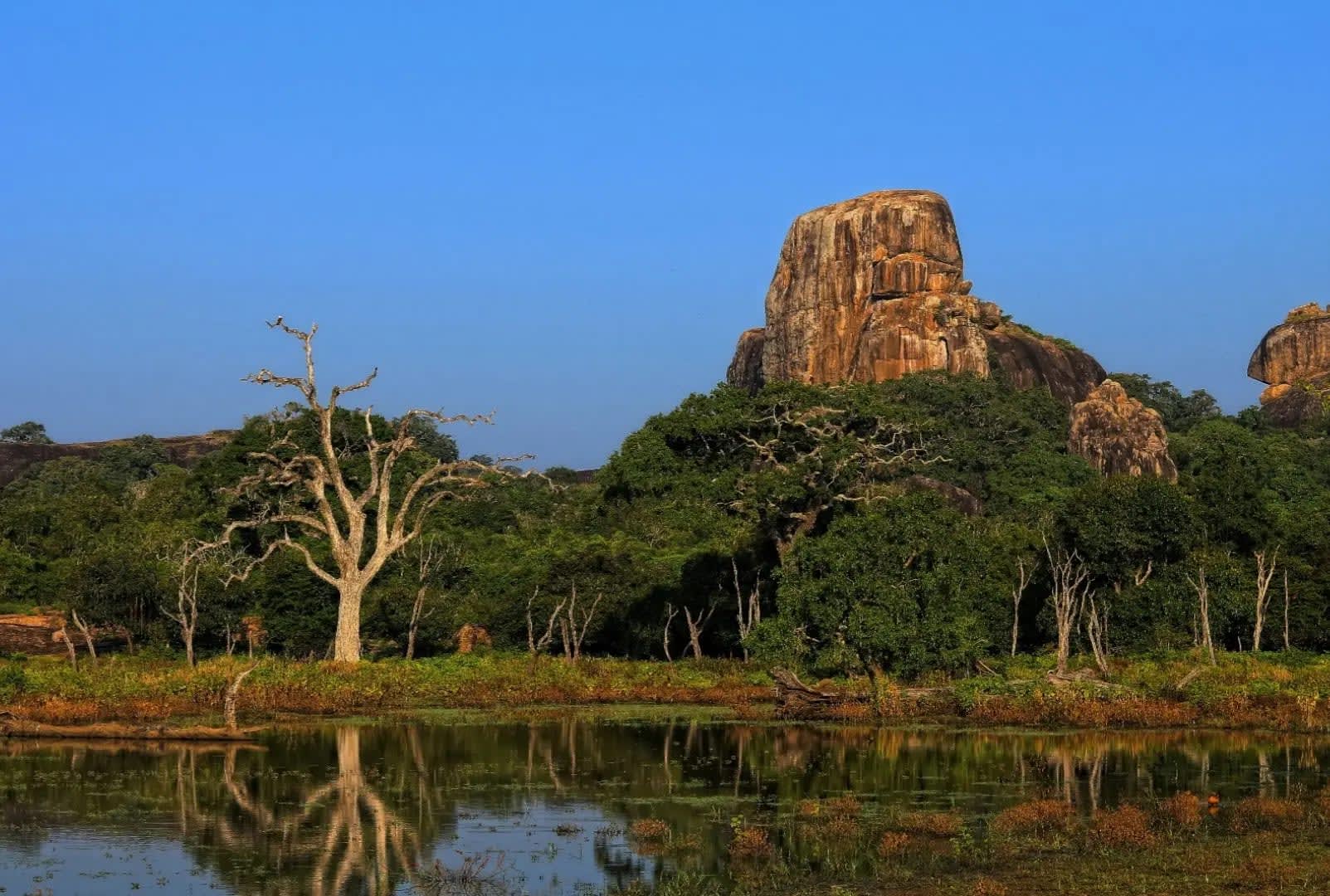
- Location and Terrain: Yala National Park is situated in the southeastern part of Sri Lanka, covering parts of the Hambantota and Monaragala districts. The park is bordered by the Indian Ocean to the south, providing a stunning coastal backdrop. The terrain within Yala varies significantly, including dry savannahs, dense forests, wetlands, and coastal lagoons. The park's diverse landscapes create a range of habitats that support its rich biodiversity.
- Climate: Yala experiences a tropical climate with distinct wet and dry seasons. The park receives an average annual rainfall of around 1,000 millimeters (39 inches), with the southwest monsoon bringing the majority of the precipitation from May to September. The dry season, from November to April, is characterized by lower rainfall and higher temperatures, making it an ideal time for wildlife viewing.
- Ecosystem and Vegetation: Yala's ecosystems include a mix of scrublands, grasslands, and forested areas. The park's vegetation ranges from thorny shrubs and grasses in the dry zones to lush forests in the wetter regions. Coastal areas within Yala feature mangroves and salt marshes, adding to the park's ecological diversity. The varying habitats within Yala provide support for a wide range of flora and fauna.
📜 History and Cultural Significance
Yala National Park has a rich history and cultural significance, reflecting its role as a protected wildlife area and its connection to Sri Lanka's heritage.
Historical Background: Yala National Park was established in 1938, making it one of Sri Lanka's oldest national parks. It was initially designated as a game sanctuary in 1900 to protect wildlife and manage hunting pressures. The park's status was elevated to a national park to ensure its continued preservation and protection. Yala's long history of conservation efforts highlights its importance in safeguarding Sri Lanka's natural heritage.
Cultural Significance: The park is located near several historically significant sites, including ancient temples and archaeological ruins. Yala's proximity to the ancient city of Ruhuna adds to its cultural value, as the region has been inhabited for centuries and has played a role in Sri Lanka's historical development. The park's landscapes and wildlife are intertwined with local folklore and traditional practices, reflecting the deep connection between the land and its people.
Historical Background: Yala National Park was established in 1938, making it one of Sri Lanka's oldest national parks. It was initially designated as a game sanctuary in 1900 to protect wildlife and manage hunting pressures. The park's status was elevated to a national park to ensure its continued preservation and protection. Yala's long history of conservation efforts highlights its importance in safeguarding Sri Lanka's natural heritage.
Cultural Significance: The park is located near several historically significant sites, including ancient temples and archaeological ruins. Yala's proximity to the ancient city of Ruhuna adds to its cultural value, as the region has been inhabited for centuries and has played a role in Sri Lanka's historical development. The park's landscapes and wildlife are intertwined with local folklore and traditional practices, reflecting the deep connection between the land and its people.
🏃 Activities and Attractions
Yala National Park offers a range of activities and attractions that provide visitors with opportunities to explore its natural beauty and observe its wildlife.
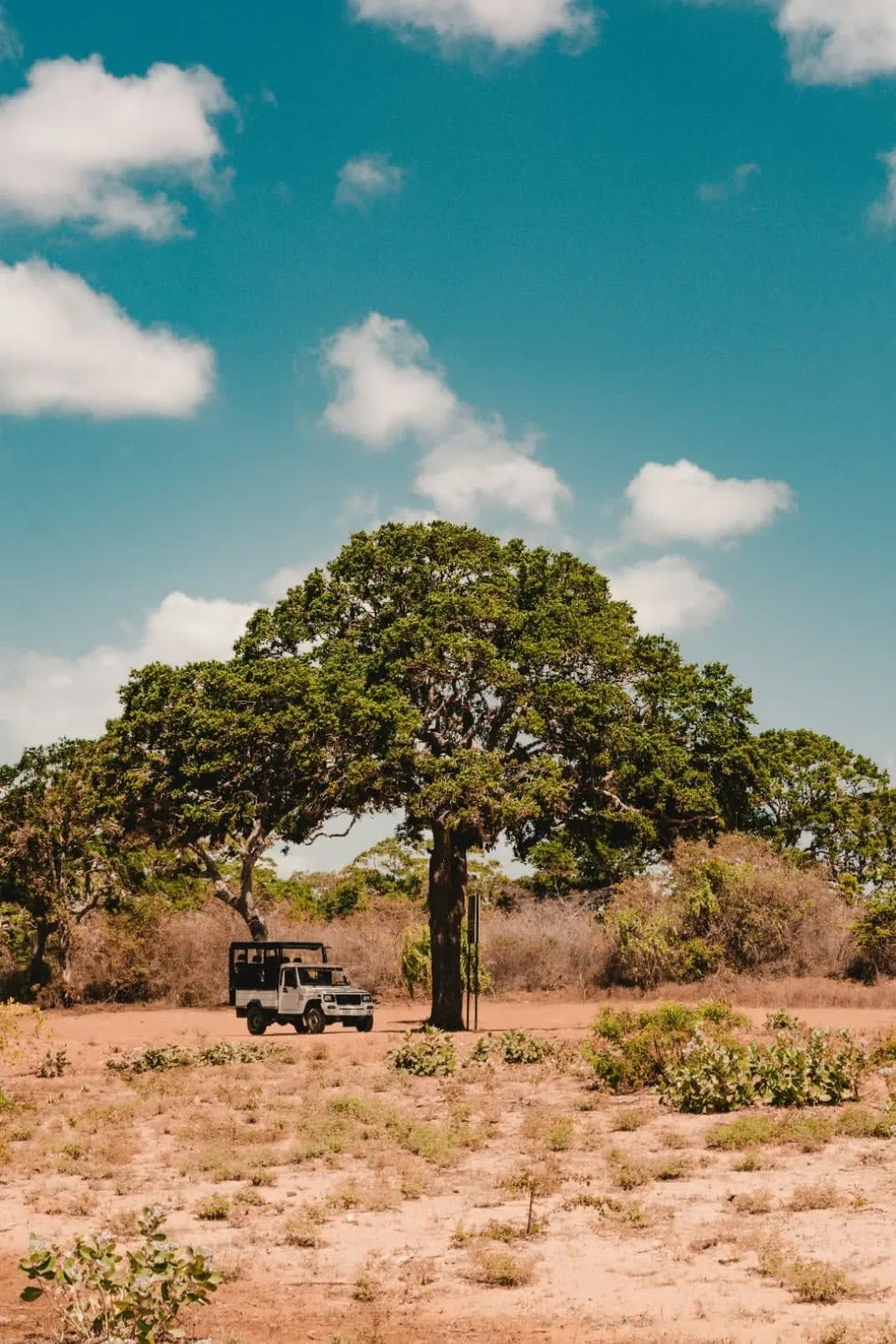
- Safari Drives: The primary activity in Yala National Park is safari driving, which allows visitors to explore the park's diverse landscapes and observe wildlife in their natural habitat. Guided safari tours are available, offering insights into the park's ecosystems and helping visitors spot key species. Safaris typically cover various zones of the park, including grasslands, forests, and wetlands.
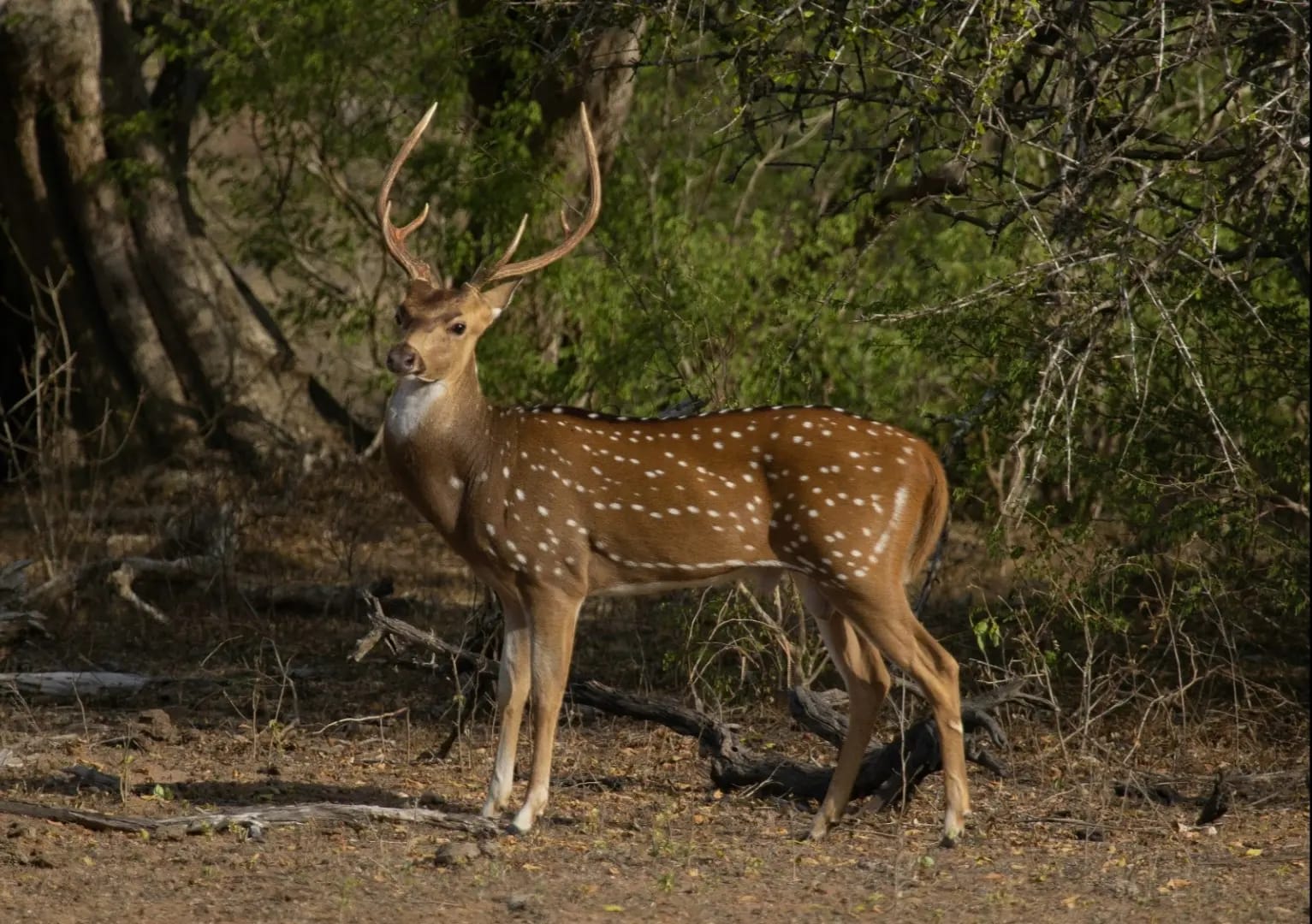
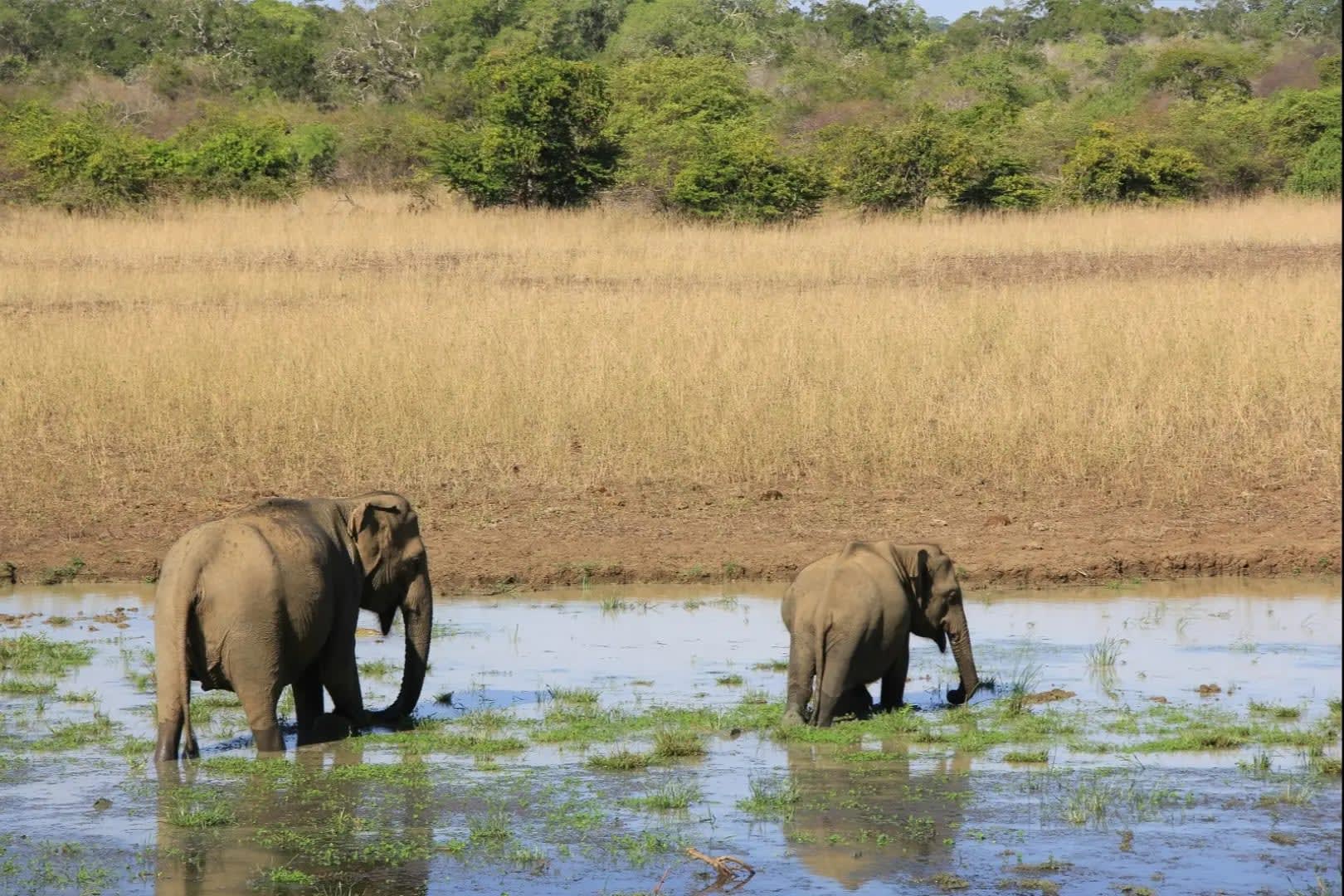
- Wildlife Watching: Yala is renowned for its impressive wildlife sightings, including the elusive Sri Lankan leopard, which is one of the park's main attractions. Other notable species include Asian elephants, Sri Lankan sloth bears, water buffaloes, and a variety of bird species. Birdwatching enthusiasts can enjoy spotting rare and endemic birds, such as the Sri Lankan junglefowl and the crimson-fronted barbet.
- Photography and Scenic Views: The park's diverse landscapes and wildlife provide excellent opportunities for photography. Visitors can capture images of the scenic vistas, wildlife encounters, and natural beauty of Yala. The park's coastal areas and waterholes offer particularly striking views, making them popular spots for photographers.
💡 Travel Tips
To ensure a successful and enjoyable visit to Yala National Park, consider these practical travel tips and recommendations.
Best Time to Visit: The best time to visit Yala National Park is during the dry season, from December to April, when wildlife is more active and water sources are concentrated around waterholes, making it easier to spot animals. The wet season can bring heavy rains and make some areas of the park inaccessible. Early morning and late afternoon safaris are ideal for cooler temperatures and better wildlife sightings.
Access and Transportation: Yala National Park is accessible by road from major cities such as Colombo, Kandy, and Galle. The nearest town to the park is Tissamaharama, which serves as a base for accessing Yala. Visitors can arrange transportation to the park entrance from Tissamaharama or other nearby towns. Private vehicles and guided safari tours are available for exploring the park.
What to Bring: Wear lightweight, breathable clothing suitable for the warm and often dusty conditions of the park. Sturdy footwear is recommended for walking in and out of the safari vehicle. Bring essentials such as sunscreen, insect repellent, and a hat for sun protection. A pair of binoculars and a camera with a zoom lens are useful for wildlife observation and photography.
Best Time to Visit: The best time to visit Yala National Park is during the dry season, from December to April, when wildlife is more active and water sources are concentrated around waterholes, making it easier to spot animals. The wet season can bring heavy rains and make some areas of the park inaccessible. Early morning and late afternoon safaris are ideal for cooler temperatures and better wildlife sightings.
Access and Transportation: Yala National Park is accessible by road from major cities such as Colombo, Kandy, and Galle. The nearest town to the park is Tissamaharama, which serves as a base for accessing Yala. Visitors can arrange transportation to the park entrance from Tissamaharama or other nearby towns. Private vehicles and guided safari tours are available for exploring the park.
What to Bring: Wear lightweight, breathable clothing suitable for the warm and often dusty conditions of the park. Sturdy footwear is recommended for walking in and out of the safari vehicle. Bring essentials such as sunscreen, insect repellent, and a hat for sun protection. A pair of binoculars and a camera with a zoom lens are useful for wildlife observation and photography.
🌱 Conservation
Conservation efforts in Yala National Park focus on preserving its unique ecosystems, protecting endangered species, and managing tourism activities.
Wildlife Protection: Conservation initiatives in Yala aim to protect the park's wildlife and their habitats. This includes monitoring and managing populations of key species, such as the Sri Lankan leopard and Asian elephants. Anti-poaching measures and habitat restoration projects are implemented to address threats to wildlife and ensure the park's ecological balance.
Habitat Management: Managing the park's diverse habitats is crucial for maintaining its biodiversity. Efforts include controlling invasive species, restoring degraded areas, and managing water sources to support wildlife. Conservation programs also focus on maintaining the park's ecosystems, including its forests, grasslands, and wetlands.
Sustainable Tourism: Promoting sustainable tourism practices is essential for minimizing the impact of visitors on the park's environment. Guidelines are in place to ensure that safari activities are conducted responsibly, with a focus on minimizing disturbance to wildlife and preserving natural habitats. Education and awareness programs help inform visitors about the importance of conservation and responsible behavior.
Wildlife Protection: Conservation initiatives in Yala aim to protect the park's wildlife and their habitats. This includes monitoring and managing populations of key species, such as the Sri Lankan leopard and Asian elephants. Anti-poaching measures and habitat restoration projects are implemented to address threats to wildlife and ensure the park's ecological balance.
Habitat Management: Managing the park's diverse habitats is crucial for maintaining its biodiversity. Efforts include controlling invasive species, restoring degraded areas, and managing water sources to support wildlife. Conservation programs also focus on maintaining the park's ecosystems, including its forests, grasslands, and wetlands.
Sustainable Tourism: Promoting sustainable tourism practices is essential for minimizing the impact of visitors on the park's environment. Guidelines are in place to ensure that safari activities are conducted responsibly, with a focus on minimizing disturbance to wildlife and preserving natural habitats. Education and awareness programs help inform visitors about the importance of conservation and responsible behavior.
✨ Conclusion
Yala National Park is a remarkable destination that offers a unique opportunity to explore Sri Lanka's rich wildlife and natural beauty. With its diverse landscapes, abundant wildlife, and scenic vistas, Yala provides an enriching experience for nature enthusiasts and adventure seekers. Conservation efforts play a crucial role in preserving the park's ecological integrity and ensuring that future generations can continue to enjoy its wonders. A visit to Yala National Park promises an unforgettable journey into the heart of Sri Lanka's wilderness, showcasing the importance of protecting and valuing our natural heritage.