

Horton Plains
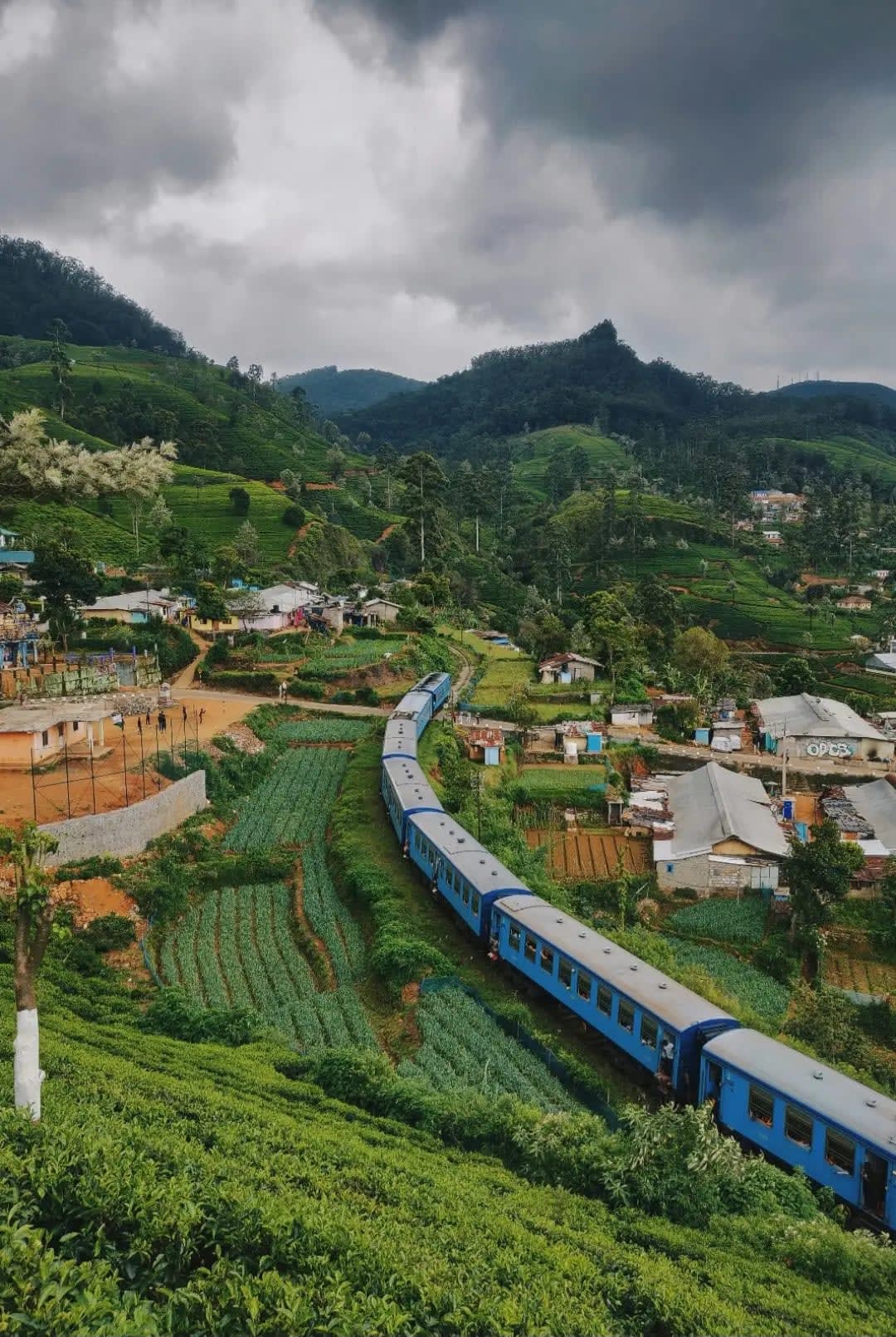
Horton Plains National Park, located in the central highlands of Sri Lanka, is a pristine and breathtaking high-altitude plateau renowned for its unique biodiversity, stunning landscapes, and diverse ecosystems. This protected area offers a rare glimpse into the island's natural beauty and provides an array of outdoor activities and wildlife viewing opportunities. This guide delves into the geography, history, activities, travel tips, conservation efforts, and visitor experiences of Horton Plains.
🌍 Geography and Natural Features
Horton Plains is distinguished by its unique geography and diverse natural features, which contribute to its status as a UNESCO World Heritage Site.
- Location and Terrain: Horton Plains is situated in the central highlands of Sri Lanka, approximately 2000 meters (6561 feet) above sea level. The park spans an area of about 316 square kilometers (122 square miles) and is characterized by a high-altitude plateau surrounded by dense montane forests, grasslands, and wetland areas. The terrain is generally flat with rolling hills and steep escarpments, creating a dramatic landscape.
- Climate: The climate in Horton Plains is temperate and cool, with temperatures ranging from 5°C to 20°C (41°F to 68°F) throughout the year. The region experiences significant rainfall, particularly during the monsoon seasons, which supports the lush vegetation and diverse ecosystems. The misty conditions often create an ethereal atmosphere, adding to the park's mystical allure.
- Flora and Fauna: Horton Plains is home to a rich variety of flora and fauna, including many endemic species. The park's vegetation includes montane grasslands, cloud forests, and shrublands. Notable plant species include the Sri Lankan oak, rhododendrons, and various ferns. The park's wildlife includes endemic mammals such as the Sri Lankan leopard and the purple-faced langur, as well as a diverse array of bird species, including the Sri Lanka whistling thrush and the yellow-eared bulbul.
📜 History and Cultural Significance
Horton Plains has a rich history and cultural significance, reflecting its role in Sri Lanka's natural and historical heritage.
Historical Background: Horton Plains was designated as a national park in 1988 to protect its unique ecosystems and biodiversity. The area has long been recognized for its ecological importance, and its conservation status was elevated to a UNESCO World Heritage Site in 2010. The park's history is closely linked to its role as a critical habitat for numerous endemic and endangered species.
Cultural Significance: The region surrounding Horton Plains has been inhabited by indigenous communities for centuries, and the area has cultural and historical significance to the local people. Traditional practices and beliefs related to the land and its natural resources have shaped the area's cultural heritage. Additionally, the park's high-altitude environment and unique landscapes have inspired local folklore and legends.
Historical Background: Horton Plains was designated as a national park in 1988 to protect its unique ecosystems and biodiversity. The area has long been recognized for its ecological importance, and its conservation status was elevated to a UNESCO World Heritage Site in 2010. The park's history is closely linked to its role as a critical habitat for numerous endemic and endangered species.
Cultural Significance: The region surrounding Horton Plains has been inhabited by indigenous communities for centuries, and the area has cultural and historical significance to the local people. Traditional practices and beliefs related to the land and its natural resources have shaped the area's cultural heritage. Additionally, the park's high-altitude environment and unique landscapes have inspired local folklore and legends.
🏃 Activities and Attractions
Horton Plains offers a range of activities and attractions that allow visitors to explore its stunning landscapes and diverse ecosystems.
- Hiking and Trekking: The park is renowned for its scenic hiking trails, including the popular World’s End Trail. This trail takes visitors on a 9.5-kilometer (5.9-mile) circular route through the park's grasslands and cloud forests, culminating in a dramatic viewpoint known as World’s End. From this vantage point, visitors can enjoy breathtaking views of the surrounding valleys and the distant lowlands. Another notable trek is the Baker’s Falls Trail, which leads to a picturesque waterfall surrounded by lush vegetation.
- Wildlife Viewing: Horton Plains is a prime destination for wildlife enthusiasts. The park's diverse ecosystems provide habitats for a variety of animals, including the Sri Lankan leopard, purple-faced langur, and several species of deer. Birdwatchers will find the park particularly rewarding, with opportunities to spot endemic and migratory bird species. Early morning visits increase the chances of encountering wildlife and experiencing the park's tranquil atmosphere.
- Scenic Spots: In addition to hiking trails, Horton Plains features several scenic spots and viewpoints. The park's misty landscapes and panoramic vistas offer ample opportunities for photography and relaxation. Key spots include the World's End viewpoint, which provides a dramatic drop-off and expansive views, and the Mini World’s End, a smaller but equally impressive viewpoint along the World’s End Trail.
💡 Travel Tips
To ensure a pleasant and memorable visit to Horton Plains, consider these practical travel tips and recommendations.
Best Time to Visit: The ideal time to visit Horton Plains is during the dry season, which typically runs from January to March. During this period, the weather is generally clear, and the trails are more accessible. The monsoon seasons (April to June and September to November) bring heavy rainfall, which can create challenging conditions for hiking and wildlife viewing.
Access and Transportation: Horton Plains is accessible by car or hired vehicle from nearby towns such as Nuwara Eliya and Ella. The park is approximately a 1.5-hour drive from Nuwara Eliya, and access to the park is typically via the town of Ohiya. Visitors are required to obtain a permit to enter the park, which can be arranged at the park's entrance. It is recommended to arrange transportation and permits in advance to ensure a smooth visit.
What to Bring: Dress in layers and wear comfortable hiking shoes suitable for walking on uneven terrain. Bring a light rain jacket, as the weather can be unpredictable. It is also advisable to carry a hat, sunscreen, and insect repellent. Bring a camera to capture the stunning landscapes and wildlife, and consider carrying a reusable water bottle to stay hydrated during your hike.
Best Time to Visit: The ideal time to visit Horton Plains is during the dry season, which typically runs from January to March. During this period, the weather is generally clear, and the trails are more accessible. The monsoon seasons (April to June and September to November) bring heavy rainfall, which can create challenging conditions for hiking and wildlife viewing.
Access and Transportation: Horton Plains is accessible by car or hired vehicle from nearby towns such as Nuwara Eliya and Ella. The park is approximately a 1.5-hour drive from Nuwara Eliya, and access to the park is typically via the town of Ohiya. Visitors are required to obtain a permit to enter the park, which can be arranged at the park's entrance. It is recommended to arrange transportation and permits in advance to ensure a smooth visit.
What to Bring: Dress in layers and wear comfortable hiking shoes suitable for walking on uneven terrain. Bring a light rain jacket, as the weather can be unpredictable. It is also advisable to carry a hat, sunscreen, and insect repellent. Bring a camera to capture the stunning landscapes and wildlife, and consider carrying a reusable water bottle to stay hydrated during your hike.
🌱 Conservation
Conservation efforts in Horton Plains focus on preserving the park's unique ecosystems, protecting its wildlife, and promoting sustainable tourism practices.
Environmental Protection: Conservation initiatives in Horton Plains aim to protect its high-altitude ecosystems, including montane grasslands, cloud forests, and wetlands. Efforts are made to manage and reduce the impact of human activities, such as littering and habitat destruction, to preserve the park's natural beauty and ecological balance.
Wildlife Conservation: Protecting the park's diverse wildlife is a key focus of conservation efforts. Programs are in place to monitor and protect endangered species, including the Sri Lankan leopard and endemic bird species. Anti-poaching measures and habitat restoration projects contribute to the overall health of the park's wildlife populations.
Sustainable Tourism: To promote sustainable tourism, visitors are encouraged to follow guidelines for responsible behavior, such as staying on designated trails, respecting wildlife, and minimizing waste. Local organizations and park authorities work to raise awareness about the importance of conservation and the impact of tourism on the environment.
Environmental Protection: Conservation initiatives in Horton Plains aim to protect its high-altitude ecosystems, including montane grasslands, cloud forests, and wetlands. Efforts are made to manage and reduce the impact of human activities, such as littering and habitat destruction, to preserve the park's natural beauty and ecological balance.
Wildlife Conservation: Protecting the park's diverse wildlife is a key focus of conservation efforts. Programs are in place to monitor and protect endangered species, including the Sri Lankan leopard and endemic bird species. Anti-poaching measures and habitat restoration projects contribute to the overall health of the park's wildlife populations.
Sustainable Tourism: To promote sustainable tourism, visitors are encouraged to follow guidelines for responsible behavior, such as staying on designated trails, respecting wildlife, and minimizing waste. Local organizations and park authorities work to raise awareness about the importance of conservation and the impact of tourism on the environment.
✨ Conclusion
Horton Plains stands as a remarkable destination in Sri Lanka's highlands, offering a unique combination of stunning landscapes, diverse wildlife, and outdoor adventure. With its high-altitude plateau, scenic hiking trails, and rich biodiversity, the park provides an enriching experience for nature enthusiasts and outdoor adventurers alike. Conservation efforts play a crucial role in preserving the park's natural and cultural heritage, ensuring that it remains a pristine and sustainable destination. A visit to Horton Plains promises an unforgettable journey into one of Sri Lanka's most captivating natural environments, showcasing the island's extraordinary beauty and ecological significance.