

Mirissa
Mirissa, a picturesque coastal town located in the southern part of Sri Lanka, is renowned for its stunning beaches, vibrant marine life, and laid-back atmosphere. Nestled along the Indian Ocean, Mirissa offers a perfect blend of natural beauty, adventure, and relaxation. This guide provides an in-depth look at Mirissa, exploring its geography, history, activities, travel tips, conservation efforts, and visitor experiences.
🌍 Geography and Natural Features
Mirissa is celebrated for its stunning coastal scenery, tropical climate, and rich marine life.
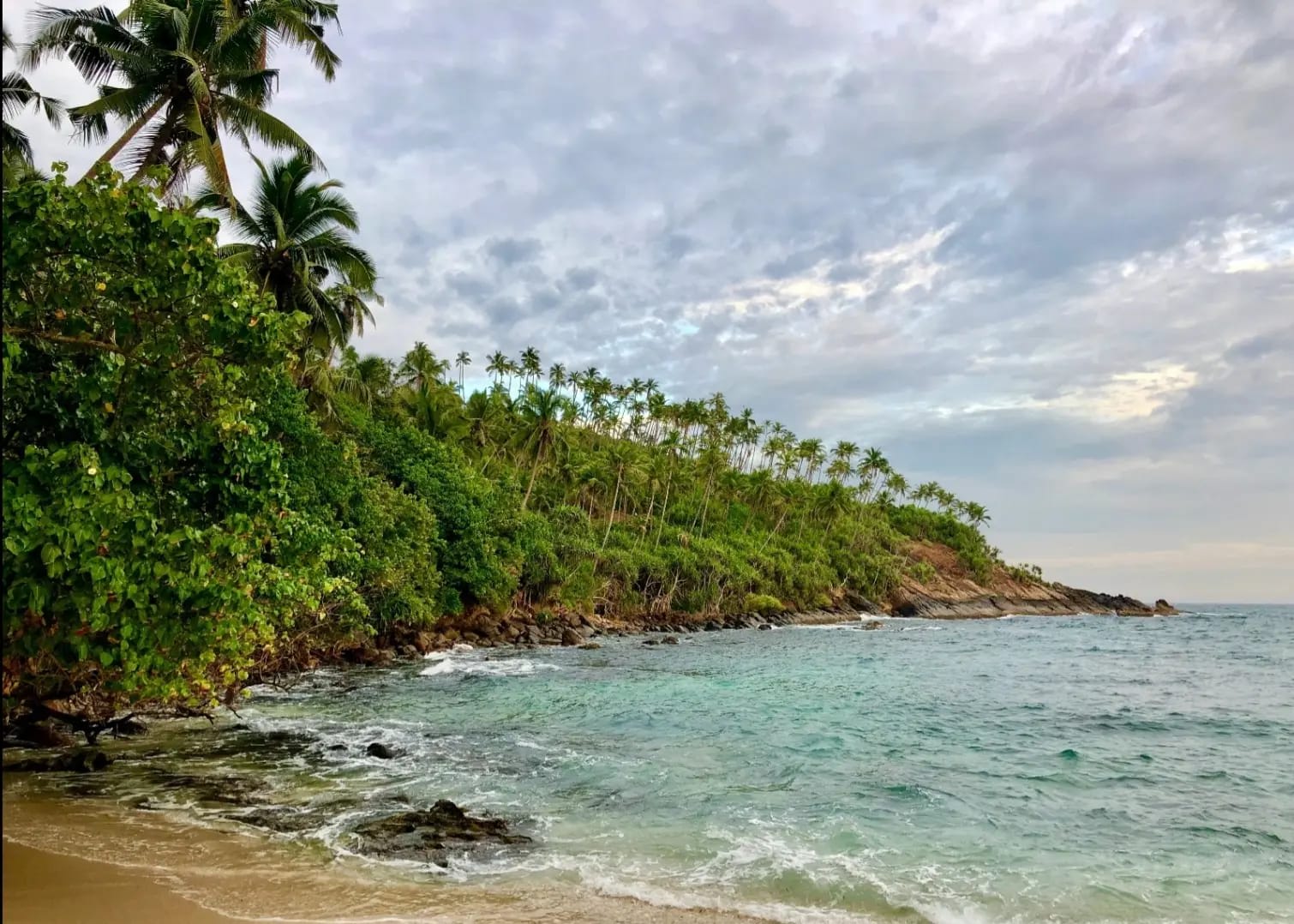
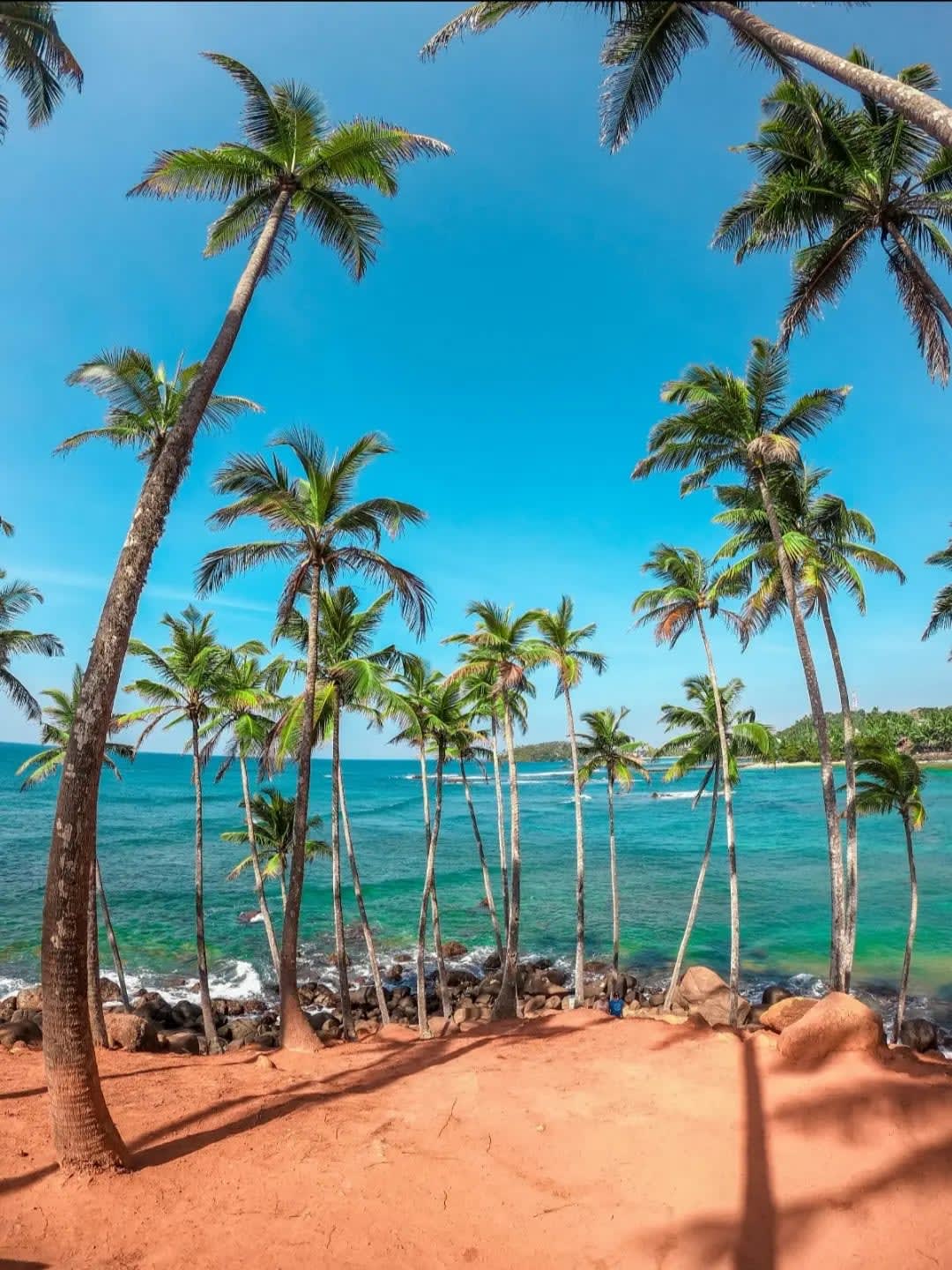
- Location and Terrain: Mirissa is situated on the southern coast of Sri Lanka, approximately 150 kilometers (93 miles) south of Colombo. The town is set against a backdrop of lush palm trees and gentle hills, with a beautiful crescent-shaped beach stretching along the Indian Ocean. The terrain features sandy beaches, rocky outcrops, and small coastal lagoons, creating a picturesque and varied landscape.
- Climate: Mirissa enjoys a tropical climate with warm temperatures throughout the year, typically ranging from 25°C to 30°C (77°F to 86°F). The town experiences two main monsoon seasons: the southwest monsoon (May to September) and the northeast monsoon (December to March). The dry season, which occurs from December to March, is the most popular time to visit, offering sunny weather and calm seas.
- Marine Life: The coastal waters around Mirissa are rich in marine biodiversity, including vibrant coral reefs, sea turtles, and a variety of fish species. The area is also known for its whale watching opportunities, with seasonal migrations of blue whales, sperm whales, and dolphins occurring in the surrounding waters.
📜 History and Cultural Significance
Mirissa's history and cultural significance are deeply connected to its maritime heritage and local traditions.
Historical Background: Mirissa has a long history as a fishing village and a small port town. Traditionally, the local economy was based on fishing and coconut cultivation, with the town serving as a key hub for the local fishing industry. Over the years, Mirissa has evolved into a popular tourist destination, attracting visitors with its beautiful beaches and vibrant marine life.
Cultural Significance: The town's cultural heritage reflects its coastal and maritime traditions. Local festivals, such as the annual Esala Perahera, celebrate traditional Sri Lankan culture with colorful processions, music, and dance. The local cuisine, influenced by both traditional Sri Lankan and international flavors, features fresh seafood and tropical fruits, showcasing the region's culinary diversity.
Historical Background: Mirissa has a long history as a fishing village and a small port town. Traditionally, the local economy was based on fishing and coconut cultivation, with the town serving as a key hub for the local fishing industry. Over the years, Mirissa has evolved into a popular tourist destination, attracting visitors with its beautiful beaches and vibrant marine life.
Cultural Significance: The town's cultural heritage reflects its coastal and maritime traditions. Local festivals, such as the annual Esala Perahera, celebrate traditional Sri Lankan culture with colorful processions, music, and dance. The local cuisine, influenced by both traditional Sri Lankan and international flavors, features fresh seafood and tropical fruits, showcasing the region's culinary diversity.
🏃 Activities and Attractions
Mirissa offers a range of activities and attractions for visitors seeking relaxation, adventure, and cultural experiences.
- Beach Activities: Mirissa's main attraction is its stunning beach, which offers opportunities for sunbathing, swimming, and beachcombing. The gentle waves and clear waters make it ideal for leisurely swims and water sports. Visitors can also enjoy beachside dining and relaxation at one of the many beachfront cafes and restaurants.
- Whale Watching: Mirissa is renowned for its whale watching opportunities, with tours available from November to April. The waters around Mirissa are a prime location for spotting blue whales, sperm whales, and dolphins. Whale watching tours typically involve early morning departures and can last several hours, providing a chance to witness these magnificent marine mammals in their natural habitat.
- Water Sports: For those seeking more active pursuits, Mirissa offers a variety of water sports, including snorkeling, scuba diving, and surfing. The coral reefs and marine life around Mirissa are popular for snorkeling and diving, while the surf breaks provide opportunities for both beginners and experienced surfers. Equipment rental and lessons are available from local operators.
💡 Travel Tips
To make the most of your visit to Mirissa, consider these practical travel tips and recommendations.
Best Time to Visit: The best time to visit Mirissa is during the dry season, from December to March, when the weather is sunny and the sea conditions are ideal for water activities. The monsoon seasons bring heavy rainfall and rough seas, which can affect outdoor plans and water sports.
Access and Transportation: Mirissa is accessible by car, bus, and train from major cities such as Colombo and Kandy. The town is approximately a 2.5-hour drive from Colombo and is well-connected by public transportation. For local travel, tuk-tuks and rental scooters are popular options. Arrange transportation in advance if traveling from the airport or other cities.
What to Bring: Pack lightweight and breathable clothing suitable for the tropical climate. Swimwear, sunscreen, and a hat are essential for beach and water activities. If participating in whale watching or water sports, bring a camera, water shoes, and a reusable water bottle. A light rain jacket may be useful during the monsoon season.
Best Time to Visit: The best time to visit Mirissa is during the dry season, from December to March, when the weather is sunny and the sea conditions are ideal for water activities. The monsoon seasons bring heavy rainfall and rough seas, which can affect outdoor plans and water sports.
Access and Transportation: Mirissa is accessible by car, bus, and train from major cities such as Colombo and Kandy. The town is approximately a 2.5-hour drive from Colombo and is well-connected by public transportation. For local travel, tuk-tuks and rental scooters are popular options. Arrange transportation in advance if traveling from the airport or other cities.
What to Bring: Pack lightweight and breathable clothing suitable for the tropical climate. Swimwear, sunscreen, and a hat are essential for beach and water activities. If participating in whale watching or water sports, bring a camera, water shoes, and a reusable water bottle. A light rain jacket may be useful during the monsoon season.
🌱 Conservation
Conservation efforts in Mirissa focus on protecting the coastal environment, marine life, and promoting sustainable tourism practices.
Marine Conservation: Conservation initiatives aim to protect the marine ecosystems around Mirissa, including coral reefs and sea turtle nesting sites. Efforts include monitoring and reducing pollution, protecting marine habitats, and promoting sustainable fishing practices. Local organizations and environmental groups work to raise awareness about marine conservation and the importance of preserving oceanic resources.
Sustainable Tourism: To promote sustainable tourism, visitors are encouraged to follow guidelines for responsible behavior, such as avoiding littering, minimizing plastic use, and respecting wildlife. Whale watching and water sports operators adhere to eco-friendly practices to reduce the impact on marine life and the environment.
Community Involvement: Local communities are involved in conservation efforts and sustainable tourism practices. Community-based programs focus on educating residents and visitors about environmental stewardship and the benefits of preserving natural resources. Engaging with local communities and supporting eco-friendly businesses contributes to the overall conservation efforts in Mirissa.
Marine Conservation: Conservation initiatives aim to protect the marine ecosystems around Mirissa, including coral reefs and sea turtle nesting sites. Efforts include monitoring and reducing pollution, protecting marine habitats, and promoting sustainable fishing practices. Local organizations and environmental groups work to raise awareness about marine conservation and the importance of preserving oceanic resources.
Sustainable Tourism: To promote sustainable tourism, visitors are encouraged to follow guidelines for responsible behavior, such as avoiding littering, minimizing plastic use, and respecting wildlife. Whale watching and water sports operators adhere to eco-friendly practices to reduce the impact on marine life and the environment.
Community Involvement: Local communities are involved in conservation efforts and sustainable tourism practices. Community-based programs focus on educating residents and visitors about environmental stewardship and the benefits of preserving natural resources. Engaging with local communities and supporting eco-friendly businesses contributes to the overall conservation efforts in Mirissa.
✨ Conclusion
Mirissa stands out as a captivating coastal destination in Sri Lanka, offering a unique blend of natural beauty, marine adventure, and cultural experiences. With its stunning beaches, vibrant marine life, and opportunities for relaxation and exploration, Mirissa provides a memorable escape for travelers seeking both tranquility and adventure. Conservation efforts play a vital role in preserving the town's coastal environment and ensuring sustainable tourism practices. A visit to Mirissa promises an enriching and enjoyable experience, showcasing the best of Sri Lanka's southern coast.