
Ella
Nestled in the heart of Sri Lanka's hill country, Ella is a tranquil town renowned for its breathtaking landscapes, lush tea plantations, and vibrant cultural heritage. Located in the Badulla District, Ella offers a peaceful escape from the hustle and bustle of city life. This guide provides an in-depth exploration of Ella, covering its geography, history, activities, travel tips, conservation efforts, and visitor experiences.
🌍 Geography and Natural Features
Ella is celebrated for its stunning natural beauty, characterized by verdant landscapes, rolling hills, and picturesque viewpoints.
- Location and Terrain: Ella is situated in the Badulla District of Sri Lanka's Uva Province, approximately 200 kilometers (124 miles) from Colombo. The town is perched on a high plateau at an elevation of around 1,041 meters (3,419 feet) above sea level, providing panoramic views of the surrounding mountains and valleys. The terrain is marked by lush green hills, cascading waterfalls, and dense forests.
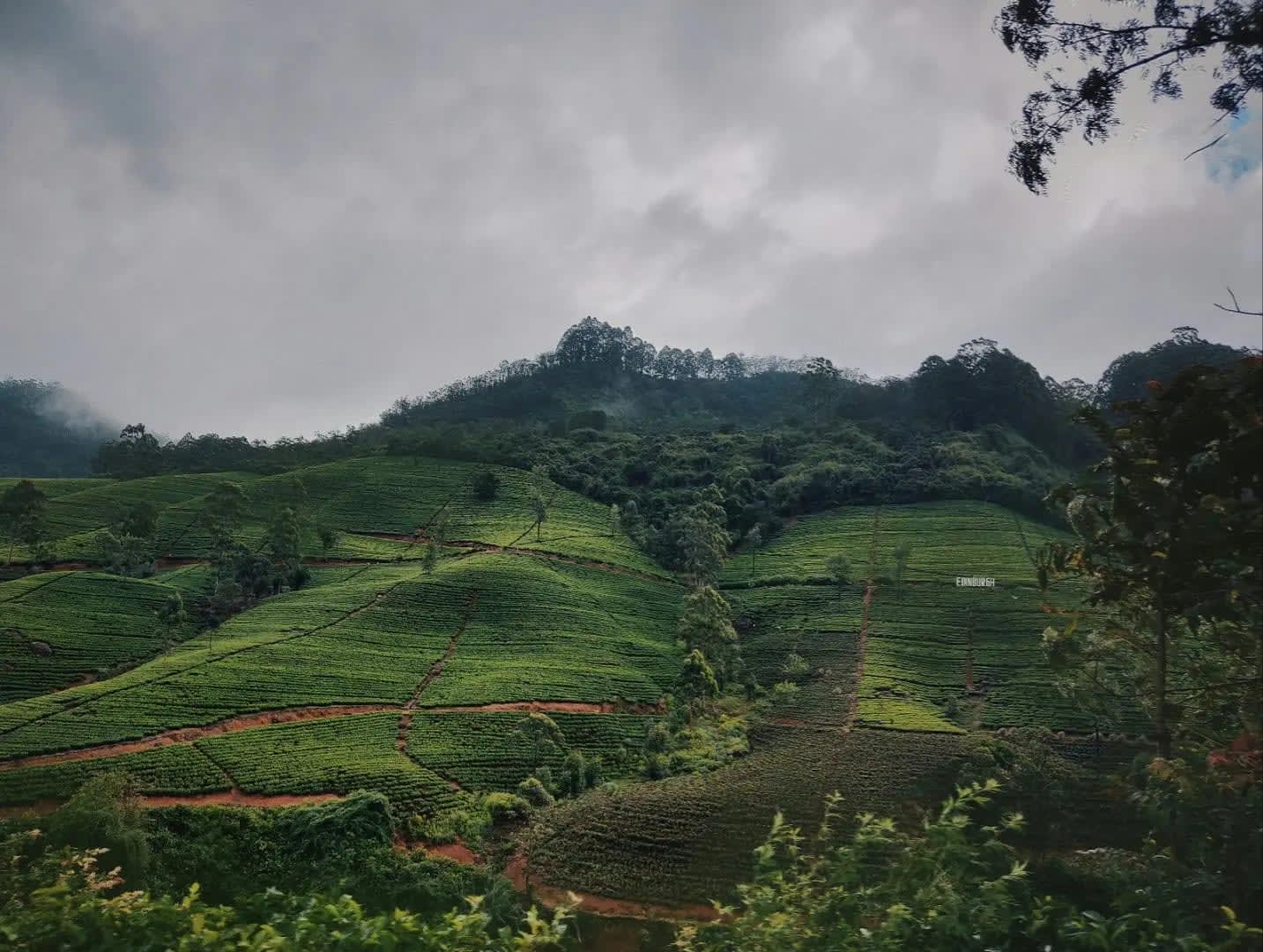
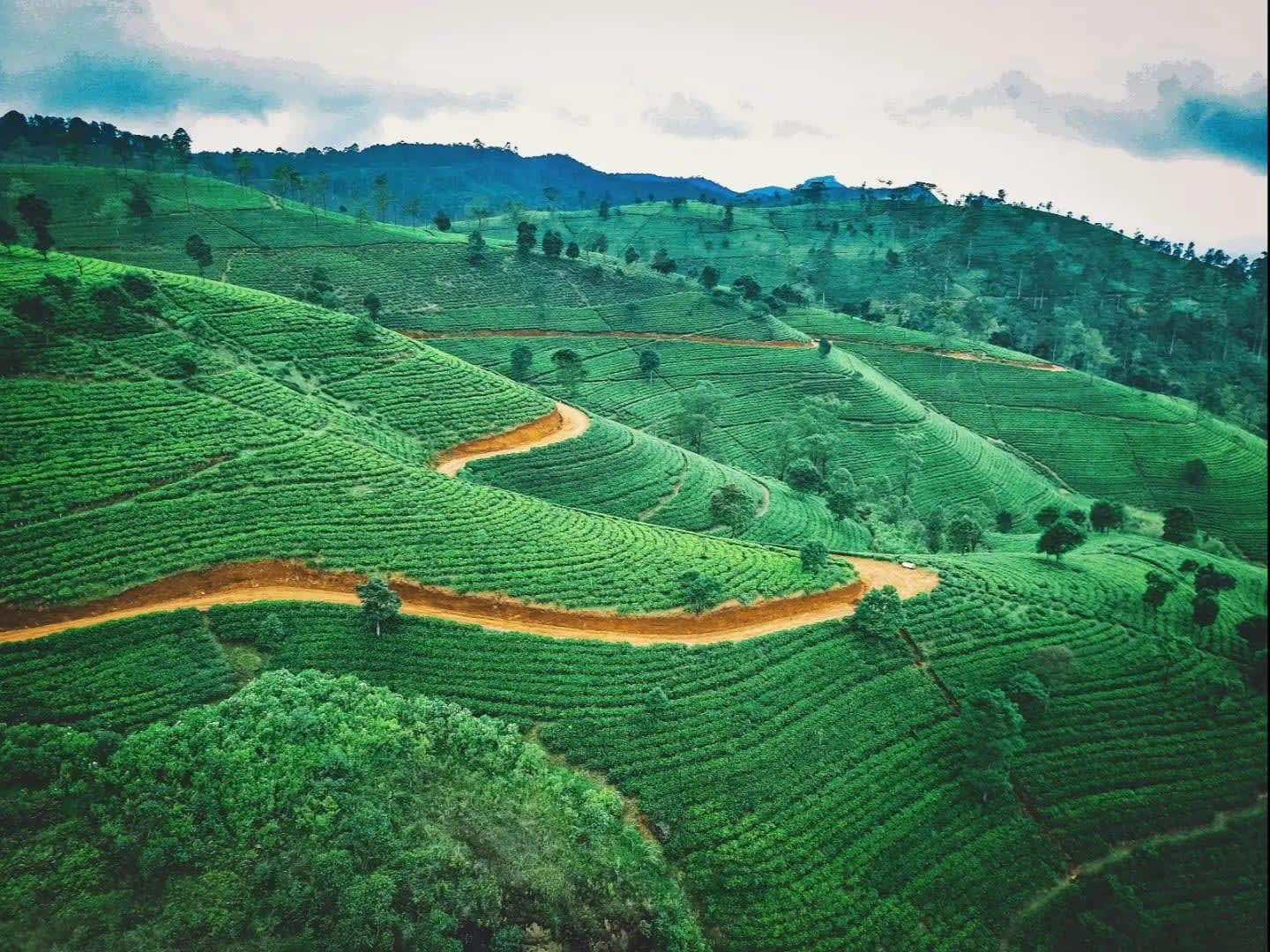
- Tea Plantations: The region around Ella is renowned for its tea plantations, which contribute to Sri Lanka's reputation as a leading tea producer. The rolling hills are covered with neatly manicured tea bushes, creating a picturesque landscape that is both scenic and significant to the local economy. Visitors can explore tea estates and learn about the tea production process.
- Climate: Ella enjoys a temperate climate with mild temperatures throughout the year. The weather is generally cooler than the lowland areas, making it a pleasant destination for outdoor activities. The monsoon season brings periodic rainfall, which contributes to the lush greenery and vibrant vegetation in the region.
📜 History and Cultural Significance
Ella's history and cultural heritage reflect its importance as a historic town and a center of tea production.
Colonial Era: Ella's history is intertwined with the colonial era when British planters established tea plantations in the region. The introduction of tea cultivation in the 19th century transformed Ella from a small village into a significant tea-growing area. The colonial influence is evident in the architecture of some of the buildings and the layout of the tea estates.
Cultural Heritage: Ella has a rich cultural heritage, influenced by its diverse ethnic communities. The town is known for its traditional Sri Lankan customs, including local festivals, religious ceremonies, and cultural practices. The presence of ancient temples and traditional crafts adds to the cultural significance of the region.
Historical Landmarks: Notable historical landmarks in and around Ella include the Nine Arches Bridge, an iconic railway bridge built during the British colonial period, and the ancient Dhowa Rock Temple, known for its impressive rock carvings and historical significance. These landmarks offer insights into the region's past and cultural evolution.
Colonial Era: Ella's history is intertwined with the colonial era when British planters established tea plantations in the region. The introduction of tea cultivation in the 19th century transformed Ella from a small village into a significant tea-growing area. The colonial influence is evident in the architecture of some of the buildings and the layout of the tea estates.
Cultural Heritage: Ella has a rich cultural heritage, influenced by its diverse ethnic communities. The town is known for its traditional Sri Lankan customs, including local festivals, religious ceremonies, and cultural practices. The presence of ancient temples and traditional crafts adds to the cultural significance of the region.
Historical Landmarks: Notable historical landmarks in and around Ella include the Nine Arches Bridge, an iconic railway bridge built during the British colonial period, and the ancient Dhowa Rock Temple, known for its impressive rock carvings and historical significance. These landmarks offer insights into the region's past and cultural evolution.
🏃 Activities and Attractions
Ella offers a wide range of activities and attractions for visitors, from exploring natural wonders to immersing in local culture.
- Hiking and Trekking: Ella is renowned for its hiking and trekking opportunities, with several trails offering stunning views of the surrounding landscape. Popular hikes include the trek to Ella Rock, which provides panoramic views of the valley and tea plantations, and the hike to Little Adam's Peak, known for its relatively easy trail and breathtaking vistas.
- Waterfalls: The region is home to several beautiful waterfalls, including Ravana Falls and Diyaluma Falls. These natural attractions are ideal for photography, picnicking, and enjoying the serene surroundings. Ravana Falls is particularly famous for its historical and cultural significance, while Diyaluma Falls is one of the highest waterfalls in Sri Lanka.
- Tea Estate Tours: Visitors can explore the tea estates around Ella and learn about the tea production process. Guided tours often include a visit to the tea factory, where visitors can see how tea leaves are processed and taste different varieties of tea. The scenic beauty of the tea plantations adds to the overall experience.
💡 Travel Tips
To make the most of your visit to Ella, consider these practical travel tips and recommendations.
Best Time to Visit: The best time to visit Ella is during the dry season, which typically runs from January to April and from July to September. During these periods, the weather is pleasant, and outdoor activities can be enjoyed comfortably. The monsoon season brings heavy rainfall, which may affect travel plans and outdoor activities.
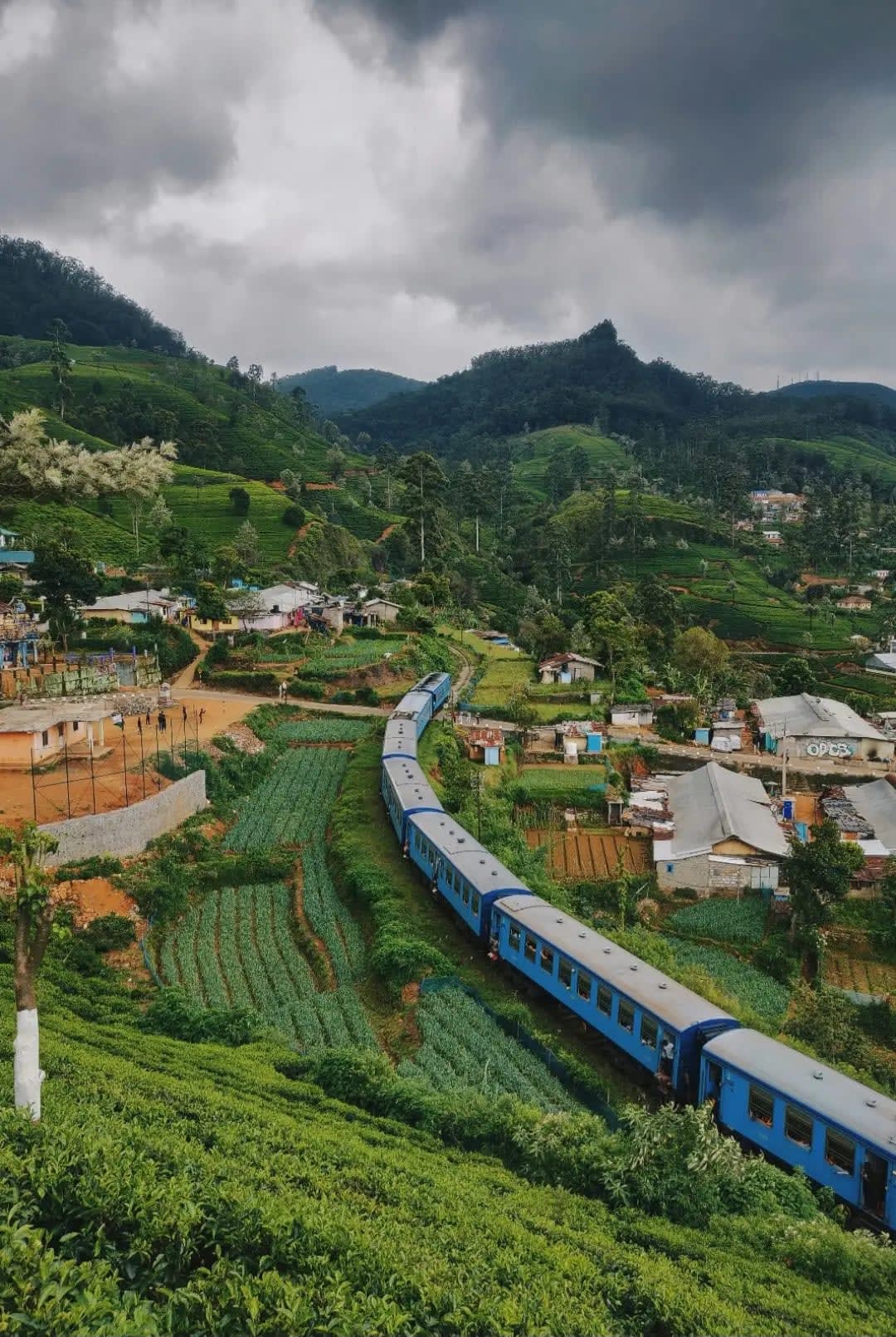
Access and Transportation: Ella is accessible by train, bus, and car. The scenic train ride from Kandy to Ella is a popular choice, offering stunning views of the countryside and tea plantations. Buses and private vehicles also connect Ella to major cities and tourist destinations. For local travel, tuk-tuks and taxis are readily available.
What to Bring: Pack lightweight and breathable clothing suitable for the mild climate. Comfortable walking shoes are essential for hiking and exploring the town. Don't forget to bring sunscreen, a hat, and insect repellent. If visiting waterfalls or tea estates, consider bringing a camera and a reusable water bottle to stay hydrated.
Best Time to Visit: The best time to visit Ella is during the dry season, which typically runs from January to April and from July to September. During these periods, the weather is pleasant, and outdoor activities can be enjoyed comfortably. The monsoon season brings heavy rainfall, which may affect travel plans and outdoor activities.
Access and Transportation: Ella is accessible by train, bus, and car. The scenic train ride from Kandy to Ella is a popular choice, offering stunning views of the countryside and tea plantations. Buses and private vehicles also connect Ella to major cities and tourist destinations. For local travel, tuk-tuks and taxis are readily available.
What to Bring: Pack lightweight and breathable clothing suitable for the mild climate. Comfortable walking shoes are essential for hiking and exploring the town. Don't forget to bring sunscreen, a hat, and insect repellent. If visiting waterfalls or tea estates, consider bringing a camera and a reusable water bottle to stay hydrated.
🌱 Conservation
Conservation efforts in Ella focus on preserving the natural environment and promoting sustainable tourism practices.
Environmental Protection: Conservation initiatives aim to protect the pristine natural environment of Ella, including its forests, waterfalls, and tea plantations. Efforts include managing waste, reducing pollution, and preserving natural habitats. Local organizations and authorities work to ensure that the region's natural beauty remains intact.
Sustainable Tourism: To promote sustainable tourism, visitors are encouraged to follow guidelines for responsible behavior, such as minimizing waste, respecting wildlife, and supporting eco-friendly businesses. Sustainable practices are emphasized in local tourism operations, including environmentally friendly accommodations and activities.
Cultural Preservation: Efforts are also made to preserve the cultural heritage of Ella, including traditional crafts, local festivals, and historical landmarks. Conservation programs and community initiatives aim to protect and promote the town's cultural assets, ensuring that they remain an integral part of the local identity.
Environmental Protection: Conservation initiatives aim to protect the pristine natural environment of Ella, including its forests, waterfalls, and tea plantations. Efforts include managing waste, reducing pollution, and preserving natural habitats. Local organizations and authorities work to ensure that the region's natural beauty remains intact.
Sustainable Tourism: To promote sustainable tourism, visitors are encouraged to follow guidelines for responsible behavior, such as minimizing waste, respecting wildlife, and supporting eco-friendly businesses. Sustainable practices are emphasized in local tourism operations, including environmentally friendly accommodations and activities.
Cultural Preservation: Efforts are also made to preserve the cultural heritage of Ella, including traditional crafts, local festivals, and historical landmarks. Conservation programs and community initiatives aim to protect and promote the town's cultural assets, ensuring that they remain an integral part of the local identity.
✨ Conclusion
Ella stands out as a serene and picturesque destination in Sri Lanka's hill country, offering a perfect blend of natural beauty, outdoor adventure, and cultural heritage. With its stunning landscapes, charming tea plantations, and diverse activities, Ella provides an enriching experience for travelers seeking both relaxation and exploration. Conservation efforts ensure that the town's natural and cultural assets are preserved for future generations. A visit to Ella promises a memorable escape into Sri Lanka's enchanting highlands, showcasing the best of the country's natural and cultural treasures.