
Teide
Parque Nacional del Teide, located on the island of Tenerife in the Canary Islands, Spain, is a striking natural wonder known for its dramatic volcanic landscapes. Home to Mount Teide, which is the highest peak in Spain and the third highest volcanic peak in the world, this national park offers a diverse range of geological formations, unique flora and fauna, and breathtaking vistas. Established as a national park in 1954 and designated as a UNESCO World Heritage site in 2007, Teide National Park is a premier destination for nature enthusiasts, hikers, and anyone fascinated by volcanic landscapes. This guide provides an extensive look at the park’s geography, history, attractions, travel tips, conservation efforts, and visitor experiences.
🌍 Geography and Natural Features
The geography of Parque Nacional del Teide is defined by its volcanic origin and the diverse natural features that result from its geological activity.
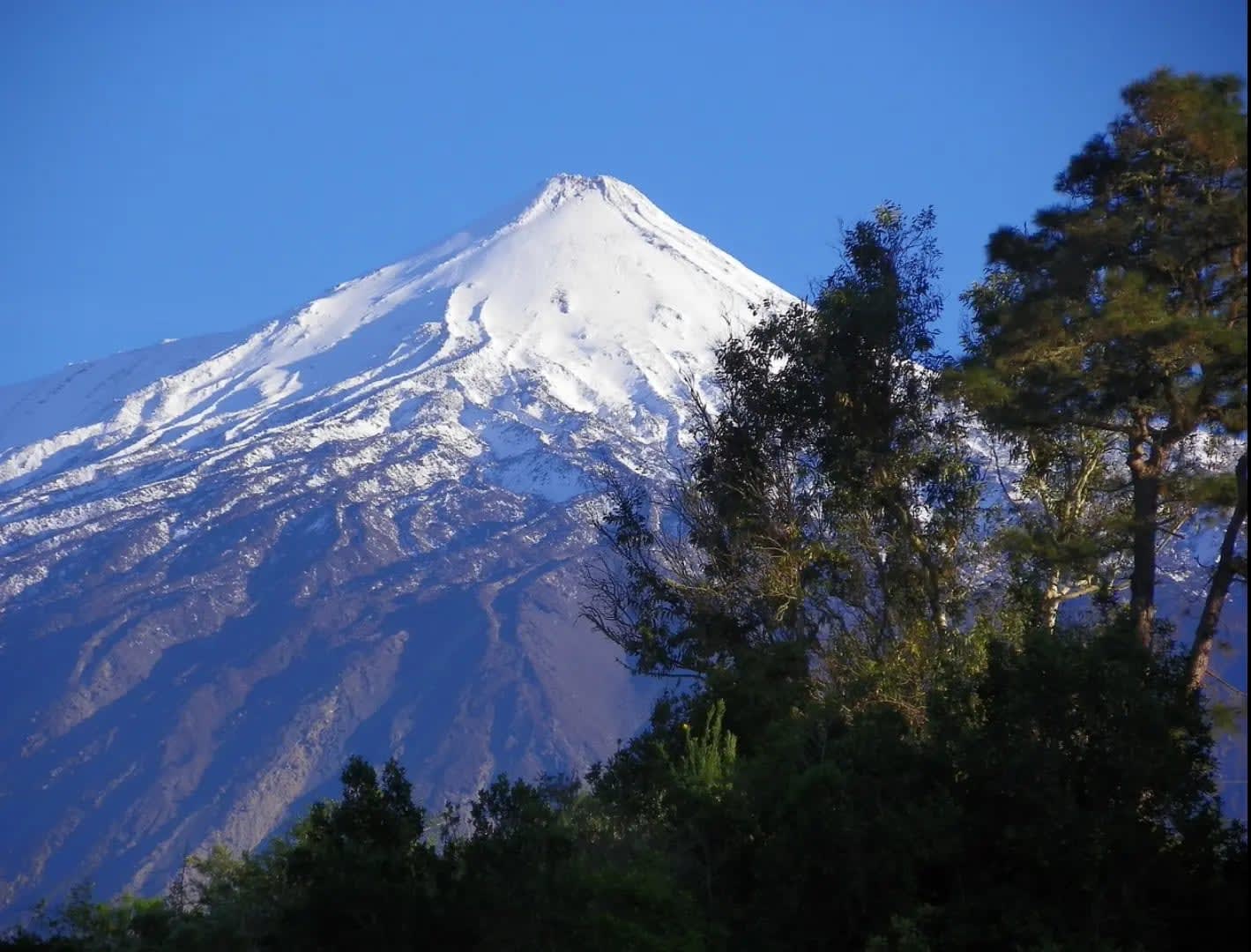
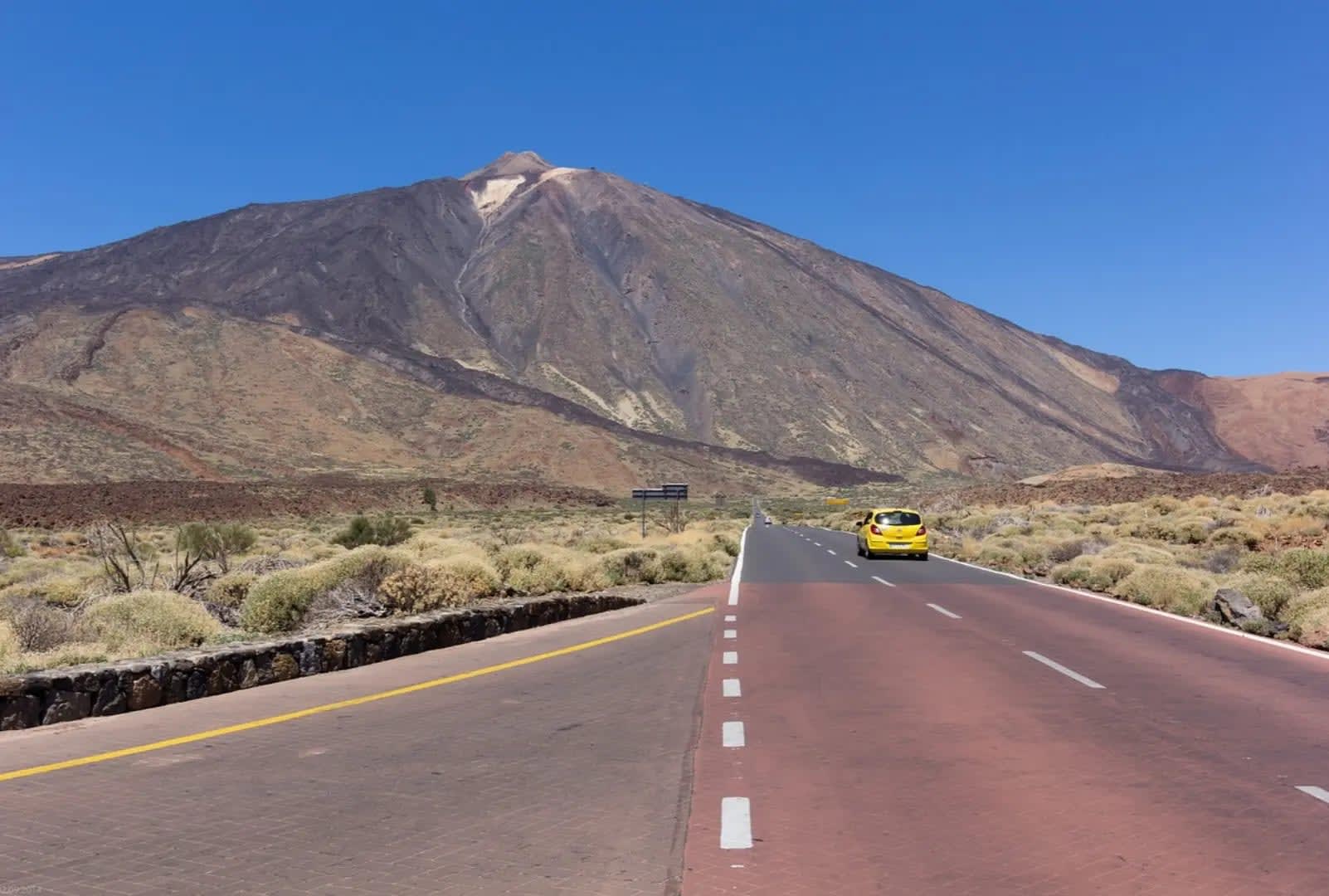
- Mount Teide: The park’s centerpiece is Mount Teide, a stratovolcano that rises to 3,718 meters (12,198 feet) above sea level. It is the highest peak in Spain and one of the most prominent volcanic structures in the world. The summit offers panoramic views of the Canary Islands and, on clear days, the African coast.
- Caldera de Las Cañadas: Surrounding Mount Teide is the Caldera de Las Cañadas, a vast volcanic crater that spans approximately 17 kilometers (10.5 miles) in diameter. This caldera is the result of a series of volcanic eruptions and subsequent collapses, creating a dramatic landscape of rocky formations and desert-like terrain.
- Lava Fields and Geological Formations: The park features extensive lava fields, volcanic cones, and unique rock formations such as the Roques de García. These formations provide insight into the volcanic history of the region and create a visually stunning landscape. The diverse geological features offer a glimpse into the dynamic processes that shaped the island.
📜 History and Cultural Significance
The history and cultural significance of Parque Nacional del Teide reflect its role in both the natural history of the Canary Islands and the cultural heritage of the region.
Volcanic Activity: The volcanic activity that created Mount Teide and the surrounding landscapes has occurred over millions of years. The most recent significant eruption took place in 1909. The volcanic processes have shaped the island of Tenerife and contributed to its unique geological features.
Cultural Heritage: The Guanches, the indigenous people of Tenerife, considered Mount Teide to be a sacred mountain. They believed it was the home of their god, and it played a significant role in their mythology and rituals. The park’s natural beauty and volcanic formations continue to hold cultural significance for the local population.
Scientific Research: The park has been a site of scientific research for decades, particularly in the fields of geology, astronomy, and ecology. The unique volcanic landscape provides valuable opportunities for studying volcanic processes and their impact on the environment.
Volcanic Activity: The volcanic activity that created Mount Teide and the surrounding landscapes has occurred over millions of years. The most recent significant eruption took place in 1909. The volcanic processes have shaped the island of Tenerife and contributed to its unique geological features.
Cultural Heritage: The Guanches, the indigenous people of Tenerife, considered Mount Teide to be a sacred mountain. They believed it was the home of their god, and it played a significant role in their mythology and rituals. The park’s natural beauty and volcanic formations continue to hold cultural significance for the local population.
Scientific Research: The park has been a site of scientific research for decades, particularly in the fields of geology, astronomy, and ecology. The unique volcanic landscape provides valuable opportunities for studying volcanic processes and their impact on the environment.
🏃 Activities and Attractions
Parque Nacional del Teide offers a variety of activities and attractions for visitors, ranging from exploring the volcanic landscapes to enjoying recreational pursuits.
- Hiking and Trails: The park features a network of hiking trails that cater to different levels of difficulty. Popular trails include the ascent to the summit of Mount Teide via the Teleférico cable car and the hiking path from the Montaña Blanca to the peak. The trails offer stunning views of the volcanic landscape and the surrounding islands.
- Cable Car Ride: The Teide Teleférico is a cable car that takes visitors from the base of Mount Teide to near the summit, offering spectacular views of the caldera and the surrounding landscape. At the top, visitors can enjoy panoramic vistas and access walking trails leading to the summit (a permit is required to reach the summit).
- Stargazing: Due to its high elevation and clear skies, Teide National Park is renowned for its stargazing opportunities. The park is one of the best places in the world to observe the night sky, and guided stargazing tours are available to help visitors explore the celestial wonders.
💡 Travel Tips
To ensure a safe and enjoyable visit to Parque Nacional del Teide, consider the following travel tips:
Best Time to Visit: The best time to visit the park is during the spring (March to May) and autumn (September to November) when the weather is mild and the trails are less crowded. Summer can be very hot, especially at lower elevations, while winter can bring snow and colder temperatures at higher altitudes.
Getting There: The park is accessible by car from Tenerife’s main towns and cities. There are several parking areas within the park, including near the Teleférico station. Public transportation options are limited, so renting a car or joining a guided tour is recommended for ease of access.
What to Bring: Dress in layers to accommodate the varying temperatures at different elevations. Bring comfortable hiking shoes, sunscreen, a hat, and plenty of water. If planning to hike or use the cable car, consider bringing snacks and a camera to capture the stunning landscapes.
Best Time to Visit: The best time to visit the park is during the spring (March to May) and autumn (September to November) when the weather is mild and the trails are less crowded. Summer can be very hot, especially at lower elevations, while winter can bring snow and colder temperatures at higher altitudes.
Getting There: The park is accessible by car from Tenerife’s main towns and cities. There are several parking areas within the park, including near the Teleférico station. Public transportation options are limited, so renting a car or joining a guided tour is recommended for ease of access.
What to Bring: Dress in layers to accommodate the varying temperatures at different elevations. Bring comfortable hiking shoes, sunscreen, a hat, and plenty of water. If planning to hike or use the cable car, consider bringing snacks and a camera to capture the stunning landscapes.
🌱 Conservation
Conservation efforts in Parque Nacional del Teide focus on preserving its unique volcanic landscape, protecting its ecosystems, and managing visitor impact.
Habitat Protection: Efforts are made to protect the park’s diverse habitats, including its volcanic features, flora, and fauna. This includes managing visitor activities, controlling invasive species, and monitoring environmental changes.
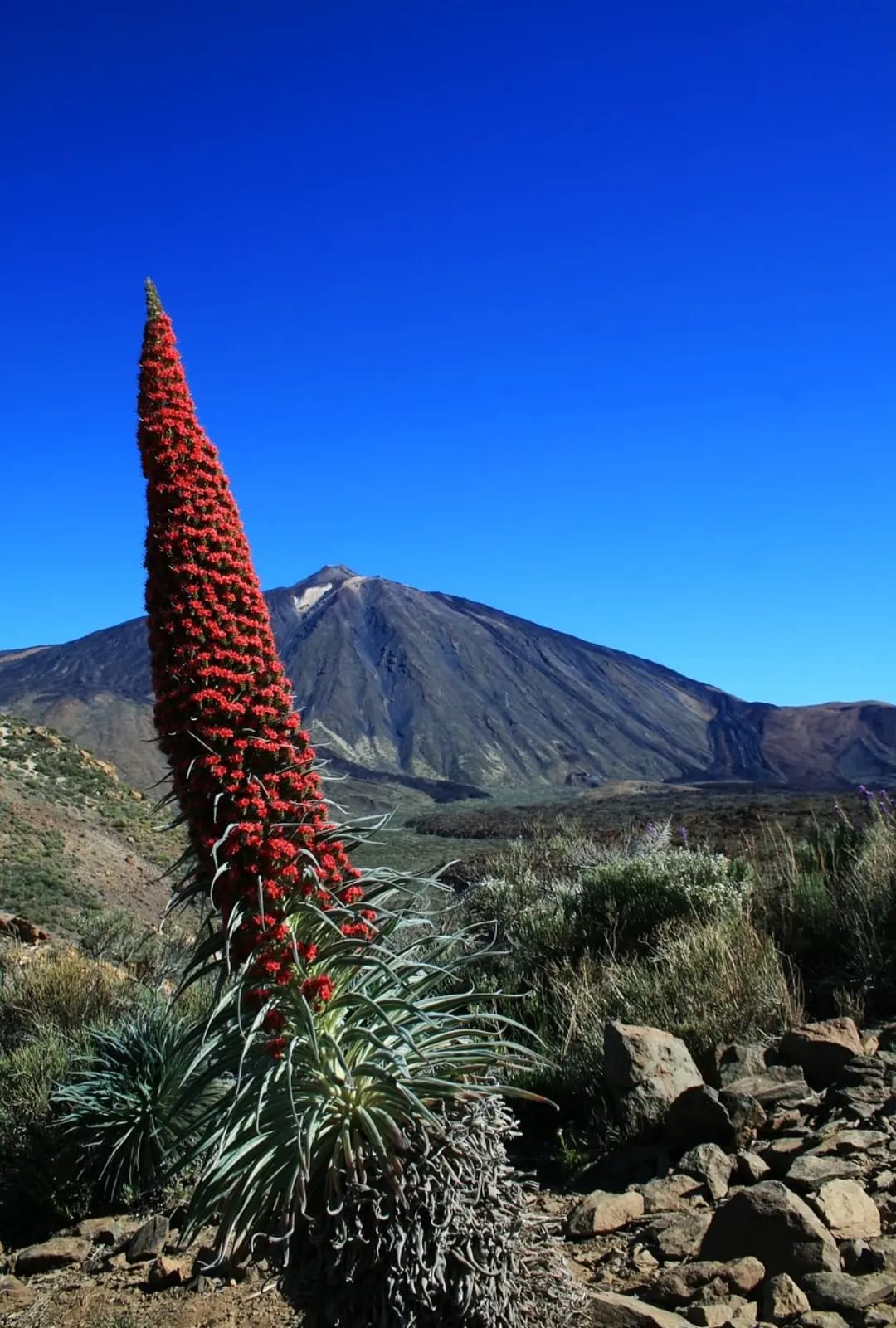
Endangered Species: The park is home to several endangered and endemic species, including the Teide violet and various bird species. Conservation programs aim to protect these species through habitat management, research, and breeding programs.
Visitor Management: Managing the impact of tourism is crucial for preserving the park’s natural beauty. This includes implementing regulations for hiking and vehicle access, promoting responsible behavior among visitors, and providing educational resources to raise awareness about the park’s conservation needs.
Habitat Protection: Efforts are made to protect the park’s diverse habitats, including its volcanic features, flora, and fauna. This includes managing visitor activities, controlling invasive species, and monitoring environmental changes.
Endangered Species: The park is home to several endangered and endemic species, including the Teide violet and various bird species. Conservation programs aim to protect these species through habitat management, research, and breeding programs.
Visitor Management: Managing the impact of tourism is crucial for preserving the park’s natural beauty. This includes implementing regulations for hiking and vehicle access, promoting responsible behavior among visitors, and providing educational resources to raise awareness about the park’s conservation needs.
✨ Conclusion
Parque Nacional del Teide stands as a testament to Spain’s geological and natural heritage, offering visitors a unique opportunity to explore a volcanic wonderland. With its towering peak, diverse landscapes, and rich cultural history, the park provides a captivating experience for nature enthusiasts, hikers, and those interested in the wonders of volcanic geology. The ongoing conservation efforts and commitment to preserving the park’s natural beauty ensure that Teide National Park remains a cherished destination for future generations. Whether you are looking to hike, stargaze, or simply take in the breathtaking views, Parque Nacional del Teide offers an unforgettable adventure into Spain’s volcanic heartland.