
Doñana National Park
Doñana National Park , located in southwestern Spain near the border with Portugal, is one of Europe’s most important and diverse natural reserves. Spanning across the provinces of Huelva, Sevilla, and Cádiz, this vast protected area encompasses a range of ecosystems including wetlands, sand dunes, forests, and marshlands. Established in 1969, Doñana is renowned for its rich biodiversity, including numerous endangered species and its role as a critical stopover for migratory birds. This guide explores the park’s geography, history, attractions, travel tips, conservation efforts, and visitor experiences, providing a comprehensive look at one of Spain’s most treasured natural landmarks.
🌍 Geography and Natural Features
The geography of Doñana National Park is marked by its diverse range of ecosystems and natural features, which contribute to its status as a UNESCO World Heritage site.
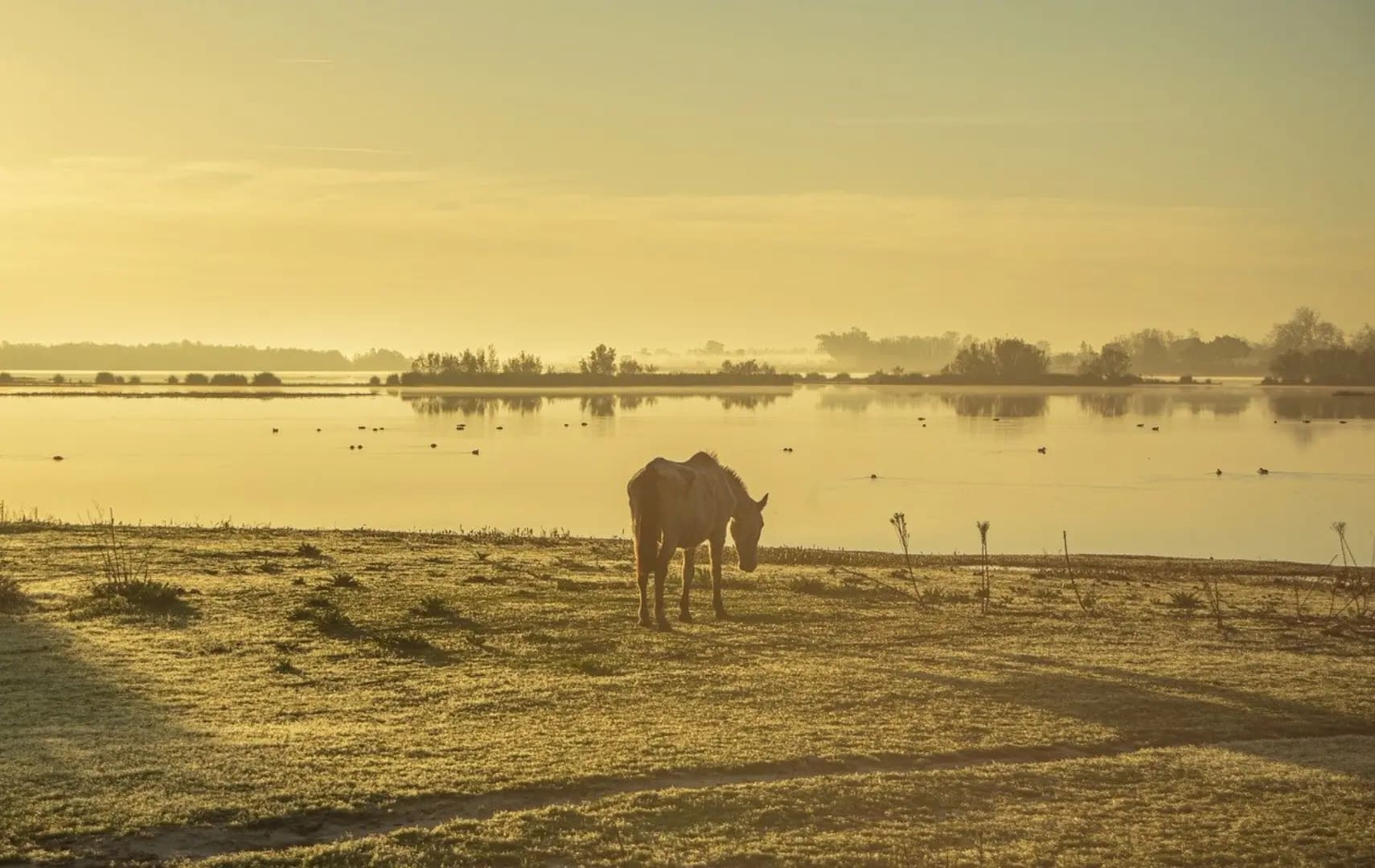
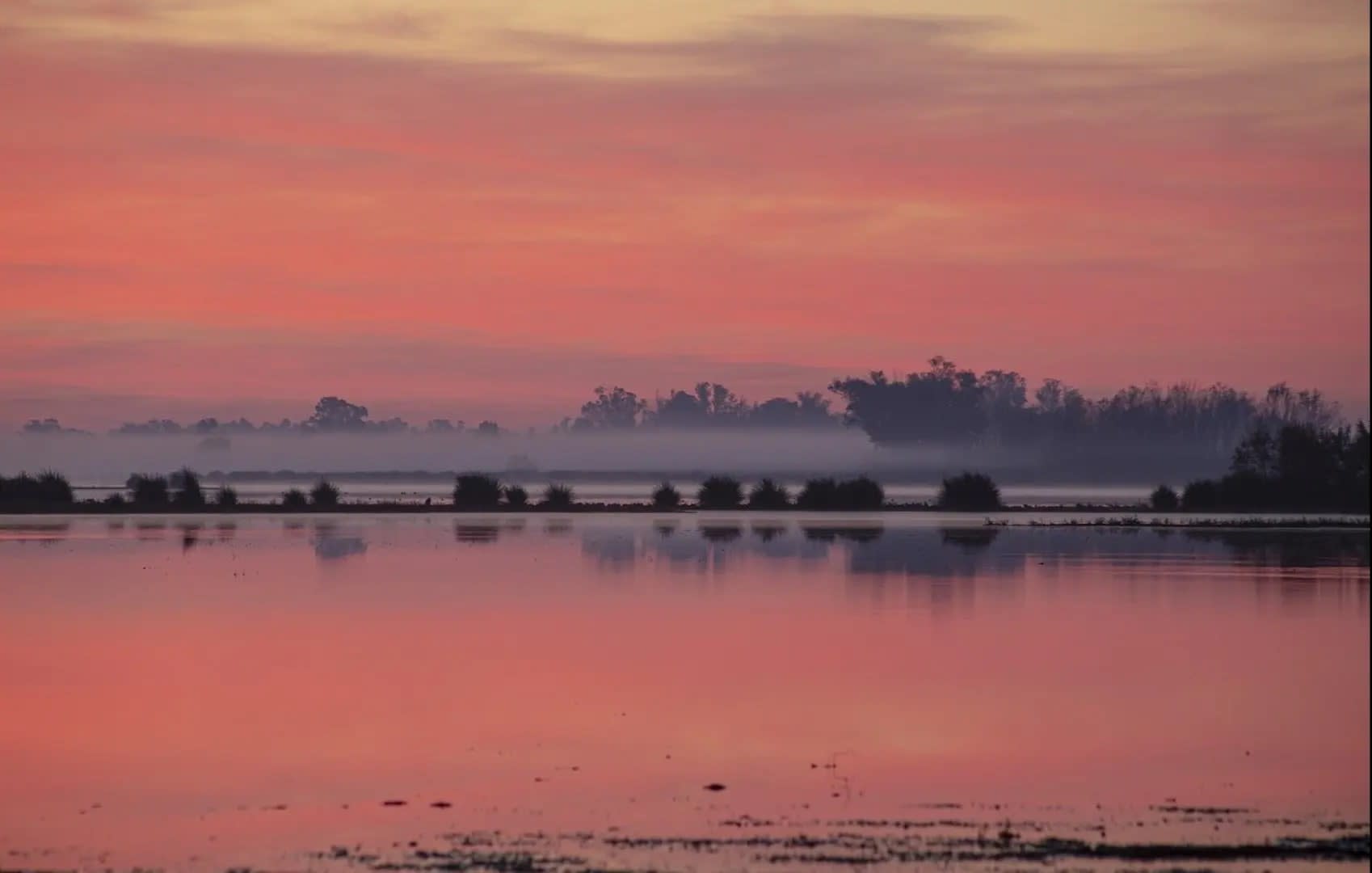
- Wetlands and Marshlands: The park is famous for its extensive wetlands and marshlands, which are critical for a wide variety of wildlife. These areas include seasonal and permanent water bodies that support diverse flora and fauna. The marshes are particularly important for migratory birds, providing essential feeding and resting grounds.
- Sand Dunes: Doñana features impressive sand dune formations that extend along the Atlantic coastline. These dunes are dynamic and continuously shifting due to wind and water erosion. They form a natural barrier between the sea and the inland areas, creating a unique coastal environment.
- Forests and Scrublands: The park includes areas of Mediterranean forest and scrubland, characterized by species such as cork oak, pine trees, and various shrubs. These habitats support a range of wildlife and contribute to the park’s ecological diversity.
📜 History and Cultural Significance
The history and cultural significance of Doñana National Park are deeply intertwined with the region’s natural heritage and human activities.
Historical Background: The area surrounding Doñana has been inhabited for thousands of years, with evidence of ancient human settlements and activities. The park’s wetlands and forests have long been important for local communities, providing resources such as water and wildlife.
Establishment and Protection: Doñana National Park was officially established in 1969 as a protected area to conserve its unique ecosystems and biodiversity. The park’s designation as a UNESCO World Heritage site in 1994 further recognized its global importance for conservation and natural heritage.
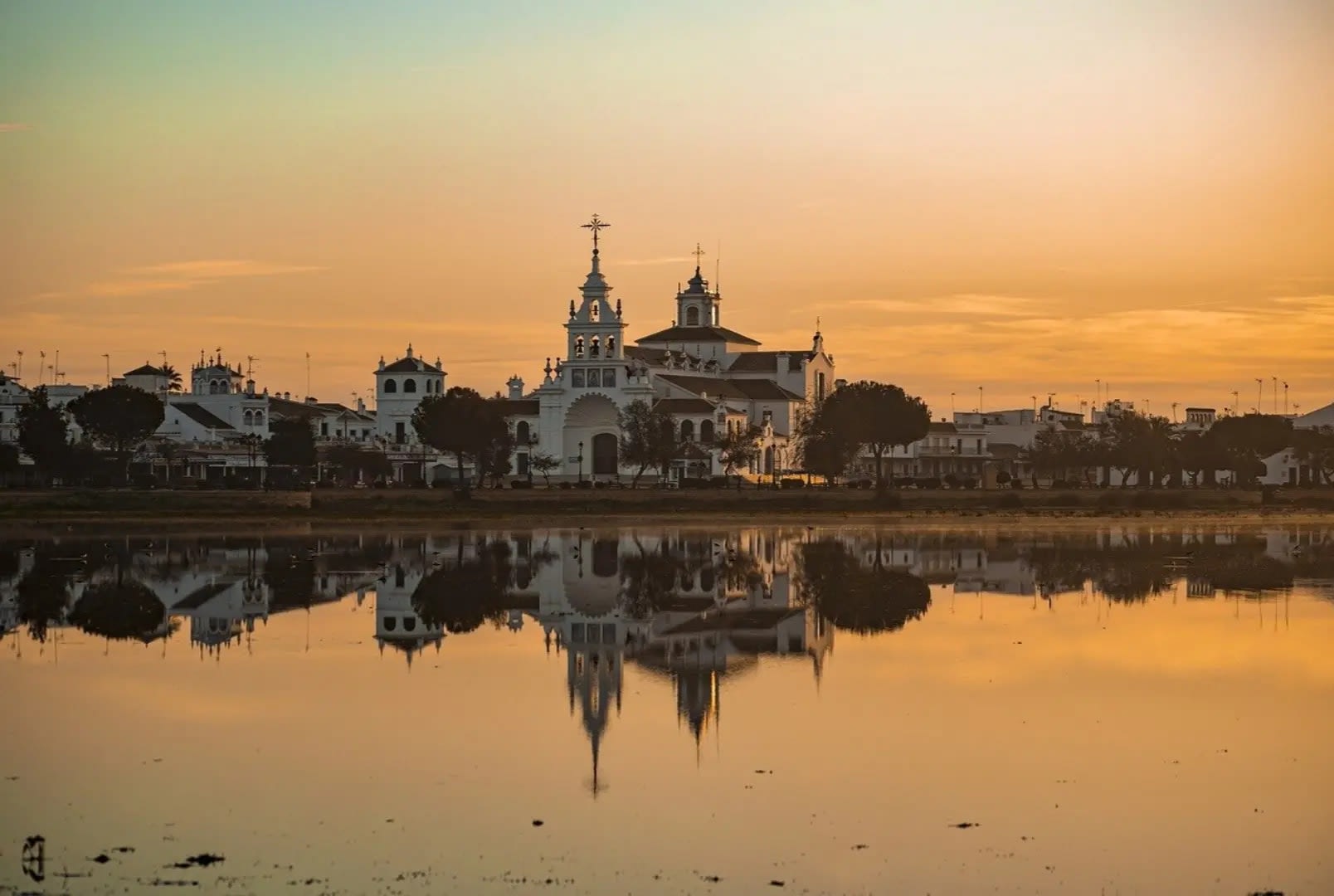
Cultural Heritage: The region has a rich cultural history, with traditional practices such as hunting and agriculture playing a role in shaping the landscape. The local communities have historically relied on the park’s resources, and traditional knowledge continues to influence conservation efforts.
Historical Background: The area surrounding Doñana has been inhabited for thousands of years, with evidence of ancient human settlements and activities. The park’s wetlands and forests have long been important for local communities, providing resources such as water and wildlife.
Establishment and Protection: Doñana National Park was officially established in 1969 as a protected area to conserve its unique ecosystems and biodiversity. The park’s designation as a UNESCO World Heritage site in 1994 further recognized its global importance for conservation and natural heritage.
Cultural Heritage: The region has a rich cultural history, with traditional practices such as hunting and agriculture playing a role in shaping the landscape. The local communities have historically relied on the park’s resources, and traditional knowledge continues to influence conservation efforts.
🏃 Activities and Attractions
Doñana National Park offers a variety of activities and attractions for visitors to explore its diverse landscapes and wildlife.
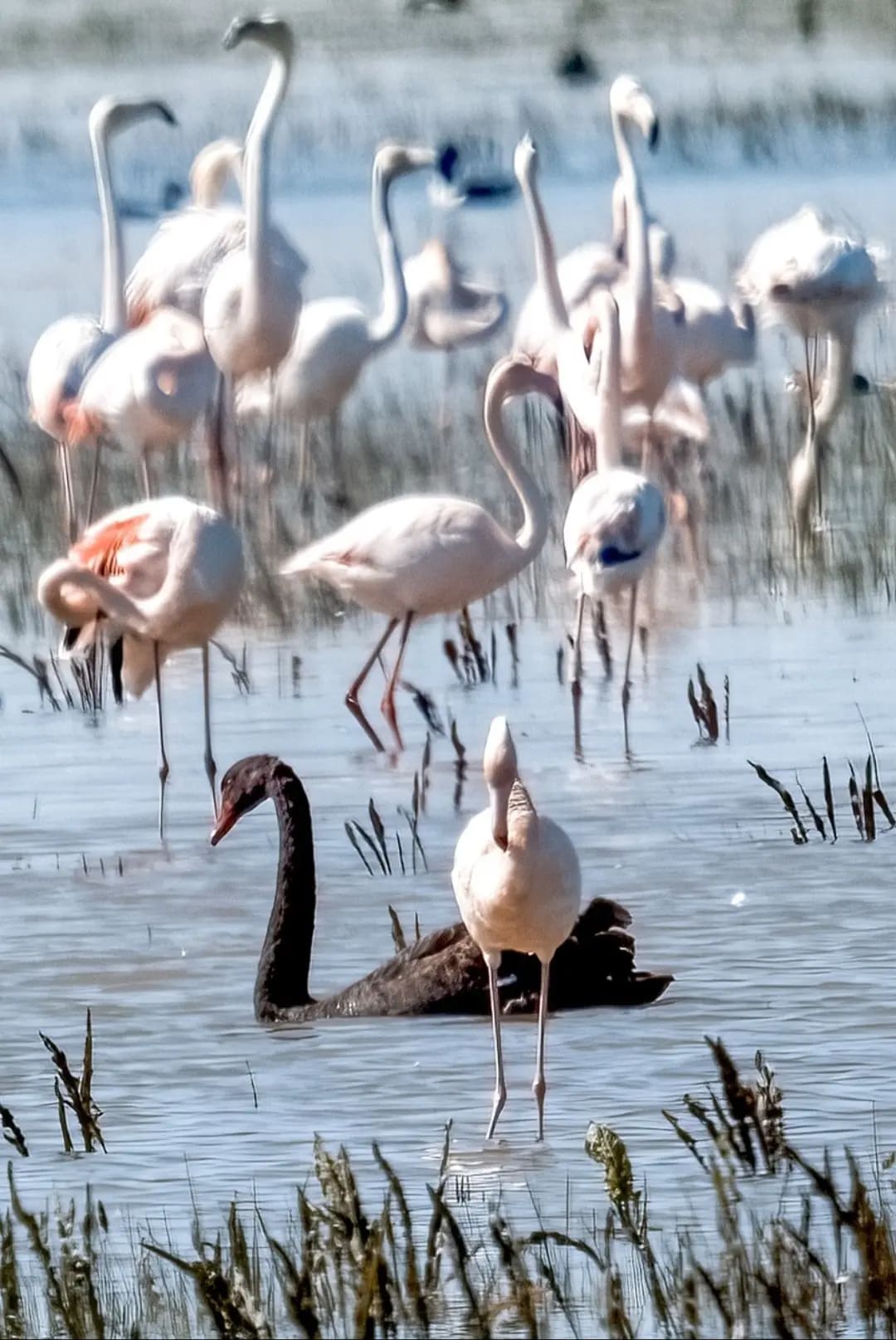
- Birdwatching: Doñana is renowned as one of Europe’s premier birdwatching destinations. The park is home to numerous bird species, including the endangered Spanish imperial eagle and the elusive Iberian lynx. Birdwatching enthusiasts can explore designated trails and observation points to spot a wide variety of migratory and resident birds.
- Guided Tours: To fully experience the park’s diverse ecosystems, visitors can join guided tours led by knowledgeable naturalists. These tours provide insights into the park’s flora, fauna, and conservation efforts, offering a deeper understanding of the area’s ecological significance.
- Hiking and Nature Walks: There are several trails and walking routes within the park that allow visitors to explore its natural beauty. These trails vary in difficulty and length, catering to different levels of fitness and interest. Nature walks provide opportunities to observe the park’s landscapes and wildlife up close.
💡 Travel Tips
To ensure a safe and enjoyable visit to Doñana National Park, consider the following travel tips:
Best Time to Visit: The best time to visit Doñana is during the spring and autumn months when the weather is mild and the wildlife is most active. Summer can be very hot, and some areas may be less accessible due to high temperatures. Winter is also a good time for birdwatching, as many migratory species are present.
Access and Transportation: The park is accessible by car from the nearby cities of Huelva, Sevilla, and Cádiz. There are designated visitor centers where you can obtain maps, information, and permits for accessing specific areas of the park. Public transportation options are limited, so it is advisable to travel by car or join a guided tour.
What to Bring: Bring appropriate clothing for outdoor activities, including comfortable walking shoes, a hat, sunscreen, and insect repellent. Binoculars and a camera are essential for birdwatching and capturing the park’s natural beauty. Ensure you follow park regulations and guidelines to protect the environment and wildlife.
Best Time to Visit: The best time to visit Doñana is during the spring and autumn months when the weather is mild and the wildlife is most active. Summer can be very hot, and some areas may be less accessible due to high temperatures. Winter is also a good time for birdwatching, as many migratory species are present.
Access and Transportation: The park is accessible by car from the nearby cities of Huelva, Sevilla, and Cádiz. There are designated visitor centers where you can obtain maps, information, and permits for accessing specific areas of the park. Public transportation options are limited, so it is advisable to travel by car or join a guided tour.
What to Bring: Bring appropriate clothing for outdoor activities, including comfortable walking shoes, a hat, sunscreen, and insect repellent. Binoculars and a camera are essential for birdwatching and capturing the park’s natural beauty. Ensure you follow park regulations and guidelines to protect the environment and wildlife.
🌱 Conservation
Conservation efforts in Doñana National Park focus on protecting its unique ecosystems, endangered species, and maintaining its ecological balance.
Habitat Protection: Protecting the park’s diverse habitats is a key aspect of conservation efforts. This includes managing water resources, controlling invasive species, and preserving the natural landscapes. Habitat protection is essential for supporting the park’s wildlife and maintaining its ecological integrity.
Species Conservation: Doñana is home to several endangered species, including the Iberian lynx and the Spanish imperial eagle. Conservation programs aim to monitor and protect these species through habitat management, research, and breeding programs. Collaborative efforts with conservation organizations and local communities play a crucial role in these initiatives.
Visitor Education: Educating visitors about the park’s importance and the need for conservation is a priority. Interpretation centers, guided tours, and educational programs help raise awareness about the park’s ecological value and promote responsible behavior among visitors.
Habitat Protection: Protecting the park’s diverse habitats is a key aspect of conservation efforts. This includes managing water resources, controlling invasive species, and preserving the natural landscapes. Habitat protection is essential for supporting the park’s wildlife and maintaining its ecological integrity.
Species Conservation: Doñana is home to several endangered species, including the Iberian lynx and the Spanish imperial eagle. Conservation programs aim to monitor and protect these species through habitat management, research, and breeding programs. Collaborative efforts with conservation organizations and local communities play a crucial role in these initiatives.
Visitor Education: Educating visitors about the park’s importance and the need for conservation is a priority. Interpretation centers, guided tours, and educational programs help raise awareness about the park’s ecological value and promote responsible behavior among visitors.
✨ Conclusion
Doñana National Park stands as a testament to Spain’s rich natural heritage and commitment to conservation. As one of Europe’s most important natural reserves, it offers a diverse range of ecosystems, a wealth of wildlife, and a unique opportunity to explore the beauty of Spain’s wetlands and deserts. The ongoing conservation efforts and dedication to preserving the park’s natural and cultural values ensure that Doñana remains a treasured destination for future generations. Whether you are interested in birdwatching, hiking, or simply appreciating the beauty of the natural world, Parque Nacional de Doñana provides an unforgettable experience that highlights the importance of protecting our planet’s natural treasures.


