Ordesa y Monte Perdido
Parque Nacional de Ordesa y Monte Perdido, located in the Pyrenees in northern Spain, is a spectacular natural reserve renowned for its stunning landscapes, rich biodiversity, and geological significance. Established in 1918, it is one of Spain’s oldest national parks and has been designated a UNESCO World Heritage site due to its outstanding natural values. The park spans across the provinces of Huesca and Zaragoza in the autonomous community of Aragón, covering an area of approximately 156,080 hectares (385,000 acres). This guide provides an in-depth look at the park’s geography, history, attractions, travel tips, conservation efforts, and visitor experiences, highlighting why it is considered one of the most beautiful natural destinations in Spain.
🌍 Geography and Natural Features
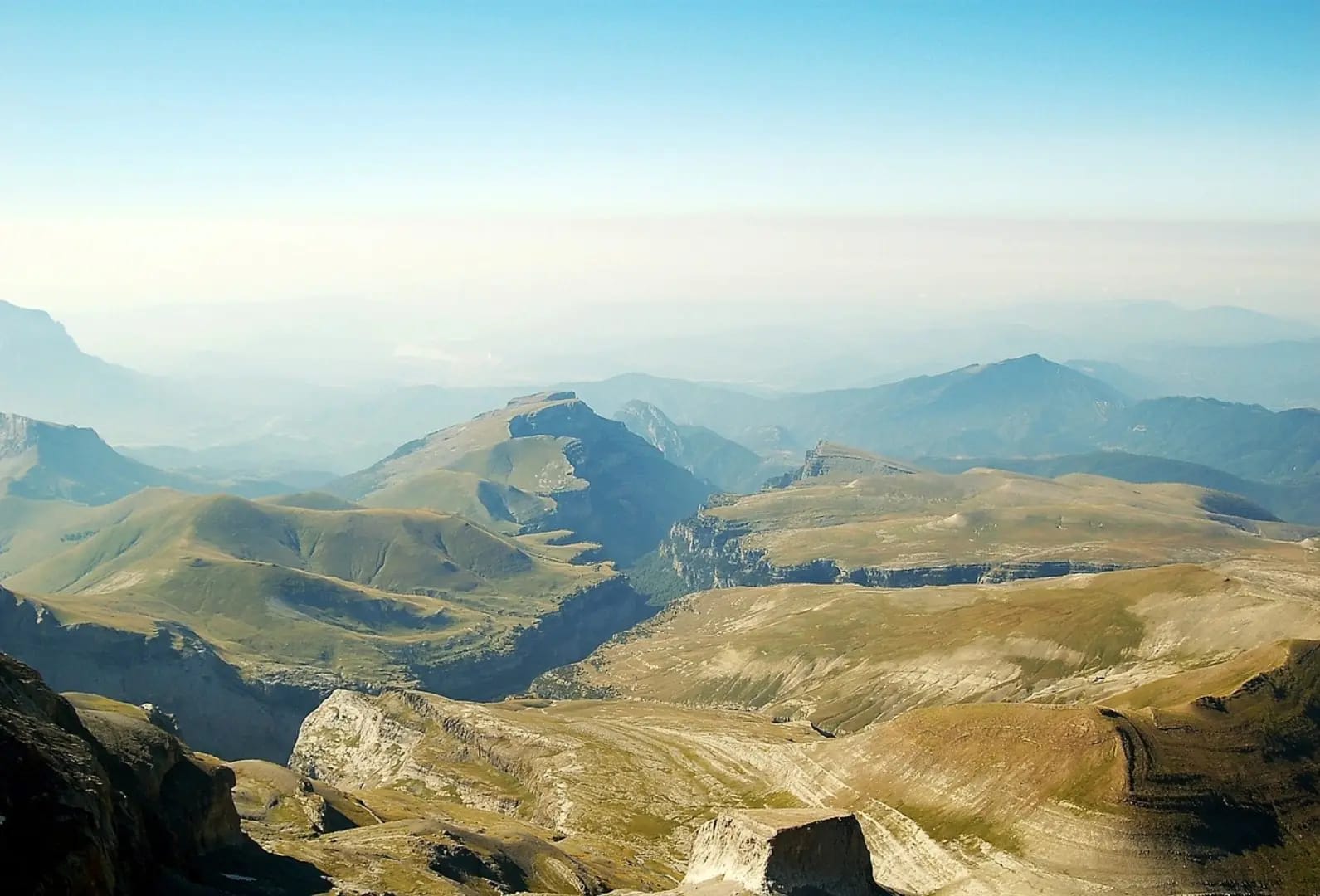
- Monte Perdido: At the heart of the park is Monte Perdido, the third highest peak in the Pyrenees, rising to 3,355 meters (11,007 feet) above sea level. Its name, which translates to 'Lost Mountain,' reflects its remote and rugged character. Monte Perdido is a key feature of the park and offers challenging climbing opportunities as well as breathtaking views.
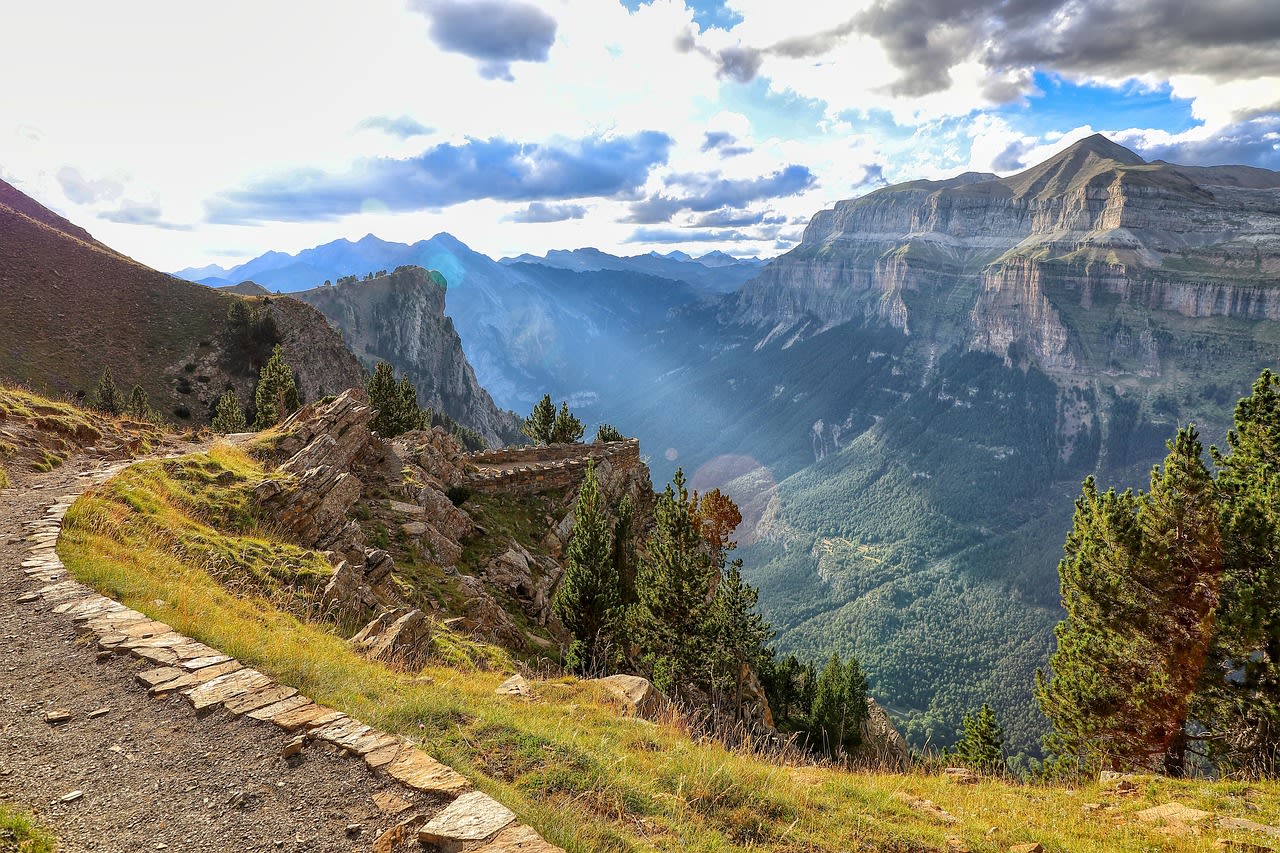
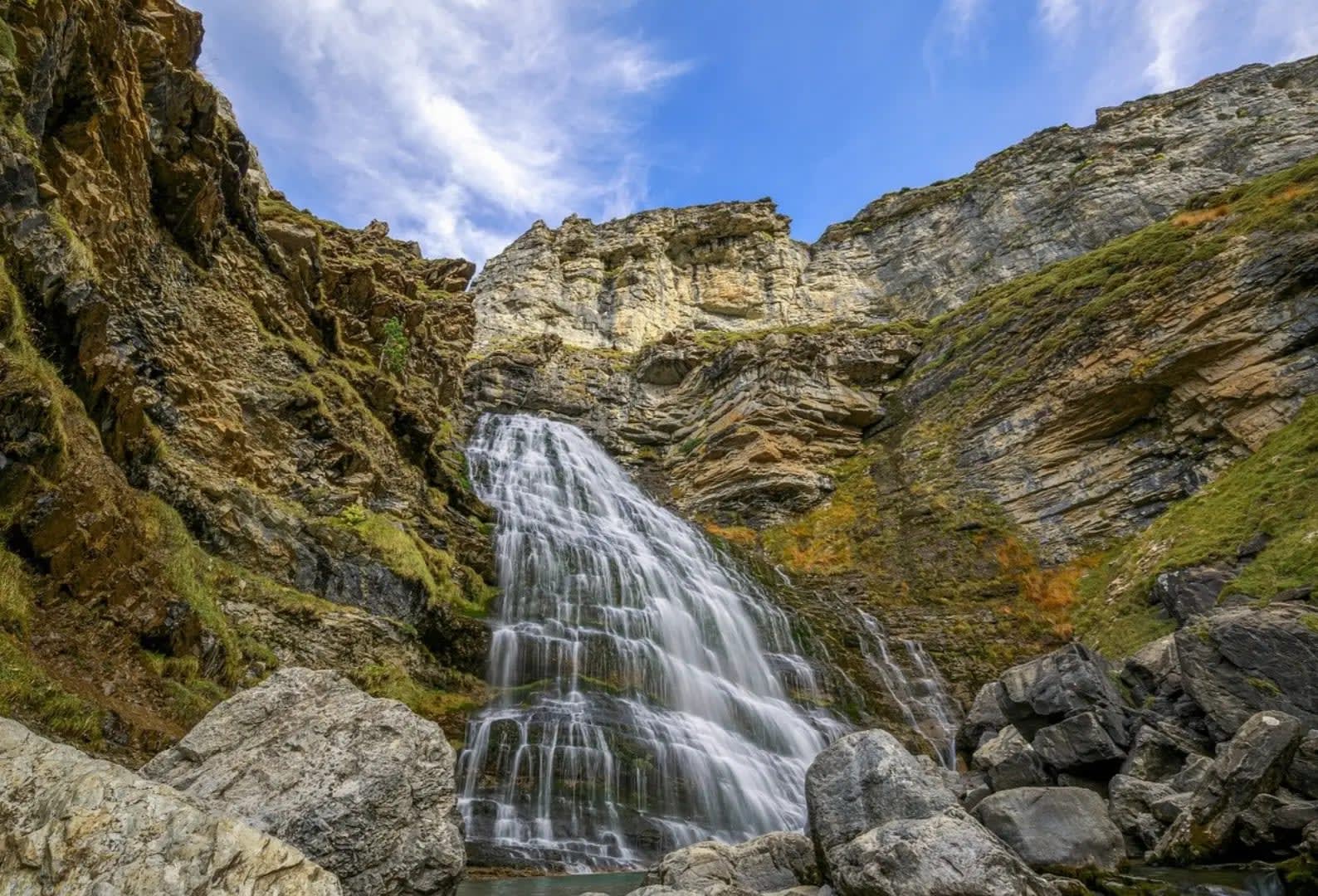
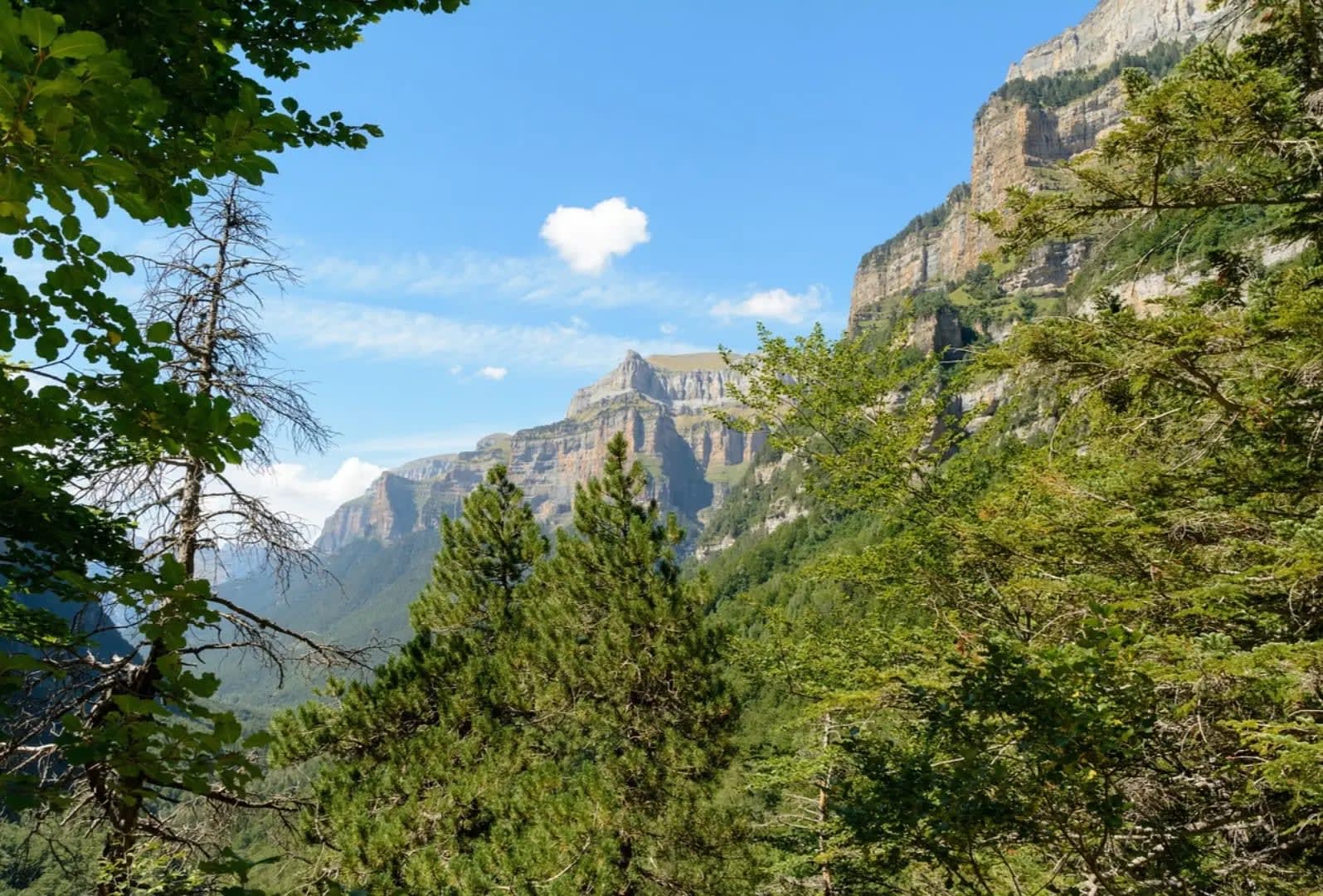
- Valleys and Gorges: The park is famous for its deep valleys and gorges, including the Ordesa Valley, which is one of the most iconic landscapes in the park. The valley, shaped by glacial activity, features lush vegetation, cascading waterfalls, and dramatic cliffs. Other notable valleys include the Añisclo Canyon and the Escuain Gorge, each offering unique geological and natural features.
- Flora and Fauna: The park’s diverse landscapes support a wide range of flora and fauna. The lower altitudes are covered in dense forests of beech, fir, and pine, while the higher elevations feature alpine meadows and rocky terrain. The park is home to a variety of wildlife, including the Pyrenean chamois, the golden eagle, and the European brown bear.
📜 History and Cultural Significance
Historical Background: The area surrounding the park has been inhabited since prehistoric times, with evidence of ancient human settlements and activities. The rugged terrain and isolation of the Pyrenees have historically limited human impact on the natural environment, helping to preserve its pristine condition.
Establishment of the Park: Parque Nacional de Ordesa was established in 1918, making it one of Spain’s earliest national parks. It was later expanded and merged with Monte Perdido to form Parque Nacional de Ordesa y Monte Perdido in 1982. The park’s designation aimed to protect its unique landscapes, ecosystems, and biodiversity.
Cultural Heritage: The region’s cultural heritage includes traditional mountain communities and practices. Local villages and towns have historically relied on the park’s resources for agriculture and forestry. The park’s preservation also reflects a commitment to maintaining these cultural traditions and the natural environment.
🏃 Activities and Attractions
- Hiking and Trekking: The park features a network of hiking trails that cater to various levels of experience. Popular trails include the hike to the Cola de Caballo waterfall in the Ordesa Valley, the climb to Monte Perdido’s summit, and the route through the Añisclo Canyon. These trails offer stunning views of the park’s landscapes and opportunities to experience its diverse flora and fauna.
- Climbing and Mountaineering: For those seeking more challenging activities, the park offers climbing and mountaineering opportunities. Monte Perdido and other peaks in the park provide routes for experienced climbers. Guided climbs and mountaineering courses are available for those looking to explore the park’s rugged terrain.
- Wildlife Watching: The park is a haven for wildlife enthusiasts. Observing the park’s diverse wildlife, including the Pyrenean chamois, deer, and various bird species, is a rewarding experience. Early mornings and late afternoons are the best times for wildlife viewing.
💡 Travel Tips
Best Time to Visit: The best time to visit the park is during the spring (May to June) and autumn (September to October) when the weather is mild and the trails are less crowded. Summer can be busy with tourists, and winter conditions may limit access to some areas due to snow.
Access and Transportation: The park is accessible by car from nearby towns such as Torla and Bielsa. There are designated parking areas and visitor centers where you can obtain maps, information, and permits. Public transportation options are limited, so renting a car or joining a guided tour is recommended for ease of access.
What to Bring: Dress in layers to accommodate changing temperatures and weather conditions. Bring comfortable hiking shoes, a hat, sunscreen, and plenty of water. If planning to hike or climb, ensure you have appropriate gear and consider carrying a map and compass for navigation.
🌱 Conservation
Habitat Preservation: Protecting the park’s diverse habitats is essential for maintaining its ecological balance. This includes managing visitor activities, preventing habitat degradation, and controlling invasive species.
Species Protection: The park is home to several endangered and vulnerable species, including the Pyrenean chamois and the golden eagle. Conservation programs aim to monitor and protect these species through habitat management, research, and wildlife monitoring.
Visitor Management: Managing the impact of tourism is crucial for preserving the park’s natural beauty. This includes implementing regulations for hiking and climbing, providing educational resources for visitors, and promoting responsible behavior to minimize environmental impact.