
Bardenas Reales
Parque Natural de las Bardenas Reales, located in the southeastern part of Navarra, Spain, is a unique and striking natural area known for its semi-desert landscape and otherworldly formations. Established as a natural park in 1999, this region encompasses approximately 42,000 hectares (104,000 acres) of rugged terrain, including expansive sand and clay formations, deep ravines, and barren plateaus. The park is renowned for its geological features, rich biodiversity, and the dramatic beauty of its landscape, which has earned it a place among Spain’s most remarkable natural reserves. This guide provides an extensive overview of the park’s geography, history, attractions, travel tips, conservation efforts, and visitor experiences, highlighting its distinct and captivating environment.
🌍 Geography and Natural Features
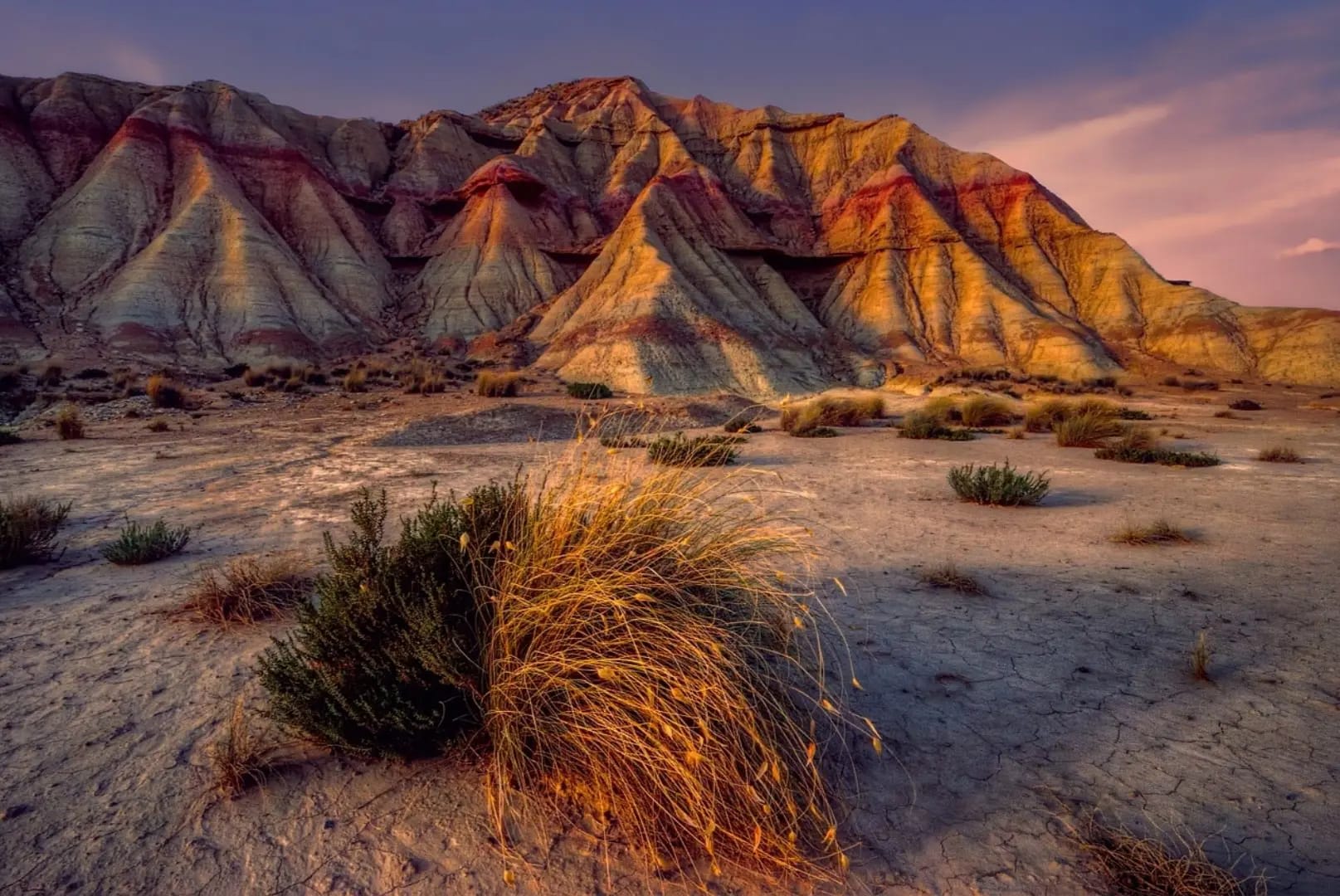
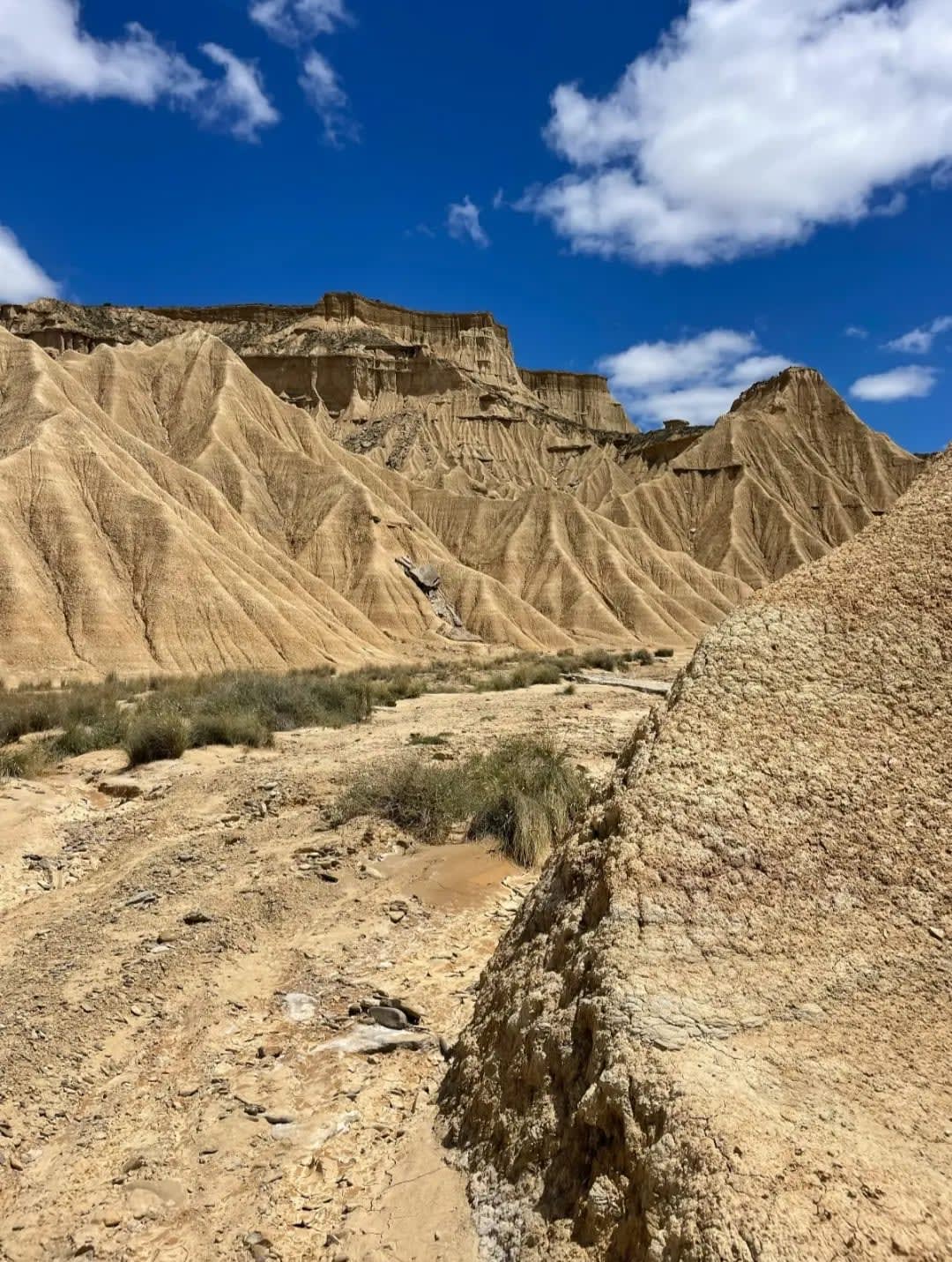
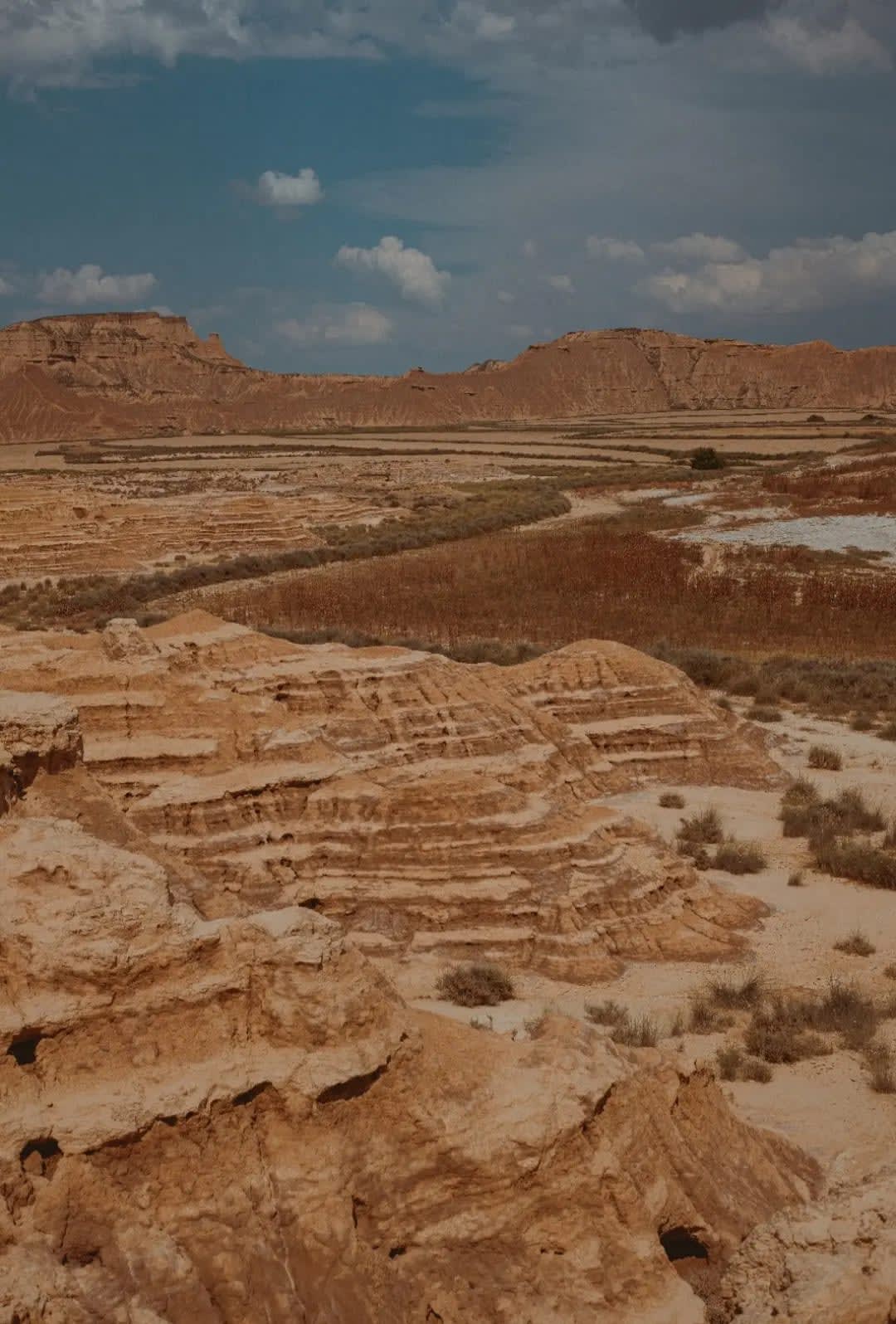
- Barren Landscapes: The park’s landscape is marked by its arid and semi-desert conditions, resulting in a distinctive terrain of clay and sand formations. The erosion of these materials over time has created a landscape dotted with unusual rock formations, including mesas, buttes, and ravines. The barren nature of the land gives the park a unique and striking appearance, often likened to landscapes found in the American West.
- Castildetierra: One of the most iconic features of the park is Castildetierra, a prominent rock formation that stands out against the surrounding landscape. This mesa-like structure, with its eroded top and steep sides, is a popular subject for photography and a symbol of the park’s dramatic geology.
- Ravines and Valleys: The park is home to several deep ravines and valleys, including the impressive Barranco de las Cortinas and the Valle de la Blanca. These formations are the result of centuries of erosion and offer striking views and opportunities for exploration.
📜 History and Cultural Significance
Historical Background: The Bardenas Reales have been shaped by natural processes over millions of years, with the region’s unique geology resulting from the erosion of sedimentary layers. The area has long been a point of interest for geologists and naturalists due to its distinctive landscape.
Human Activity: Historically, the park has been used for various purposes, including agriculture and grazing. Traditional practices by local communities have influenced the landscape, contributing to the park’s current appearance. The park’s remote and rugged terrain has also made it a site for occasional military training exercises, adding to its layered history.
Cultural Heritage: The park’s unique landscapes and natural features have inspired local folklore and legends. The barren and surreal environment has been a source of fascination and artistic inspiration, reflecting the region’s cultural heritage and connection to the natural world.
🏃 Activities and Attractions
- Hiking and Walking: The park features a network of trails and walking routes that allow visitors to explore its unique landscapes. Popular routes include the trail to Castildetierra and the path through the Barranco de las Cortinas. These trails offer opportunities to experience the park’s dramatic scenery and geological features up close.
- Photography and Sightseeing: The park’s striking landscapes make it a popular destination for photography and sightseeing. The unusual rock formations, expansive vistas, and changing light conditions provide excellent opportunities for capturing stunning images of the natural environment.
- Guided Tours: Guided tours are available for visitors who want to learn more about the park’s geology, history, and biodiversity. These tours provide insights into the park’s unique features and offer a more in-depth understanding of its natural and cultural significance.
💡 Travel Tips
Best Time to Visit: The best time to visit the park is during the spring (April to June) and autumn (September to November) when the weather is mild and pleasant. Summer can be extremely hot, with temperatures reaching over 30°C (86°F), while winter may bring colder temperatures and occasional snowfall.
Access and Transportation: The park is accessible by car from nearby towns such as Tudela and Ejea de los Caballeros. There are several designated parking areas within the park. Public transportation options are limited, so renting a car or joining a guided tour is recommended for ease of access.
What to Bring: Dress in layers to accommodate changing temperatures and bring plenty of water, especially during the hot summer months. Comfortable hiking shoes are essential for exploring the park’s rugged terrain. A hat, sunscreen, and binoculars for wildlife watching are also recommended.
🌱 Conservation
Habitat Protection: Efforts are made to protect the park’s unique habitats, including its semi-desert landscapes and geological formations. This includes managing visitor activities, preventing habitat degradation, and controlling invasive species.
Wildlife Conservation: The park is home to various species adapted to arid conditions, including birds of prey and small mammals. Conservation programs aim to monitor and protect these species through habitat management and research.
Visitor Management: Managing the impact of tourism is crucial for preserving the park’s natural beauty. Regulations are in place to control access to sensitive areas, and educational resources are provided to promote responsible behavior among visitors.