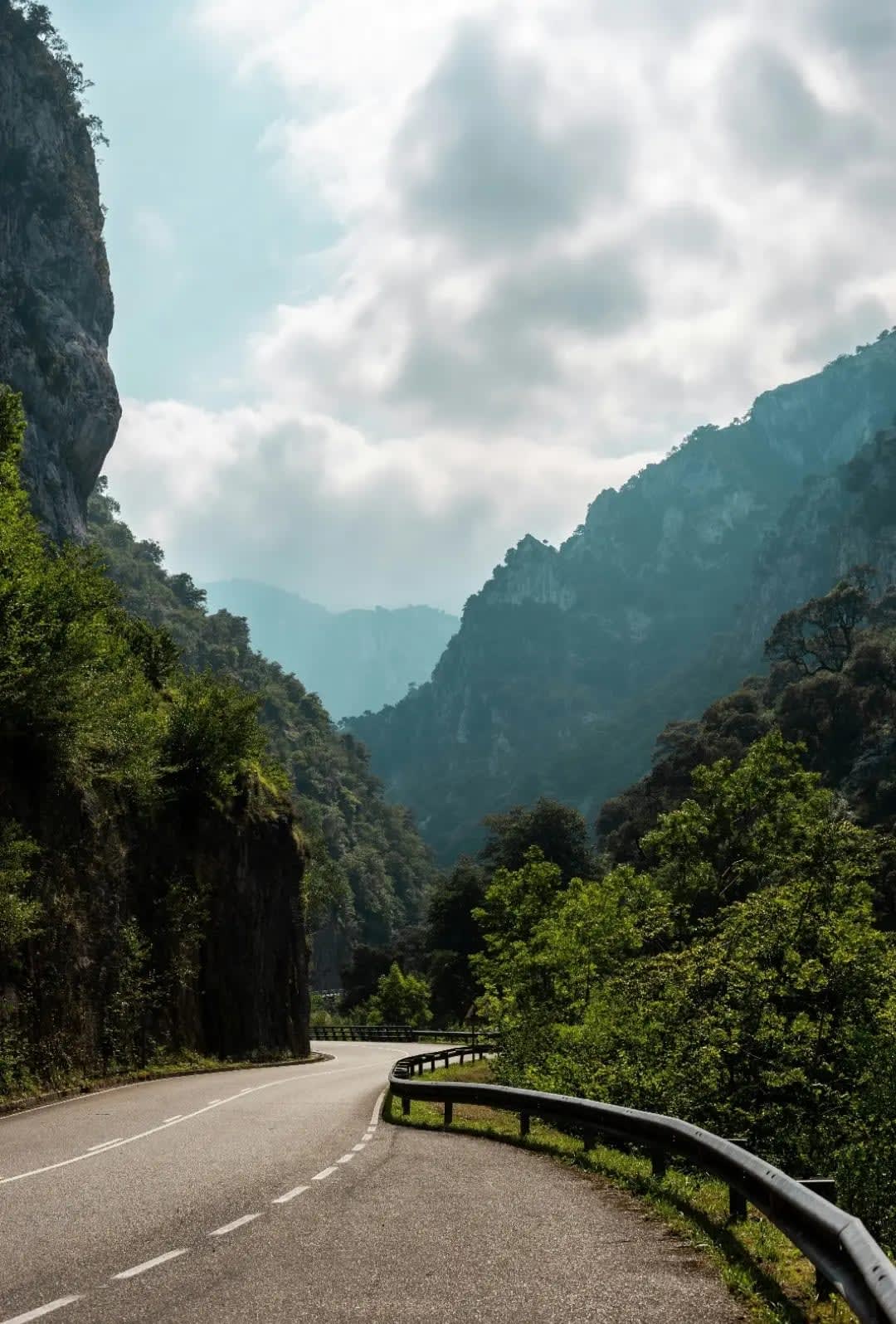
Picos de Europa
Parque Nacional de los Picos de Europa, located in the northern regions of Spain, is a stunning natural park renowned for its dramatic mountain scenery, rich biodiversity, and outdoor recreation opportunities. Spanning the provinces of León, Asturias, and Cantabria, this national park covers approximately 67,000 hectares (165,000 acres) of rugged terrain, including towering peaks, deep valleys, and lush forests. Established as a national park in 1918, it is one of Spain’s oldest protected areas and continues to be a significant destination for nature lovers, hikers, and outdoor enthusiasts. This guide provides an extensive overview of the park’s geography, history, activities, travel tips, conservation efforts, and visitor experiences, highlighting why it remains one of Spain’s most treasured natural landscapes.
🌍 Geography and Natural Features
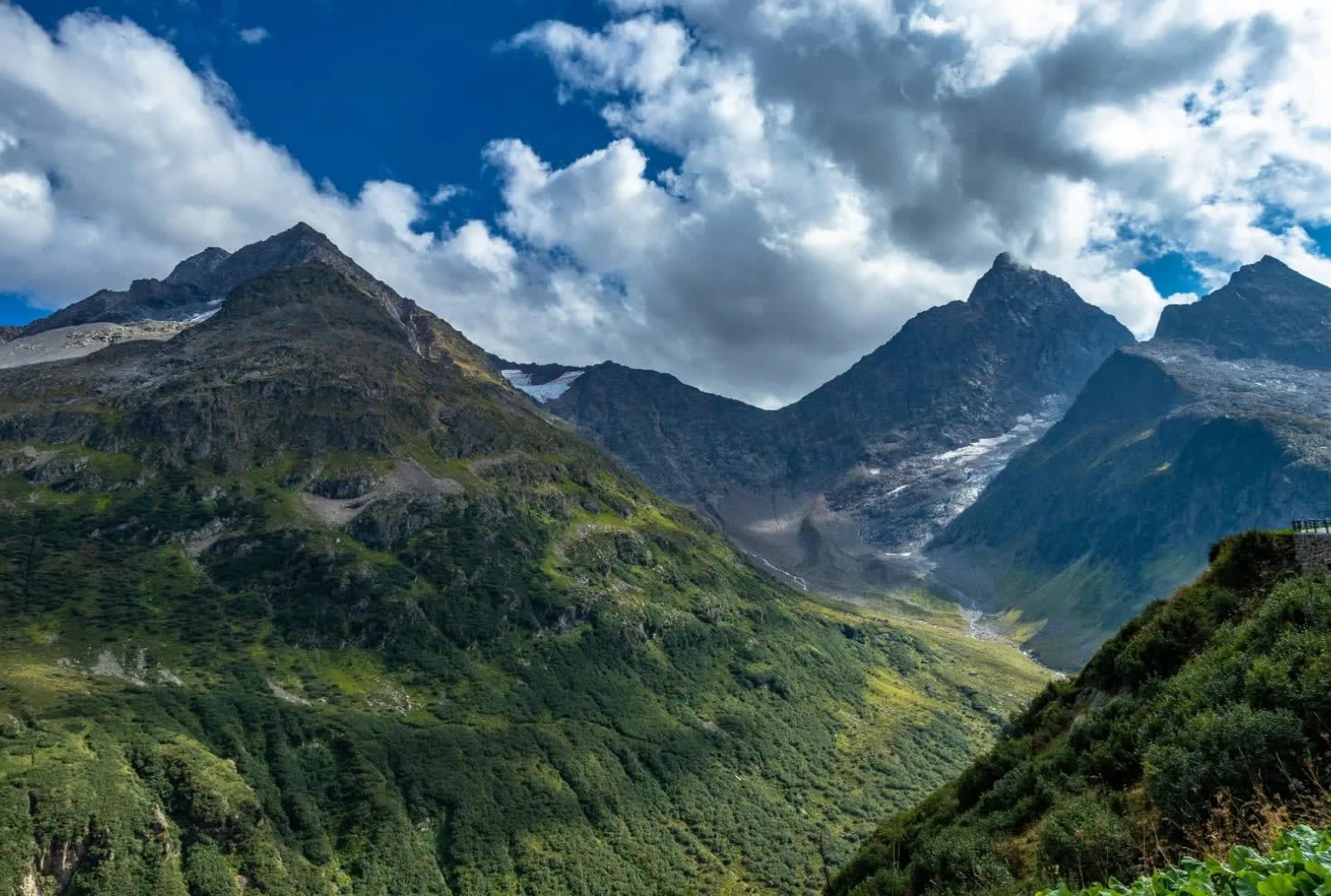
- Mountain Peaks: The park is dominated by the Picos de Europa (Peaks of Europe), a series of towering limestone peaks that rise dramatically from the surrounding landscape. The highest peak, Torre de Cerredo, reaches an elevation of 2,648 meters (8,686 feet) and offers stunning panoramic views of the surrounding region.
- Deep Valleys and Gorges: The park features deep valleys and gorges carved by glacial and river activity. Notable examples include the Cares Gorge and the Liébana Valley. These dramatic landforms create a diverse and varied landscape, providing opportunities for exploration and adventure.
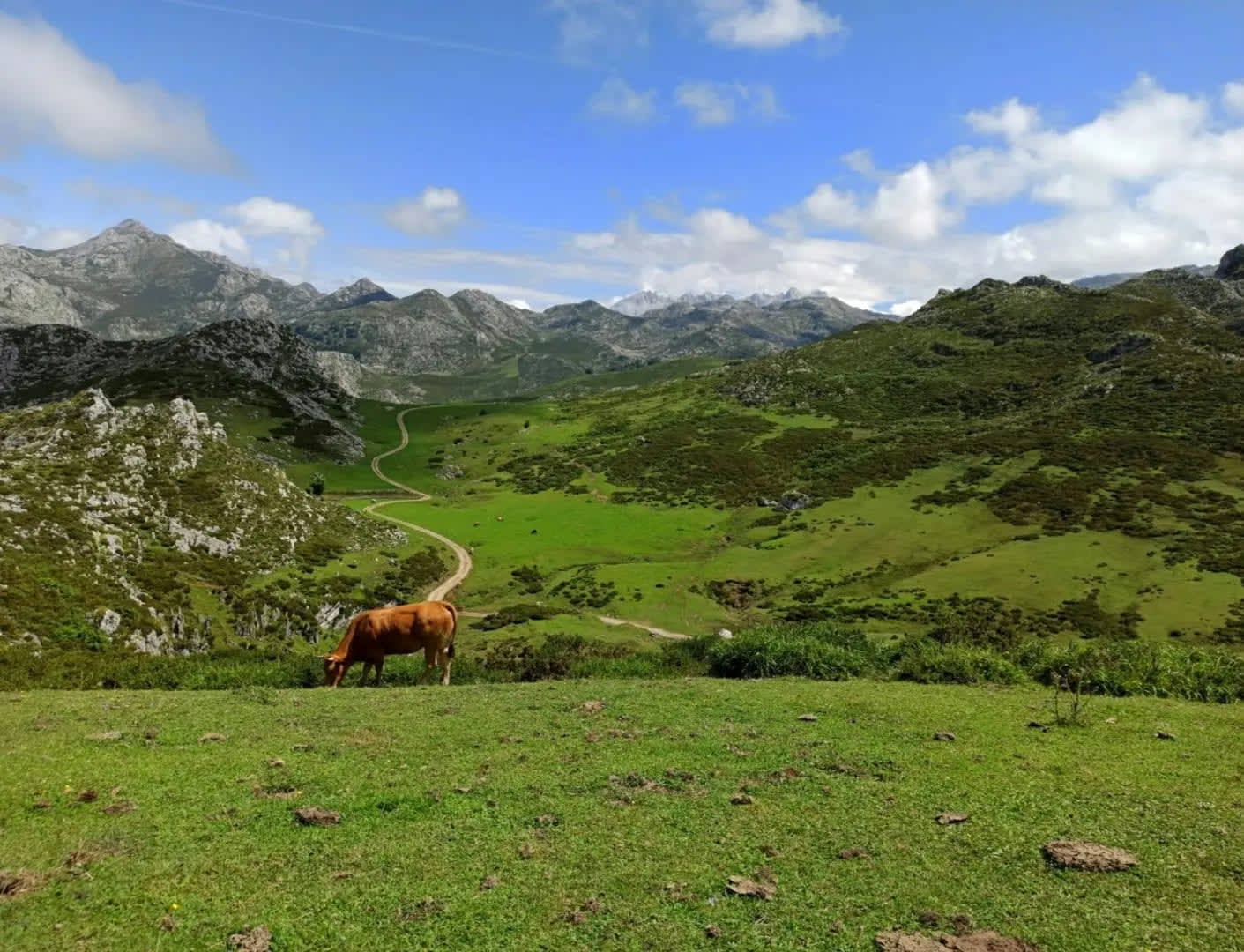
- Glacial Lakes and Rivers: The park is home to several glacial lakes and rivers, including the stunning Enol and Ercina Lakes. These bodies of water add to the park’s natural beauty and offer recreational opportunities such as fishing and kayaking.
📜 History and Cultural Significance
Historical Background: The Picos de Europa have been shaped by geological processes for millions of years, with the park’s distinctive limestone peaks resulting from ancient marine deposits and tectonic activity. The park’s natural history is a testament to the dynamic geological forces that have shaped the region.
Human Activity: The region has been inhabited since ancient times, with evidence of early human settlements and agricultural practices. The traditional use of the land for grazing and farming has influenced the landscape and contributed to the park’s cultural heritage.
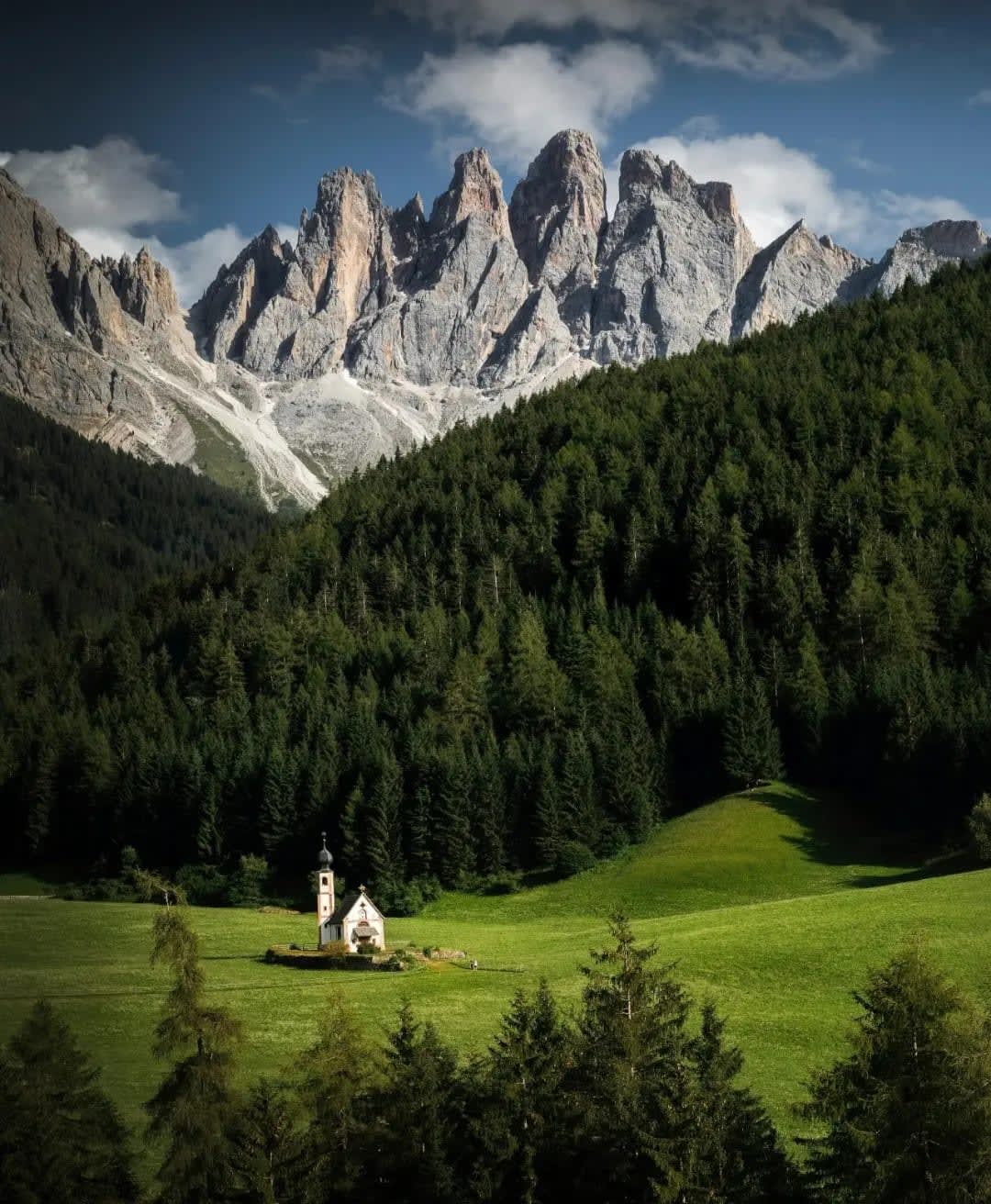
Cultural Heritage: The park’s cultural heritage includes traditional mountain villages, historical churches, and local festivals. The region’s unique cultural practices and traditions are closely tied to its natural environment, reflecting the long-standing relationship between its inhabitants and the land.
🏃 Activities and Attractions
- Hiking and Trekking: The park features an extensive network of hiking and trekking trails that cater to various skill levels. Popular routes include the Cares Trail, a scenic path through the Cares Gorge, and the ascent to the Torre de Cerredo. These trails offer stunning views and opportunities to experience the park’s diverse landscapes.
- Mountain Climbing: The park’s rugged terrain and towering peaks make it a popular destination for mountain climbing and rock climbing. Experienced climbers can tackle challenging routes on peaks such as the Naranjo de Bulnes, while beginners can enjoy guided climbing experiences.
- Wildlife Watching: The park is home to a diverse range of wildlife, including species such as the Cantabrian brown bear, chamois, and various bird species. Wildlife watching opportunities are abundant, with guided tours and observation points available for visitors.
💡 Travel Tips
Best Time to Visit: The best time to visit the park is during the spring (April to June) and autumn (September to November) when the weather is mild and the trails are less crowded. Summer is popular for hiking and climbing, but it can be busy, while winter offers opportunities for snow sports but can be cold and challenging.
Access and Transportation: The park is accessible by car from nearby towns such as Covadonga, Cangas de Onís, and Potes. There are several parking areas near popular trails and attractions. Public transportation options are limited, so renting a car or joining a guided tour is recommended for ease of access.
What to Bring: Dress in layers to accommodate changing temperatures and weather conditions. Bring comfortable hiking shoes, a map or GPS device, and plenty of water. Depending on the season, pack appropriate clothing for cold weather or sun protection for warmer days.
🌱 Conservation
Habitat Protection: Protecting the park’s diverse habitats, including its mountain ecosystems, forests, and lakes, is essential for maintaining its ecological balance. Conservation measures include managing land use, controlling invasive species, and preventing habitat degradation.
Wildlife Conservation: The park is home to several species of interest, including the Cantabrian brown bear and various bird species. Conservation programs aim to monitor and protect these species through research, habitat management, and protection measures.
Visitor Management: Managing the impact of tourism is crucial for preserving the park’s natural beauty. Regulations are in place to control access to sensitive areas, and educational resources are provided to promote responsible behavior among visitors.