Ebro Delta
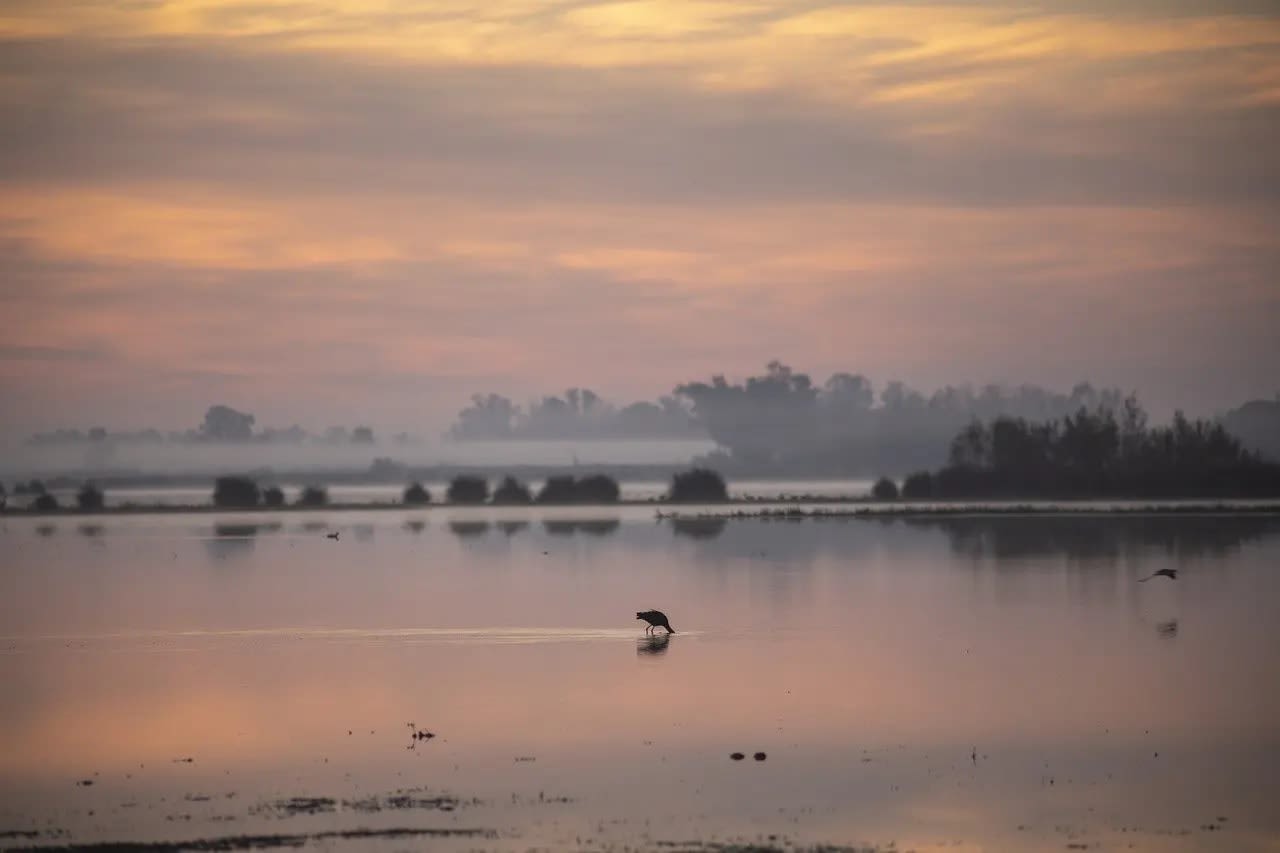
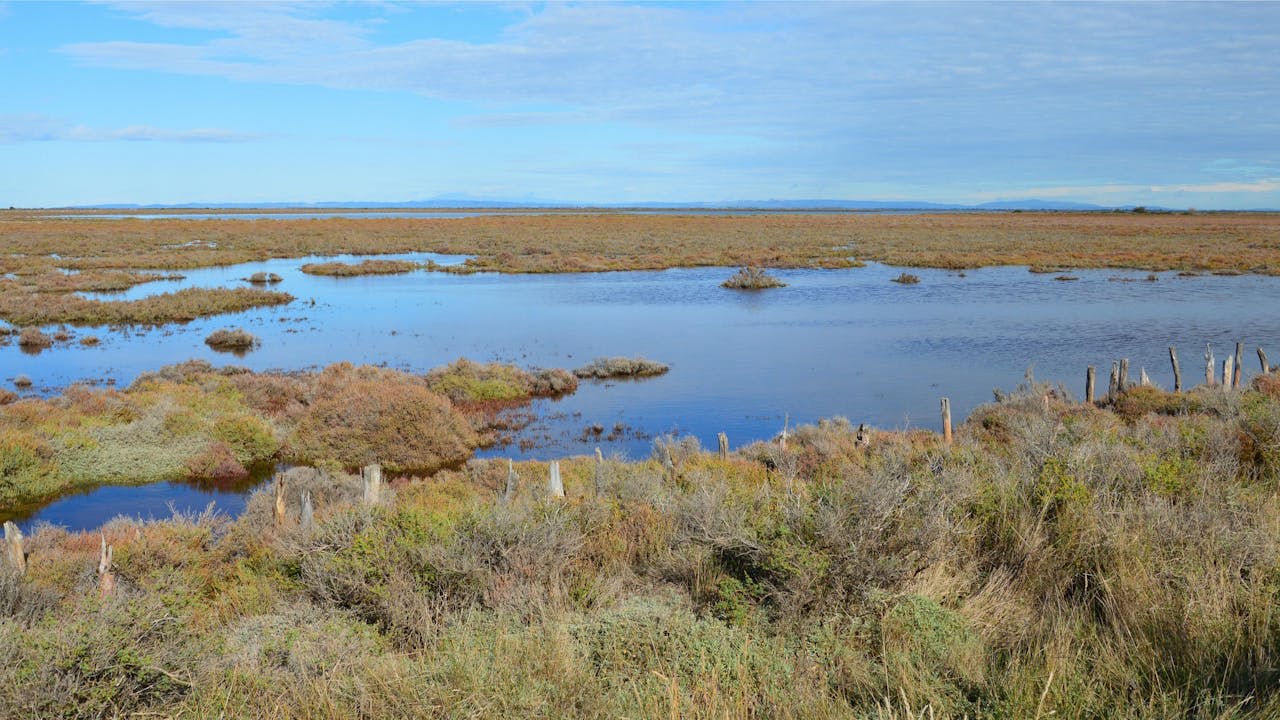
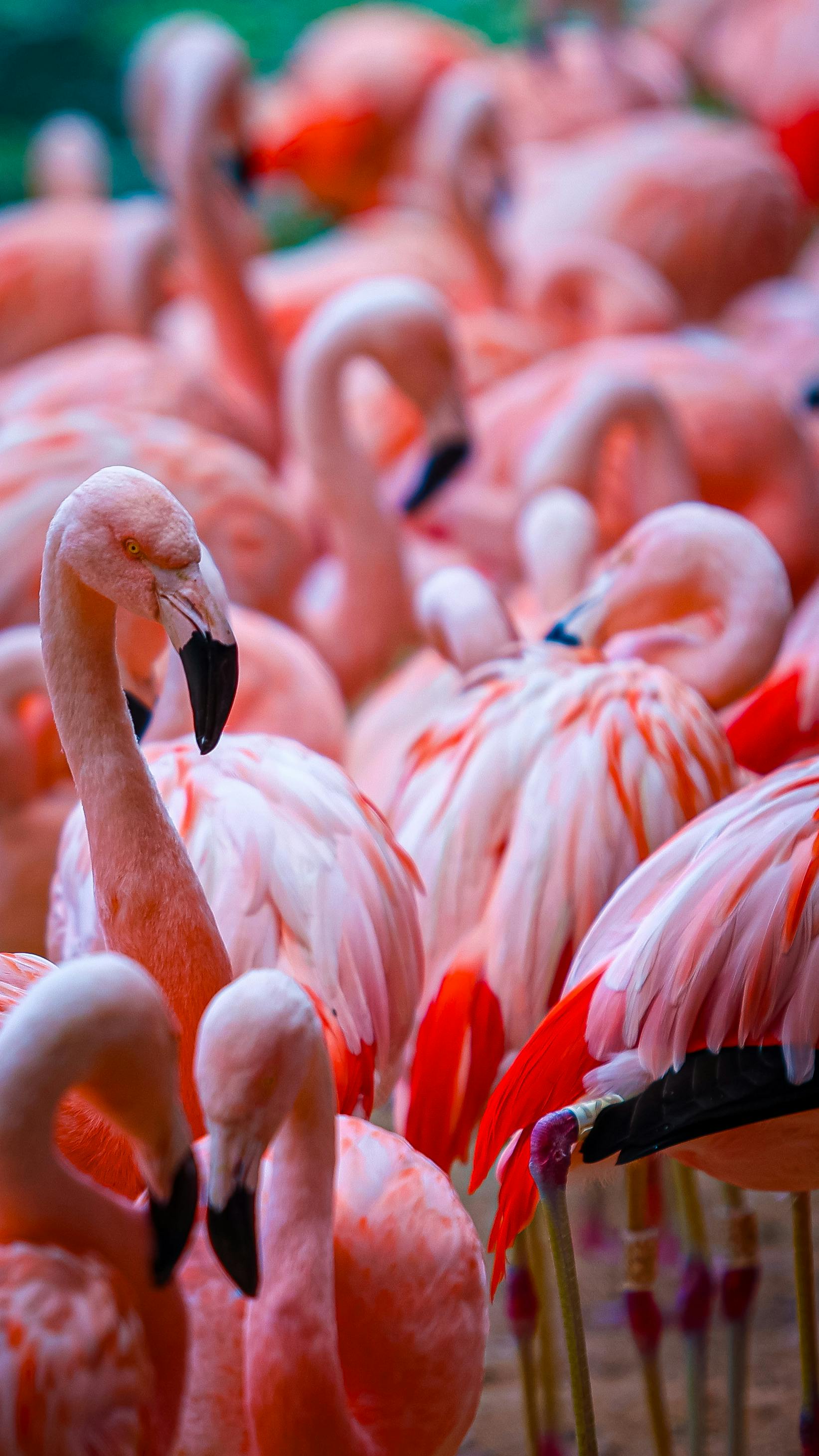
The Ebro Delta (Delta de l'Ebre) is the largest river delta in Spain — 320 km² of accumulated sediment where the Ebro, Spain's longest river, meets the Mediterranean near Tortosa in southern Catalonia. The delta is one of Europe's most important wetland and waterbird habitats: a Ramsar Wetland of International Importance and Natural Park hosting over 300 bird species, including one of Spain's largest flamingo colonies, important breeding populations of terns, herons, and ducks, and vast concentrations of migratory waders. The delta's ecology is inseparable from its agriculture: 65% of the delta surface is under rice cultivation — the flooded rice paddies providing artificial wetland habitat that many waterbirds use as intensively as the natural lagoons. The arroz del delta (Ebro Delta rice) is a regional product of quality and cultural significance. The remainder of the delta is divided between the Parc Natural del Delta de l'Ebre (7,736 ha of protected habitat) and the beach and dune systems of the outer delta peninsulas.
🌍 Geography and Ecosystem
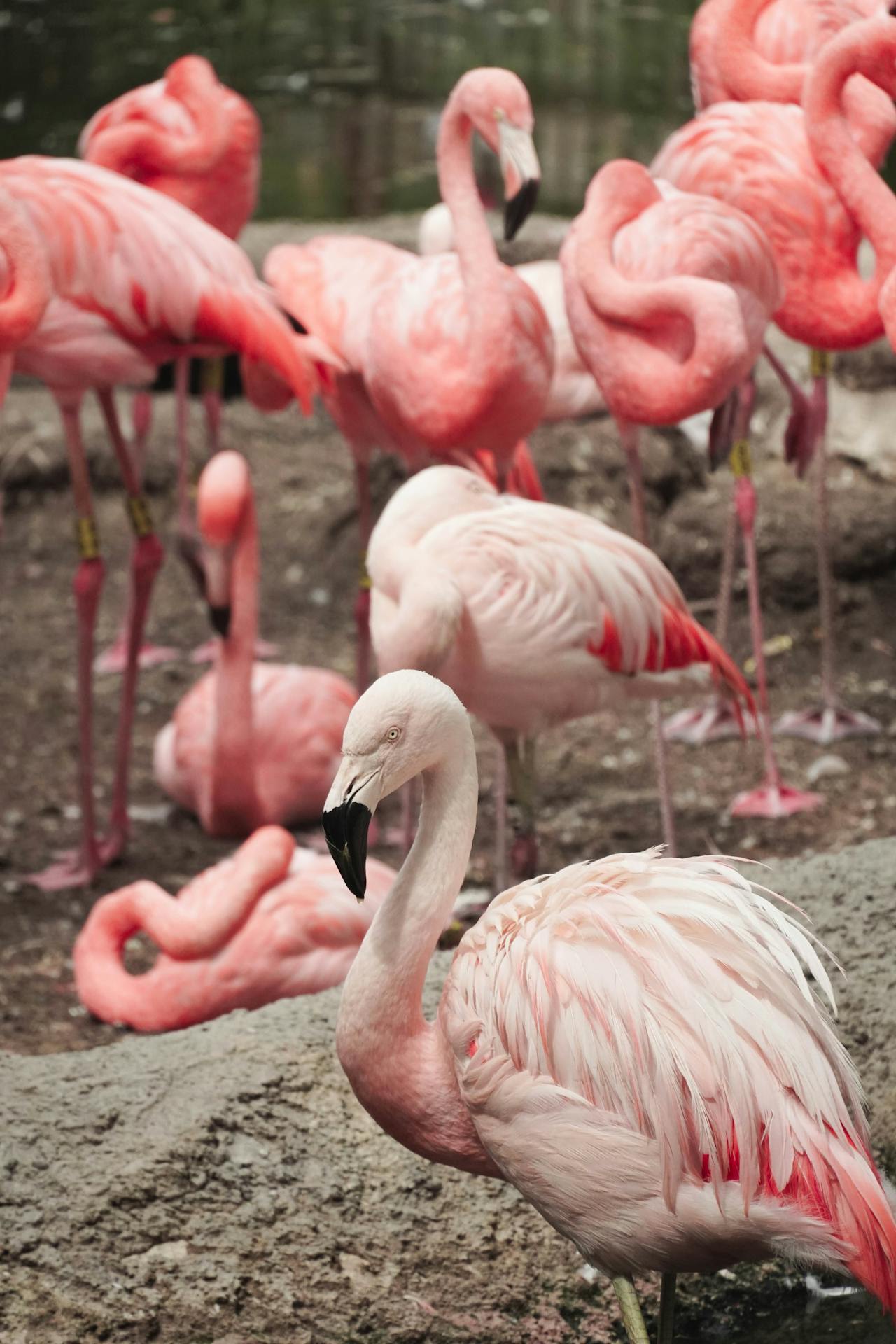
- Flamingo Colony at Punta de la Banya: The hypersaline Laguna de la Tancada and the salt pans of the Punta de la Banya peninsula at the southern edge of the delta support one of the largest flamingo concentrations in Spain — 15,000–25,000 individuals in peak months (September–March), drawn by the high invertebrate productivity of the saline shallows. The spectacle of flamingo flocks above the white salt pans and blue Mediterranean lagoon at the peninsula tip is one of the finest wildlife experiences on the Iberian Mediterranean coast.
- Rice Fields as Habitat: The Ebro Delta's rice paddies — flooded from May to October, then drained and left as wet stubble through winter — provide habitat to thousands of waterbirds. Purple herons, night herons, squacco herons, and little egrets breed in the delta's reed-bordered rice field margins. Marsh harriers quarter the fields continuously. Post-harvest flooding in October–November attracts enormous concentrations of coots, ducks, and waders — the delta's finest birding is in late October when rice harvest leaves flooded stubble fields accessible to thousands of birds across the full delta surface.
- Outer Delta Beaches: The delta's seaward face consists of two long, narrow sand spits — the Punta del Fangar to the north and the Punta de la Banya to the south — enclosing shallow coastal lagoons. The outer beaches are largely undeveloped — long stretches of fine sand with no services, backed by dune scrub and open lagoon, with the Mediterranean in front. The Punta del Fangar beach is the wildest, accessible by track from the village of Deltebre and offering some of the finest isolated beach walking in Catalonia.
- Migratory Concentration: The delta's position on the western Mediterranean flyway makes it one of the premier migration watchpoints in Spain. October–November and March–April concentrations include purple gallinule, slender-billed gull, Audouin's gull (breeding colony of 1,000+ pairs at Punta de la Banya), black-winged stilt, avocet, and both Eurasian and Spotted curlew. The delta hosts breeding populations of the globally threatened fartet (Aphanius iberus) — an endemic Iberian toothcarp fish now restricted to a handful of Catalonian wetlands.
📜 History and Cultural Significance
The Battle of the Ebro (July–November 1938) — the bloodiest engagement of the Spanish Civil War, fought along the Ebro River immediately upstream of the delta — transformed the rural landscape of the Terres de l'Ebre region. Over 35,000 soldiers died in 115 days of fighting across terrain that is now agricultural and wetland. Several battlefield commemorative sites and the Museu de les Terres de l'Ebre at Amposta preserve this history in the context of a landscape now devoted entirely to rice farming and waterbird conservation.
🏃 Activities and Attractions
- Bird Watching at the Lagoons: The Parc Natural visitor centre at Deltebre provides route maps to the major observation hides (observatoris) around the delta lagoons. Key sites include: the Llacuna de Encanyissada (large lagoon with observation tower, good for duck, flamingo, and marsh harrier); the Llacuna de la Tancada and adjacent salt pans (flamingo concentration, Audouin's gull); and the Punta del Fangar hide (tern nesting colonies in summer, wader concentration on autumn migration). Dawn and dusk visits are most productive — the flat delta light in early morning is exceptional for photography.
- Cycling the Rice Fields: The delta is flat (maximum elevation 5 m) and criss-crossed by a network of tracks through rice fields and canal banks — ideal cycling terrain. Several operators in Deltebre and Les Cases d'Alcanar hire bikes and provide route maps for self-guided circuits of 20–50 km through the full delta. Cycling the outer delta track to Punta del Fangar (12 km from Deltebre) along the beach-backed lagoon edge is the finest of the cycling routes.
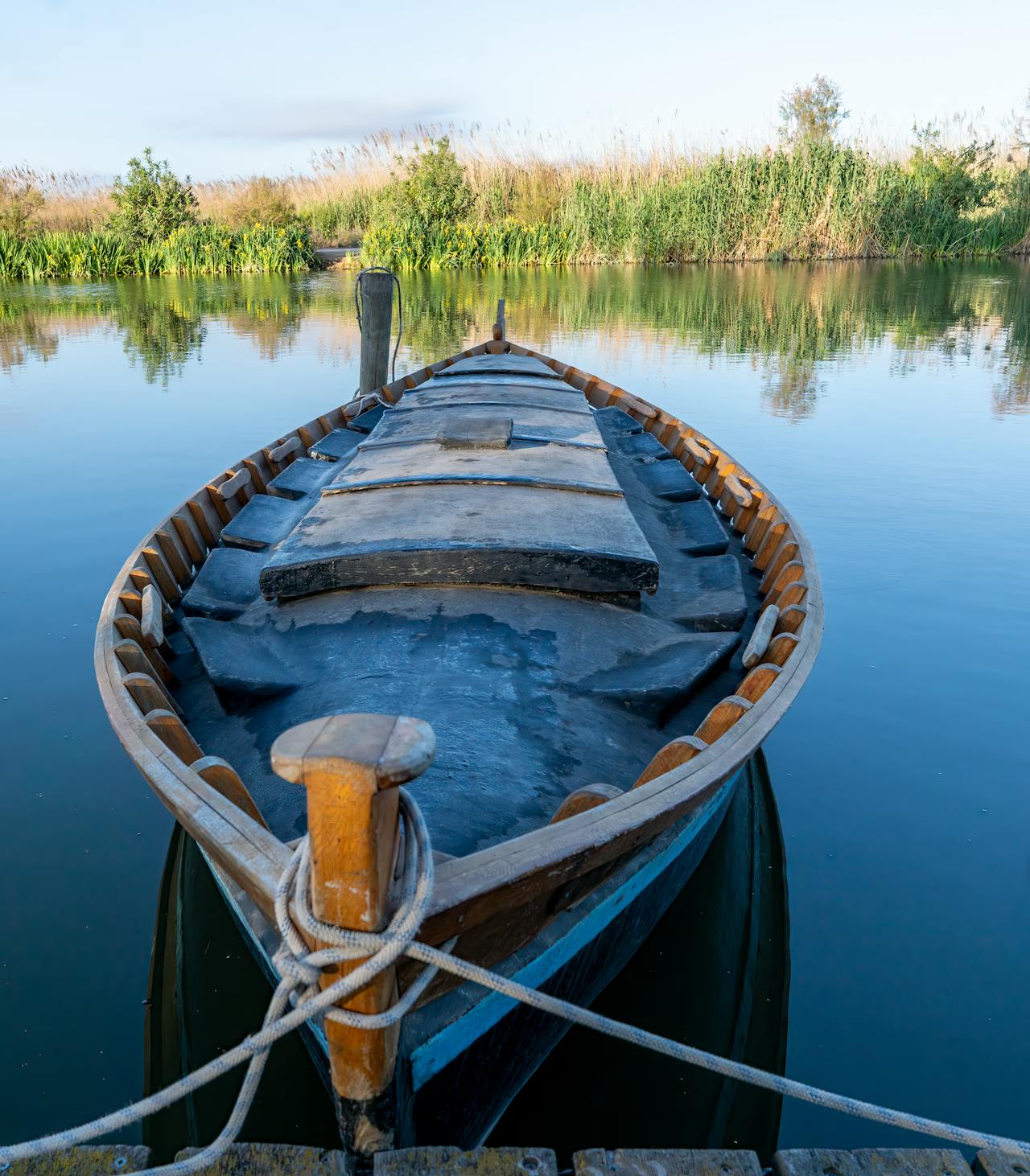
- Boat Tour on the Ebro: Guided boat tours from Deltebre navigate the lower Ebro channel — the delta section where the river flows broad and slow between reed-fringed banks, with otters, kingfishers, and riverside bird life accessible from the water. The boats reach the river mouth bar, where the brown Ebro water meets the blue Mediterranean in a visible sediment plume, and return upstream through the rice field canal network.
- Delta Rice Gastronomy: The arroz del delta — grown in the mineral-rich silts of the Ebro floodplain — is considered one of the finest rice varieties in Spain, used in traditional Catalan and Valencian rice dishes. Several delta farms offer rice harvest experiences in September–October, and the rice museum (Casa de Fusta) at Poblenou del Delta provides interpretation of the century-old rice culture. The delta's seafood — mussels, clams, eels, and sea bass from the lagoons — is consumed in the local arrosseries (rice restaurants) of Amposta, Deltebre, and Sant Carles de la Ràpita.
💡 Travel Tips
Best Season: October–November is the finest period — rice harvest creates optimal wetland conditions, autumn migration is at peak, flamingo concentrations are highest, and the flat delta light is extraordinary in the low autumn sun. February–March brings the first spring migrants and flamingo courtship displays. May–June is active for breeding herons and terns but visibility is reduced by vegetation height. July–August is hot (35°C+) and the agricultural activity reduces accessible wetland areas.
Accommodation: Deltebre has several modest hotels and rural guesthouses. Sant Carles de la Ràpita on the southern delta edge has a wider range including a marina hotel and more restaurants. Amposta, the delta's main town, is the largest base with the best transport connections. Wild camping is prohibited within the park.
🌱 Conservation
The Generalitat de Catalunya (Catalan regional government) has commissioned studies into managed retreat, sediment bypass systems to restore sediment supply, and dune and beach reinforcement — but no comprehensive solution has been implemented. The tension between agricultural interests (rice farmers, who have water use rights established for over a century) and environmental management (which requires different water management regimes for optimal bird habitat) complicates delta governance. The Audouin's gull colony — one of the most significant population recoveries in the western Mediterranean — is considered particularly vulnerable to sea level rise flooding of its low-lying nesting beaches.