
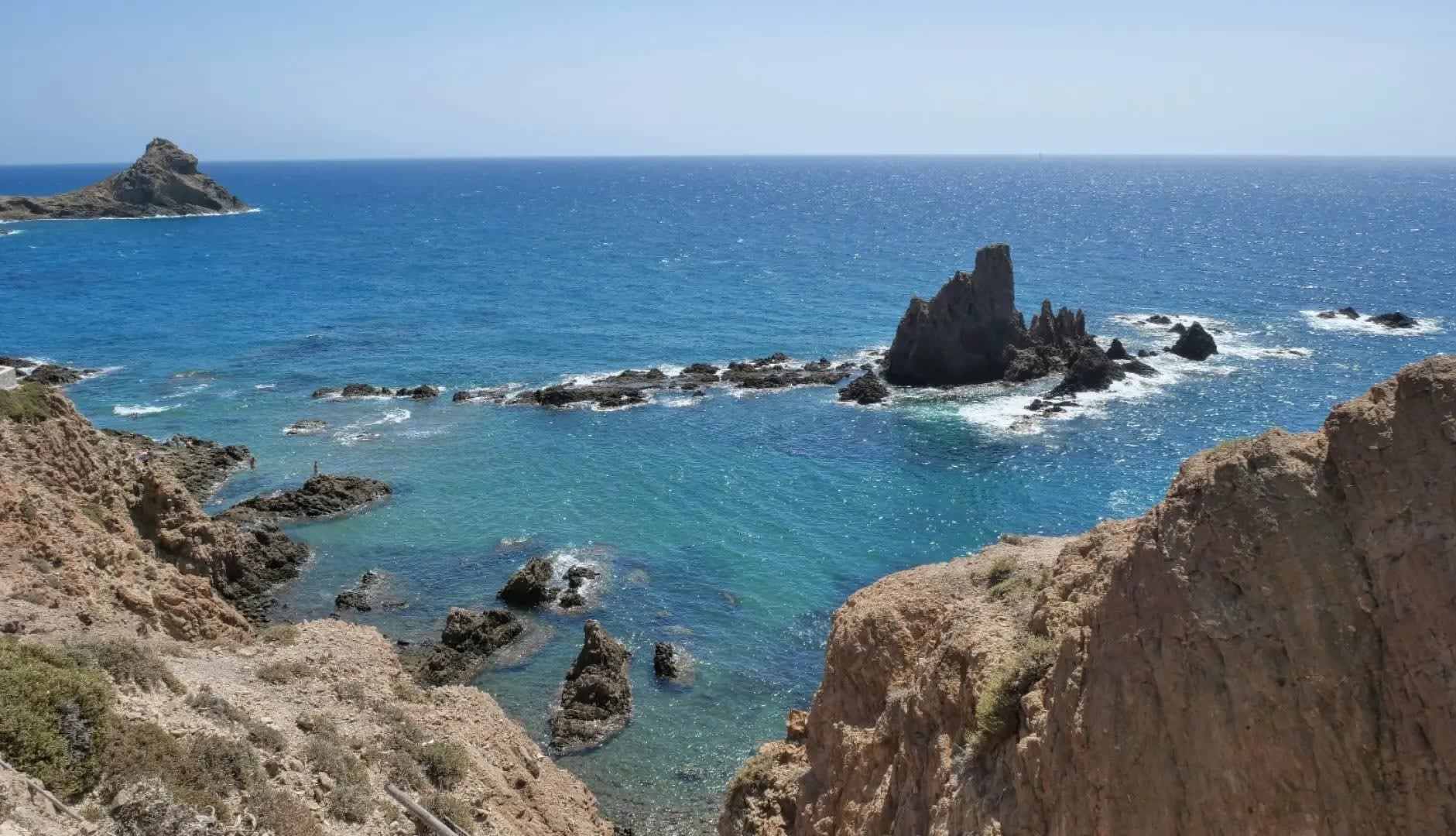
Cabo de Gata
Cabo de Gata, located in the southeastern corner of Spain in the province of Almería, is a stunning natural area renowned for its dramatic coastal landscapes, rich biodiversity, and unique geological formations. As part of the Cabo de Gata-Níjar Natural Park, this region encompasses a diverse range of environments, from arid deserts to pristine beaches and rugged cliffs. Designated as a natural park in 1987 and a UNESCO Biosphere Reserve in 1997, Cabo de Gata offers visitors an unparalleled experience of Spain’s natural beauty. This guide provides an in-depth look at Cabo de Gata’s geography, history, attractions, travel tips, conservation efforts, and visitor experiences, showcasing why it is considered one of Spain’s most breathtaking natural destinations.
🌍 Geography and Natural Features
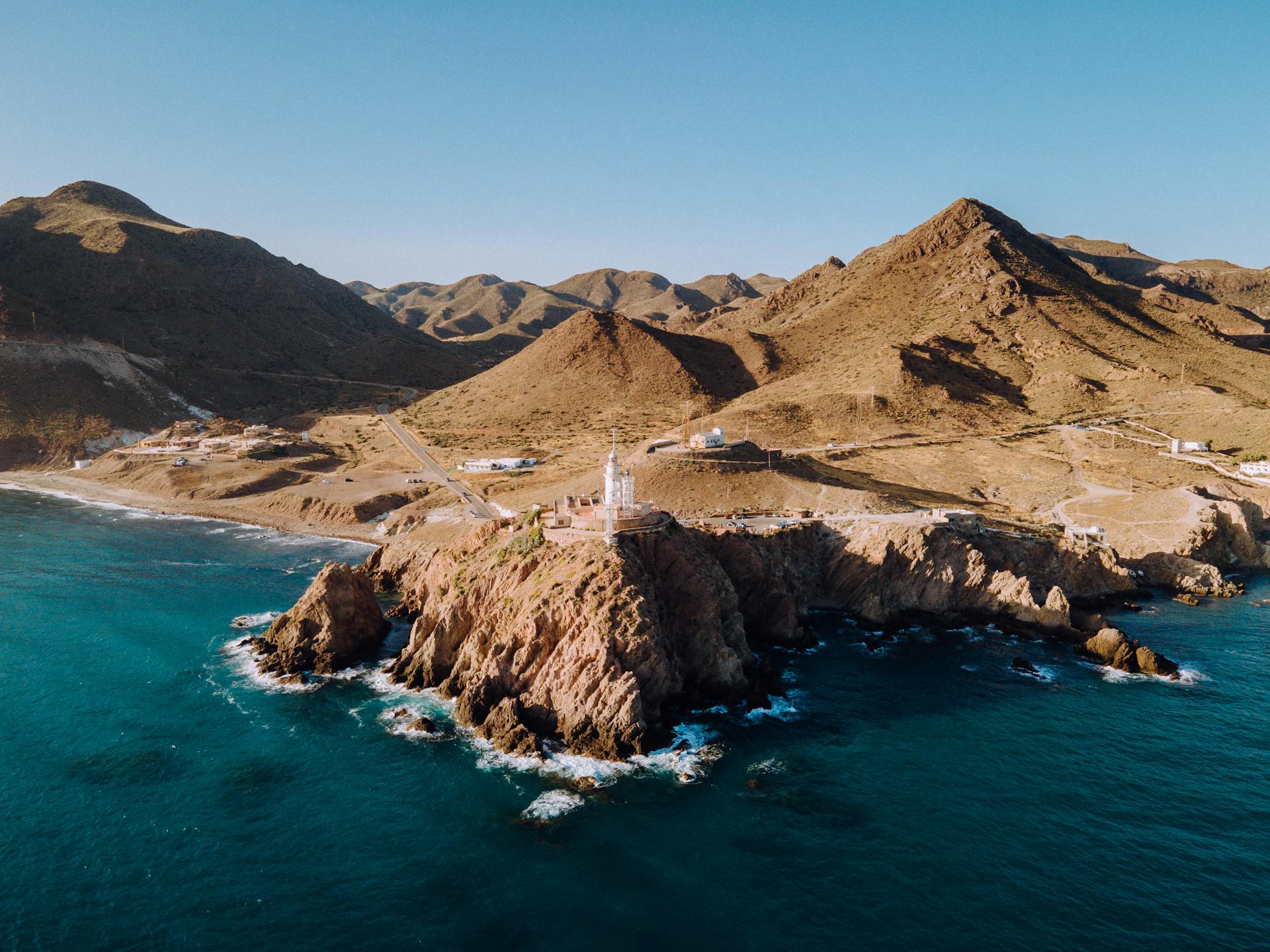
- Volcanic Formations: Cabo de Gata is renowned for its volcanic origins, which have resulted in dramatic geological features such as craggy cliffs, rugged hills, and barren landscapes. The park’s volcanic formations are a key aspect of its geological heritage, offering insights into the region’s volcanic history.
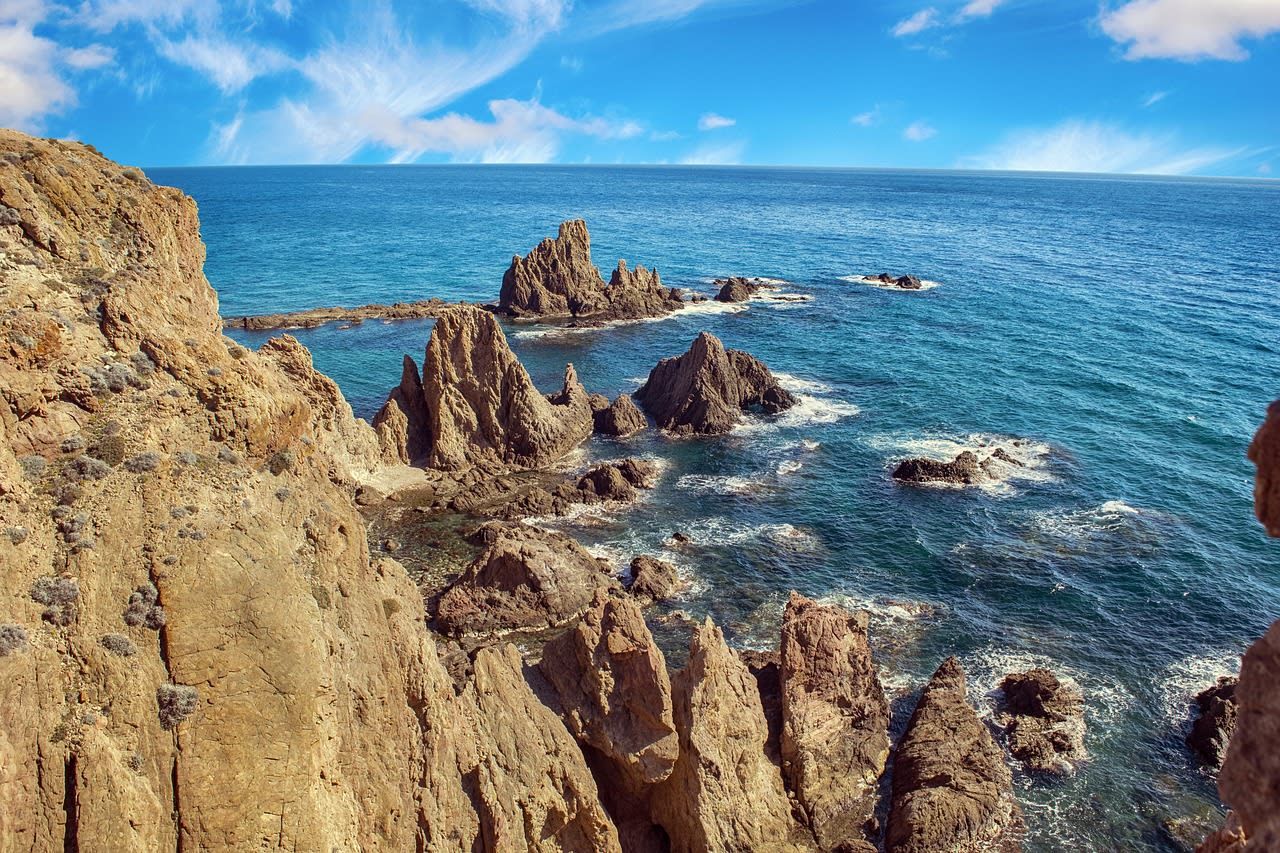
- Coastal Cliffs and Beaches: The park’s coastline is marked by impressive cliffs and secluded coves, including the iconic cliffs of Los Muertos and the serene Playa de Mónsul. These coastal features create stunning vistas and provide opportunities for relaxation and exploration.
- Arid Landscapes: The region’s arid and semi-arid conditions result in a unique desert-like environment characterized by sparse vegetation, dry riverbeds, and rocky terrain. The contrast between the arid interior and the lush coastal areas adds to the park’s diverse natural beauty.
📜 History and Cultural Significance
Historical Background: The Cabo de Gata region has been shaped by geological processes over millions of years, with volcanic activity playing a significant role in its formation. The area’s unique landscapes and geological features have long been a subject of scientific study and interest.
Human Activity: The region has been inhabited since ancient times, with evidence of early human settlements and activities. Historically, the area’s coastal location made it an important site for maritime trade and fishing. The park’s historical significance is reflected in its archaeological sites and historical landmarks.
Cultural Heritage: Cabo de Gata’s cultural heritage includes traditional fishing practices, historical lighthouses, and local festivals. The region’s cultural traditions are intertwined with its natural environment, reflecting the long-standing relationship between its inhabitants and the land.
🏃 Activities and Attractions
- Hiking and Nature Walks: The park features a network of hiking trails that allow visitors to explore its diverse landscapes. Popular trails include the route to the lighthouse at Cabo de Gata and the scenic path to Playa de Mónsul. These trails offer stunning views and opportunities to experience the park’s unique natural environment.
- Beach Visits: Cabo de Gata is home to several beautiful beaches, including Playa de Mónsul, Playa de los Genoveses, and Playa de los Muertos. These beaches are known for their pristine sands, clear waters, and picturesque settings, making them ideal for sunbathing, swimming, and relaxing.
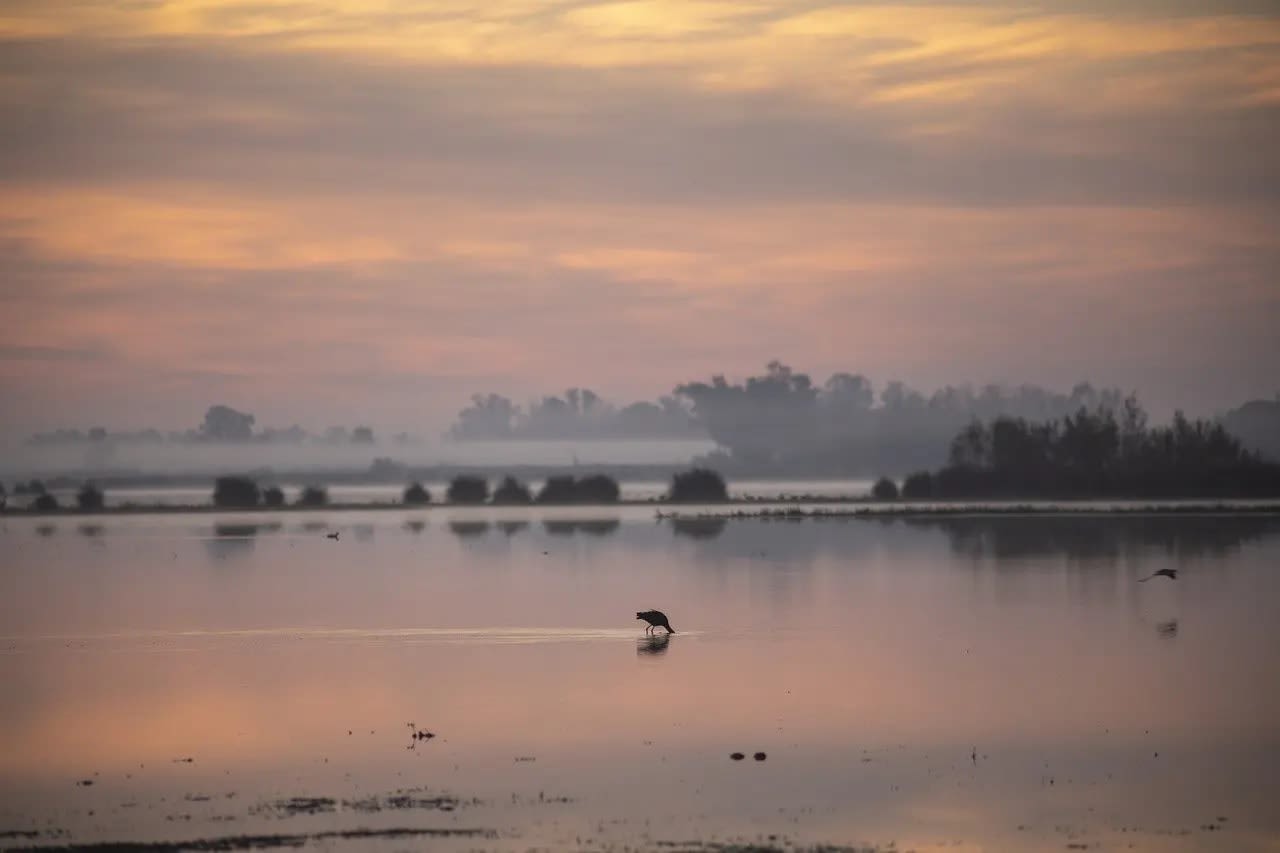
- Wildlife Watching: The park’s diverse ecosystems support a variety of wildlife, including birds, reptiles, and marine species. Birdwatching opportunities are particularly abundant, with species such as the Audouin’s gull and the common kestrel frequently observed in the area.
💡 Travel Tips
Best Time to Visit: The best time to visit Cabo de Gata is during the spring (April to June) and autumn (September to November) when the weather is mild and pleasant. Summer can be hot, with temperatures often exceeding 30°C (86°F), while winter temperatures are generally mild but can be windy.
Access and Transportation: The park is accessible by car from nearby towns such as Almería and Níjar. There are several parking areas near popular sites and trails. Public transportation options are limited, so renting a car or joining a guided tour is recommended for ease of access.
What to Bring: Dress in lightweight, breathable clothing for the warm temperatures, and bring sun protection such as sunscreen, a hat, and sunglasses. Comfortable walking shoes are essential for hiking and exploring the park’s trails. Don’t forget to bring plenty of water, especially during the hotter months.
🌱 Conservation
Habitat Protection: Protecting the park’s diverse habitats, including its coastal and arid environments, is crucial for maintaining its ecological balance. Conservation measures include managing land use, controlling invasive species, and preventing habitat degradation.
Wildlife Conservation: The park is home to several species of interest, including birds and marine life. Conservation programs aim to monitor and protect these species through research, habitat management, and protection measures.
Visitor Management: Managing the impact of tourism is essential for preserving the park’s natural beauty. Regulations are in place to control access to sensitive areas, and educational resources are provided to promote responsible behavior among visitors.