Zabaykalsky Krai
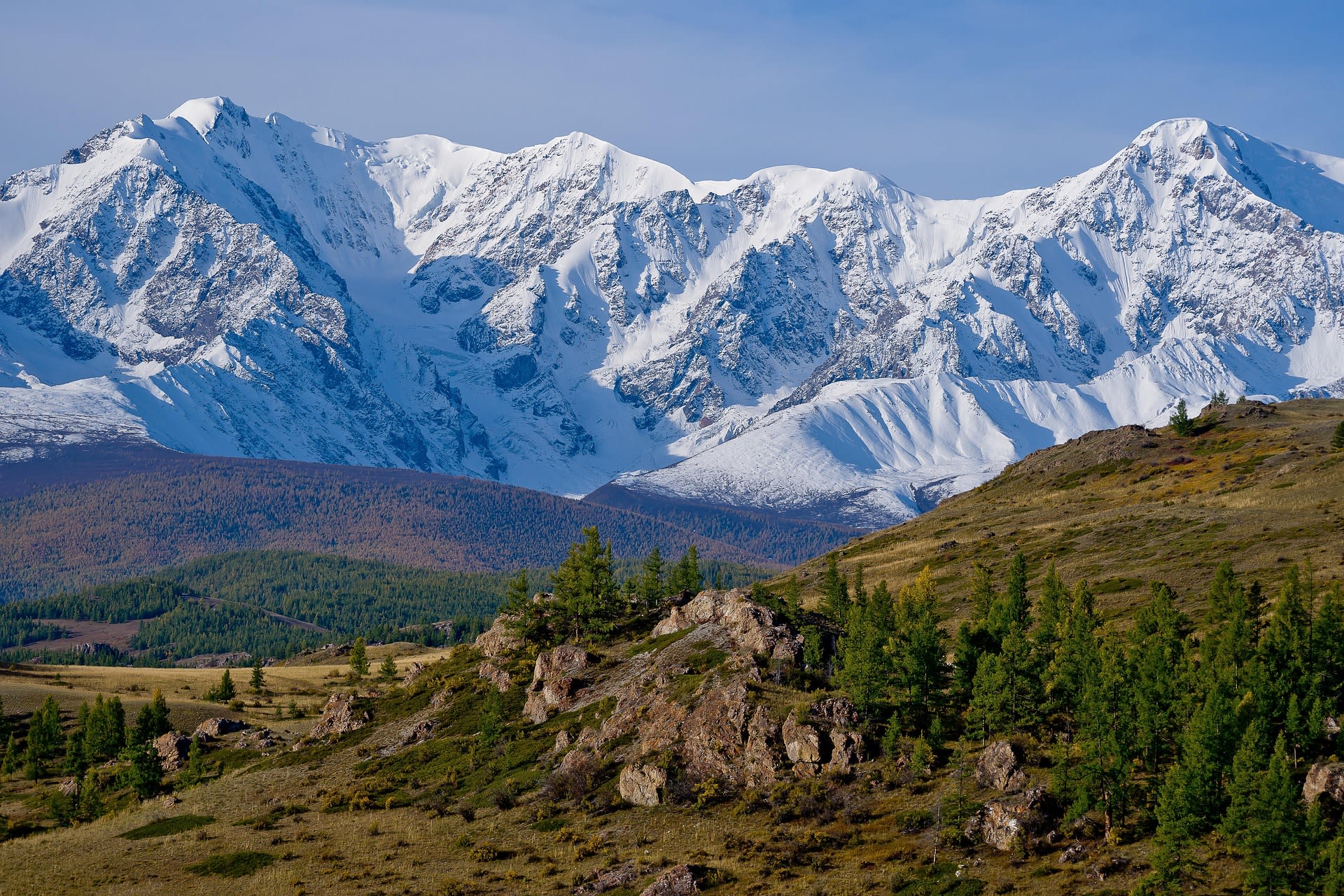
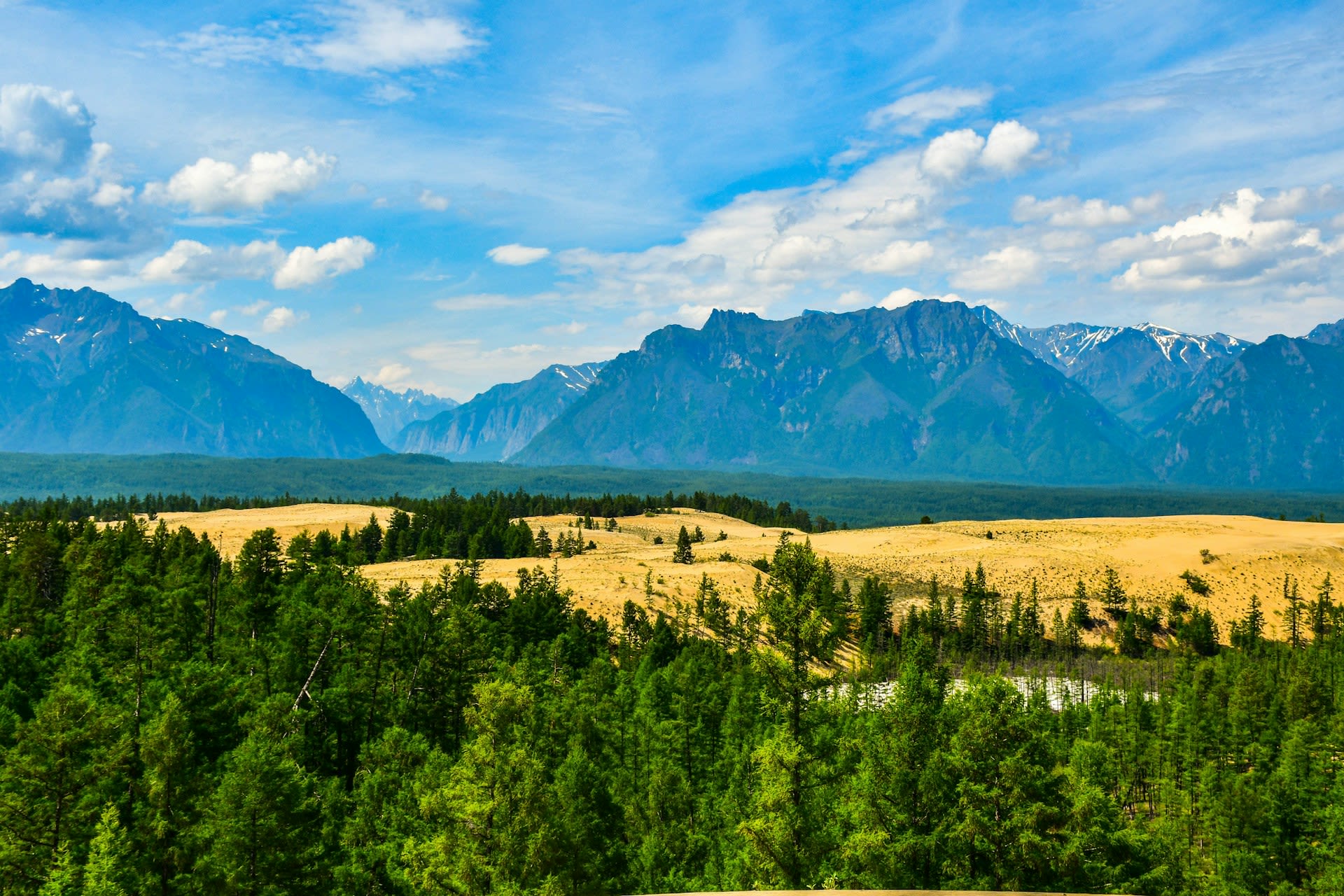
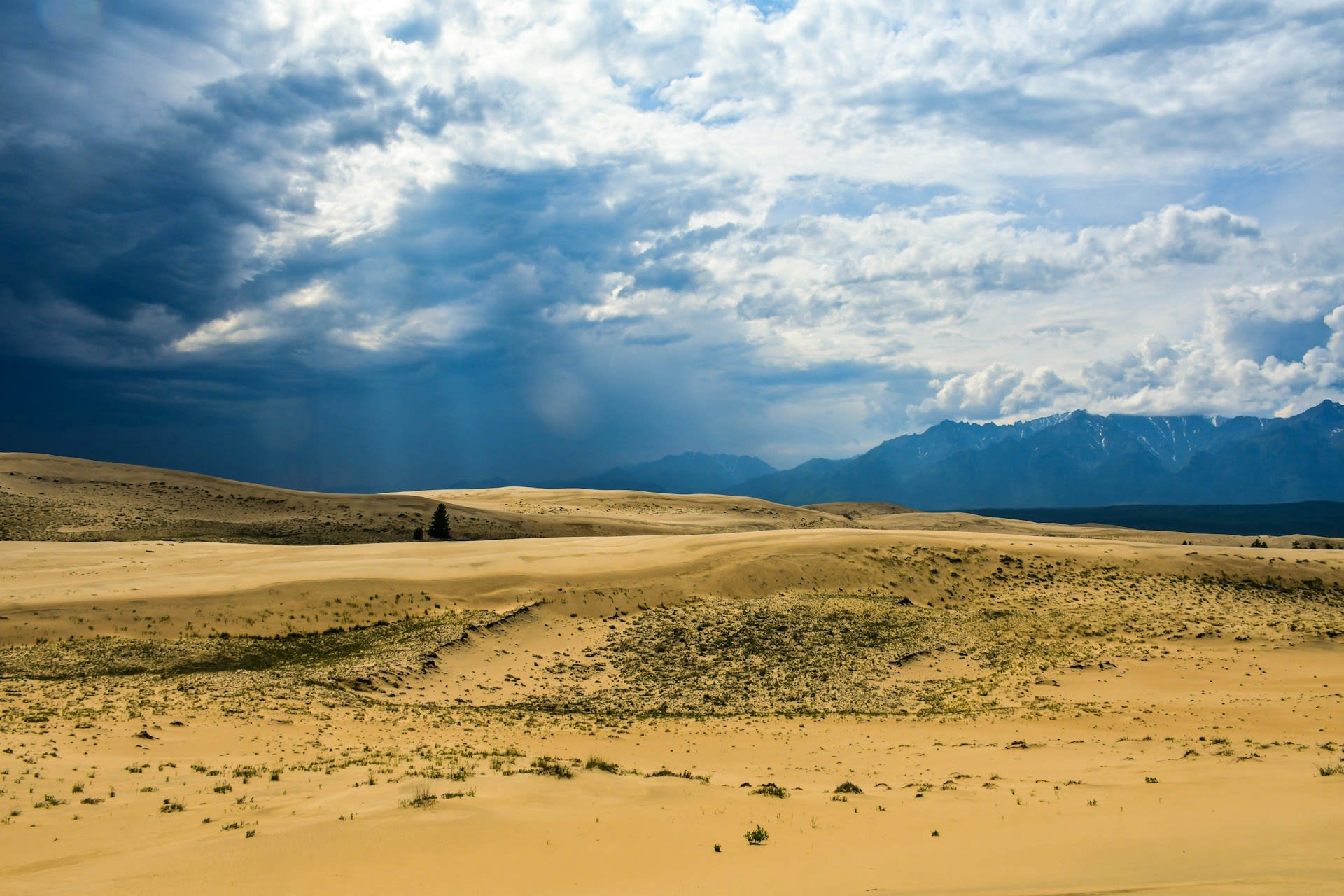
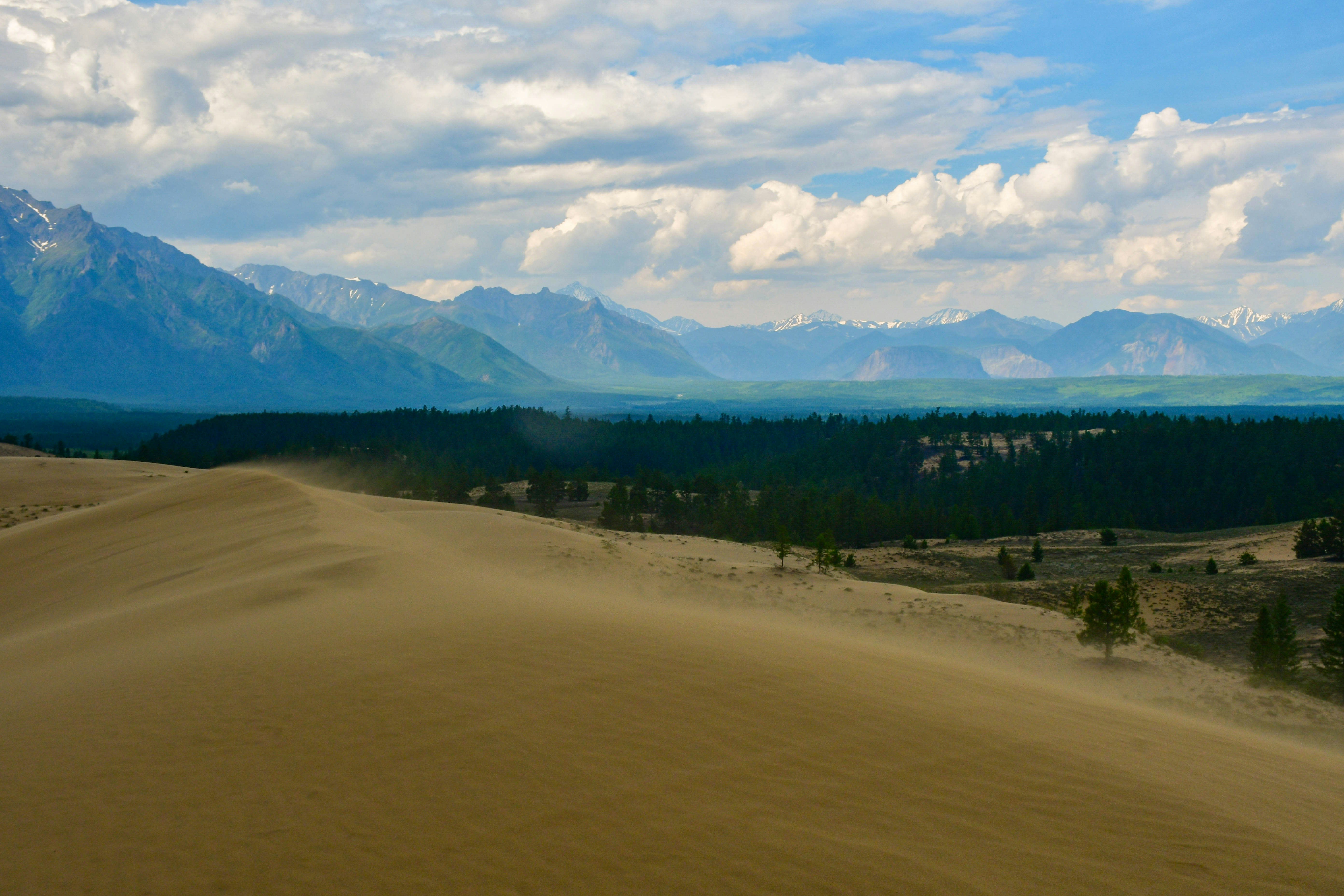
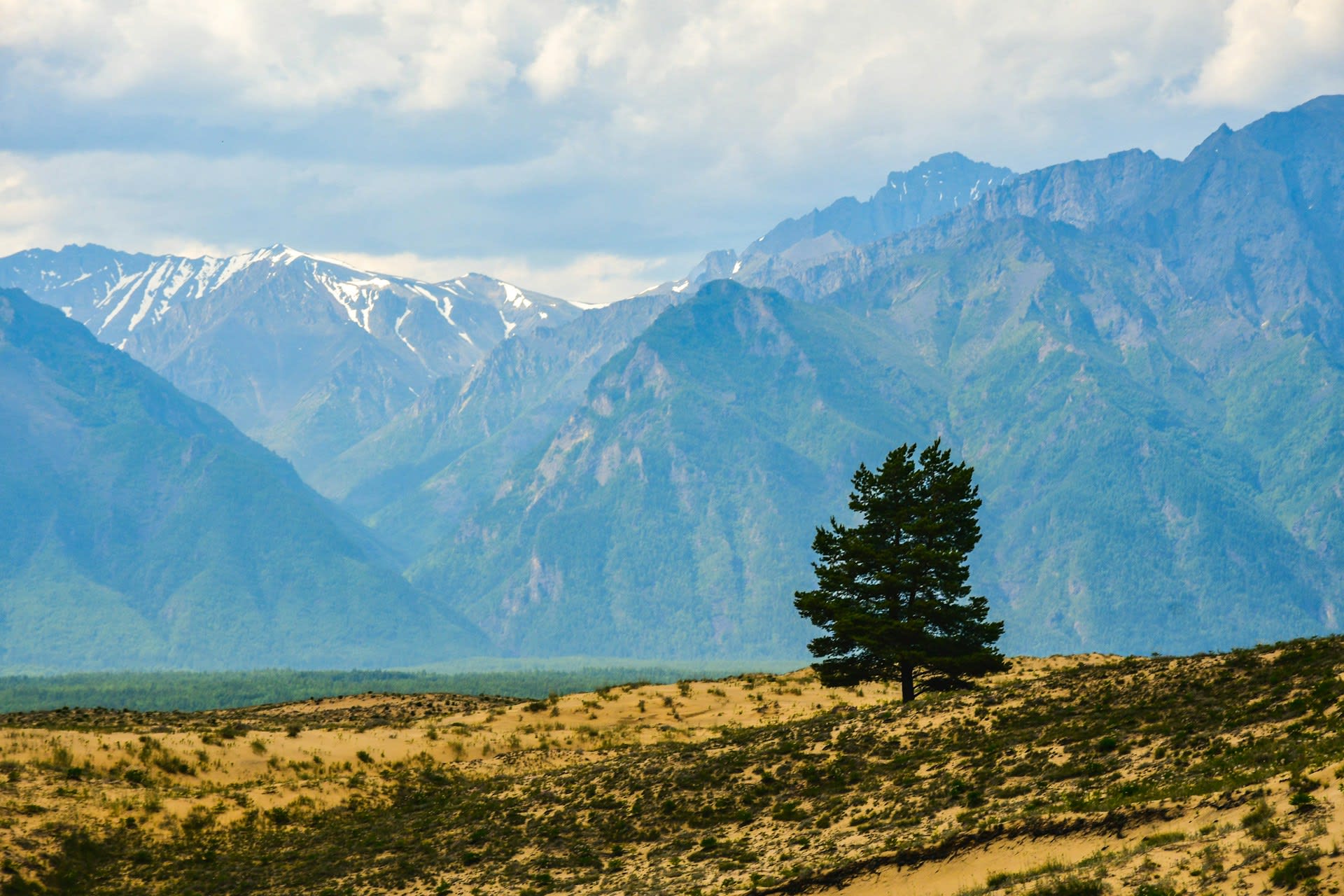
Zabaykalsky Krai (Trans-Baikal Territory) is one of Russia's largest and most remote federal subjects, stretching from the eastern shore of Lake Baikal to the borders of Mongolia and China. A land of continental extremes — scorching summers and brutally cold winters — it encompasses vast Dahurian steppe, dense larch taiga, dramatic river gorges, and a section of the Lake Baikal shoreline protected within Zabaykalsky National Park. Its remoteness and sparse population have preserved extraordinary wilderness largely unknown to the outside world.
🌍 Geography and Ecosystem
The Trans-Baikal region is a transitional zone between Siberian taiga and Central Asian steppe, with a unique mix of ecosystems:
- Dahurian Steppe: The southern part of the Krai merges into the Dahurian steppes — a UNESCO-listed natural landscape shared with Mongolia, home to Mongolian gazelle, marmots, Daurian jackdaws, and migratory crane species.
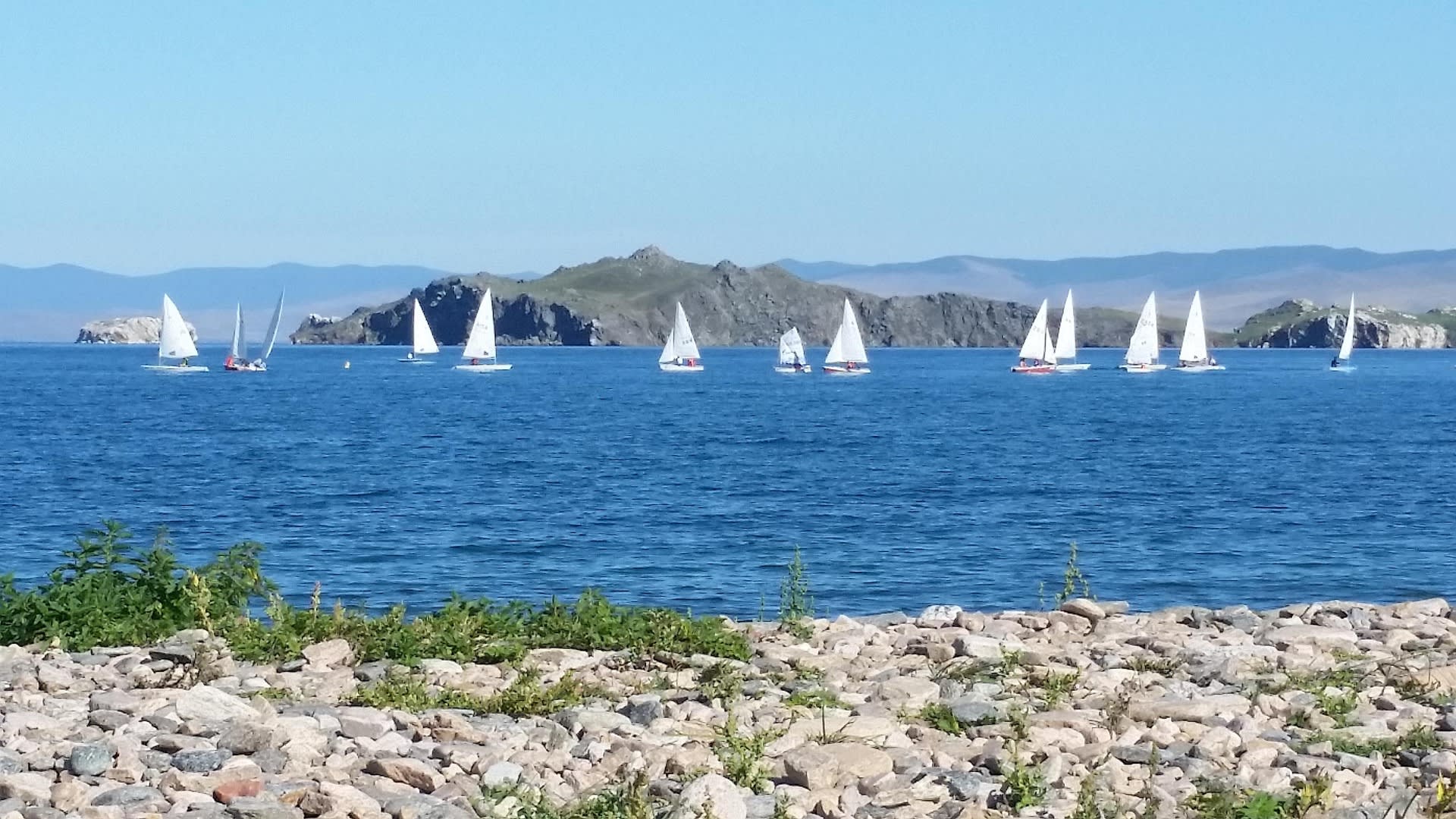
- Zabaykalsky National Park: Protecting the eastern Baikal peninsula and the Ushkany Islands — breeding habitat for the endemic Baikal seal — this park is one of the most remote sections of the Baikal World Heritage area.
- River Systems: The Amur, Shilka, and Onon rivers originate in Zabaykalsky Krai. The Onon is historically significant as the birthplace region of Genghis Khan.
- Mineral Landscapes: The region contains diverse mineral deposits including uranium, gold, copper, and rare earth elements, some exposed in dramatic coloured rock formations.
📜 History and Cultural Significance
The Trans-Baikal steppe was the heartland of multiple nomadic empires. The Xiongnu, Turks, and Mongols all used this landscape as a base for their movements across Inner Asia. The Onon River region near Nerchinsk is venerated as the cradle of the Mongol Empire — Genghis Khan (Temujin) was born near here around 1162. The Nerchinsk Treaty of 1689 between Russia and the Qing Empire — the first treaty between Russia and China — was signed in Zabaykalsk, fixing the border that largely persists today. The region served as a destination for political exiles under the Tsars, including Decembrist revolutionaries, and later housed major Soviet-era Gulag camps.
🏃 Activities and Attractions
Zabaykalsky Krai rewards intrepid travellers seeking genuinely remote wilderness:
- Zabaykalsky National Park: Boat and hiking access to the remote Svyatoi Nos Peninsula, the Ushkany Islands for seal watching, and the wild eastern Baikal shore.
- Steppe Wildlife: The Dahurian steppe offers extraordinary wildlife viewing including herds of Mongolian gazelle numbering in the thousands during migration.
- River Expeditions: Rafting the upper Shilka and Onon rivers through remote taiga gorges is an adventurous way to experience the region's wild interior.
- Historical Sites: The old mining town of Nerchinsk and former Decembrist exile sites offer windows into the region's layered history.
💡 Travel Tips
How to Get There: Fly to Chita, the regional capital, from Moscow (6 hours) or take the Trans-Siberian Railway. From Chita, the national park and other destinations require additional road or boat travel. Coordinates: 52.0° N, 117.0° E.
Best Time to Visit: June–August for accessible roads and pleasant temperatures. Winter brings extreme cold (down to -40°C) but extraordinary light and clear skies.
What to Bring: Self-sufficiency is important — carry extra fuel, food, and camping gear. Medical facilities are sparse outside Chita.
Accommodation: Chita has standard city hotels. The national park has basic accommodation at Ust-Barguzin. Wilderness camping is the norm elsewhere.
Best Time to Visit: June–August for accessible roads and pleasant temperatures. Winter brings extreme cold (down to -40°C) but extraordinary light and clear skies.
What to Bring: Self-sufficiency is important — carry extra fuel, food, and camping gear. Medical facilities are sparse outside Chita.
Accommodation: Chita has standard city hotels. The national park has basic accommodation at Ust-Barguzin. Wilderness camping is the norm elsewhere.
🌱 Conservation
The Dahurian Steppe UNESCO World Heritage landscape covering the Mongolia-Russia-China borderlands is one of the world's most important grassland ecosystems, supporting a third of the world's Mongolian gazelle population. Threats include agricultural conversion, poaching, and infrastructure development along transport corridors to China. Zabaykalsky National Park faces challenges from inadequate funding, illegal fishing of Baikal omul and poaching of the endemic Baikal seal. International cooperation with Mongolia on transboundary steppe conservation is an active and promising area of conservation work.
✨ Conclusion
Zabaykalsky Krai is the Russian Far East at its most expansive and primordial — a land where the steppe meets the taiga, where the rivers that shaped the Mongol Empire still flow freely, and where vast distances enforce a solitude that is increasingly rare. For those with the time and willingness to travel deep into Russia's interior, it offers an encounter with wilderness on a genuinely continental scale.