Lake Baikal
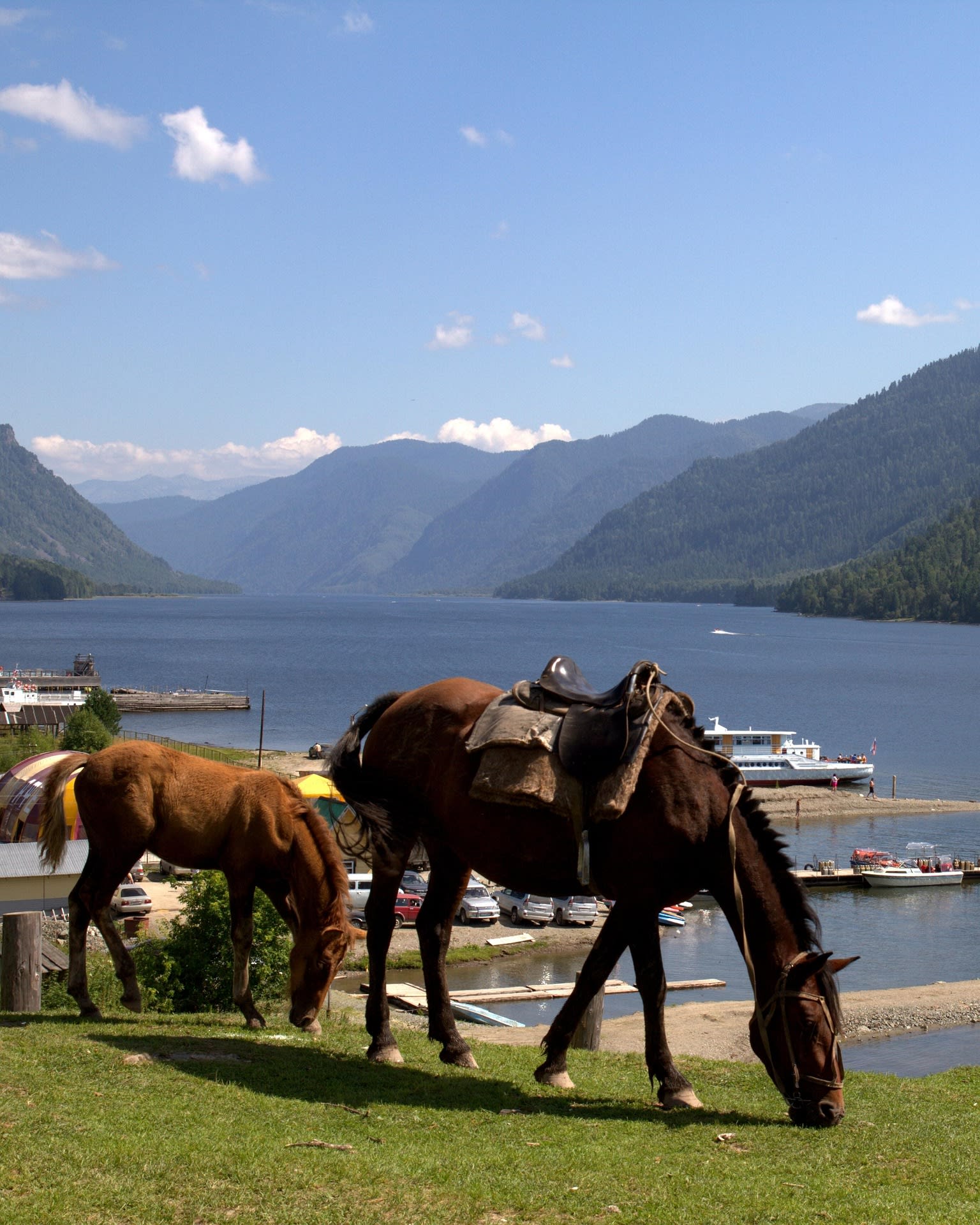
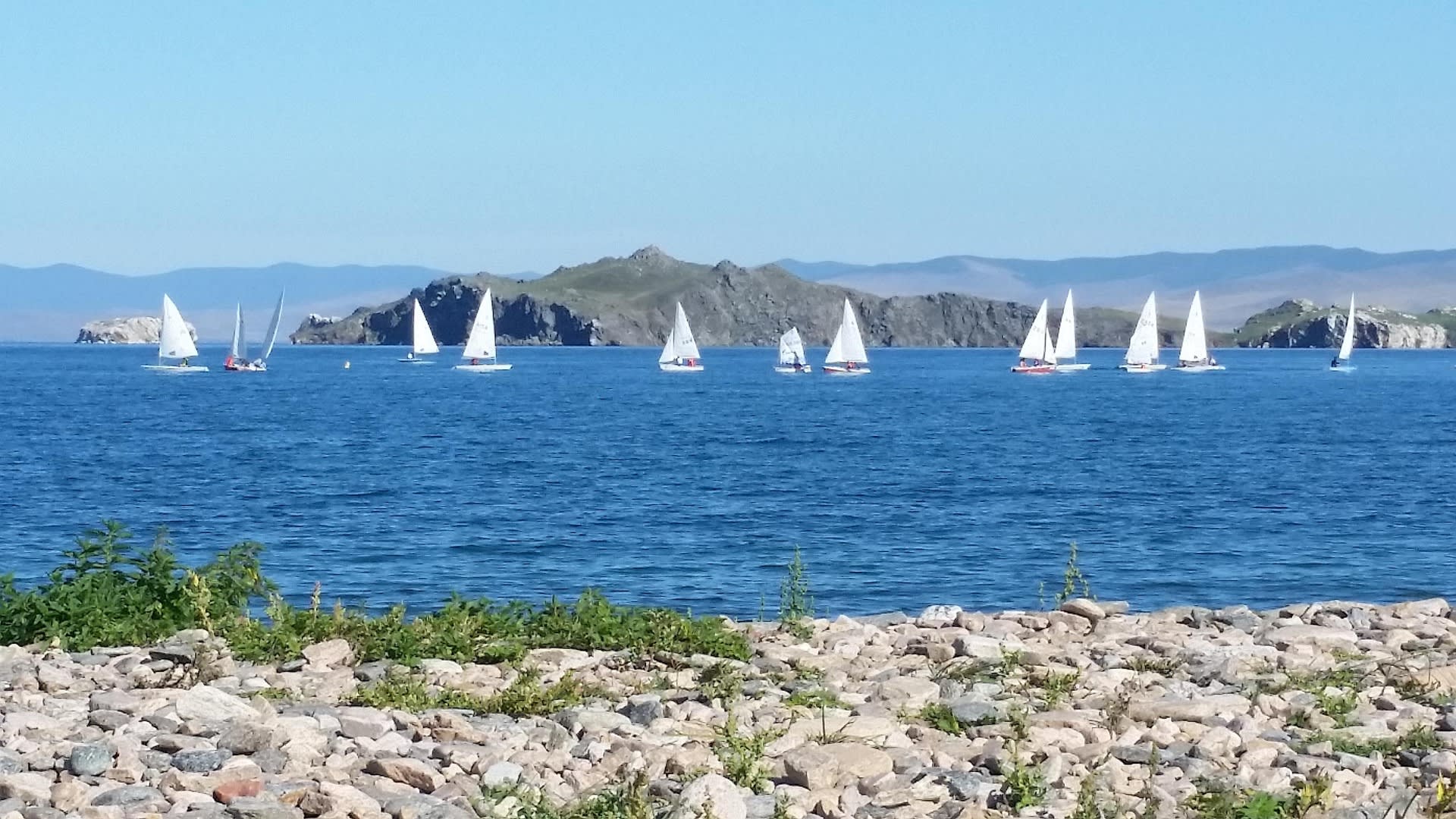
Lake Baikal is the crown jewel of Siberia and one of the world's most extraordinary natural wonders. At 1,642 metres deep it is the deepest lake on Earth; at approximately 25 million years old it is also the oldest. Stretching 636 km through south-eastern Siberia and surrounded by mountain ranges and dense taiga, Baikal holds about 20% of the world's total unfrozen surface fresh water — more than all of North America's Great Lakes combined. Its exceptional clarity and biodiversity earned it UNESCO World Heritage status in 1996.
🌍 Geography and Ecosystem
Baikal is a rift lake, formed by the separation of tectonic plates that continues to widen by about 2 cm per year. This geological origin explains both its extraordinary depth and its unique biodiversity:
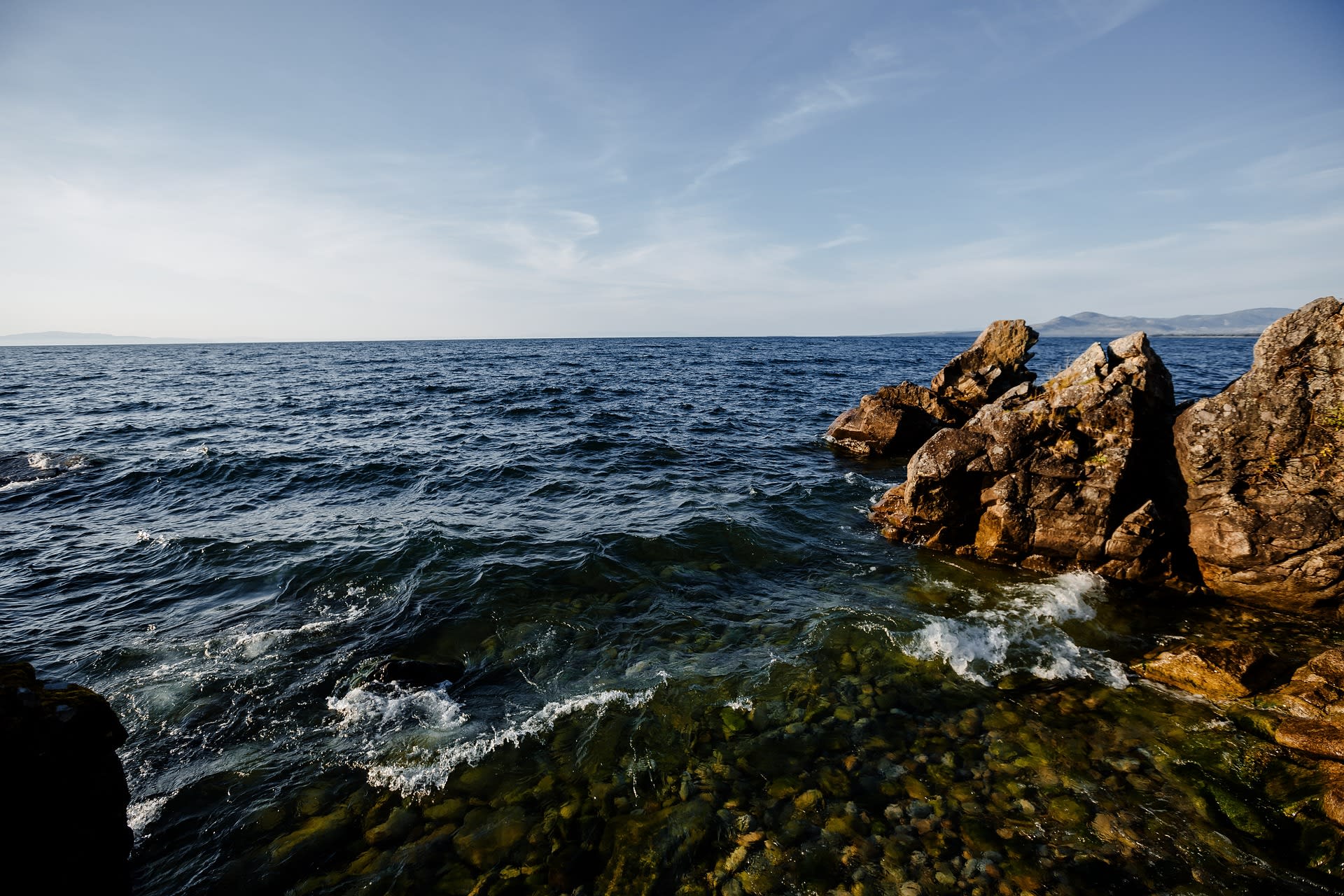
- Water Clarity: Baikal's water is so transparent that objects can be seen at depths of up to 40 metres. Microscopic crustaceans called epishura consume algae and bacteria, acting as a natural filtration system.
- Endemic Species: Over 1,000 plant and 2,500 animal species live in Baikal, with around 80% found nowhere else on Earth. The nerpa (Baikal seal) is the world's only freshwater seal species and lives here exclusively.
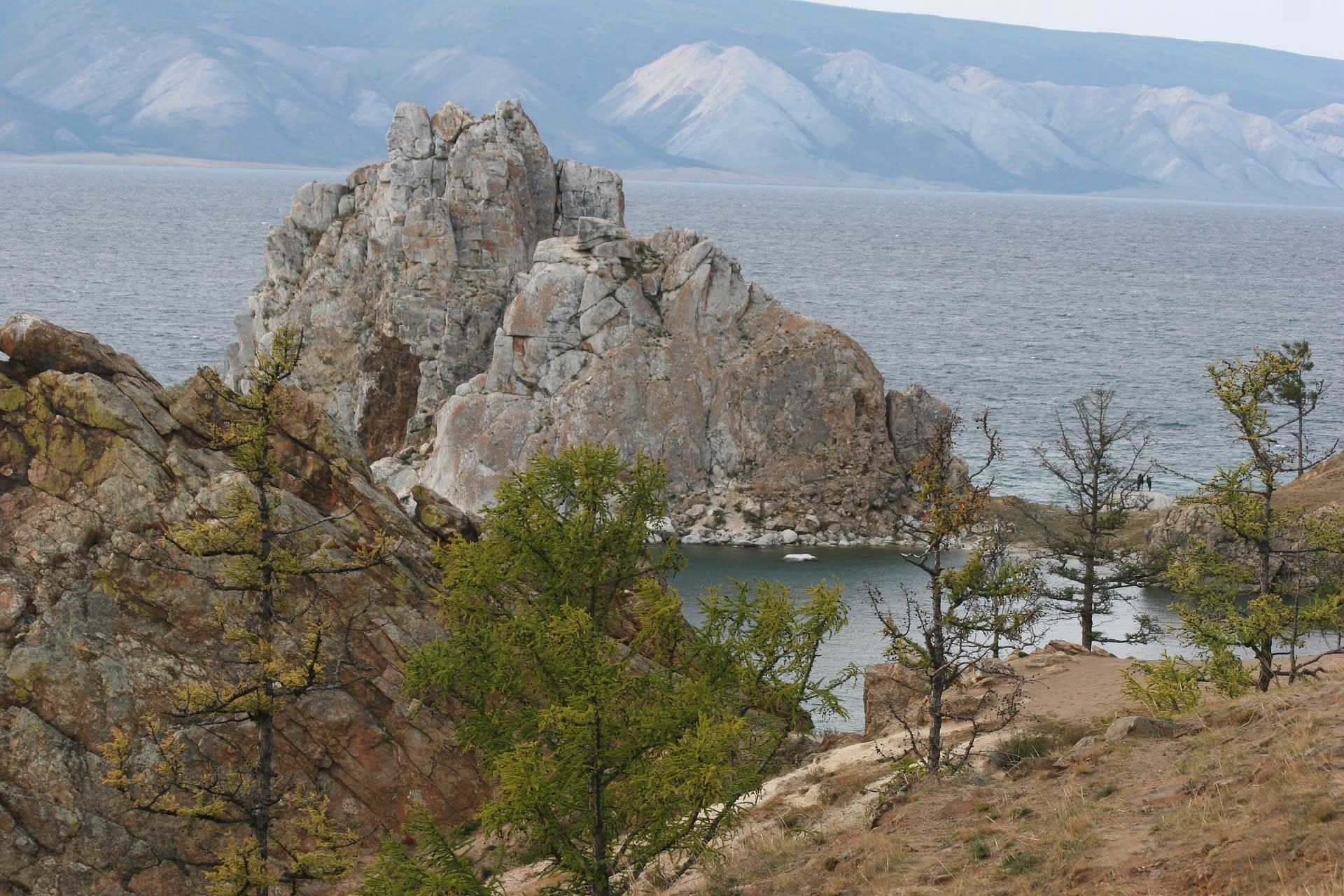
- Olkhon Island: The largest island on the lake, Olkhon is sacred to Buryat shamans and features dramatic cliffs, steppes, and ancient burial sites.
- Winter Ice: From January to May, Baikal freezes over with ice up to 2 metres thick, creating breathtaking ice sculptures, transparent floors, and unique travel opportunities by hovercraft and bicycle.
📜 History and Cultural Significance
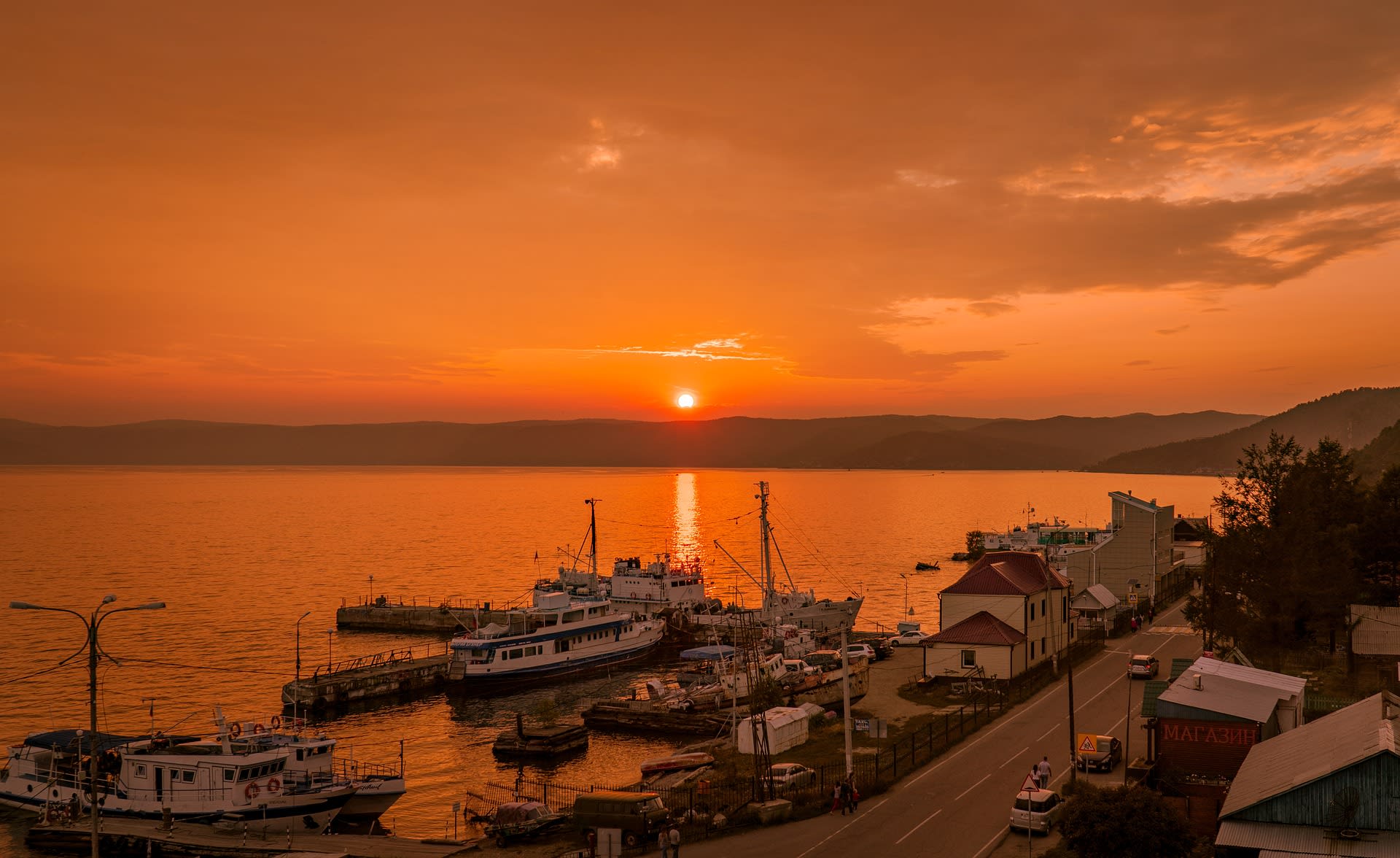
Baikal has been central to the spiritual and material life of the Buryat people for millennia. Known as the 'Sacred Sea,' it features prominently in Buryat shamanic cosmology and folklore. Russian Cossacks reached the lake in 1643, opening it to fur trade and later scientific exploration. The Trans-Siberian Railway, completed in 1904, brought Baikal to wider Russian consciousness, with a ferry service crossing the lake until the Circum-Baikal Railway was completed along the southern shore. The Soviet period saw the construction of the Baikalsk Pulp and Paper Mill in 1966 — a source of ongoing environmental controversy that was finally closed in 2013 after decades of campaigning by scientists and environmentalists.
🏃 Activities and Attractions
Baikal offers extraordinary experiences across all seasons:
- Trekking the Great Baikal Trail: This community-built trail network follows the lake shore for hundreds of kilometres, passing through taiga, fishing villages, and dramatic rocky capes.
- Winter Ice Adventures: Ice skating, ice fishing, hovercraft rides, and photography on the translucent ice surface are unique to the January–March season.
- Olkhon Island Exploration: Visiting Cape Burkhan (Shaman Rock), the spiritual heart of Buryat shamanism, is one of Baikal's most iconic experiences.
- Diving: The extraordinary water clarity makes Baikal a world-class freshwater dive destination, with visibility exceeding 40 metres in places.
- Wildlife: Observing Baikal seals at Ushkany Islands, birdwatching along the Selenga Delta, and spotting brown bears on remote shores are all accessible with the right guides.
💡 Travel Tips
How to Get There: Fly to Irkutsk, the main gateway city 70 km from the lake's southern shore. From Irkutsk, marshrutkas and taxis reach the village of Listvyanka in about an hour. Olkhon Island requires a further 3-hour drive and a short ferry crossing. Coordinates: 53.5° N, 108.0° E.
Best Time to Visit: July–August for warm hiking weather and boat trips. January–March for the ice season. Avoid the muddy shoulder seasons of April–May and October–November.
What to Bring: Warm layers even in summer (temperatures can drop sharply at night), good hiking boots, and sunscreen — reflection off water and ice is intense.
Accommodation: Listvyanka and Olkhon Island (Khuzhir village) offer guesthouses and homestays. For more remote sections of the trail, camping is the only option.
Best Time to Visit: July–August for warm hiking weather and boat trips. January–March for the ice season. Avoid the muddy shoulder seasons of April–May and October–November.
What to Bring: Warm layers even in summer (temperatures can drop sharply at night), good hiking boots, and sunscreen — reflection off water and ice is intense.
Accommodation: Listvyanka and Olkhon Island (Khuzhir village) offer guesthouses and homestays. For more remote sections of the trail, camping is the only option.
🌱 Conservation
Despite its protected status, Baikal faces serious environmental pressures. Toxic algae blooms of spirogyra — linked to untreated sewage from lakeside settlements — have been spreading since the 2000s, threatening the clarity and biodiversity that define the lake. Microplastic pollution, increasing tourism without adequate infrastructure, and proposed industrial projects near the lake's drainage basin remain active concerns. The closure of the Baikalsk mill was a conservation victory, but its toxic waste remains buried near the shoreline. Russian and international environmental organisations continue to push for stronger legal protections and investment in wastewater treatment across the Baikal watershed.
✨ Conclusion
Lake Baikal is not merely a geographical superlative — it is a living system of staggering biological richness, a spiritual landscape, and a window into deep geological time. Standing at its shore and gazing into water so clear you can see the rocky bottom metres below, it is impossible not to feel a profound connection to the natural world. Baikal is one of those rare places that genuinely lives up to its reputation, and more.