Kamchatka
Kamchatka is one of the most remote and pristine places on Earth — a peninsula in Russia's Far East that stretches 1,200 km into the Pacific Ocean and is home to 29 active volcanoes, the world-famous Valley of Geysers, and one of the largest undisturbed salmon ecosystems on the planet. Designated a UNESCO World Heritage Site under the name 'Volcanoes of Kamchatka,' this wilderness of fire and ice receives relatively few visitors each year, preserving its extraordinary character.
🌍 Geography and Ecosystem
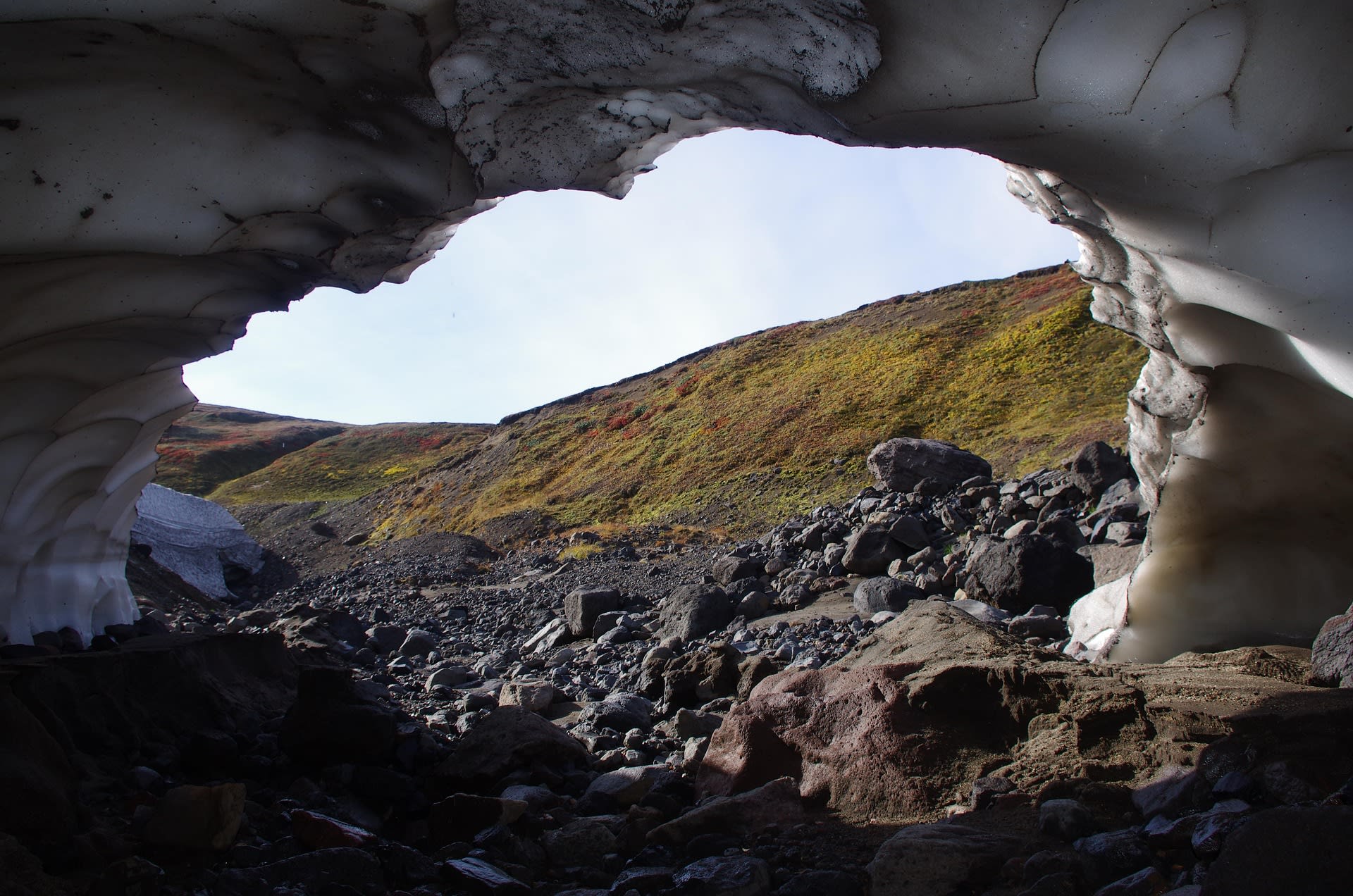
Kamchatka sits at the junction of the Pacific and North American tectonic plates, making it one of the most volcanically and seismically active regions on Earth. Its landscapes are shaped entirely by this geological drama:
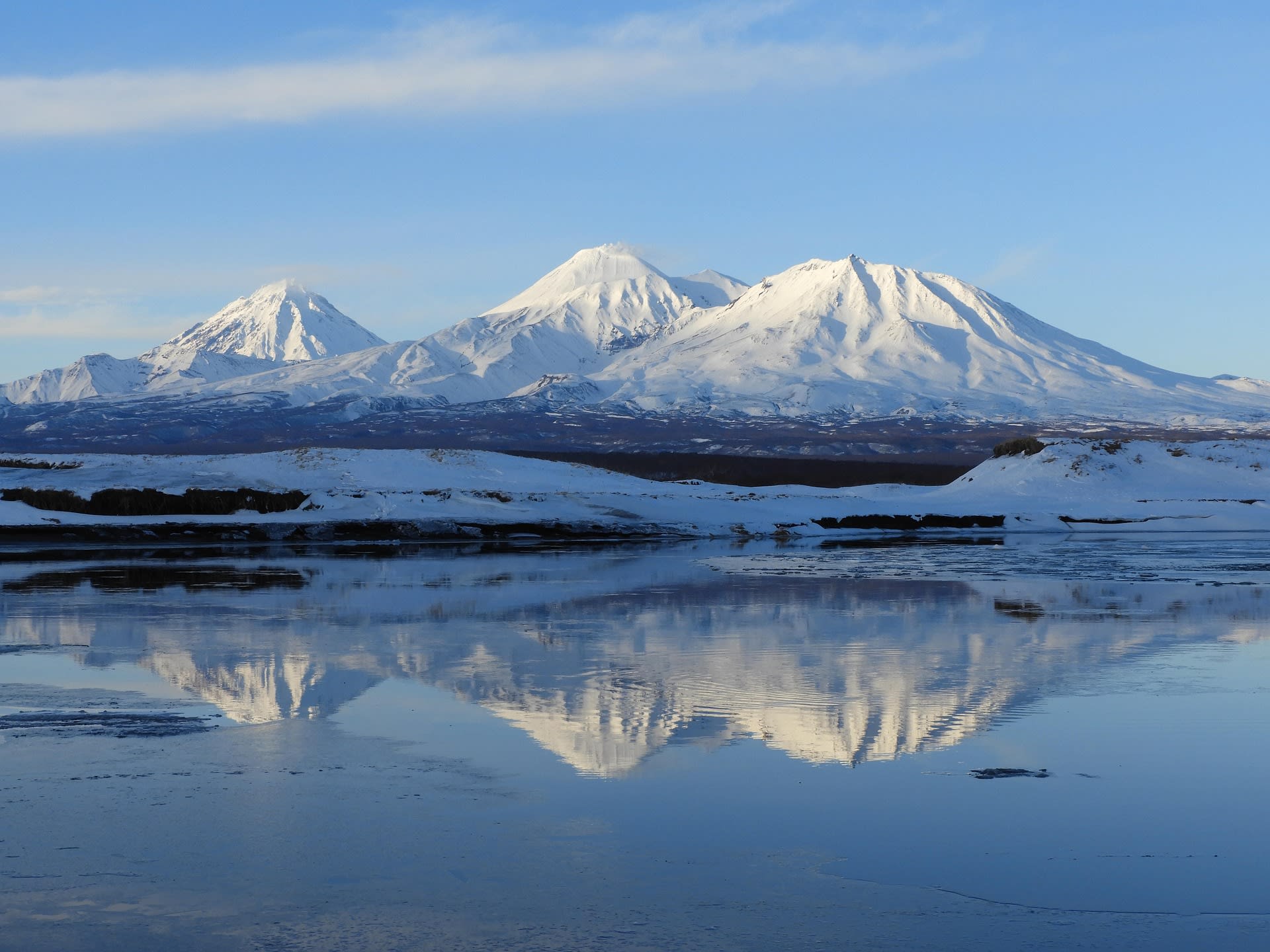
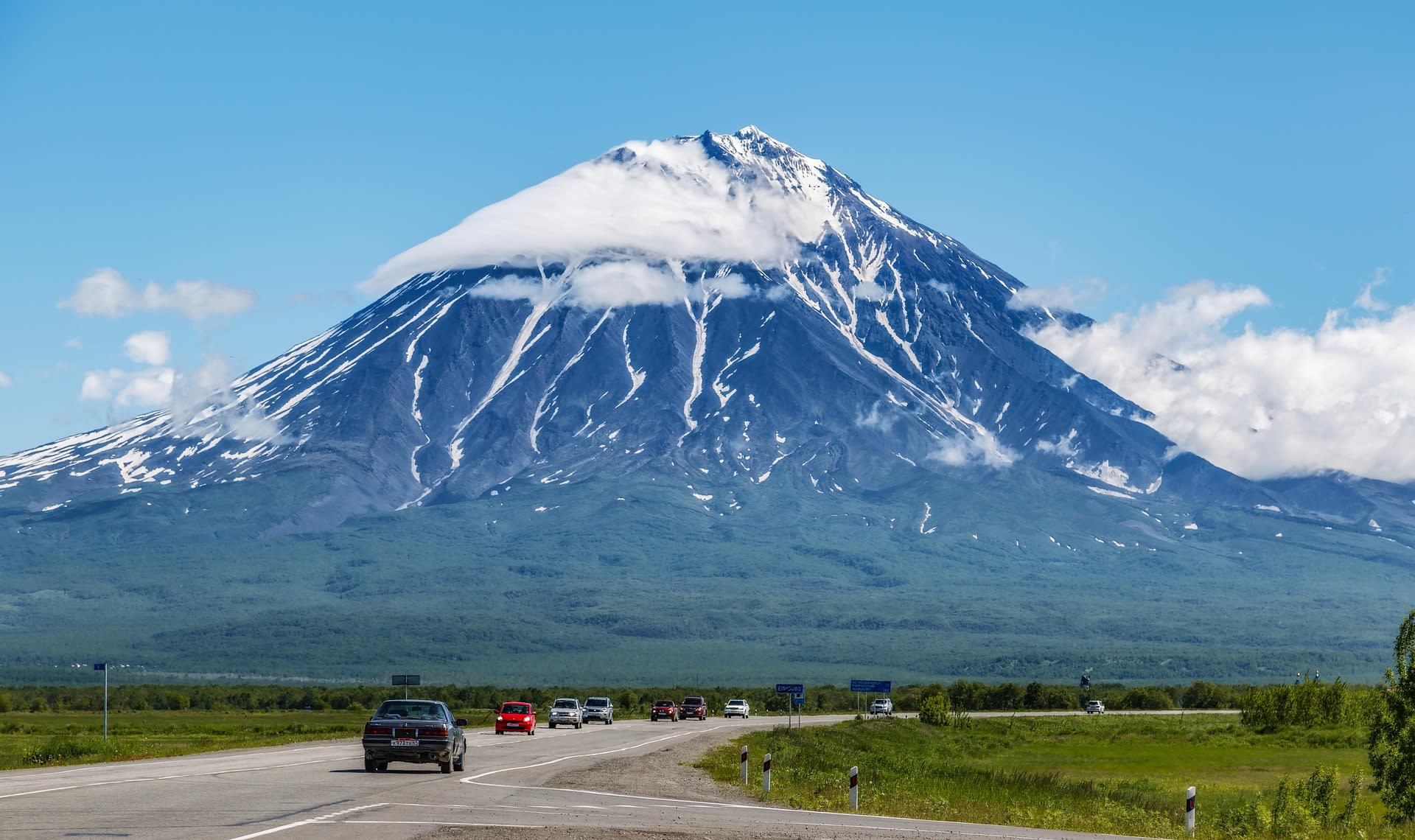
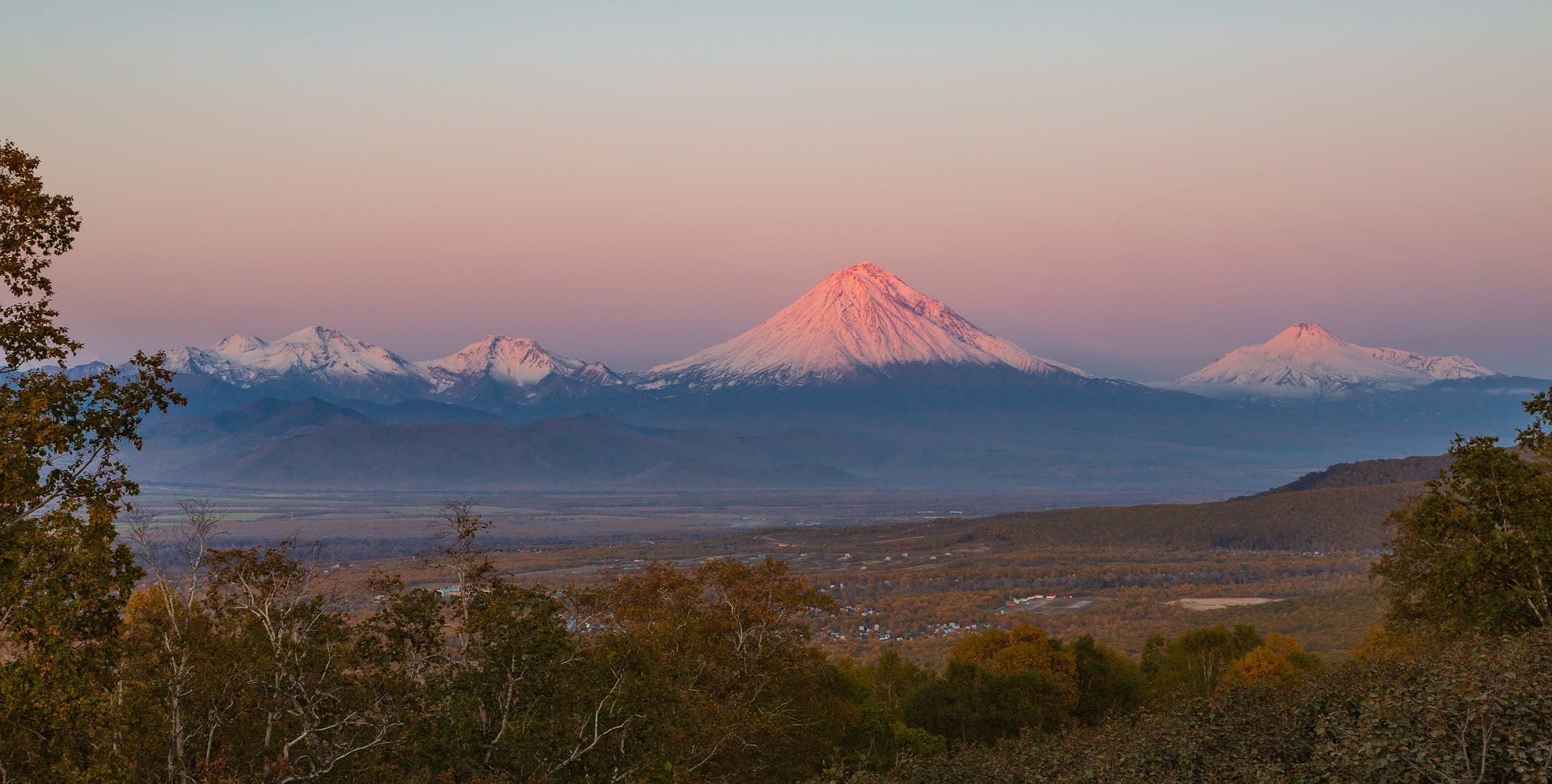
- Volcanoes: Klyuchevskaya Sopka (4,750 m) is the highest active volcano in Eurasia and erupts almost continuously. Mutnovsky and Gorely are among the most accessible and visually dramatic, with multi-coloured crater lakes and permanent fumarolic activity.
- Valley of Geysers: Discovered only in 1941, this remote valley contains over 90 geysers, the second-largest geyser field in the world, set against a backdrop of boiling mud pools and coloured mineral terraces.
- Salmon Rivers: Kamchatka's rivers host six species of Pacific salmon. Every autumn, millions of fish return to spawn, attracting the largest concentration of brown bears in the world along river banks and waterfalls.
- Coastal Biodiversity: The coastline is rich in Steller sea lions, orca, grey whales, and vast seabird colonies including tufted puffins and Steller's sea eagles.
📜 History and Cultural Significance
Kamchatka was inhabited for thousands of years by the Itelmen, Koryak, and Chukchi indigenous peoples, who developed subsistence cultures intimately tied to the salmon runs and reindeer herds. Russian Cossack explorer Vladimir Atlasov reached the peninsula in 1697, initiating Russian colonization that decimated indigenous populations through disease and forced tribute. Vitus Bering launched his famous Pacific expeditions from Petropavlovsk-Kamchatsky in the 18th century, charting the strait that now bears his name and the coastlines of Alaska. During the Cold War, Kamchatka was a highly restricted military zone — its isolation during those decades paradoxically preserved its wilderness from development.
🏃 Activities and Attractions
Kamchatka rewards adventurous visitors with experiences found nowhere else on Earth:
- Volcano Trekking: Guided ascents of Mutnovsky and Avachinsky volcanoes offer accessible routes to crater rims with dramatic views of active volcanic features.
- Bear Watching: Helicopter tours and guided wilderness camps along Kurile Lake and the Ozernaya River offer world-class brown bear viewing during the salmon run from August to October.
- Heli-Skiing: The untouched snowfields of Kamchatka's volcanic slopes attract expert skiers seeking untracked descents through extraordinary terrain.
- Geyser Valley Tour: Helicopter access to the Valley of Geysers in Kronotsky Nature Reserve is one of Russia's most iconic wilderness experiences.
- Sea Kayaking: Paddling along the Pacific coast among sea otters, seals, and puffin colonies is an unforgettable way to explore Kamchatka's marine wilderness.
💡 Travel Tips
How to Get There: Fly to Petropavlovsk-Kamchatsky (PKC) from Moscow (9 hours) or from other Russian Far East cities. No roads connect Kamchatka to the mainland. Coordinates: 54.0° N, 160.0° E.
Best Time to Visit: July–September for hiking, bear watching, and salmon season. February–April for skiing and snowmobile expeditions on volcanic slopes.
What to Bring: Waterproof gear, warm layers, bear spray if trekking independently, and a camera with a long lens for wildlife.
Accommodation: Most visitors stay in Petropavlovsk-Kamchatsky and take day or multi-day excursions. Wilderness camps and tourist lodges exist in key areas. Many activities require helicopter transport due to the absence of road infrastructure beyond the city.
Best Time to Visit: July–September for hiking, bear watching, and salmon season. February–April for skiing and snowmobile expeditions on volcanic slopes.
What to Bring: Waterproof gear, warm layers, bear spray if trekking independently, and a camera with a long lens for wildlife.
Accommodation: Most visitors stay in Petropavlovsk-Kamchatsky and take day or multi-day excursions. Wilderness camps and tourist lodges exist in key areas. Many activities require helicopter transport due to the absence of road infrastructure beyond the city.
🌱 Conservation
Kamchatka's ecosystems are protected under the Kronotsky Nature Reserve and the broader UNESCO World Heritage designation. Key conservation concerns include the threat of poaching — particularly of salmon and Steller sea eagles — and the potential impact of mining projects on pristine river systems. A landslide in 2007 buried much of the Valley of Geysers, though it has since partially recovered. Climate change is affecting glacier retreat and salmon run timing, with cascading effects on the entire food web. The Kamchatka regional government works with international conservation organizations to balance ecotourism development with ecosystem protection, recognising that Kamchatka's wilderness is its most valuable long-term economic asset.
✨ Conclusion
Kamchatka is a place of raw, primordial power — where the Earth is still visibly shaping itself through volcanic fire and where vast salmon runs and brown bears enact ancient rituals unchanged for thousands of years. For those willing to travel to the edge of the world, it delivers an encounter with wilderness that is genuinely transformative. It stands as one of the last great untouched frontiers on the planet.