Altai Mountains
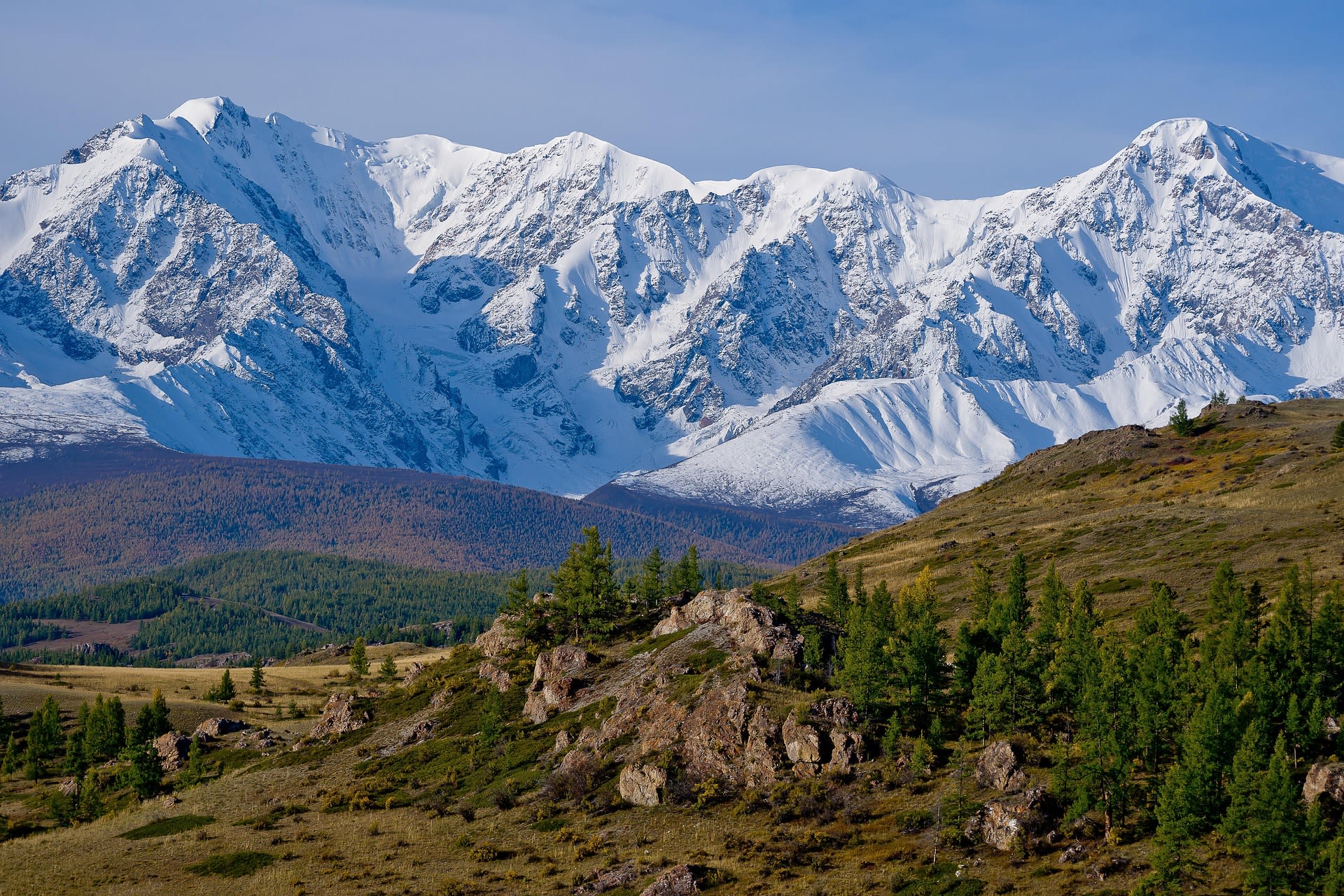
The Altai Mountains stretch across southern Siberia and span four countries — Russia, Kazakhstan, Mongolia, and China — but it is in Russia where their most pristine and celebrated landscapes lie. Recognized as a UNESCO World Heritage Site, the Russian Altai is a land of sweeping valleys, turquoise glacial rivers, ancient petroglyphs, and snow-draped summits. This remote wilderness has been home to nomadic peoples for millennia and remains one of the least disturbed mountain ecosystems in the world.
🌍 Geography and Ecosystem
The Altai Mountains form the highest mountain range in Siberia, with Mount Belukha reaching 4,506 m. The region encompasses a remarkable diversity of landscapes within a compact area:
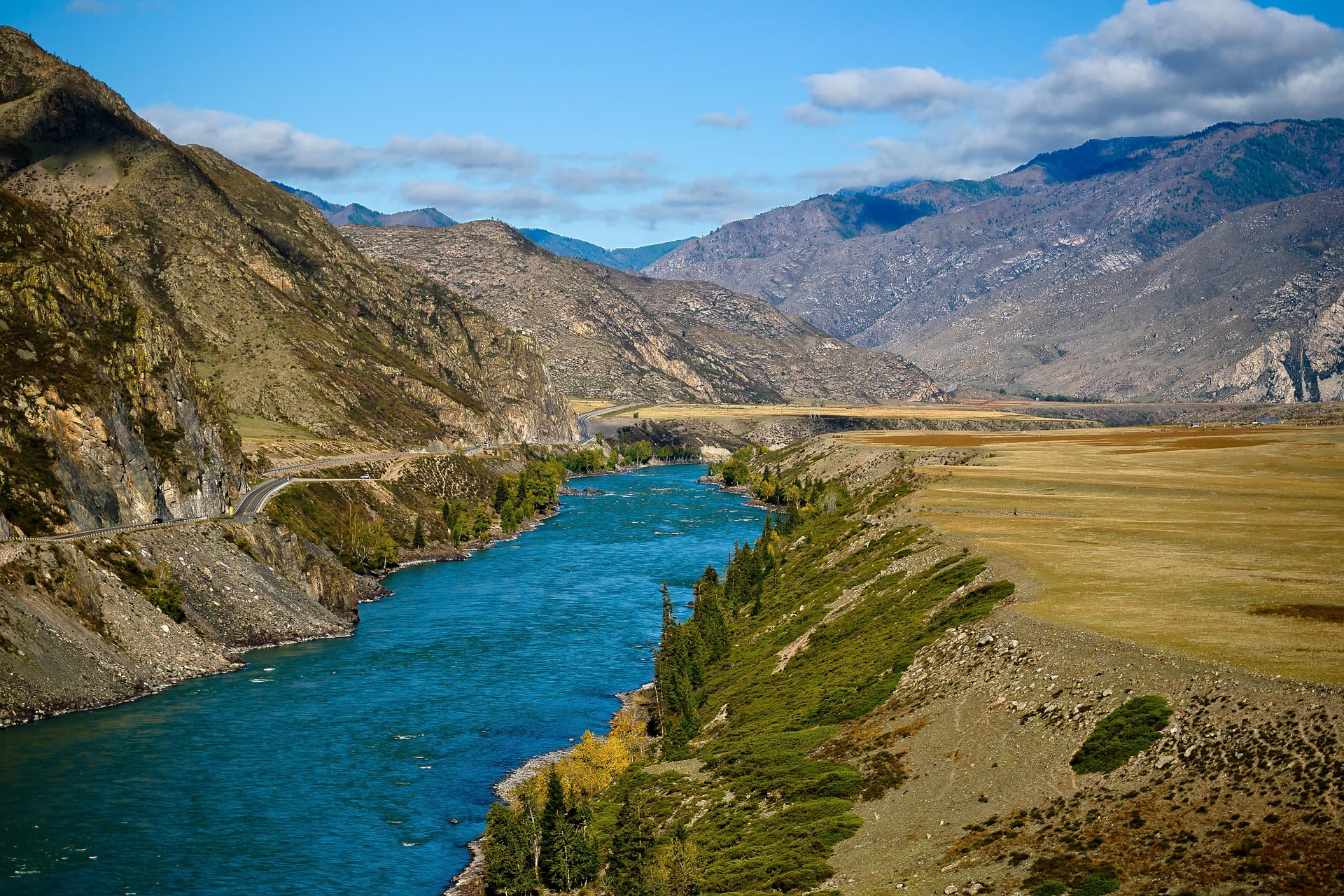
- River Systems: The Katun and Biya rivers are the two main arteries of the Altai, their turquoise waters fed by glaciers and snowfields. The Katun is famous for its vivid colour, resulting from glacial flour suspended in its flow.
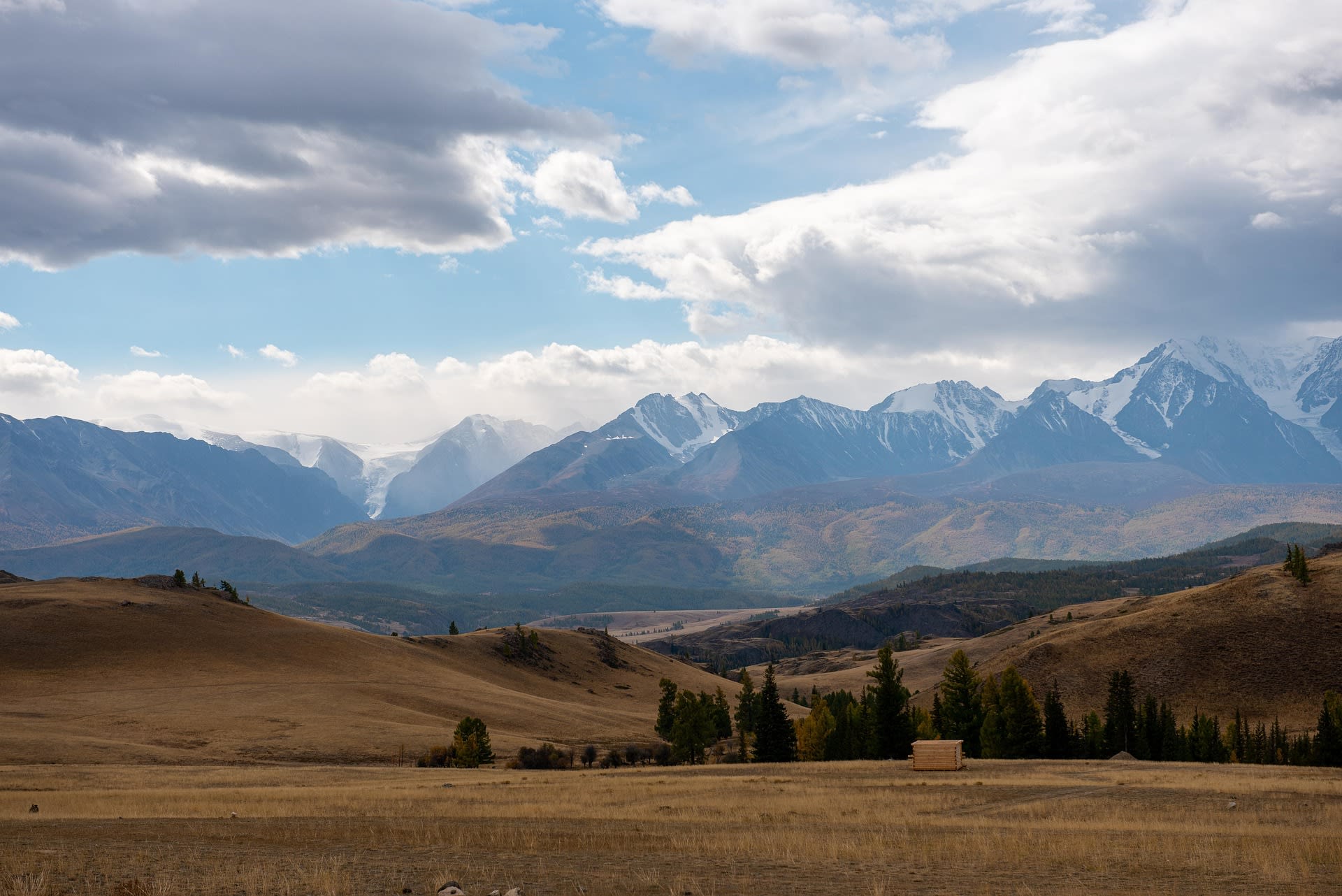
- Alpine Meadows: At mid-altitudes, vast flower-carpeted meadows called 'chuy steppe' provide rich pastures and breathtaking panoramas in summer.
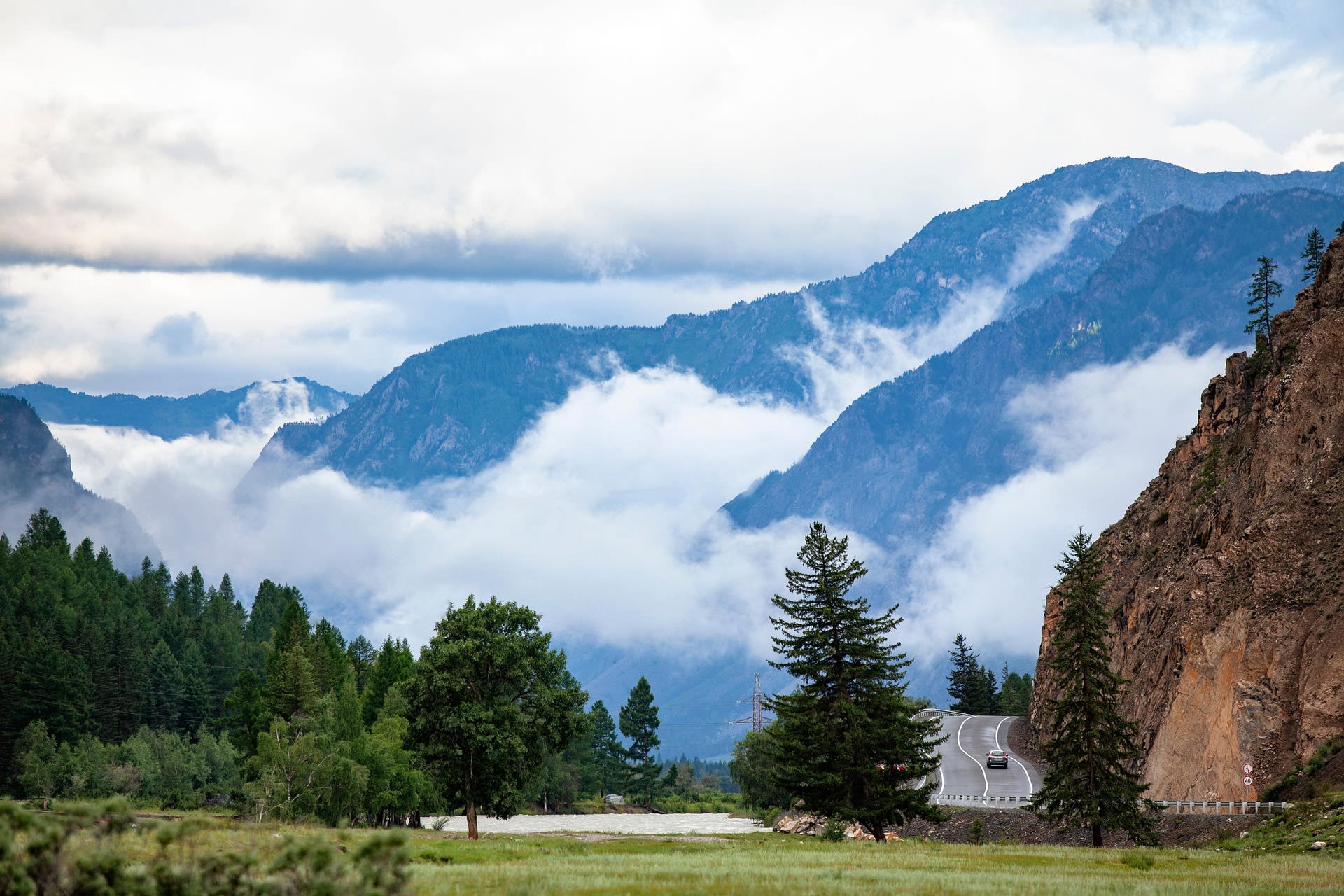
- Taiga Forests: The lower slopes are covered in dense Siberian cedar, larch, and fir forests, home to brown bears, lynx, snow leopards, and the rare Altai argali sheep.
- Glaciers and Permafrost: Higher elevations host permanent glaciers, including the Aktru glacier complex, and areas of permafrost that shape the hydrology of the entire region.
📜 History and Cultural Significance
The Altai has been inhabited since the Paleolithic era and holds extraordinary archaeological wealth. The region is considered the ancestral homeland of the Turkic peoples and has played a central role in the migrations and cultures of Central and Inner Asia. The Pazyryk culture (5th–3rd century BCE) left behind extraordinary frozen burial mounds, or kurgans, yielding perfectly preserved textiles, horses, and tattooed human remains that now reside in the Hermitage Museum. The legendary Princess of the Altai, a 2,500-year-old Pazyryk noblewoman discovered in 1993, became a symbol of the region's ancient heritage. The indigenous Altaian people maintain traditions of shamanism, throat singing, and a deep spiritual connection to the mountains that continues to this day.
🏃 Activities and Attractions
The Altai offers some of Russia's finest outdoor experiences, drawing adventurers and nature lovers from across the world:
- Trekking: Trails of all difficulties wind through the region, with the classic route to Mount Belukha base camp being the most famous. Multi-day routes through the Chulyshman Valley and Shavlinskoye Lake area are equally spectacular.
- Rafting: The Katun, Chuya, and Biya rivers offer world-class white-water rafting, ranging from gentle float trips to category IV and V rapids for experienced paddlers.
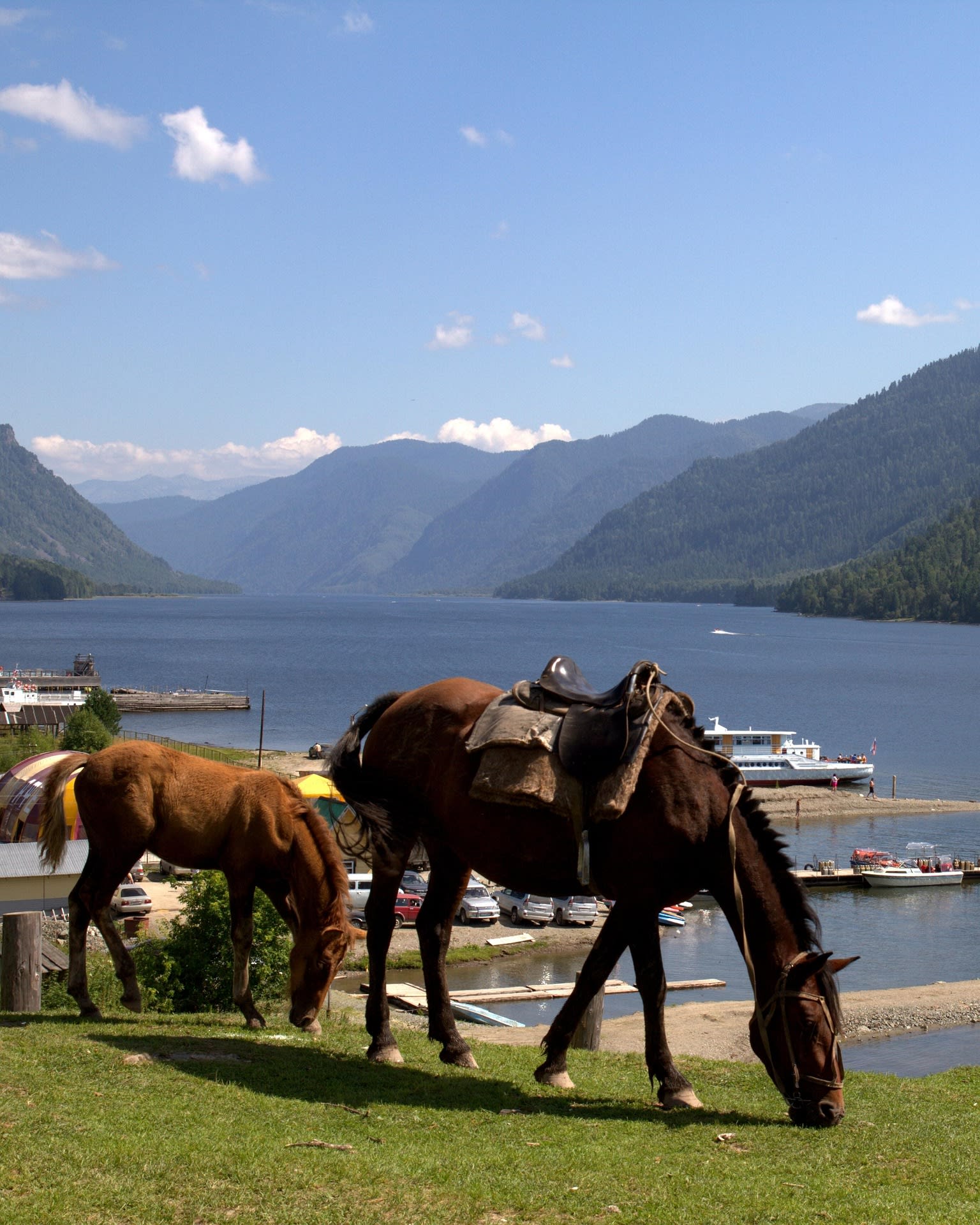
- Horse Trekking: Following nomadic traditions, horse treks through the high pastures remain one of the most authentic ways to explore the Altai backcountry.
- Petroglyphs and Kurgans: Archaeological sites such as the Kalbak-Tash rock art complex and numerous burial mounds offer windows into thousands of years of human history.
- Wildlife Watching: The Altai is one of Russia's best regions for spotting snow leopards, argali, ibex, golden eagles, and Siberian ibis.
💡 Travel Tips
How to Get There: Fly to Gorno-Altaysk, the regional capital, from Moscow or Novosibirsk. The Chuysky Trakt (M-52 highway) is one of the world's most scenic roads and serves as the main route through the region. Coordinates: 50.0° N, 87.0° E.
Best Time to Visit: June to September for trekking and rafting; late September and October for vibrant autumn colours. Winter offers snowshoeing and cross-country skiing but temperatures can drop to -40°C.
What to Bring: Layered clothing for rapidly changing mountain weather, sturdy hiking boots, insect repellent (summer mosquitoes can be intense), and a detailed topographic map for backcountry routes.
Accommodation: Gorno-Altaysk and the village of Chemal offer hotels and guesthouses. Throughout the valleys, family-run tourist camps (turbazy) provide yurt or cabin accommodation with home-cooked Altaian food.
Best Time to Visit: June to September for trekking and rafting; late September and October for vibrant autumn colours. Winter offers snowshoeing and cross-country skiing but temperatures can drop to -40°C.
What to Bring: Layered clothing for rapidly changing mountain weather, sturdy hiking boots, insect repellent (summer mosquitoes can be intense), and a detailed topographic map for backcountry routes.
Accommodation: Gorno-Altaysk and the village of Chemal offer hotels and guesthouses. Throughout the valleys, family-run tourist camps (turbazy) provide yurt or cabin accommodation with home-cooked Altaian food.
🌱 Conservation
The Russian Altai is protected through several UNESCO World Heritage areas including the Altai Golden Mountains designation, which encompasses the Altaisky, Katunsky, and Sailyugem nature reserves along with the Ukok Plateau. Conservation challenges include controlling illegal poaching of snow leopards and argali, managing the increase in tourism in sensitive alpine zones, and protecting archaeological sites from looting. The indigenous Altaian people are increasingly involved in conservation management, blending traditional ecological knowledge with modern approaches. Visitors are urged to stay on marked trails, never disturb archaeological sites, and respect the local prohibition on campfires in certain highland areas.
✨ Conclusion
The Altai Mountains represent one of the last great wildernesses of the Northern Hemisphere — a place where ancient human history, extraordinary biodiversity, and breathtaking scenery converge. Whether you come for the adventure, the archaeology, or simply the silence of an untouched landscape, the Altai will leave a lasting impression. It is a destination that rewards those willing to venture far from the beaten path.