Ural Mountains
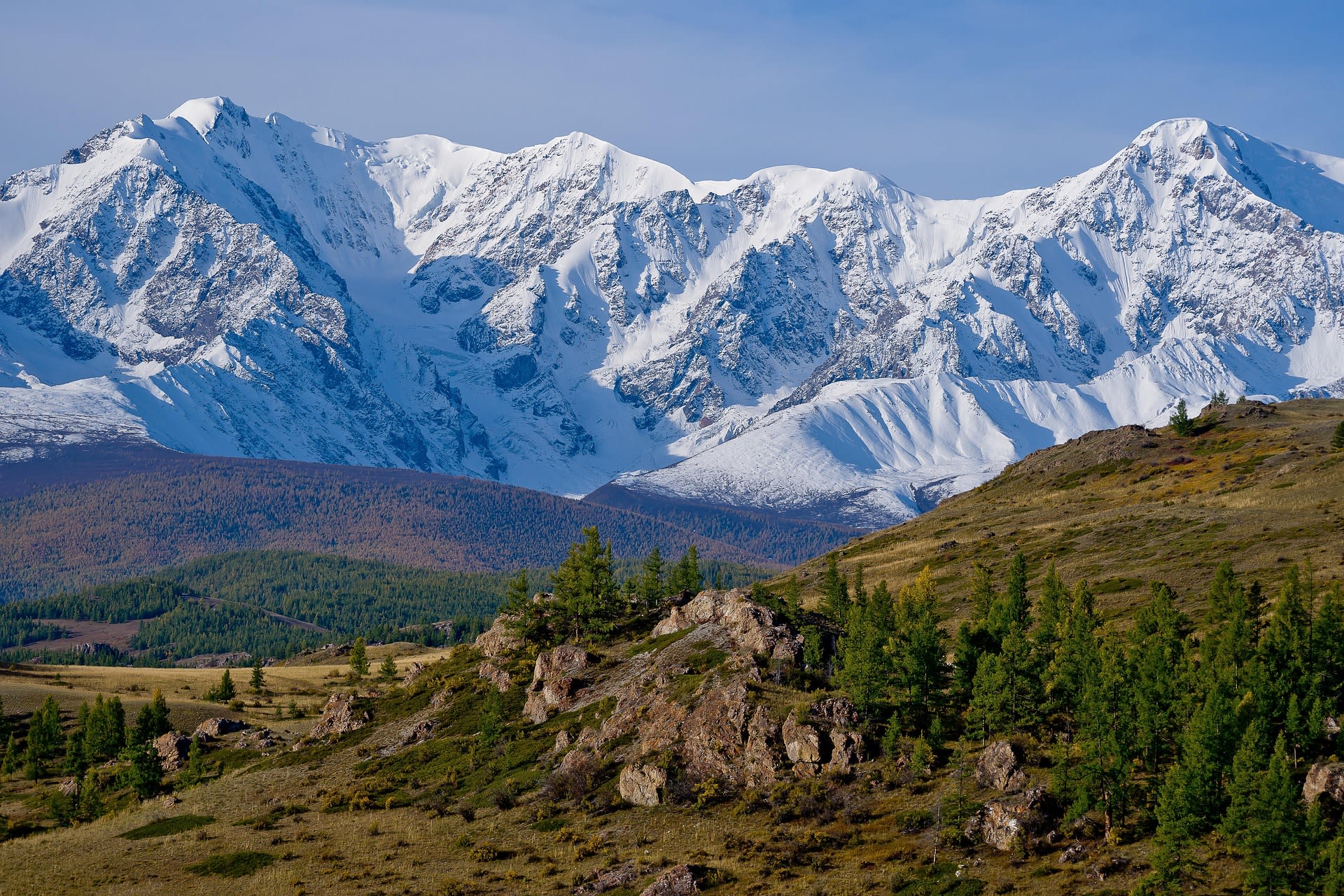
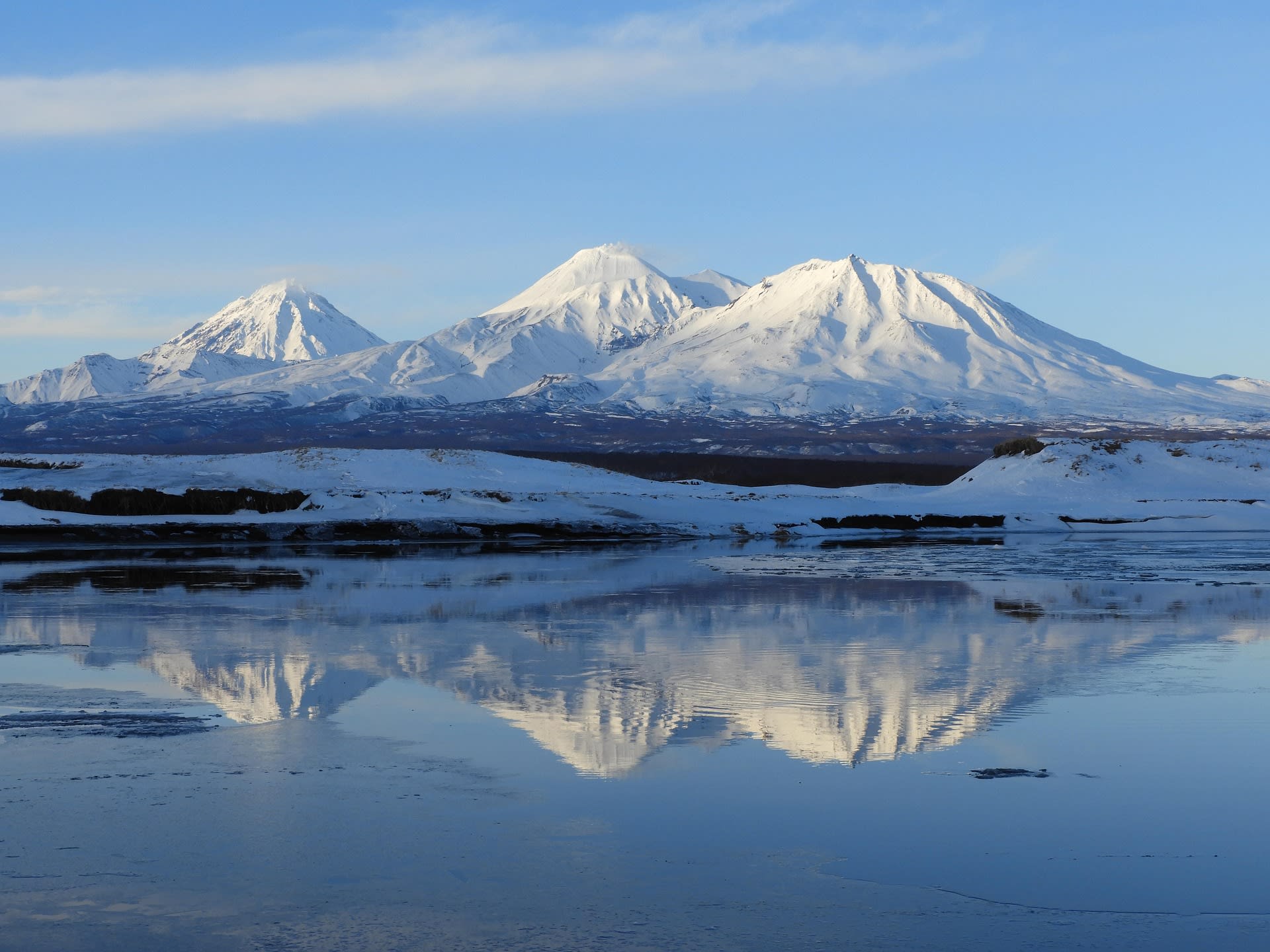
The Ural Mountains form one of the oldest and most geologically significant mountain ranges on Earth, running 2,500 km from the Arctic coast of Russia to the steppes of Kazakhstan. They mark the traditional boundary between Europe and Asia and are among the world's most ancient mountains, formed over 300 million years ago. Though relatively low by global standards — the highest point, Narodnaya, reaches 1,895 m — the Urals encompass exceptional ecological diversity, from Arctic tundra in the north to forest-steppe in the south.
🌍 Geography and Ecosystem
The Urals are commonly divided into polar, sub-polar, northern, middle, and southern sections, each with distinct character and ecosystems:
- Sub-Polar Urals: The most dramatic and remote section, containing the highest peaks and most pristine wilderness. The Yugyd Va National Park here is one of Russia's largest, protecting immense areas of untouched boreal forest — the largest intact ancient forest in Europe.
- Northern Urals: Characterised by the distinctive 'man-purpui' ridge with flat-topped summits called 'syrts,' the Northern Urals are famous for the haunting Dyatlov Pass, site of the mysterious 1959 incident.
- Mineral Wealth: The Urals are one of the world's richest mineral regions, with deposits of iron, copper, platinum, gold, malachite, and over 1,000 mineral types — many first described and named from Ural specimens.
- River Sources: The Urals are the watershed for major European rivers including the Pechora, Kama, and Ural rivers.
📜 History and Cultural Significance
The Urals have been inhabited since the Paleolithic and were home to the Mansi and Khanty peoples of the north and Bashkirs of the south. Russian expansion east of the Urals began with Yermak Timofeyevich's Cossack expedition of 1581–1585, opening the way for the conquest of Siberia. The Urals became the industrial heartland of the Russian Empire and later the Soviet Union, with iron and copper smelting from the 18th century. Peter the Great established iron foundries that armed his armies, and during World War II, Ural factories relocated from western Russia were crucial to Soviet war production.
🏃 Activities and Attractions
The Urals offer a range of wilderness experiences largely unknown to international tourism:
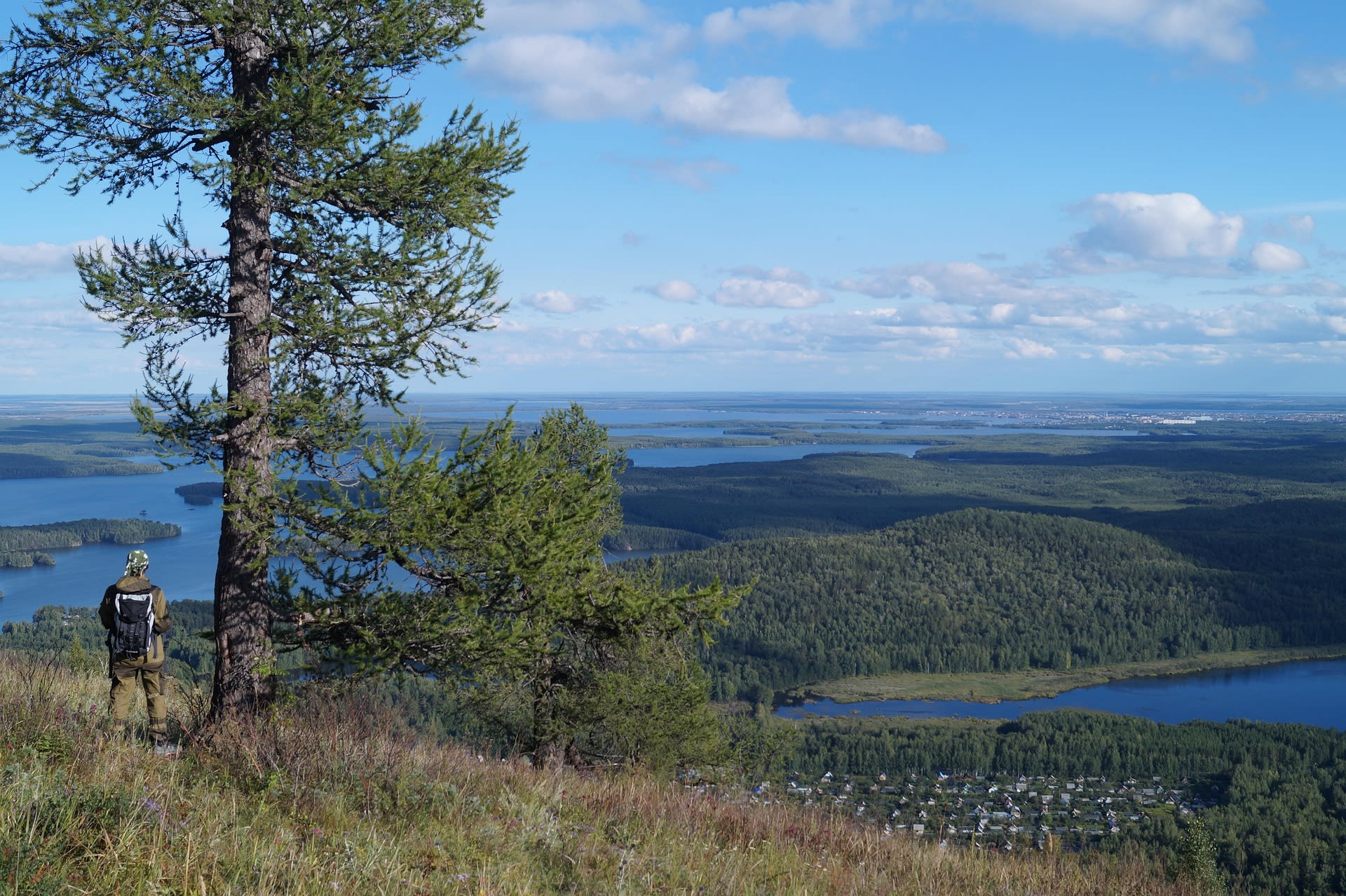
- Trekking in Yugyd Va: Russia's largest national park offers remote multi-day routes through pristine boreal forest and tundra with minimal infrastructure — a true wilderness experience.
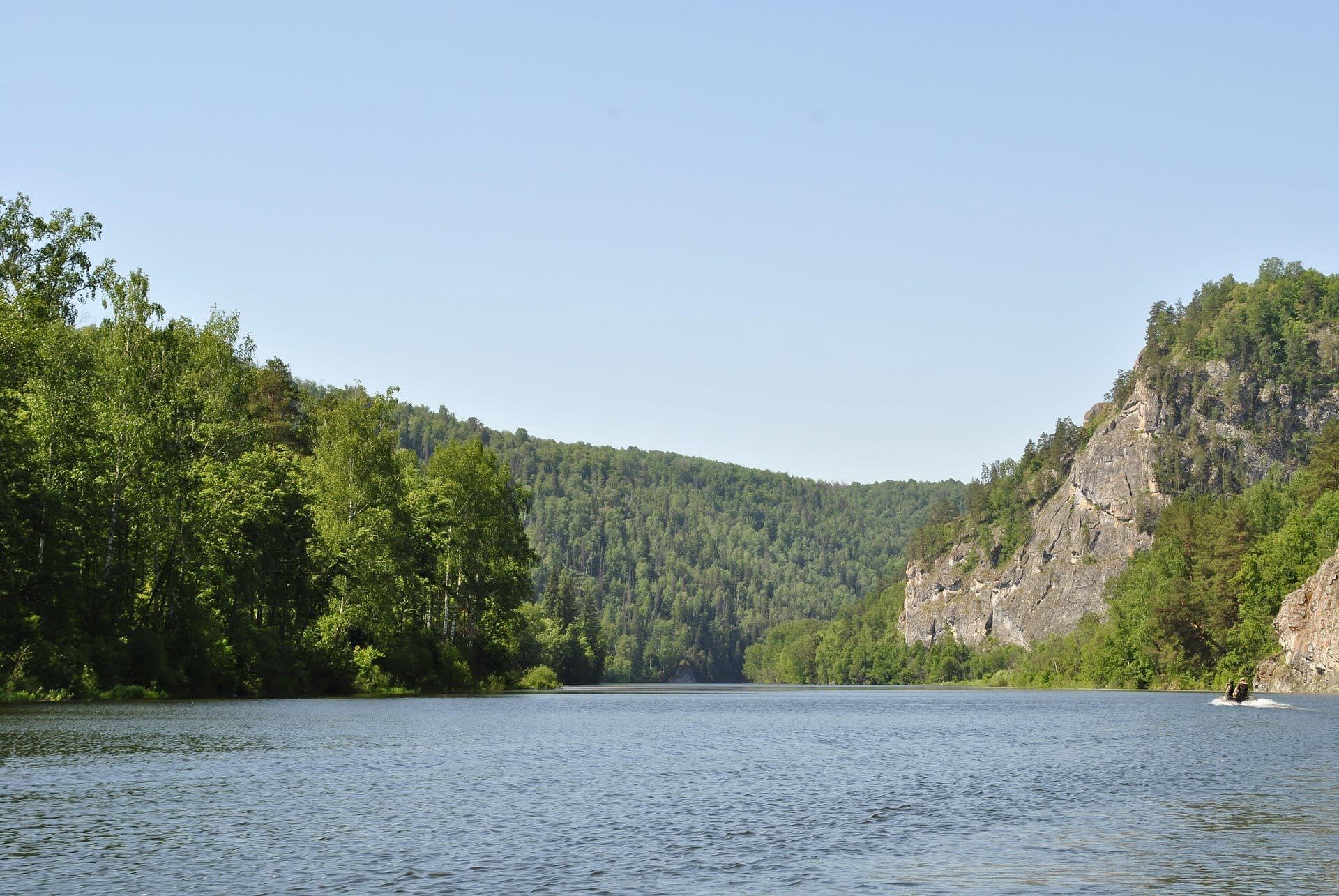
- River Rafting: The Chusovaya, Vishera, and Belaya rivers offer excellent float trips through scenic gorges.
- Cave Exploration: The southern Urals contain extensive cave systems including Shulgan-Tash (Kapova Cave), which preserves 14,000-year-old Paleolithic cave paintings.
- Continental Divide Monuments: Numerous obelisks and markers along the range mark the Europe-Asia boundary — a popular photo stop on the main road through Yekaterinburg.
💡 Travel Tips
How to Get There: Yekaterinburg is the main gateway city, well-connected by air and the Trans-Siberian Railway. From there, different sections of the Urals are accessible by road. Coordinates: 60.0° N, 60.0° E.
Best Time to Visit: June–August for trekking and river trips. Winter offers snowshoeing and cross-country skiing but can be very cold at northern latitudes.
What to Bring: Extensive insect repellent for summer (taiga mosquitoes are formidable), waterproof gear, and navigation equipment for backcountry routes.
Accommodation: Yekaterinburg has full urban amenity. Remote sections require camping; the Yugyd Va National Park has basic ranger stations and designated camping areas.
Best Time to Visit: June–August for trekking and river trips. Winter offers snowshoeing and cross-country skiing but can be very cold at northern latitudes.
What to Bring: Extensive insect repellent for summer (taiga mosquitoes are formidable), waterproof gear, and navigation equipment for backcountry routes.
Accommodation: Yekaterinburg has full urban amenity. Remote sections require camping; the Yugyd Va National Park has basic ranger stations and designated camping areas.
🌱 Conservation
Yugyd Va National Park is a UNESCO World Heritage Site protecting the largest tract of ancient boreal forest remaining in Europe. It has faced persistent threats from gold mining interests seeking access to its mineral deposits. The Pechora-Ilych Nature Reserve, adjacent to Yugyd Va, is famous for its program to domesticate the European elk and for research into the ecology of Russia's boreal zone. Industrial pollution from Ural mining and metallurgical centres has historically affected river systems in the central and southern Urals, though conditions have improved since the Soviet era.
✨ Conclusion
The Urals are one of Russia's least-visited yet most geologically and historically significant mountain ranges. Ancient, mineral-rich, and blanketed in some of Europe's last remaining primeval forest, they offer a profound encounter with deep time — both geological and human. For those willing to venture beyond Yekaterinburg, the wilderness rewards are extraordinary.