Sudak
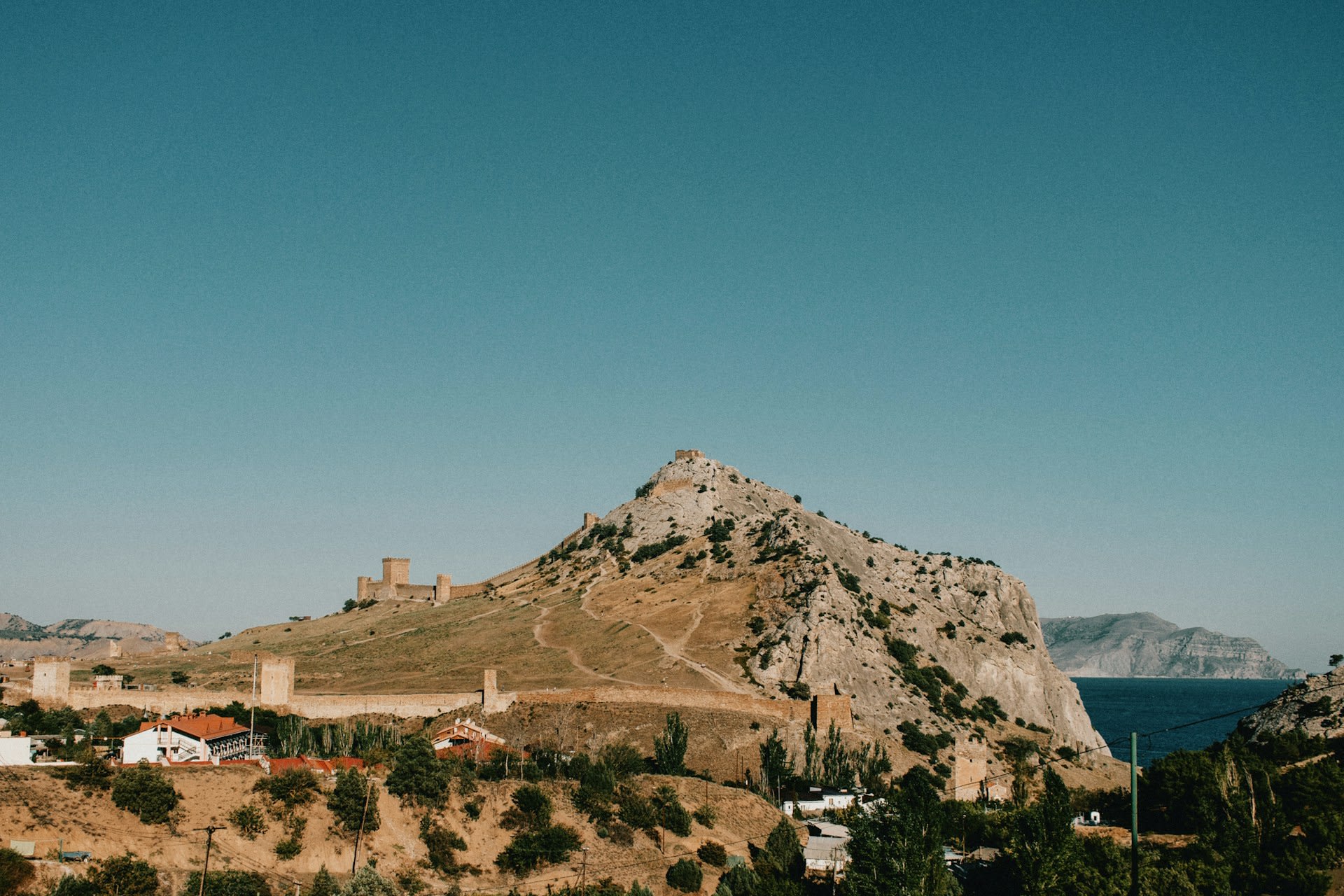
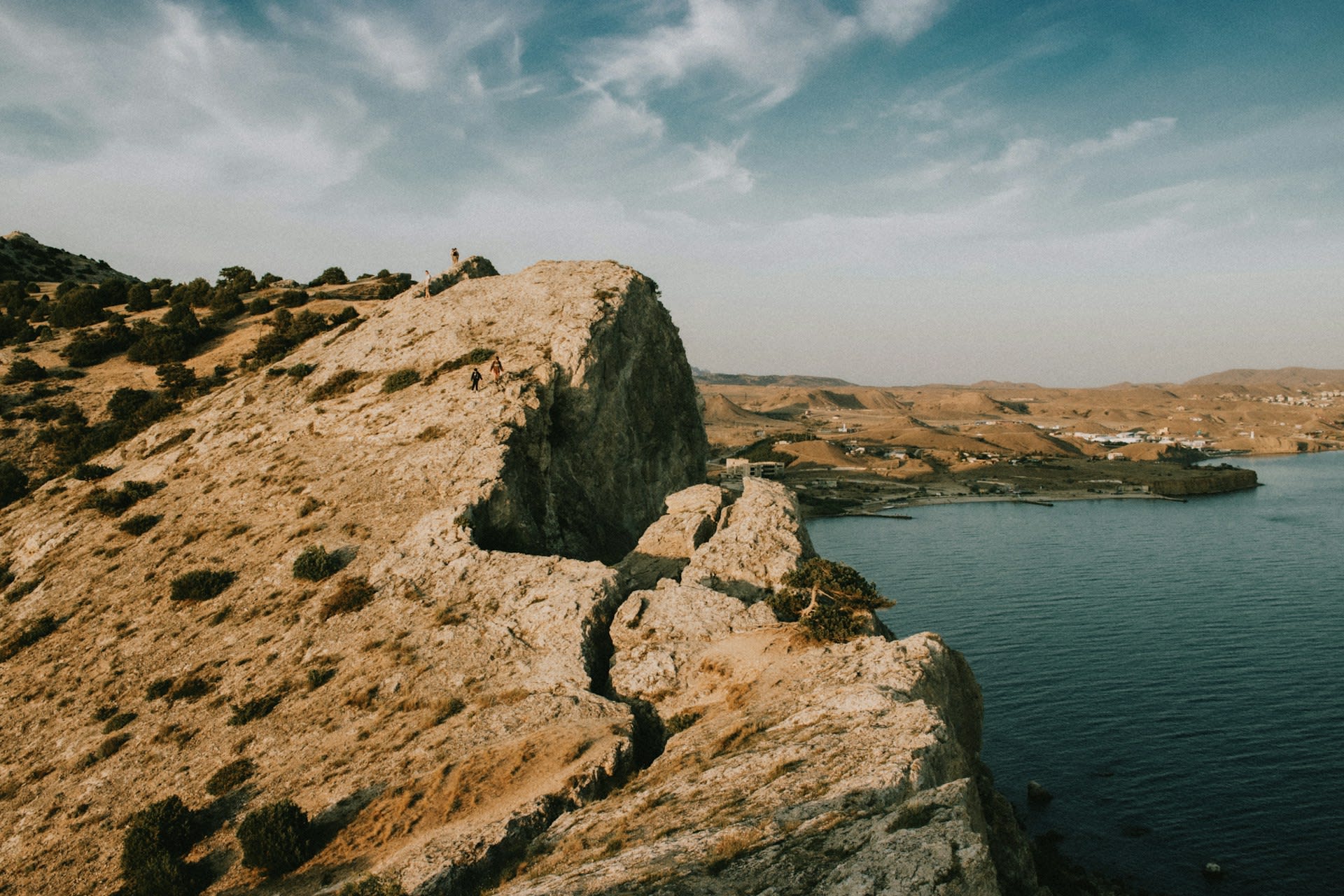
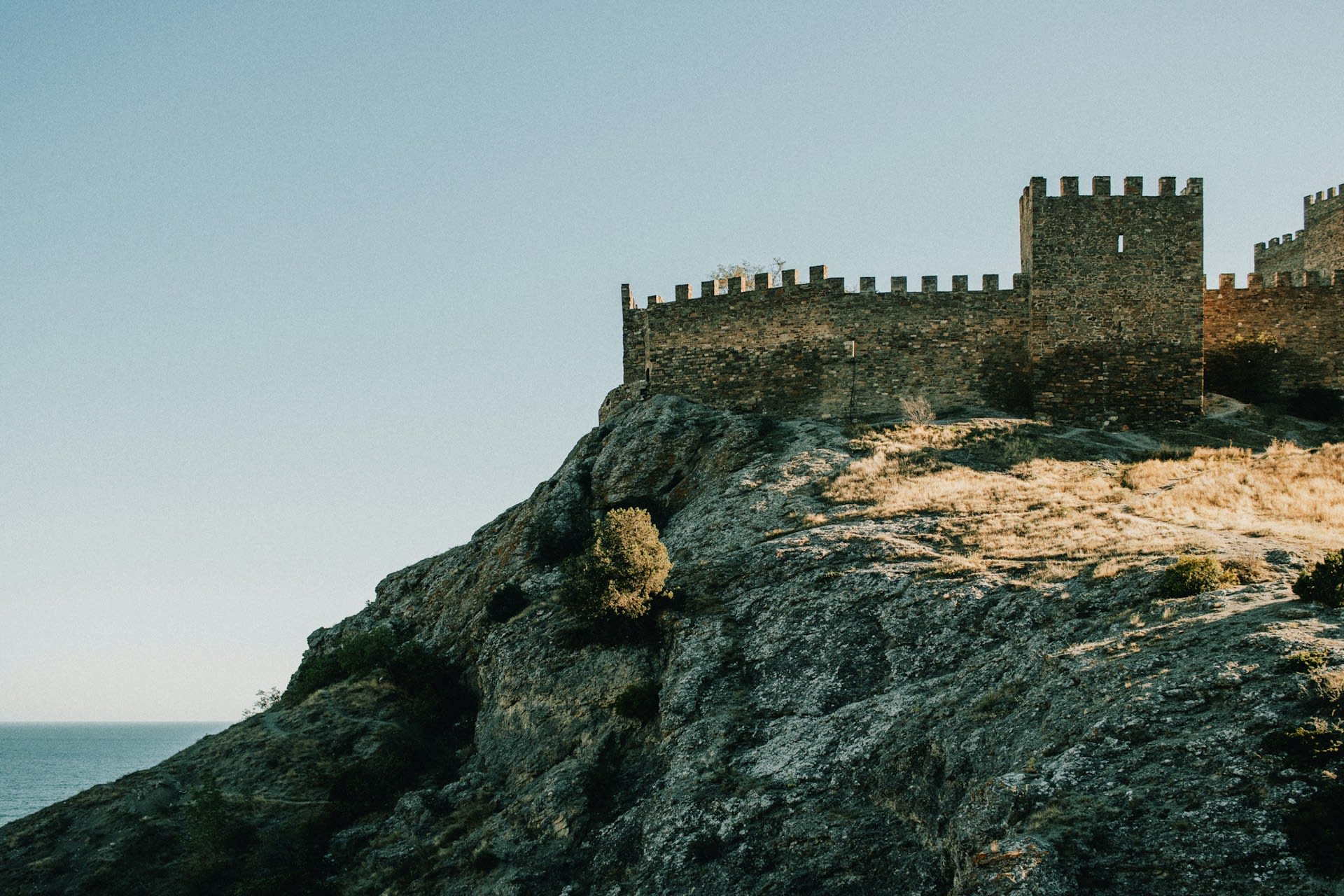
Sudak is one of the most scenically dramatic coastal towns on the Crimean peninsula, set against a backdrop of jagged limestone cliffs and a wide bay of clear Black Sea water. Its defining landmark is the Genoese Fortress, one of the best-preserved medieval fortifications in Eastern Europe, which crowns a steep headland above the beach. The surrounding coastline — a series of wild coves, rock arches, and juniper-forested cliffs — makes Sudak one of the most naturally beautiful parts of the Crimean coast.
🌍 Geography and Ecosystem
Sudak sits in a natural bay sheltered by mountain ridges that drop steeply to the sea. The landscape is defined by the unique geology of the southern Crimean coast:
- Limestone Cliffs: The headlands around Sudak are composed of Jurassic limestone, shaped by wave erosion into dramatic vertical faces, sea stacks, and caves accessible by boat.
- Cape Meganom: The wildest and most remote section of the Sudak coastline, this semi-arid cape is a protected nature reserve known for its rare steppe plants, migratory birds, and dark night skies.
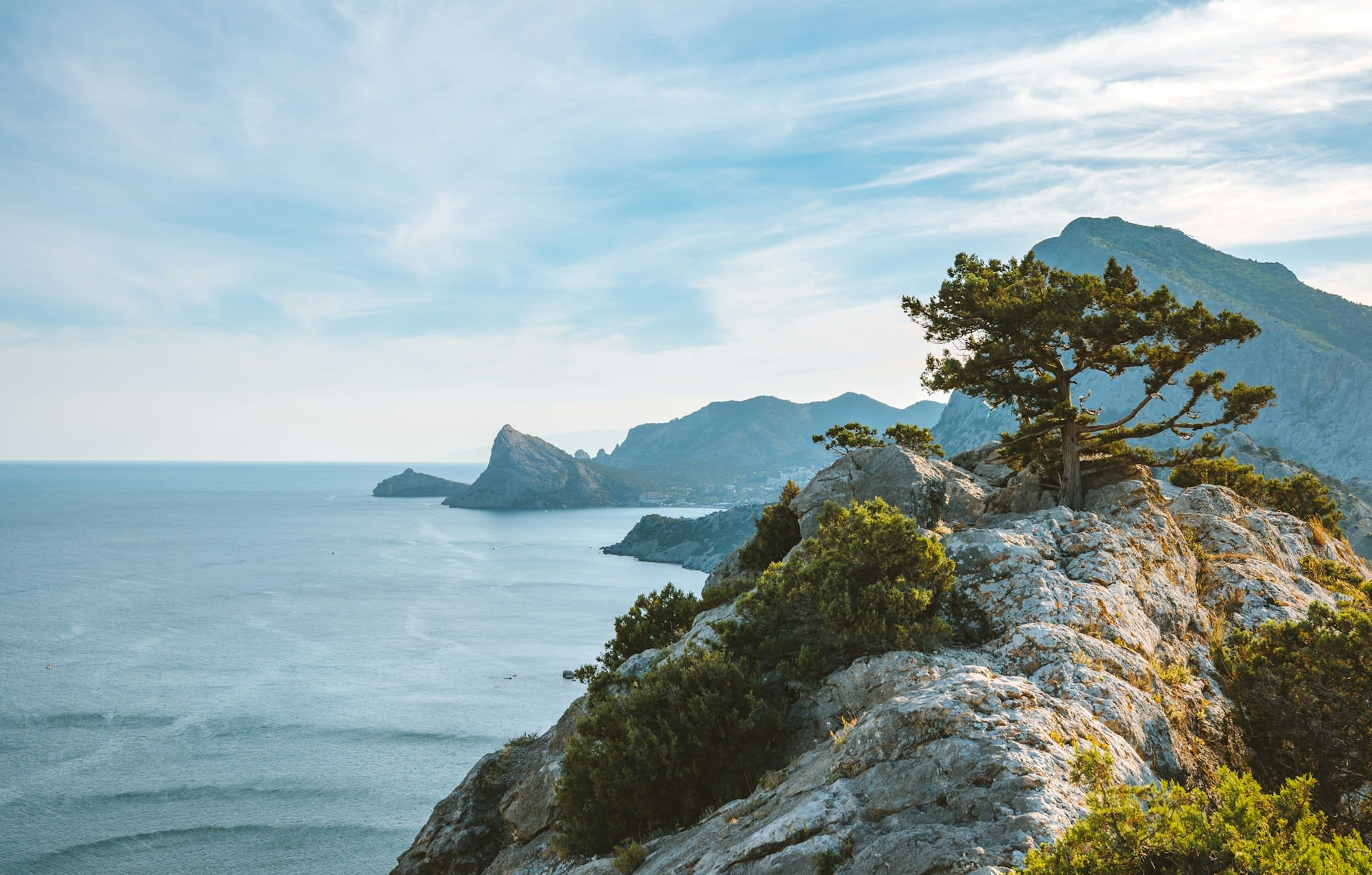
- Juniper Forest: Crimean juniper covers the hillsides around Sudak in an aromatic semi-evergreen forest unique to the Black Sea coast.
- New World Reserve: The Novyi Svit (New World) reserve immediately west of Sudak contains some of the most spectacular coves and coastal trails in Crimea.
📜 History and Cultural Significance
Sudak has been inhabited since antiquity and passed through the hands of Greeks, Huns, Khazars, Byzantines, Venetians, and Genoese before Ottoman and then Russian conquest. The Genoese Fortress, built from the 14th to 15th centuries by the Republic of Genoa as a key trading post on the Silk Road's maritime branch, is the town's most remarkable legacy. Known to the Genoese as Soldaia, it was one of the most important commercial centres of the medieval Black Sea world, trading in furs, slaves, silk, and spices.
🏃 Activities and Attractions
Sudak combines historical exploration with exceptional coastal and outdoor experiences:
- Genoese Fortress: Walking the ramparts and towers of this remarkably preserved 14th-century fortress offers panoramic views over the bay and surrounding cliffs.
- Coastal Hiking: The trail to New World (Novyi Svit) along the cliffs passes through juniper forest and above some of Crimea's most beautiful turquoise coves.
- Diving: The clear Black Sea waters around Sudak contain several accessible shipwrecks and rocky reefs for recreational divers.
- Wine Tourism: The Sudak valley has been famous for its wine since ancient Greek settlement. Nearby wineries produce Crimean wines for tasting and tours.
💡 Travel Tips
How to Get There: The nearest airport is Simferopol. From there, buses and shared taxis run regularly to Sudak (approximately 1.5–2 hours). Coordinates: 44.85° N, 34.98° E.
Best Time to Visit: May–June and September for ideal beach weather without peak-season crowds. July–August is the busiest and hottest period.
What to Bring: Sun protection, water shoes for pebble beaches, and comfortable walking shoes for the cliff paths and fortress.
Accommodation: Sudak has a wide range of guesthouses and hotels at all price points. Book well in advance for July and August.
Best Time to Visit: May–June and September for ideal beach weather without peak-season crowds. July–August is the busiest and hottest period.
What to Bring: Sun protection, water shoes for pebble beaches, and comfortable walking shoes for the cliff paths and fortress.
Accommodation: Sudak has a wide range of guesthouses and hotels at all price points. Book well in advance for July and August.
🌱 Conservation
The Cape Meganom and Novyi Svit nature reserves protect the most ecologically sensitive sections of the Sudak coastline. Key conservation concerns include uncontrolled tourist access to protected coves, cliff erosion accelerated by foot traffic on informal paths, and the impact of holiday development on coastal ecosystems. The juniper forests around Sudak are particularly fragile and represent some of the last intact stands of this endangered Crimean habitat type.
✨ Conclusion
Sudak is a place where history and natural beauty reinforce each other — where a medieval fortress overlooks a bay that has been admired for three thousand years, and where the surrounding cliffs and juniper forests remain as wild as they have always been. It is one of the Black Sea's most rewarding coastal destinations.