Sochi
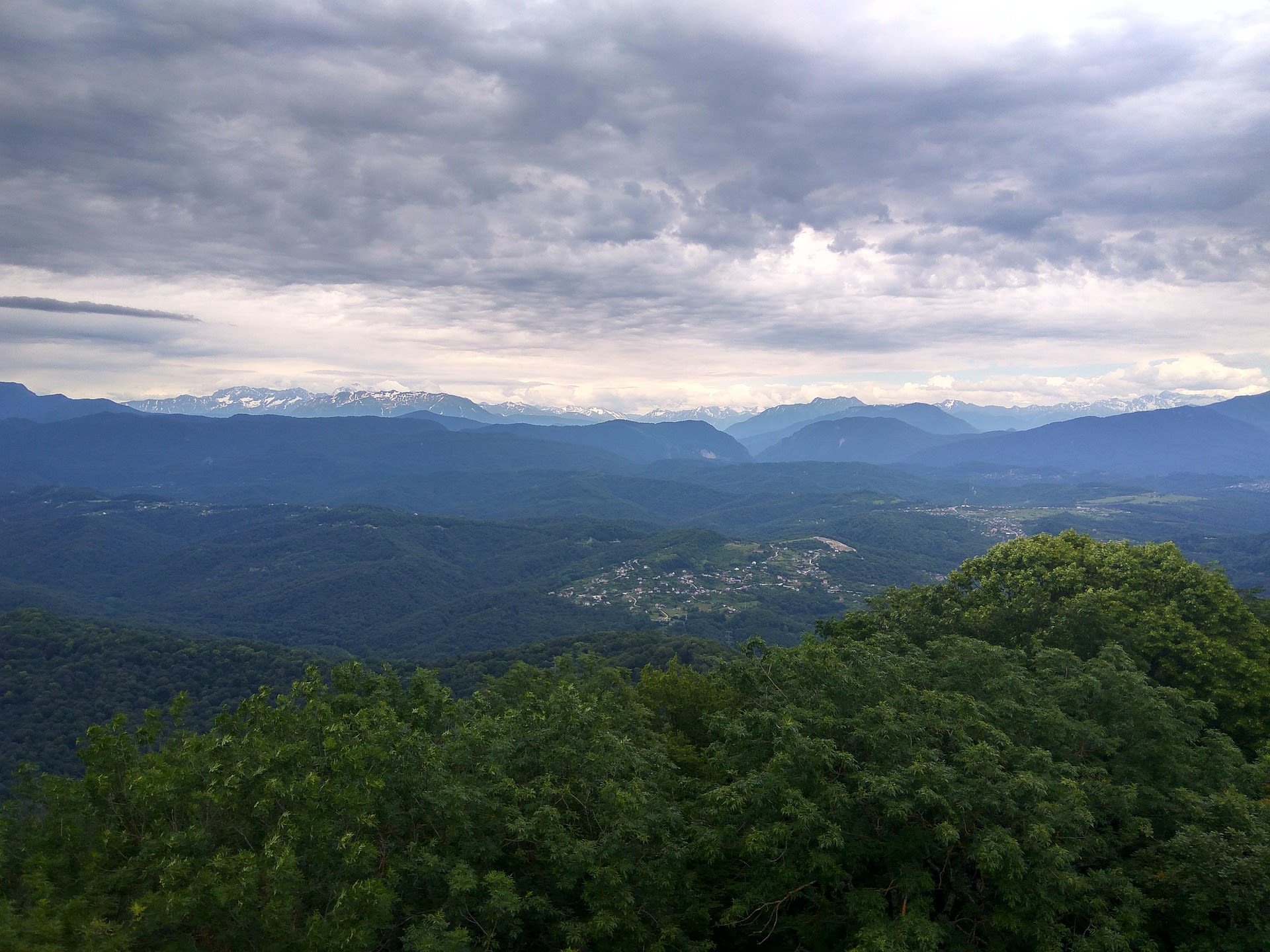
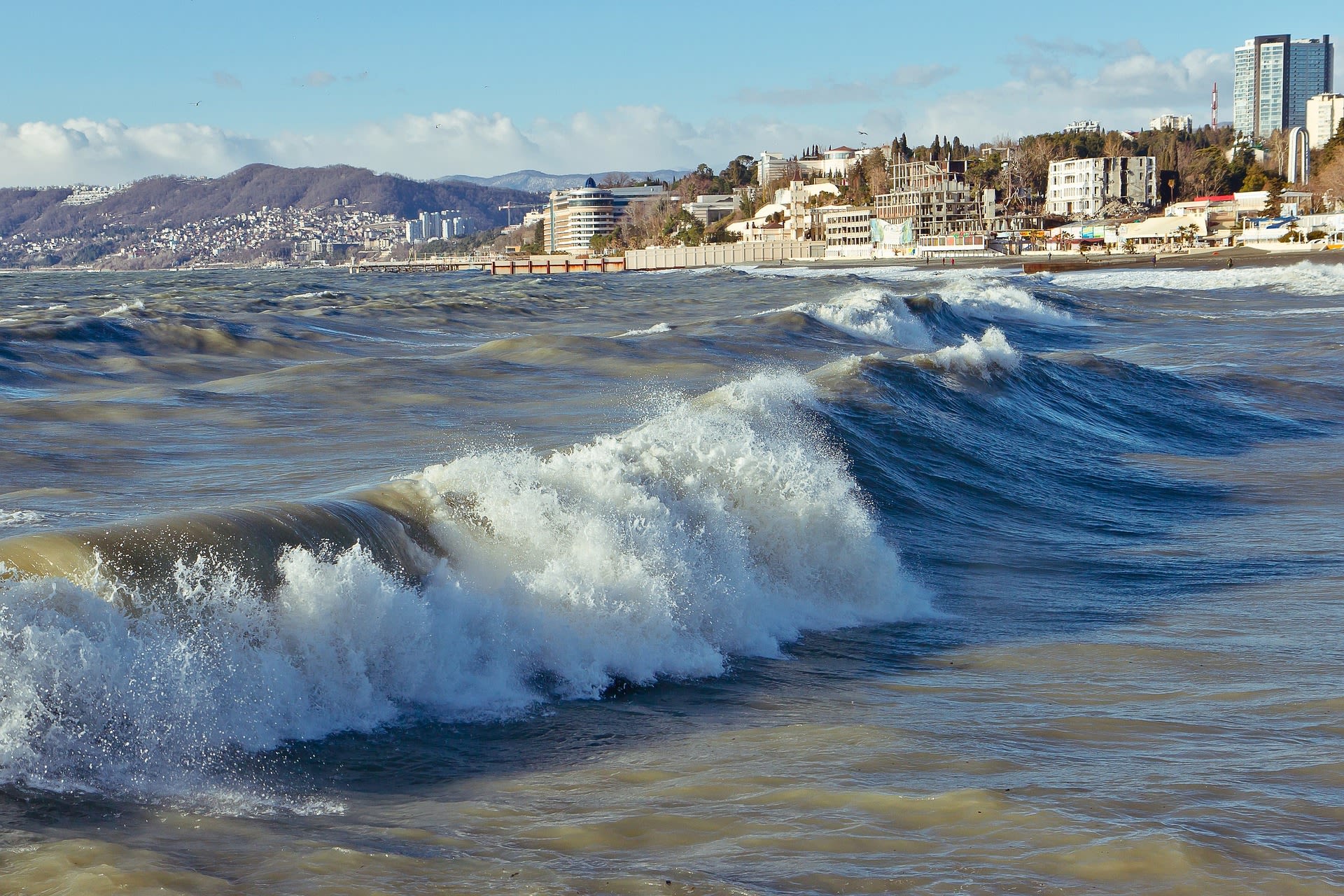
Sochi is Russia's premier coastal resort, stretching 145 km along the northeastern shore of the Black Sea in the Krasnodar Krai. It is the only place in Russia with a genuine subtropical climate — thanks to the Caucasus Mountains acting as a barrier against cold northern air — and boasts palm trees, eucalyptus groves, and wild subtropical forests alongside its Black Sea beaches. The Sochi National Park, one of Russia's largest, covers the mountain hinterland directly behind the city.
🌍 Geography and Ecosystem
The Sochi area occupies a narrow coastal strip between the Black Sea and the foothills of the Western Caucasus. This geographic compression creates extraordinary ecological diversity in a compact area:
- Subtropical Coast: The coastal zone supports relict Colchic forests — ancient woodland types dating to before the last Ice Age — with endemic species of yew, box, and laurel found nowhere else in Russia.
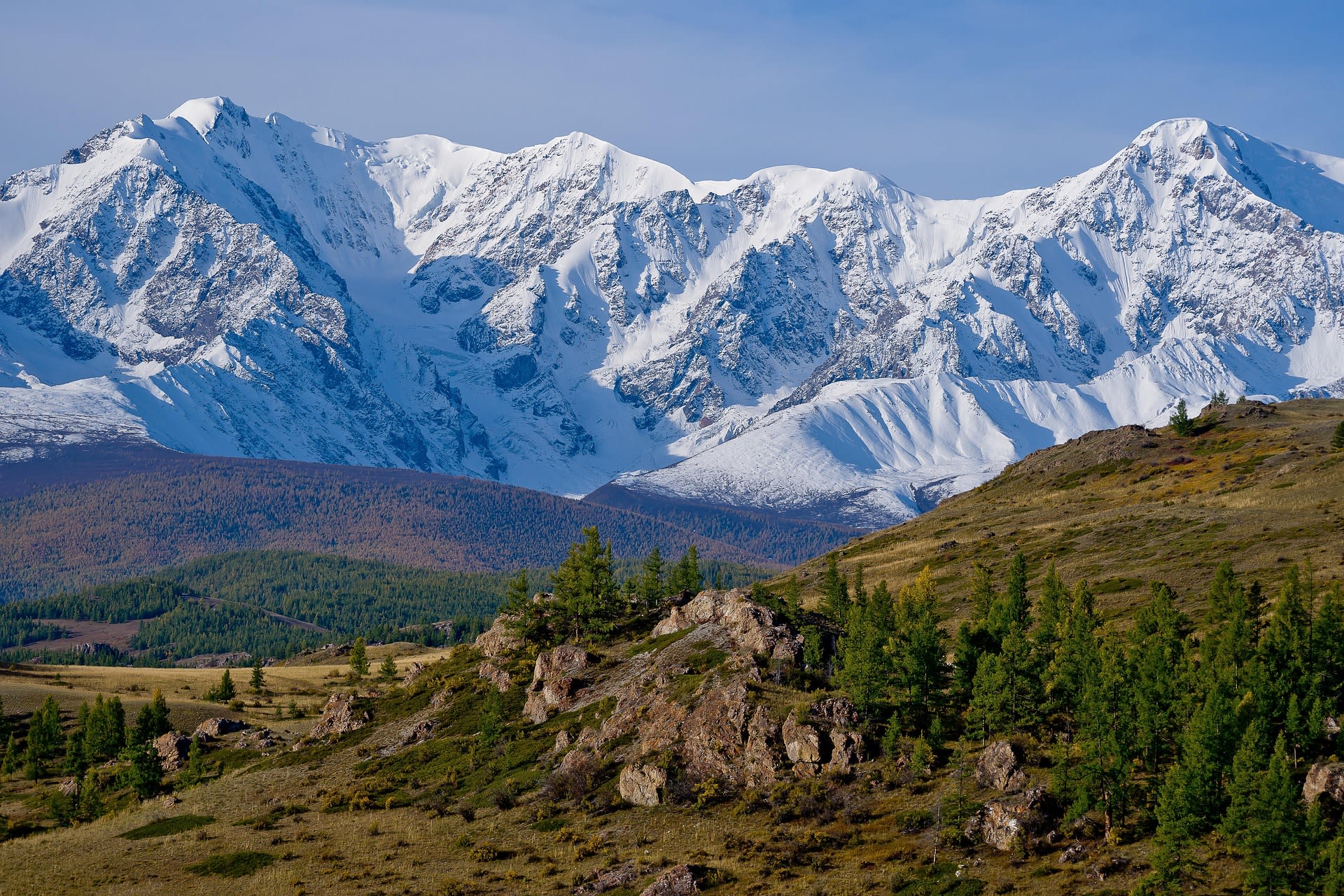
- Caucasus Foothills: Just minutes inland from the beaches, the land rises steeply into beech and fir forests, mountain meadows, and eventually the snow-covered peaks of the Greater Caucasus.
- Agura Gorge: A spectacular river gorge within the city limits, featuring waterfalls, limestone cliffs, and pools — one of the most visited natural sites in Sochi.
- Mountain Rivers: The Mzymta, Sochi, and other rivers descend rapidly from the high Caucasus, offering white-water rafting and spectacular canyon scenery.
📜 History and Cultural Significance
The Sochi coast was inhabited by the Ubykh and Shapsug Circassian peoples before Russian conquest in the 19th century. The Russo-Circassian War (1817–1864) ended with the expulsion of most of the indigenous Circassian population in what is now recognised as a genocide. Russian settlement and the construction of a military fort in 1838 laid the foundations for the modern city. Soviet-era construction transformed Sochi into the USSR's leading resort and sanatorium destination. The city gained global prominence when it hosted the 2014 Winter Olympics, with mountain venues built in the nearby ski resort of Krasnaya Polyana.
🏃 Activities and Attractions
Sochi combines beach culture with mountain adventure in a uniquely Russian way:
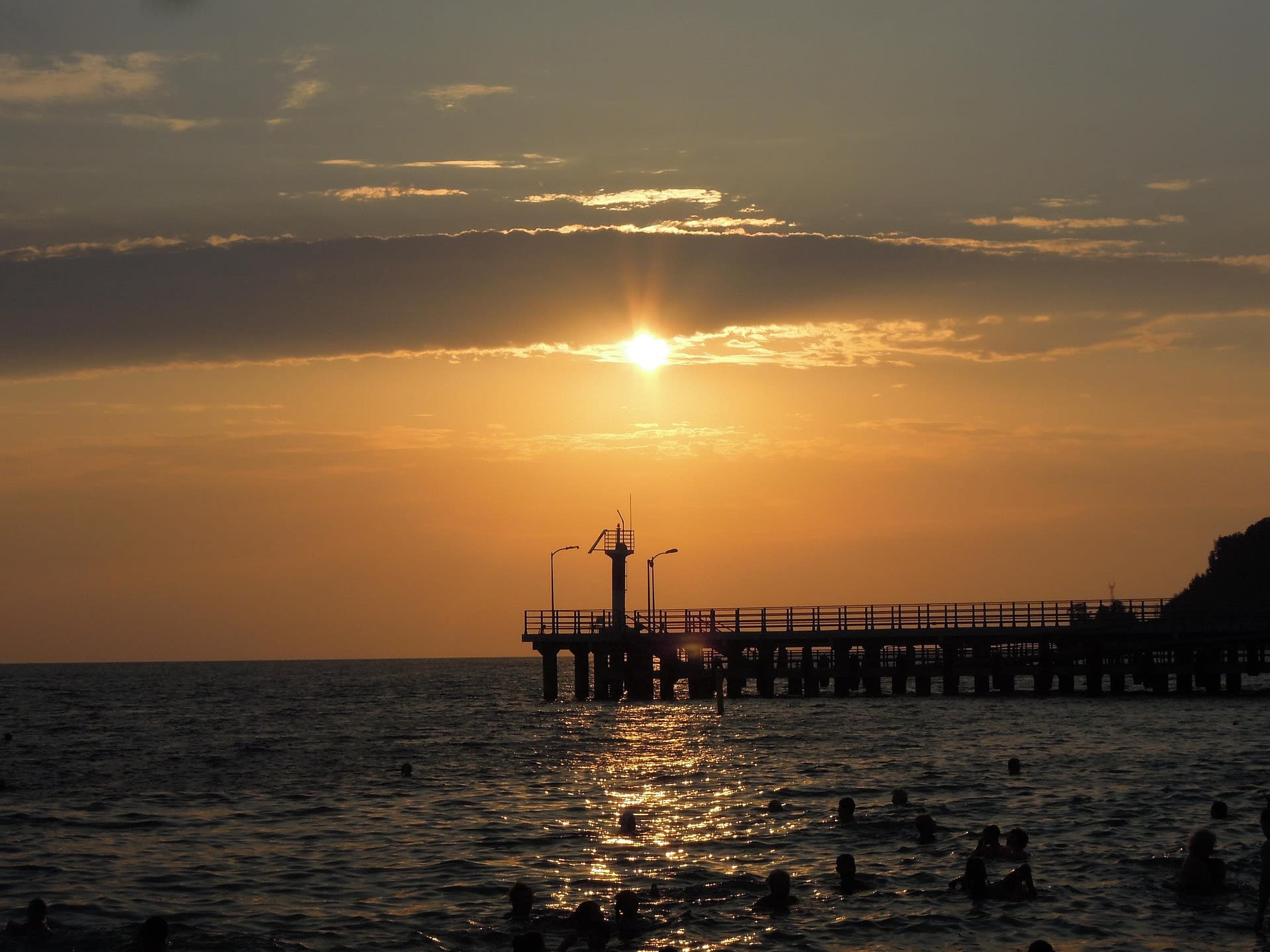
- Beach: The pebble beaches of central Sochi and nearby Adler offer warm Black Sea swimming from June to October.
- Agura Gorge Walk: A popular trail through the gorge passes three waterfalls and leads to Prometheus Cave, a spectacular illuminated cave system accessible year-round.
- Rosa Khutor Ski Resort: Built for the 2014 Olympics in the Krasnaya Polyana valley, this world-class mountain resort offers skiing in winter and mountain biking, hiking, and gondola views in summer.
- Sochi National Park: Hiking trails, lake visits, and waterfall walks in one of Russia's most biodiverse protected areas, covering the mountains directly behind the city.
💡 Travel Tips
How to Get There: Fly directly to Sochi International Airport (AER) from Moscow (2.5 hours) and many other Russian cities. Coordinates: 43.6° N, 39.73° E.
Best Time to Visit: June–September for beach season. December–March for skiing at Krasnaya Polyana. Spring and autumn offer pleasant hiking weather with fewer crowds.
What to Bring: Sunscreen, swimwear, and light summer clothing for the coast; warm layers and ski gear for mountain excursions even in summer.
Accommodation: Sochi has a wide range of hotels along the coast from budget hostels to luxury resorts. Krasnaya Polyana has ski lodge accommodation for winter visitors.
Best Time to Visit: June–September for beach season. December–March for skiing at Krasnaya Polyana. Spring and autumn offer pleasant hiking weather with fewer crowds.
What to Bring: Sunscreen, swimwear, and light summer clothing for the coast; warm layers and ski gear for mountain excursions even in summer.
Accommodation: Sochi has a wide range of hotels along the coast from budget hostels to luxury resorts. Krasnaya Polyana has ski lodge accommodation for winter visitors.
🌱 Conservation
Sochi National Park protects over 190,000 hectares of some of Russia's most biodiverse forest, including habitat for the critically endangered Caucasian leopard. The rapid development associated with the 2014 Olympics caused significant environmental controversy, with protected wetlands and forest areas affected by road and venue construction. Conservation organisations have continued to monitor recovery of affected ecosystems and push for stronger enforcement of park boundaries against encroachment by resort development.
✨ Conclusion
Sochi is unlike anywhere else in Russia — a subtropical coast where palm trees grow in the shadow of snow-capped Caucasian peaks, where you can ski in the morning and swim in the Black Sea in the afternoon. For international visitors unfamiliar with Russia's warmer south, it offers a striking and entirely unexpected face of the country.