Mount Elbrus
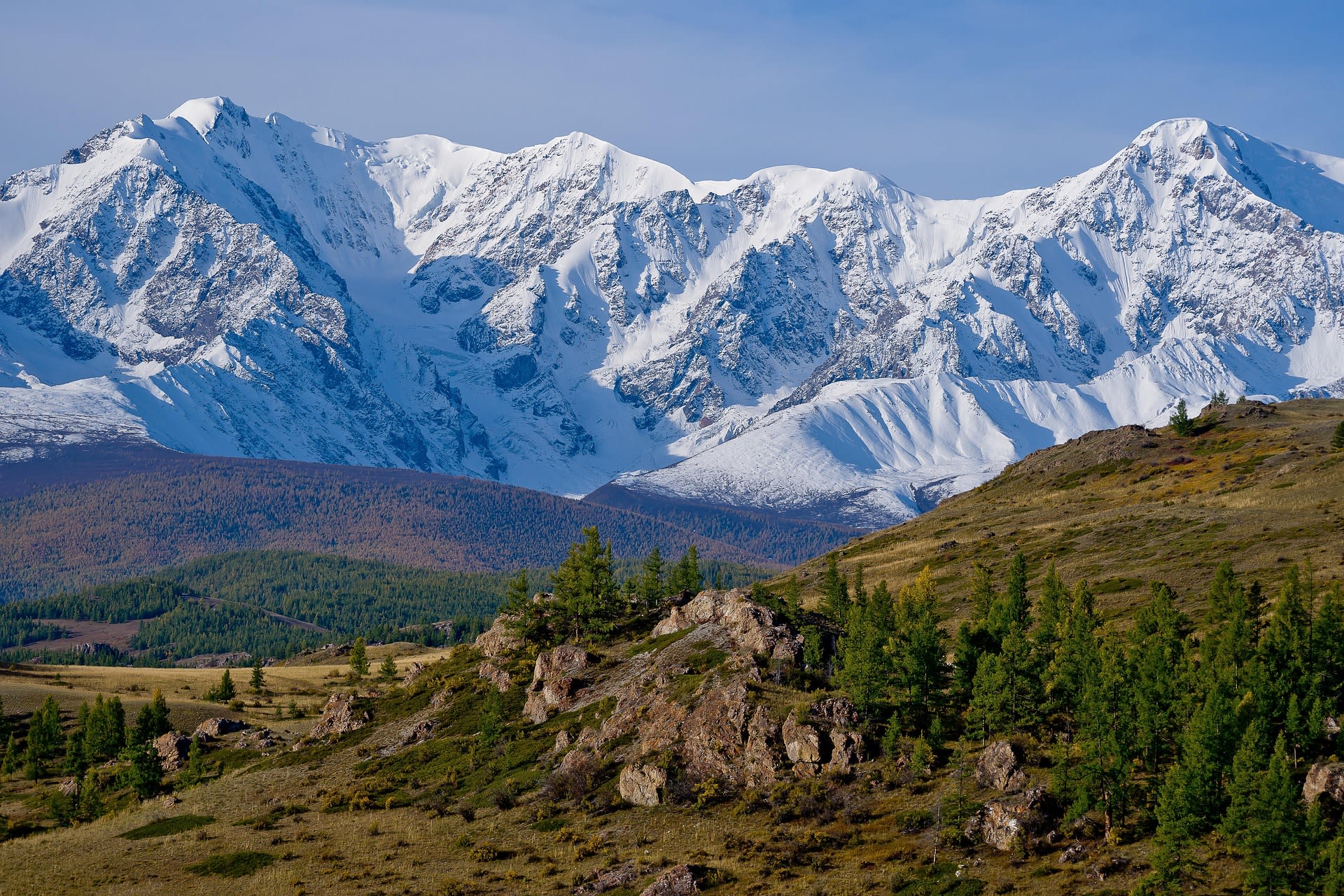
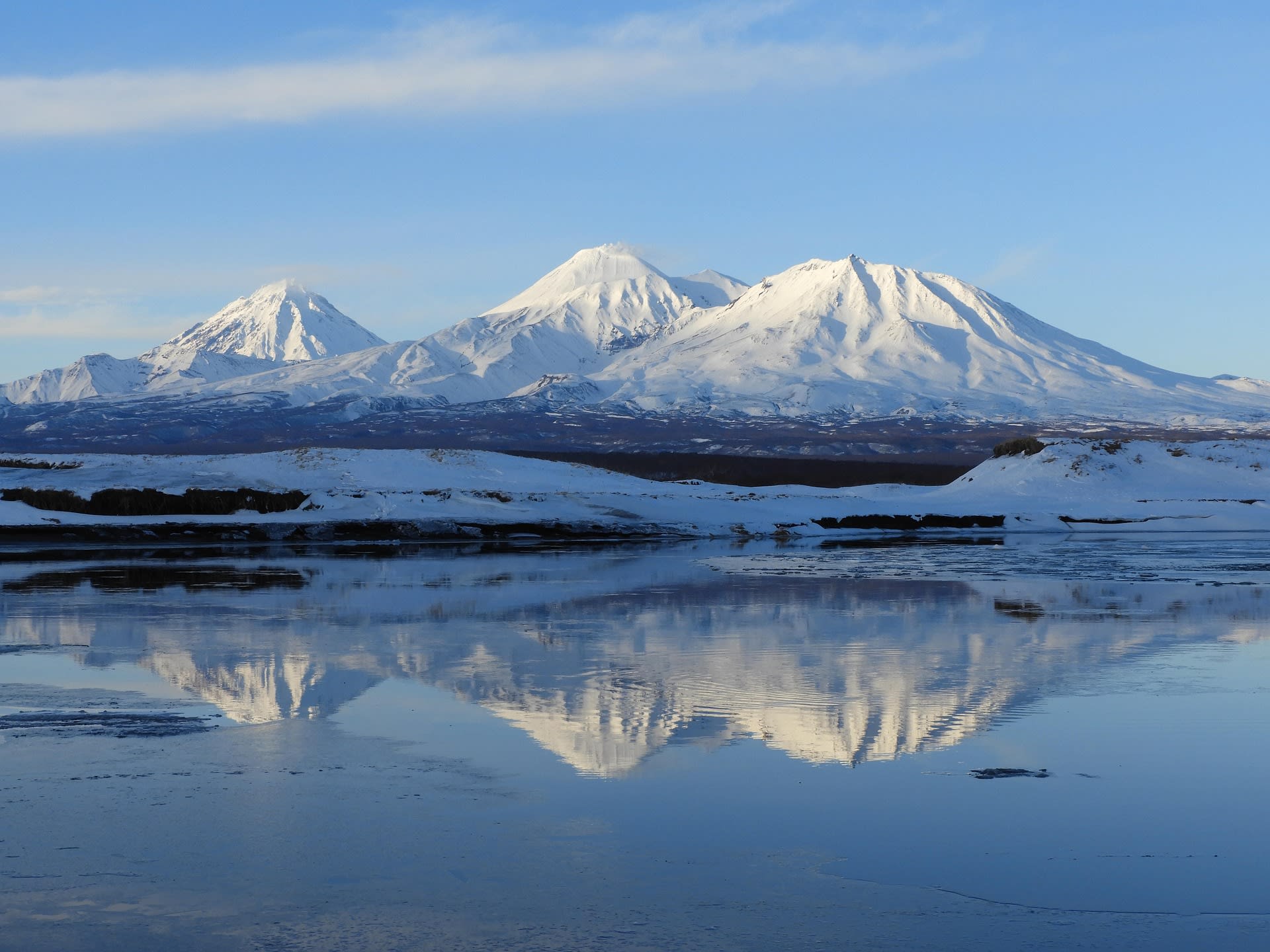
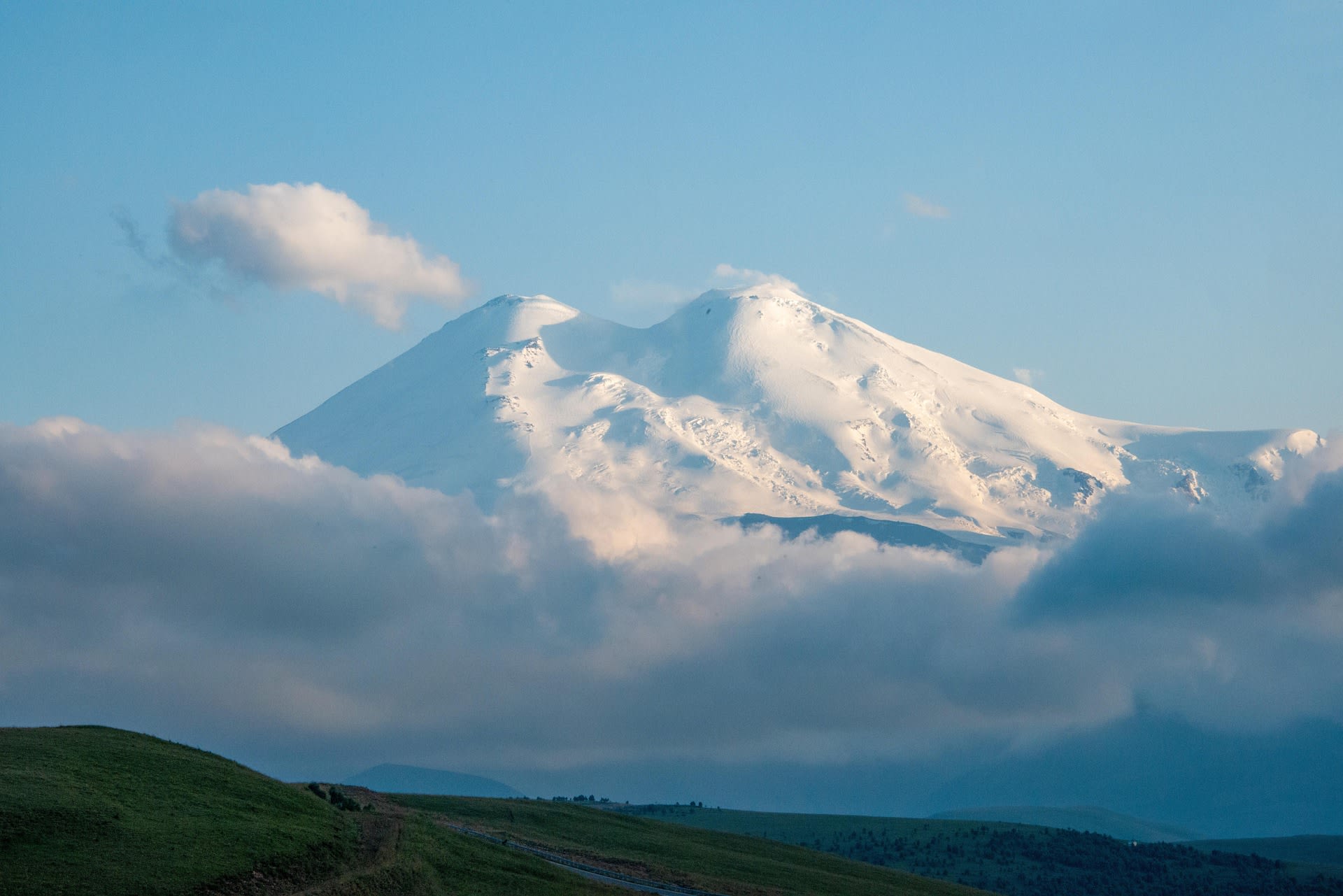
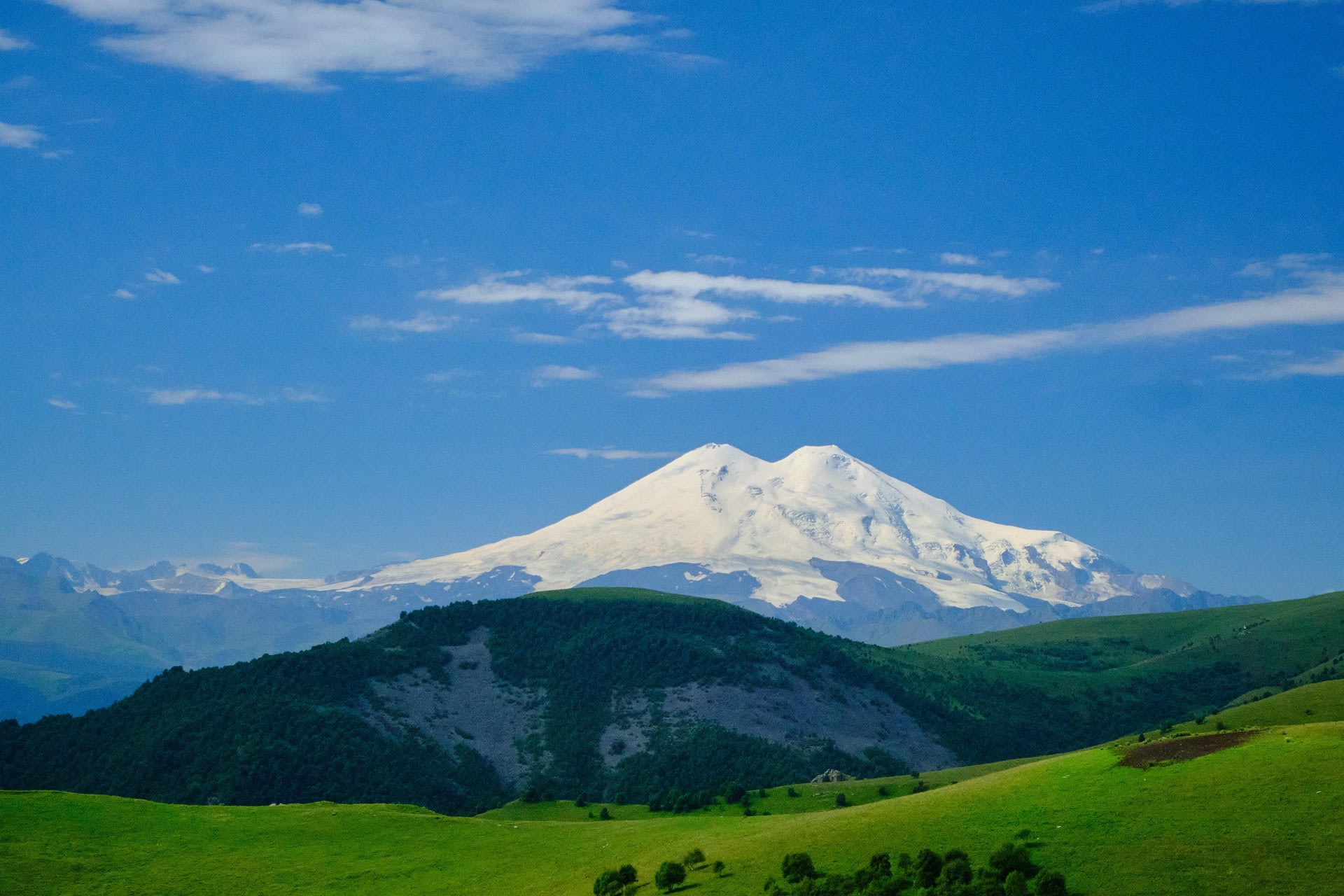
Mount Elbrus is the highest peak in Europe at 5,642 metres and one of the Seven Summits — the highest points on each continent. Located in the Caucasus Mountains on the border of Kabardino-Balkaria and Karachay-Cherkessia, Elbrus is a dormant stratovolcano whose twin summits are perennially capped with snow and ice. It is the centrepiece of the Elbrus National Park and a magnet for mountaineers, skiers, and high-altitude trekkers from around the world.
🌍 Geography and Ecosystem
Elbrus rises from the main Caucasus ridge and dominates the surrounding landscape with its massive glaciated bulk. Its volcanic origins give it a distinctive rounded profile compared to the jagged peaks of the Greater Caucasus:
- Glaciers: Twenty-two glaciers descend from Elbrus's flanks, feeding the Baksan, Kuban, and Malka rivers. The Bolshoy Azau glacier is the largest and most visited, accessible from the ski resort base.
- Alpine Zones: Below the permanent snow line, Elbrus is ringed by alpine meadows rich in wildflowers, including rare Caucasian species of gentian, primrose, and edelweiss.
- Wildlife: The Elbrus area is home to West Caucasian tur (a mountain goat endemic to the Caucasus), chamois, brown bears, wolves, and golden eagles.
- Volcanic Features: Though dormant, Elbrus shows signs of hydrothermal activity with hot springs at its base in the Baksan Valley.
📜 History and Cultural Significance
Elbrus has been revered in the cultures of the Kabardian, Balkar, and other Caucasian peoples for centuries. In Balkar tradition the mountain is called 'Mingi-Tau' (Thousand Mountains) and associated with the abode of Tengri, the sky god. The first recorded ascent was made in 1829 by Killar Khachirov, a Circassian guide accompanying a Russian scientific expedition. During World War II, Elbrus became a symbolic battleground — Nazi forces briefly hoisted swastika flags on the summit in 1942 before Soviet mountain troops recaptured it in 1943, restoring the Soviet flag in one of the war's most dramatic high-altitude operations.
🏃 Activities and Attractions
Elbrus serves as a hub for both serious mountaineering and accessible alpine tourism:
- Summit Ascent: The standard route from the south via the Garabashi cable car station is non-technical but demanding, requiring acclimatisation, good fitness, and proper equipment. Success rates vary significantly by season and weather.
- Skiing and Snowboarding: The Elbrus ski resort is Russia's highest, with runs beginning at 3,847 m. The season runs from November to May, with excellent powder conditions in winter.
- Trekking: The Baksan Valley and surrounding trails offer spectacular multi-day routes through alpine scenery without the commitment of summit mountaineering.
- Acclimatisation Walks: For those preparing a summit attempt, hikes to the Cheget viewpoint and the Terskol waterfalls are popular warm-up options.
💡 Travel Tips
How to Get There: Fly to Mineralnye Vody and take a 3-hour bus or taxi through the Baksan Valley to the resort area. Coordinates: 43.35° N, 42.43° E.
Best Time to Visit: May–June and August–September for summit attempts with best weather windows. December–March for skiing.
What to Bring: For summit attempts: crampons, ice axe, high-altitude sleeping bag, and extensive sun protection at altitude. Altitude sickness affects many visitors above 4,000 m — acclimatise properly over at least 2–3 days.
Accommodation: The Azau resort area has hotels and mountain huts (barrels/priuts) at various altitudes up to 3,912 m, allowing staged acclimatisation.
Best Time to Visit: May–June and August–September for summit attempts with best weather windows. December–March for skiing.
What to Bring: For summit attempts: crampons, ice axe, high-altitude sleeping bag, and extensive sun protection at altitude. Altitude sickness affects many visitors above 4,000 m — acclimatise properly over at least 2–3 days.
Accommodation: The Azau resort area has hotels and mountain huts (barrels/priuts) at various altitudes up to 3,912 m, allowing staged acclimatisation.
🌱 Conservation
Elbrus National Park was established in 1986 to protect the mountain's fragile alpine and subalpine ecosystems. The rapid growth of the ski resort has brought infrastructure pressure, litter, and erosion to the southern slopes. Waste management at high altitude is a chronic problem, with decades of mountaineering expeditions having left debris at various camps. Conservation initiatives focus on mandatory clean-up protocols for expeditions, reforestation of lower slopes disturbed by resort construction, and monitoring of the West Caucasian tur population, which is classified as endangered globally.
✨ Conclusion
Whether you come to stand on the roof of Europe, to ski extraordinary high-altitude runs, or simply to gaze at one of the world's most iconic mountain forms, Elbrus delivers. It is a mountain that demands respect — its weather changes with frightening speed and altitude takes its toll — but for those who arrive prepared, it offers an experience of rare grandeur.