
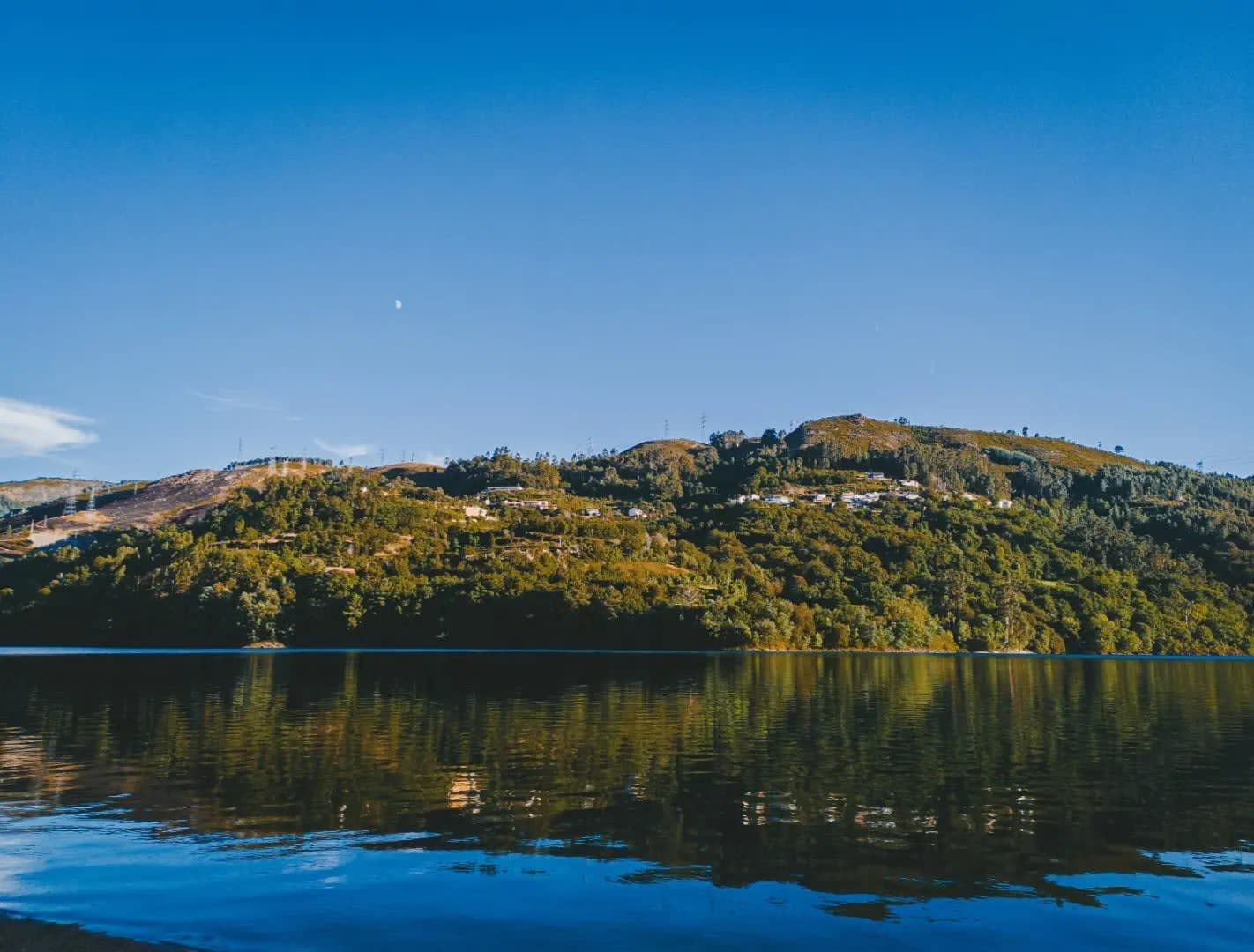
Peneda-Gerês
Parque Nacional da Peneda-Gerês, commonly known as Gerês National Park, is Portugal’s only national park, renowned for its diverse landscapes, rich biodiversity, and cultural heritage. Located in the northwest of Portugal, straddling the border with Spain, this protected area offers a haven for nature enthusiasts, hikers, and those seeking to explore the beauty of the Portuguese wilderness. This guide delves into the park’s geography, history, activities, travel tips, conservation efforts, and visitor experiences to provide a comprehensive understanding of this stunning natural treasure.
🌍 Geography and Natural Features
Parque Nacional da Peneda-Gerês encompasses a variety of geographical features, from rugged mountain ranges to lush valleys and pristine rivers. The park’s diverse terrain supports a wide range of flora and fauna, making it a focal point for nature lovers.
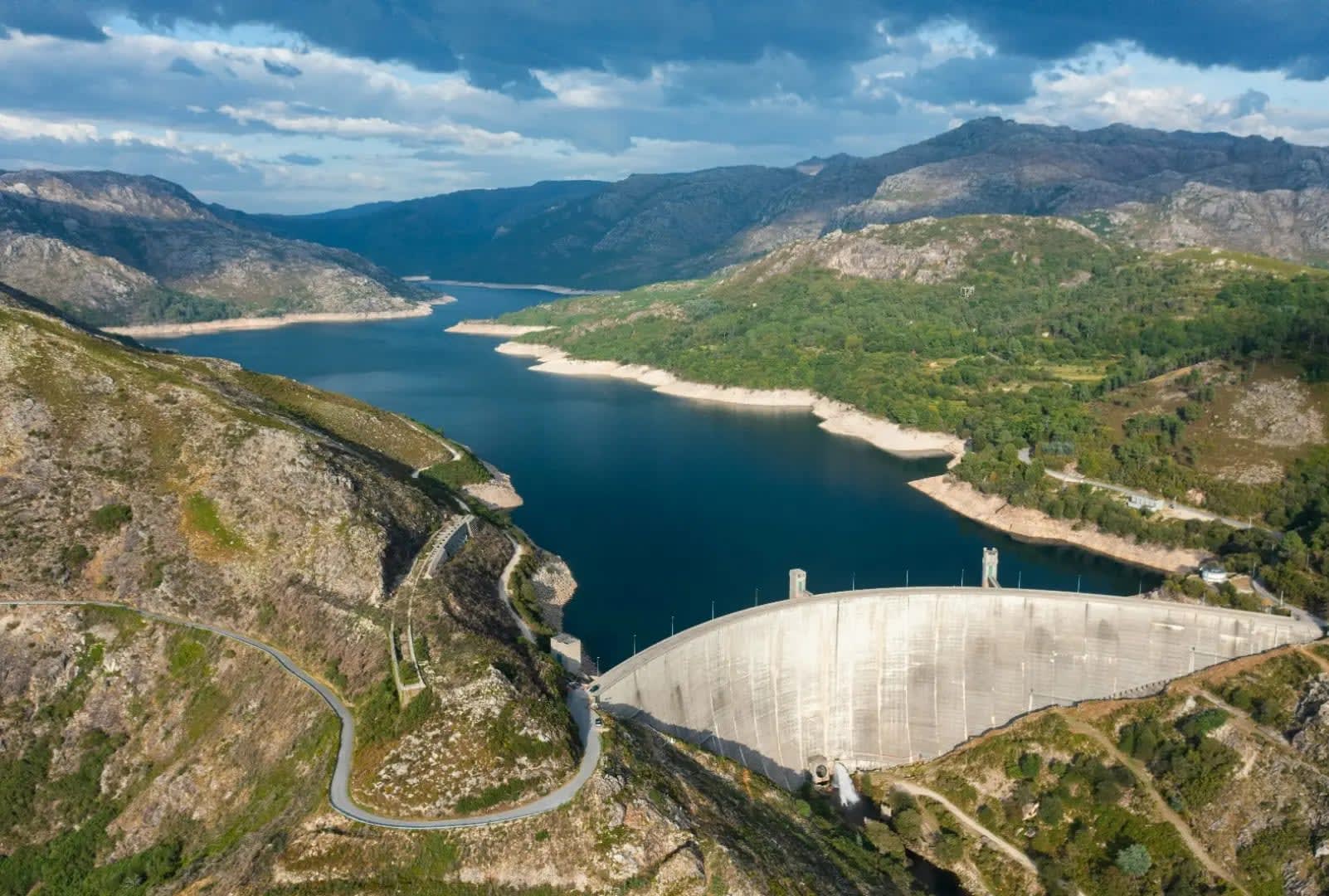
- Mountain Ranges: The park is dominated by the Peneda and Gerês mountain ranges, which are characterized by steep slopes, granite peaks, and deep valleys. The highest point in the park is the Serra do Gerês, which rises to approximately 1,545 meters (5,069 feet) above sea level. The dramatic mountain scenery is a highlight for visitors, offering stunning views and a sense of rugged natural beauty.
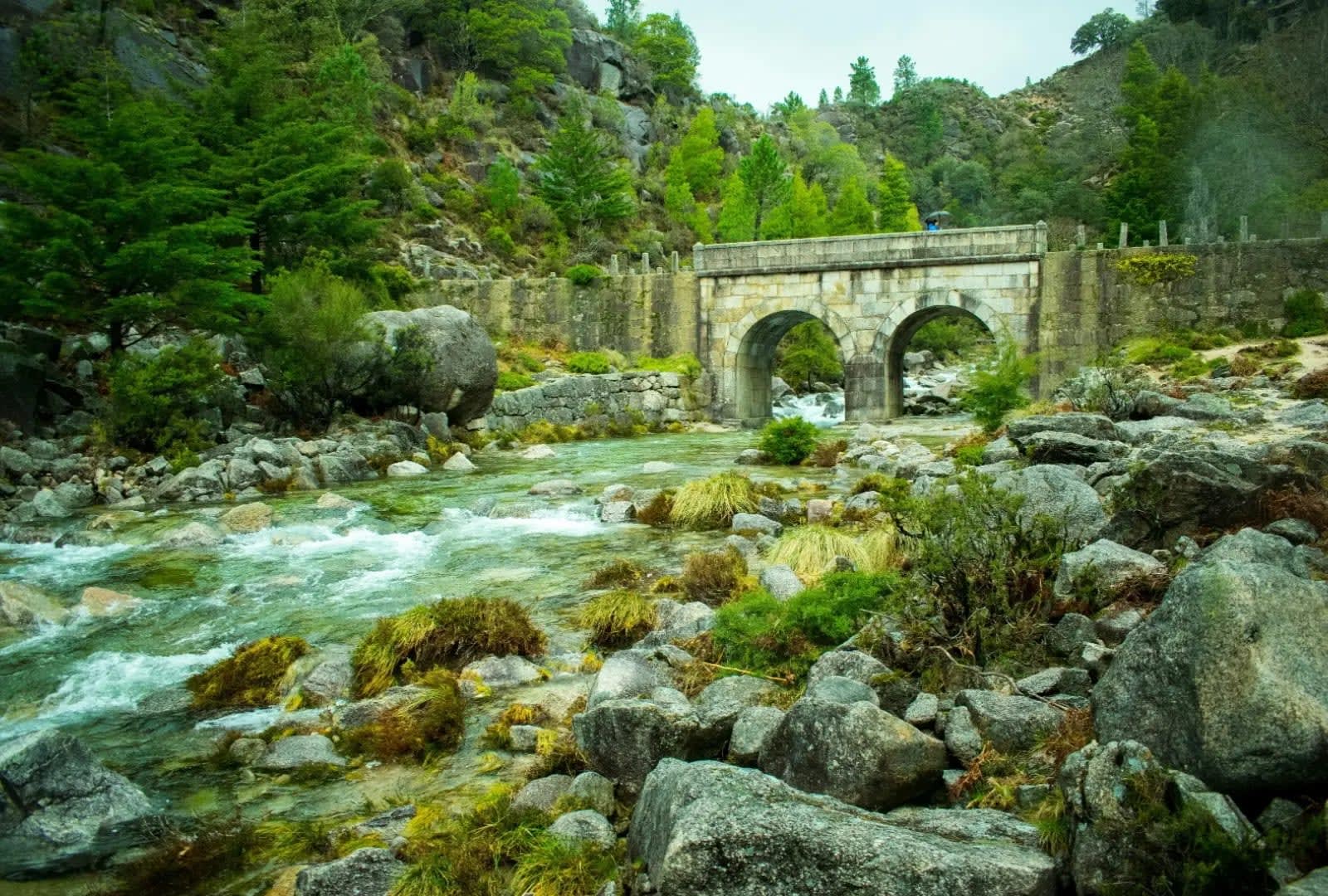
- Rivers and Waterfalls: The park is traversed by several rivers, including the Rio Lima and Rio Cávado, which contribute to its picturesque landscapes. The rivers and their tributaries create a network of waterfalls and cascades, such as the iconic Cascata do Arado and Cascata do Tahiti. These waterfalls add to the park’s charm and provide opportunities for visitors to enjoy scenic spots and refreshing natural pools.
- Forests and Vegetation: Gerês National Park is known for its diverse vegetation, including lush forests, heathlands, and alpine meadows. The park’s forests are predominantly composed of oak, chestnut, and pine trees, with areas of mixed woodland and shrubland. The Laurisilva forest, a remnant of the ancient subtropical forests that once covered much of Europe, is another notable feature of the park’s flora.
📜 History and Cultural Significance
The history of Parque Nacional da Peneda-Gerês is marked by its human settlement, cultural heritage, and historical significance. The park’s cultural landscape reflects its role as a historical and ecological treasure in Portugal.
Historical Settlements: The region around Gerês has been inhabited since ancient times, with evidence of prehistoric human activity such as rock carvings and megalithic monuments. The park contains numerous archaeological sites, including ancient stone structures and ruins from early human settlements. The presence of these historical sites adds depth to the park’s cultural significance and provides insights into the region’s past.
Traditional Agriculture: The traditional agricultural practices of the local communities have shaped the landscape of the park. Terraced fields, traditional stone houses, and pastoral farming are integral aspects of the park’s cultural heritage. The park’s villages, such as Gerês and Pitões das Júnias, maintain traditional ways of life and offer visitors a glimpse into the region’s rural culture.
Roman Influence: The region was also influenced by Roman rule, with remnants of Roman roads and infrastructure found in the area. The historical significance of the park is underscored by these archaeological traces, which highlight the long-standing human connection to the landscape.
Historical Settlements: The region around Gerês has been inhabited since ancient times, with evidence of prehistoric human activity such as rock carvings and megalithic monuments. The park contains numerous archaeological sites, including ancient stone structures and ruins from early human settlements. The presence of these historical sites adds depth to the park’s cultural significance and provides insights into the region’s past.
Traditional Agriculture: The traditional agricultural practices of the local communities have shaped the landscape of the park. Terraced fields, traditional stone houses, and pastoral farming are integral aspects of the park’s cultural heritage. The park’s villages, such as Gerês and Pitões das Júnias, maintain traditional ways of life and offer visitors a glimpse into the region’s rural culture.
Roman Influence: The region was also influenced by Roman rule, with remnants of Roman roads and infrastructure found in the area. The historical significance of the park is underscored by these archaeological traces, which highlight the long-standing human connection to the landscape.
🏃 Activities and Attractions
Parque Nacional da Peneda-Gerês offers a wide range of activities and attractions for visitors, from outdoor adventures to cultural experiences.
- Hiking and Trekking: The park is a paradise for hikers and trekkers, with numerous trails and routes to explore. Popular hikes include the trek to the summit of Serra do Gerês, which offers panoramic views of the surrounding mountains and valleys. Other notable trails include the route to Cascata do Arado and the loop around the Lagoa do Alvão. Hiking enthusiasts can enjoy a variety of terrain, from forest paths to rocky ridges.
- Wildlife Watching: Gerês National Park is home to a diverse array of wildlife, including species such as the Iberian wolf, wild boar, and roe deer. Birdwatchers can also spot a variety of bird species, including the golden eagle and the griffon vulture. Wildlife observation is a rewarding experience for visitors interested in the park’s rich biodiversity.
- Cultural Exploration: The park’s villages and historical sites offer opportunities for cultural exploration. Visitors can explore traditional stone houses, ancient churches, and local markets in towns such as Gerês and Pitões das Júnias. The park’s cultural heritage is reflected in its architecture, traditions, and local crafts.
- Water Activities: The rivers and lakes in the park provide opportunities for water-based activities such as kayaking, fishing, and swimming. The clear waters of the park’s rivers and natural pools are ideal for a refreshing dip, while fishing enthusiasts can enjoy catching trout and other freshwater species.
💡 Travel Tips
To make the most of your visit to Parque Nacional da Peneda-Gerês, consider the following travel tips:
Best Time to Visit: The best time to visit the park is during the spring (April to June) and autumn (September to October), when the weather is mild and the landscapes are at their most picturesque. Summer (July to August) can be warmer and busier, while winter (November to March) can be cold and snowy, making some trails less accessible. Check weather conditions before traveling to ensure a pleasant visit.
Getting There: The park is accessible by car from major cities such as Porto and Braga. The nearest town to the park is Gerês, which serves as a gateway for visitors. Public transportation options are limited, so renting a car is recommended for exploring the park and its surroundings. Several parking areas are available near key trailheads and attractions.
What to Bring: Wear comfortable hiking shoes and layered clothing suitable for changing weather conditions. Bring essentials such as a map, compass, and plenty of water for outdoor activities. If visiting during the winter, bring appropriate cold-weather gear and be prepared for icy conditions. A camera is also recommended for capturing the park’s stunning landscapes.
Health and Safety: The park is generally safe for visitors, but be aware of potential hazards such as uneven terrain and wildlife encounters. Follow park guidelines and stay on marked trails to ensure safety. Inform someone of your hiking plans and estimated return time, especially if venturing into remote areas. Mobile phone coverage may be limited in some parts of the park.
Best Time to Visit: The best time to visit the park is during the spring (April to June) and autumn (September to October), when the weather is mild and the landscapes are at their most picturesque. Summer (July to August) can be warmer and busier, while winter (November to March) can be cold and snowy, making some trails less accessible. Check weather conditions before traveling to ensure a pleasant visit.
Getting There: The park is accessible by car from major cities such as Porto and Braga. The nearest town to the park is Gerês, which serves as a gateway for visitors. Public transportation options are limited, so renting a car is recommended for exploring the park and its surroundings. Several parking areas are available near key trailheads and attractions.
What to Bring: Wear comfortable hiking shoes and layered clothing suitable for changing weather conditions. Bring essentials such as a map, compass, and plenty of water for outdoor activities. If visiting during the winter, bring appropriate cold-weather gear and be prepared for icy conditions. A camera is also recommended for capturing the park’s stunning landscapes.
Health and Safety: The park is generally safe for visitors, but be aware of potential hazards such as uneven terrain and wildlife encounters. Follow park guidelines and stay on marked trails to ensure safety. Inform someone of your hiking plans and estimated return time, especially if venturing into remote areas. Mobile phone coverage may be limited in some parts of the park.
🌱 Conservation
Conservation efforts in Parque Nacional da Peneda-Gerês focus on preserving the park’s natural and cultural heritage, protecting its biodiversity, and promoting sustainable practices.
Environmental Protection: The park’s management is dedicated to preserving its diverse ecosystems and natural landscapes. Conservation initiatives include habitat restoration, control of invasive species, and protection of endangered wildlife. The park’s management works to ensure that human activities do not negatively impact the environment.
Cultural Heritage: Efforts are also made to protect and promote the park’s cultural heritage. This includes preserving traditional architecture, supporting local crafts, and maintaining historical sites. Conservation projects aim to balance the preservation of cultural heritage with the needs of local communities and visitors.
Sustainable Tourism: Sustainable tourism practices are encouraged to minimize the environmental impact of tourism. This includes promoting responsible behavior, reducing waste, and supporting local businesses. The park’s management works to ensure that tourism benefits the local economy while preserving the natural and cultural assets of the region.
Environmental Protection: The park’s management is dedicated to preserving its diverse ecosystems and natural landscapes. Conservation initiatives include habitat restoration, control of invasive species, and protection of endangered wildlife. The park’s management works to ensure that human activities do not negatively impact the environment.
Cultural Heritage: Efforts are also made to protect and promote the park’s cultural heritage. This includes preserving traditional architecture, supporting local crafts, and maintaining historical sites. Conservation projects aim to balance the preservation of cultural heritage with the needs of local communities and visitors.
Sustainable Tourism: Sustainable tourism practices are encouraged to minimize the environmental impact of tourism. This includes promoting responsible behavior, reducing waste, and supporting local businesses. The park’s management works to ensure that tourism benefits the local economy while preserving the natural and cultural assets of the region.
✨ Conclusion
Parque Nacional da Peneda-Gerês is a remarkable destination that showcases the beauty and diversity of Portugal’s natural and cultural heritage. With its rugged mountains, pristine rivers, and rich biodiversity, the park offers a wide range of experiences for nature enthusiasts, hikers, and cultural explorers. The commitment to conservation ensures that this stunning landscape will be preserved for future generations to enjoy. Whether you’re seeking adventure, relaxation, or a deeper connection to Portugal’s heritage, Gerês National Park provides an unforgettable experience in the heart of the Portuguese wilderness.