

The Azores
The Azores, an autonomous region of Portugal, is an archipelago located in the North Atlantic Ocean, about 1,500 kilometers (930 miles) west of Lisbon. Known for its dramatic landscapes, volcanic origins, and lush greenery, the Azores offers a unique and tranquil escape for nature lovers, adventure seekers, and those looking to immerse themselves in an unspoiled environment. This guide provides an in-depth exploration of the Azores, covering its geography, history, activities, travel tips, conservation efforts, and what visitors have to say about this enchanting region.
🌍 Geography and Natural Features
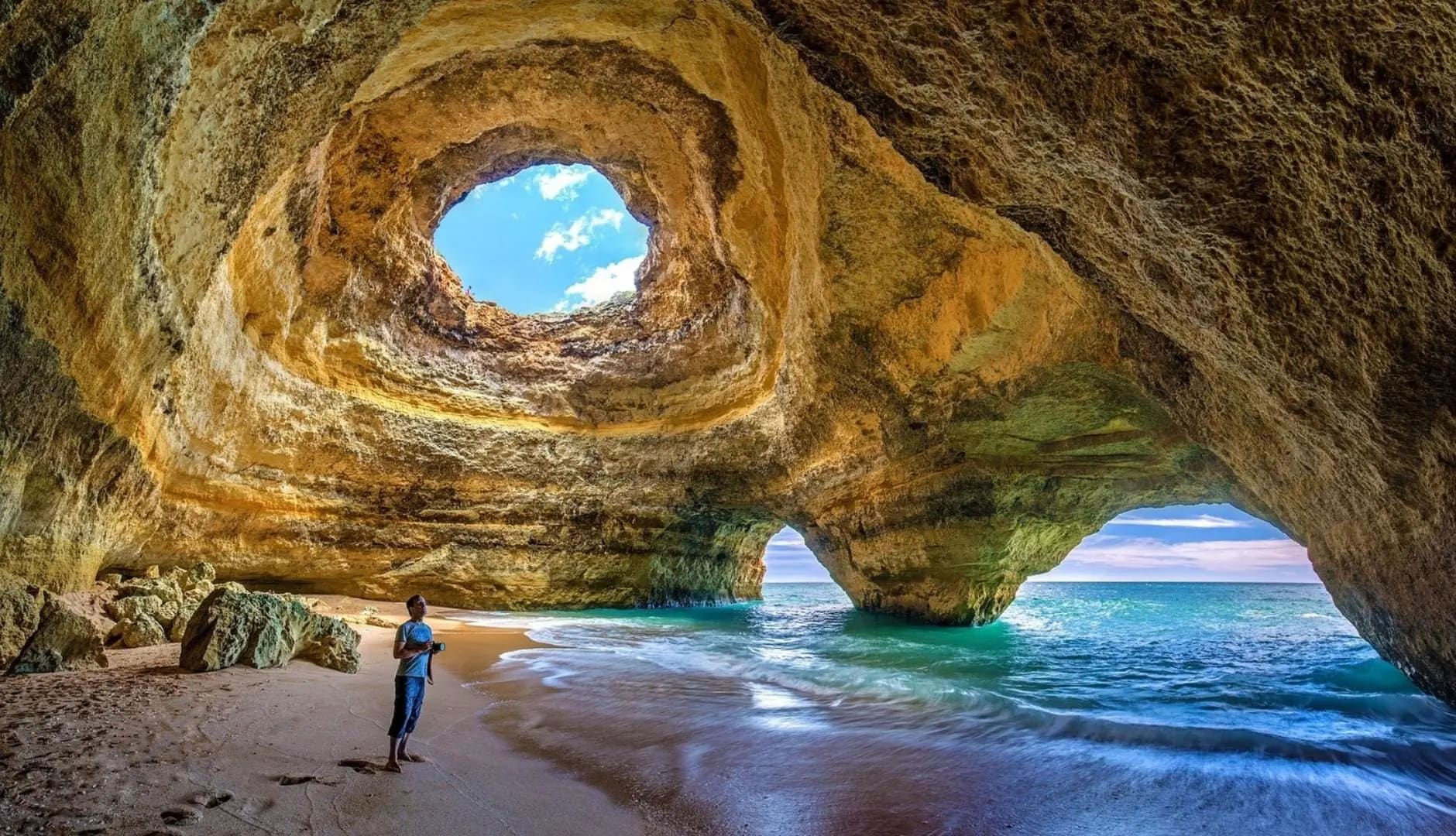
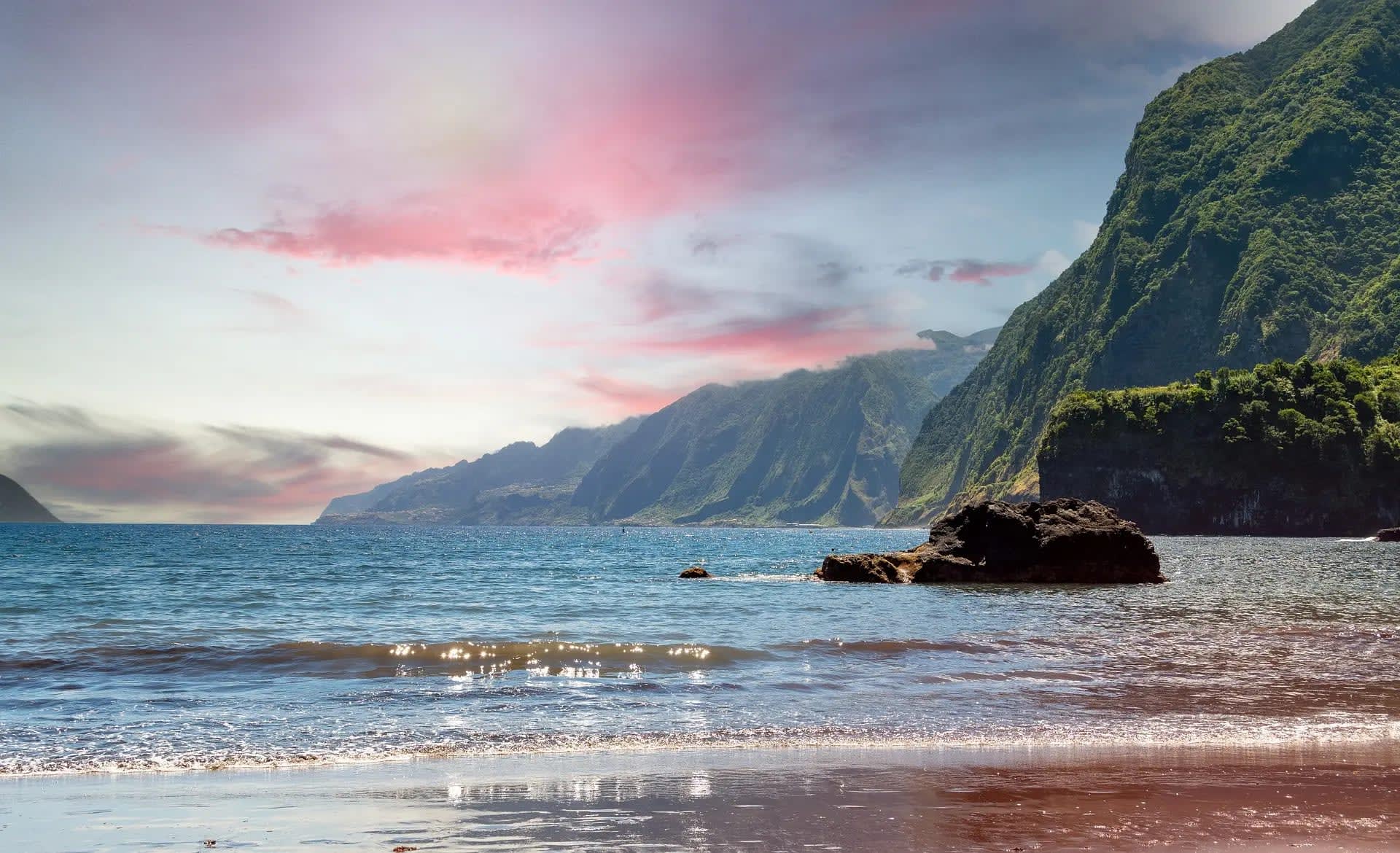
The Azores is an archipelago consisting of nine volcanic islands, each with its own unique landscape and character. The region is known for its volcanic terrain, lush vegetation, and stunning coastlines.
- Volcanic Landscapes: The Azores are of volcanic origin, resulting in a dramatic and varied landscape. Key features include crater lakes, volcanic calderas, and geothermal springs. Notable volcanic sites include the Sete Cidades Caldera on São Miguel Island, which is home to the twin lakes of Lagoa Verde and Lagoa Azul, and the Furnas Valley, renowned for its hot springs and geothermal activity.
- Lush Vegetation: The islands are characterized by their lush, green landscapes, which are sustained by the region's temperate maritime climate and abundant rainfall. The Azores are known for their unique flora, including laurel forests and endemic plant species. The Laurisilva forest on São Miguel Island is a UNESCO World Heritage site and an example of the archipelago's rich biodiversity.
- Coastal Beauty: The Azores' coastline features dramatic cliffs, rugged shores, and beautiful bays. Highlights include the volcanic beaches of Praia Formosa on Santa Maria Island and the picturesque harbor of Horta on Faial Island. The islands also offer opportunities for marine activities such as whale watching, diving, and surfing.
📜 History and Cultural Significance
The Azores have a rich and varied history shaped by exploration, colonization, and maritime activities. The region’s history is reflected in its cultural heritage, architecture, and local traditions.
Discovery and Early Settlement: The Azores were discovered in the early 15th century by Portuguese explorers. The archipelago was subsequently settled by Portuguese colonists, who established agricultural practices and developed the islands' economy. The early settlers faced challenges such as volcanic eruptions and isolation but managed to create thriving communities.
Maritime Importance: The Azores' strategic location in the North Atlantic made them an important stopover for transatlantic voyages. During the Age of Exploration, the islands served as a refueling and resupply station for explorers and traders. The maritime heritage is evident in the local culture and historic sites, including the maritime museum in Horta on Faial Island.
Cultural Heritage: The Azores have a distinct cultural heritage influenced by Portuguese traditions and local customs. Festivals such as the Festas do Senhor Santo Cristo dos Milagres on São Miguel Island and the Semana Cultural on Terceira Island celebrate local religious and cultural traditions. The architecture of the islands features traditional Azorean style, with whitewashed buildings and distinctive blue and green tiles.
Discovery and Early Settlement: The Azores were discovered in the early 15th century by Portuguese explorers. The archipelago was subsequently settled by Portuguese colonists, who established agricultural practices and developed the islands' economy. The early settlers faced challenges such as volcanic eruptions and isolation but managed to create thriving communities.
Maritime Importance: The Azores' strategic location in the North Atlantic made them an important stopover for transatlantic voyages. During the Age of Exploration, the islands served as a refueling and resupply station for explorers and traders. The maritime heritage is evident in the local culture and historic sites, including the maritime museum in Horta on Faial Island.
Cultural Heritage: The Azores have a distinct cultural heritage influenced by Portuguese traditions and local customs. Festivals such as the Festas do Senhor Santo Cristo dos Milagres on São Miguel Island and the Semana Cultural on Terceira Island celebrate local religious and cultural traditions. The architecture of the islands features traditional Azorean style, with whitewashed buildings and distinctive blue and green tiles.
🏃 Activities and Attractions
The Azores offer a wide range of activities and attractions, from exploring volcanic landscapes and hiking trails to enjoying cultural events and marine adventures.
- Hiking and Nature Trails: The Azores are a paradise for hikers and nature enthusiasts. Popular hiking routes include the trail around the Sete Cidades Caldera, the Pico Mountain ascent on Pico Island, and the trails in the Furnas Valley. The Laurisilva forest on São Miguel Island offers scenic walks through ancient forests with diverse flora and fauna.
- Marine Activities: The archipelago’s location in the Atlantic Ocean makes it ideal for marine activities. Whale watching is a popular activity, with opportunities to see various whale species, including sperm whales and blue whales. Diving and snorkeling offer a chance to explore the underwater world, while surfing is popular along the island's rugged coastlines.
- Cultural Experiences: Visitors can immerse themselves in Azorean culture by exploring historic towns and attending local festivals. The city of Ponta Delgada on São Miguel Island features historical buildings such as the Igreja de São José and the Forte de São Brás. The island of Terceira is known for its colorful Carnival celebrations and traditional bull-running events.
- Geothermal and Relaxation: The Azores' volcanic activity provides natural hot springs and geothermal pools that are perfect for relaxation. The Terra Nostra Park in Furnas Valley offers thermal baths in a beautiful botanical garden, while the hot springs at Caldeira Velha provide a unique natural spa experience.
💡 Travel Tips
To make the most of your visit to the Azores, consider the following travel tips:
Best Time to Visit: The Azores can be visited year-round, with each season offering its own charm. The spring (April to June) and autumn (September to November) are particularly pleasant, with mild temperatures and fewer tourists. Summer (June to August) is warmer and ideal for outdoor activities, while winter (December to March) is cooler and wetter but still offers opportunities for exploring and relaxing.
Getting Around: Renting a car is highly recommended for exploring the islands, as public transportation options may be limited. Each island has its own unique attractions, and a car allows for greater flexibility in discovering remote areas and hidden gems.
What to Bring: Pack layered clothing to accommodate varying temperatures and weather conditions, including rain gear for occasional showers. Comfortable walking shoes are essential for hiking, and swimwear is recommended for enjoying natural hot springs and coastal activities.
Health and Safety: The Azores are generally safe for travelers, but it’s always wise to take standard precautions such as securing personal belongings and being aware of local regulations. If hiking, be prepared with proper gear and maps, and always inform someone of your planned route. Travel insurance is recommended to cover any unforeseen issues.
Best Time to Visit: The Azores can be visited year-round, with each season offering its own charm. The spring (April to June) and autumn (September to November) are particularly pleasant, with mild temperatures and fewer tourists. Summer (June to August) is warmer and ideal for outdoor activities, while winter (December to March) is cooler and wetter but still offers opportunities for exploring and relaxing.
Getting Around: Renting a car is highly recommended for exploring the islands, as public transportation options may be limited. Each island has its own unique attractions, and a car allows for greater flexibility in discovering remote areas and hidden gems.
What to Bring: Pack layered clothing to accommodate varying temperatures and weather conditions, including rain gear for occasional showers. Comfortable walking shoes are essential for hiking, and swimwear is recommended for enjoying natural hot springs and coastal activities.
Health and Safety: The Azores are generally safe for travelers, but it’s always wise to take standard precautions such as securing personal belongings and being aware of local regulations. If hiking, be prepared with proper gear and maps, and always inform someone of your planned route. Travel insurance is recommended to cover any unforeseen issues.
🌱 Conservation
Conservation efforts in the Azores focus on protecting the archipelago’s unique ecosystems, preserving biodiversity, and promoting sustainable tourism practices.
Environmental Protection: Various initiatives aim to protect the Azores' natural landscapes and marine environments. Efforts include the conservation of volcanic and geothermal sites, as well as the protection of coastal areas and marine habitats. The Azores have established several protected areas and nature reserves to safeguard their unique ecosystems.
Sustainable Tourism: Sustainable tourism practices are encouraged to minimize the impact on the environment and support local communities. This includes promoting eco-friendly behaviors, such as reducing waste, supporting local businesses, and respecting wildlife and natural areas. Sustainable tourism initiatives aim to balance the economic benefits of tourism with the need to preserve the archipelago’s natural and cultural heritage.
Wildlife Conservation: The Azores are home to a diverse range of wildlife, including endemic species such as the Azores bullfinch and the Azores tree boa. Conservation projects focus on monitoring and protecting these species, as well as restoring and preserving their habitats. The islands’ marine environment is also subject to conservation efforts, including the protection of marine mammals and the prevention of overfishing.
Environmental Protection: Various initiatives aim to protect the Azores' natural landscapes and marine environments. Efforts include the conservation of volcanic and geothermal sites, as well as the protection of coastal areas and marine habitats. The Azores have established several protected areas and nature reserves to safeguard their unique ecosystems.
Sustainable Tourism: Sustainable tourism practices are encouraged to minimize the impact on the environment and support local communities. This includes promoting eco-friendly behaviors, such as reducing waste, supporting local businesses, and respecting wildlife and natural areas. Sustainable tourism initiatives aim to balance the economic benefits of tourism with the need to preserve the archipelago’s natural and cultural heritage.
Wildlife Conservation: The Azores are home to a diverse range of wildlife, including endemic species such as the Azores bullfinch and the Azores tree boa. Conservation projects focus on monitoring and protecting these species, as well as restoring and preserving their habitats. The islands’ marine environment is also subject to conservation efforts, including the protection of marine mammals and the prevention of overfishing.
✨ Conclusion
The Azores offer a captivating blend of natural beauty, cultural heritage, and outdoor adventure. From its volcanic landscapes and lush vegetation to its charming towns and vibrant marine life, the archipelago provides a diverse range of experiences for travelers. Whether you’re seeking tranquility, exploration, or cultural immersion, the Azores have something for everyone. Conservation efforts are essential in preserving the archipelago’s unique natural and cultural treasures, ensuring that future generations can continue to enjoy its distinct attractions. A visit to the Azores promises a memorable and enriching experience in one of Portugal’s most extraordinary destinations.