

The Algarve
The Algarve, located in the southernmost region of Portugal, is renowned for its stunning coastline, picturesque villages, and pleasant climate. Stretching from the Spanish border to Cape St. Vincent, the Algarve offers a diverse range of attractions, from golden beaches and dramatic cliffs to charming towns and vibrant cultural experiences. This guide provides an in-depth look at the Algarve, including its geography, history, activities, travel tips, conservation efforts, and what visitors have to say about this beautiful region.
🌍 Geography and Natural Features
The Algarve is characterized by its diverse geography, including beautiful beaches, rugged cliffs, rolling hills, and fertile plains. This region benefits from a Mediterranean climate, making it a popular destination year-round.
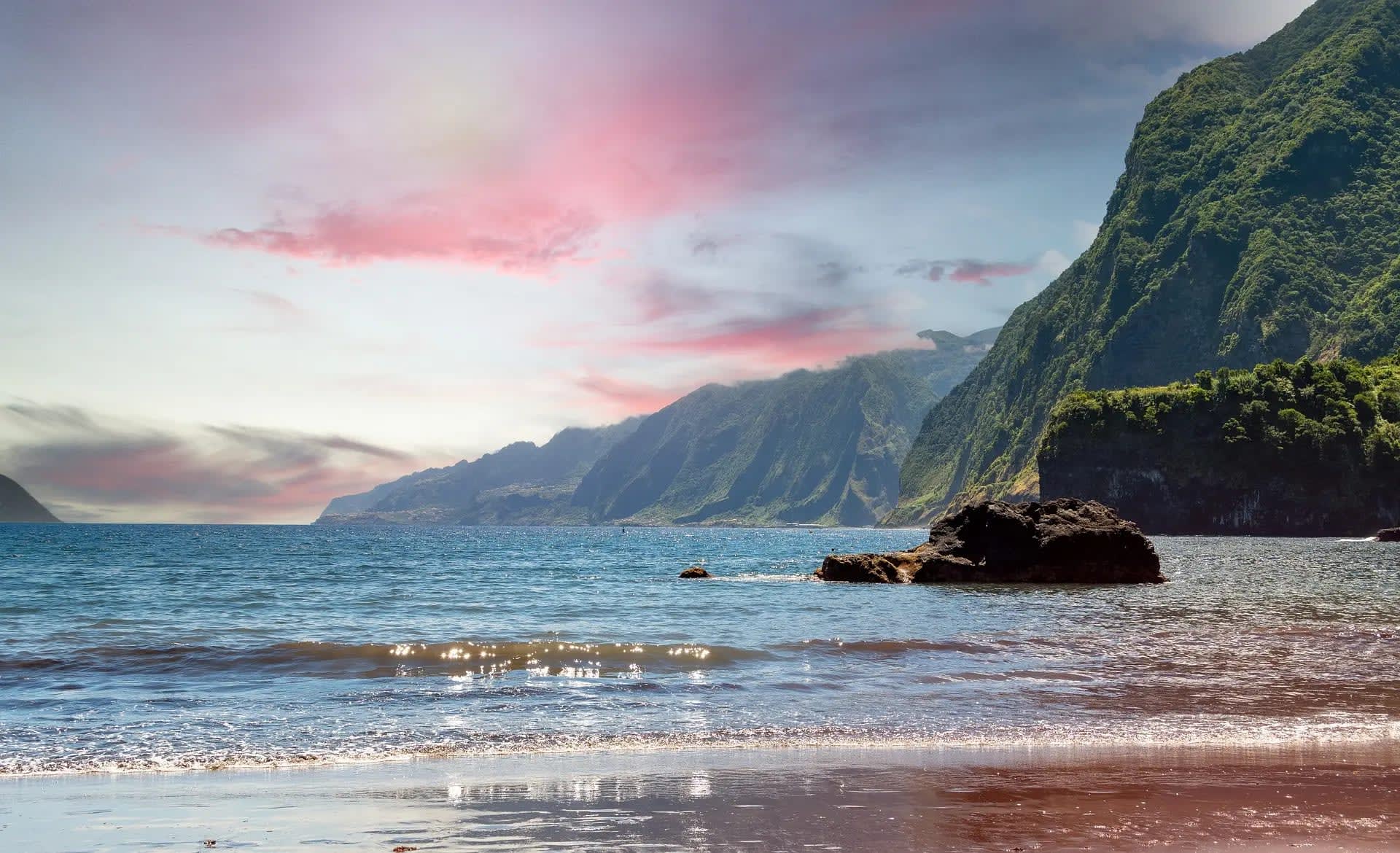
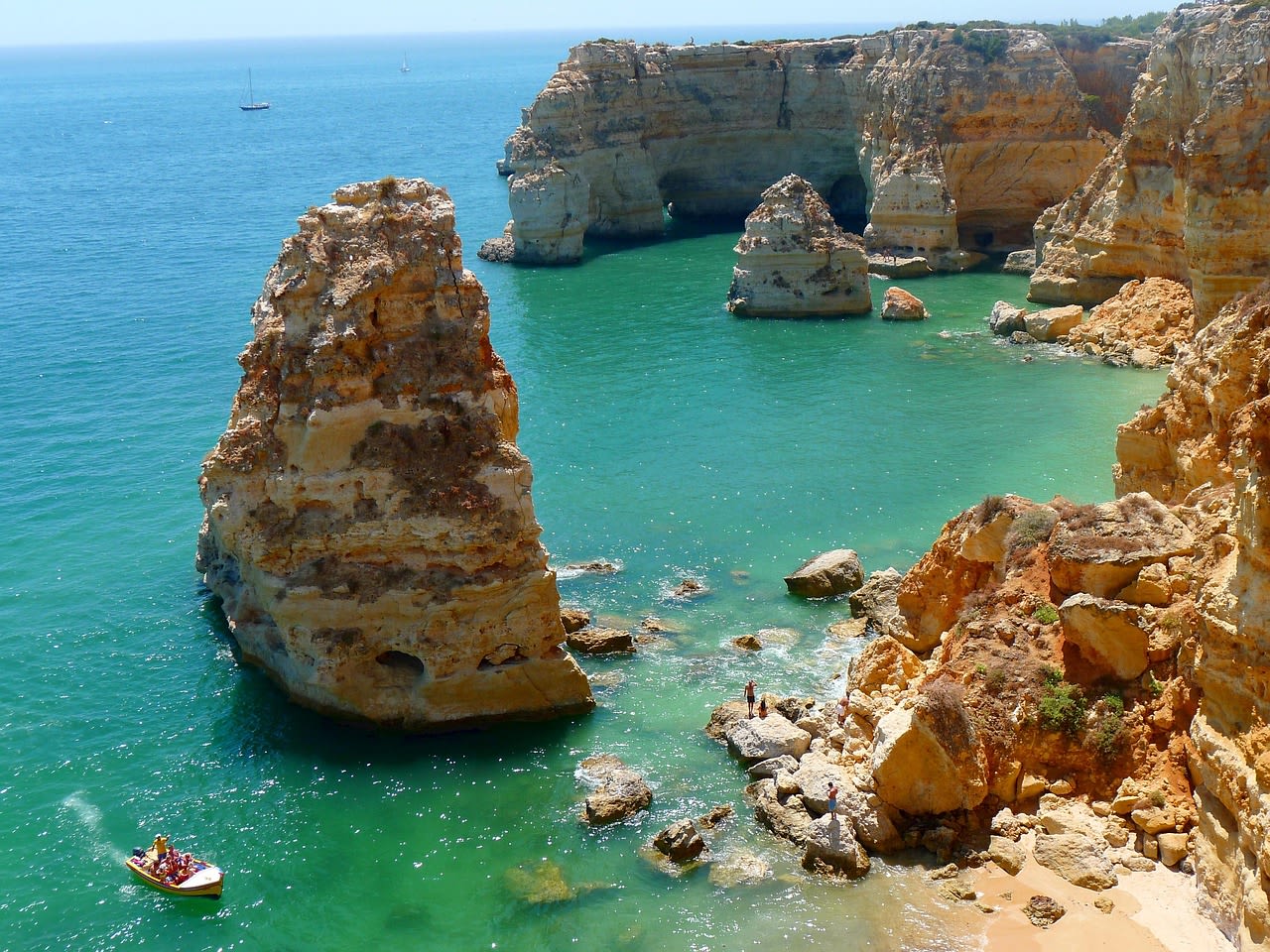
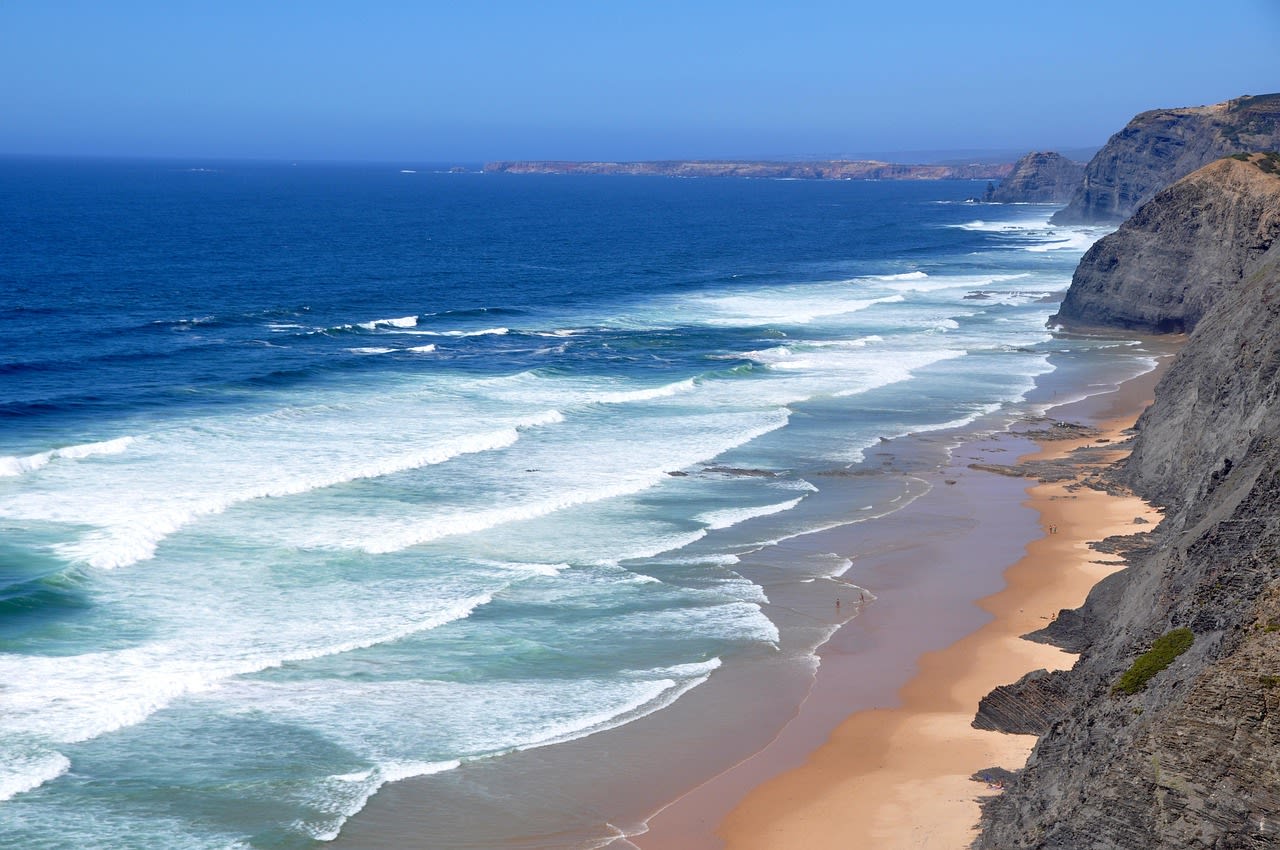
- Coastal Landscape: The Algarve's coastline stretches for over 150 kilometers (93 miles), featuring a variety of landscapes from sandy beaches to dramatic cliffs. Notable coastal features include the Ponta da Piedade near Lagos, known for its striking limestone formations and sea caves, and Praia da Marinha, often cited as one of the most beautiful beaches in Europe.
- Rural Areas: Beyond the coast, the Algarve's interior is dotted with rolling hills, vineyards, and traditional farming lands. The region is known for its agricultural production, including citrus fruits, almonds, and olives. The picturesque countryside is also home to charming villages such as Alte and Monchique, where visitors can experience traditional Portuguese rural life.
- Climate: The Algarve enjoys a Mediterranean climate with hot, dry summers and mild, wet winters. Average summer temperatures range from 25°C to 30°C (77°F to 86°F), while winter temperatures typically range from 10°C to 15°C (50°F to 59°F). The region benefits from over 300 days of sunshine annually, making it a popular destination for outdoor activities and beachgoers.
📜 History and Cultural Significance
The Algarve has a rich history influenced by various cultures and civilizations. From ancient times to the present day, this region has played a significant role in Portugal's cultural and historical development.
Ancient and Medieval History: The Algarve has been inhabited since prehistoric times, with evidence of ancient settlements and archaeological sites. The Romans established towns and infrastructure in the region, and later, the Moors left a lasting influence on the architecture and culture. The Algarve became part of the Kingdom of Portugal during the Reconquista in the 13th century, and the historic town of Silves served as an important center during this period.
Exploration and Trade: During the Age of Discoveries, the Algarve was a key maritime hub. The port city of Lagos was the site of significant navigational advancements, including the establishment of the first European maritime school. The region's strategic location along the Atlantic coast made it a vital center for trade and exploration.
Cultural Heritage: The Algarve's cultural heritage is reflected in its architecture, cuisine, and traditions. Moorish influences are evident in the design of traditional buildings and tilework. Local festivals and events celebrate the region's history and cultural diversity, such as the Festival of São João in Portimão and the traditional Folklore Festival in Alcoutim.
Ancient and Medieval History: The Algarve has been inhabited since prehistoric times, with evidence of ancient settlements and archaeological sites. The Romans established towns and infrastructure in the region, and later, the Moors left a lasting influence on the architecture and culture. The Algarve became part of the Kingdom of Portugal during the Reconquista in the 13th century, and the historic town of Silves served as an important center during this period.
Cultural Heritage: The Algarve's cultural heritage is reflected in its architecture, cuisine, and traditions. Moorish influences are evident in the design of traditional buildings and tilework. Local festivals and events celebrate the region's history and cultural diversity, such as the Festival of São João in Portimão and the traditional Folklore Festival in Alcoutim.
🏃 Activities and Attractions
The Algarve offers a wide range of activities and attractions, catering to different interests from beach relaxation to outdoor adventures and cultural exploration.
- Beaches: The Algarve is renowned for its beautiful beaches, which are perfect for sunbathing, swimming, and water sports. Popular beaches include Praia da Rocha, known for its lively atmosphere and stunning rock formations, and Praia do Amado, which offers excellent surfing conditions. The region also features quieter, more secluded beaches such as Praia da Marinha and Praia de Benagil.
- Outdoor Activities: The Algarve's diverse landscape provides opportunities for a variety of outdoor activities. Hiking enthusiasts can explore trails in the Monchique Mountains and the Costa Vicentina Natural Park, while golfers can enjoy world-class courses with spectacular coastal views. Water sports such as surfing, kayaking, and paddleboarding are popular along the coastline.
- Cultural and Historical Sites: Visitors can explore the Algarve's rich cultural heritage by visiting historical sites such as the Roman ruins of Milreu, the Moorish castle of Silves, and the charming old town of Faro. The region is also home to traditional markets and festivals that offer insights into local customs and traditions.
- Gastronomy: The Algarve is famous for its culinary delights, including fresh seafood, traditional stews, and local wines. Must-try dishes include cataplana (a seafood stew cooked in a copper pot), grilled sardines, and pastéis de nata (Portuguese custard tarts). Local markets and restaurants offer a chance to sample the region's gastronomic specialties.
💡 Travel Tips
To make the most of your visit to the Algarve, consider the following travel tips:
Best Time to Visit: The best time to visit the Algarve is during the spring (April to June) and autumn (September to October) when the weather is pleasant, and the region is less crowded. Summer (July to August) is the peak tourist season, with higher temperatures and more crowded attractions. Winter (November to March) is cooler but still mild, making it a good time for exploring and avoiding crowds.
Getting Around: Renting a car is highly recommended for exploring the Algarve, as it provides flexibility to visit various towns and attractions. Public transportation, such as buses and trains, is available but may be less convenient for reaching more remote areas.
What to Bring: Pack light, breathable clothing for the warm weather, along with swimwear, sunscreen, and a hat for sun protection. If you plan to engage in outdoor activities or hiking, bring appropriate footwear and a water bottle.
Health and Safety: The Algarve is generally safe for travelers, but it’s always advisable to take standard precautions such as keeping an eye on personal belongings and being cautious in crowded areas. If you plan to swim, be aware of sea conditions and follow any safety warnings posted on the beaches.
Best Time to Visit: The best time to visit the Algarve is during the spring (April to June) and autumn (September to October) when the weather is pleasant, and the region is less crowded. Summer (July to August) is the peak tourist season, with higher temperatures and more crowded attractions. Winter (November to March) is cooler but still mild, making it a good time for exploring and avoiding crowds.
Getting Around: Renting a car is highly recommended for exploring the Algarve, as it provides flexibility to visit various towns and attractions. Public transportation, such as buses and trains, is available but may be less convenient for reaching more remote areas.
What to Bring: Pack light, breathable clothing for the warm weather, along with swimwear, sunscreen, and a hat for sun protection. If you plan to engage in outdoor activities or hiking, bring appropriate footwear and a water bottle.
Health and Safety: The Algarve is generally safe for travelers, but it’s always advisable to take standard precautions such as keeping an eye on personal belongings and being cautious in crowded areas. If you plan to swim, be aware of sea conditions and follow any safety warnings posted on the beaches.
🌱 Conservation
Conservation efforts in the Algarve focus on protecting the region's natural beauty, promoting sustainable tourism, and preserving local ecosystems and wildlife.
Environmental Protection: Various conservation initiatives aim to protect the Algarve's coastal and inland environments. This includes efforts to prevent pollution, manage waste, and protect natural habitats from development. Organizations work to ensure that tourism activities do not negatively impact the region's delicate ecosystems.
Sustainable Tourism: Promoting sustainable tourism practices is a priority in the Algarve. This involves encouraging visitors to engage in eco-friendly behaviors, such as reducing plastic use, respecting wildlife, and supporting local businesses. Sustainable tourism initiatives aim to balance the economic benefits of tourism with the need to preserve the region's natural and cultural heritage.
Wildlife Conservation: The Algarve is home to a diverse range of wildlife, including protected species such as the Iberian lynx and various bird species. Conservation projects focus on monitoring and protecting these species, as well as restoring and preserving their natural habitats. The Ria Formosa Natural Park, for example, is a key area for birdwatching and habitat conservation.
Environmental Protection: Various conservation initiatives aim to protect the Algarve's coastal and inland environments. This includes efforts to prevent pollution, manage waste, and protect natural habitats from development. Organizations work to ensure that tourism activities do not negatively impact the region's delicate ecosystems.
Sustainable Tourism: Promoting sustainable tourism practices is a priority in the Algarve. This involves encouraging visitors to engage in eco-friendly behaviors, such as reducing plastic use, respecting wildlife, and supporting local businesses. Sustainable tourism initiatives aim to balance the economic benefits of tourism with the need to preserve the region's natural and cultural heritage.
Wildlife Conservation: The Algarve is home to a diverse range of wildlife, including protected species such as the Iberian lynx and various bird species. Conservation projects focus on monitoring and protecting these species, as well as restoring and preserving their natural habitats. The Ria Formosa Natural Park, for example, is a key area for birdwatching and habitat conservation.
✨ Conclusion
The Algarve is a captivating destination that offers a perfect blend of natural beauty, cultural heritage, and outdoor adventure. From its stunning beaches and dramatic cliffs to its charming towns and rich history, the Algarve provides a diverse range of experiences for travelers. Whether you’re looking to relax on golden sands, explore historic sites, or indulge in delicious local cuisine, the Algarve has something for everyone. Conservation efforts are crucial in maintaining the region’s natural and cultural treasures, ensuring that future generations can continue to enjoy its unique attractions. A visit to the Algarve promises a memorable and enriching experience in one of Portugal’s most beautiful regions.