

Madeira
Madeira, often referred to as the 'Island of Eternal Spring,' is a Portuguese archipelago located in the North Atlantic Ocean. Known for its lush landscapes, dramatic cliffs, and subtropical climate, Madeira is a haven for nature enthusiasts, hikers, and those seeking a peaceful retreat. This guide provides an in-depth exploration of Madeira, including its geography, history, activities, travel tips, conservation efforts, and what visitors have to say about this captivating destination.
🌍 Geography and Natural Features
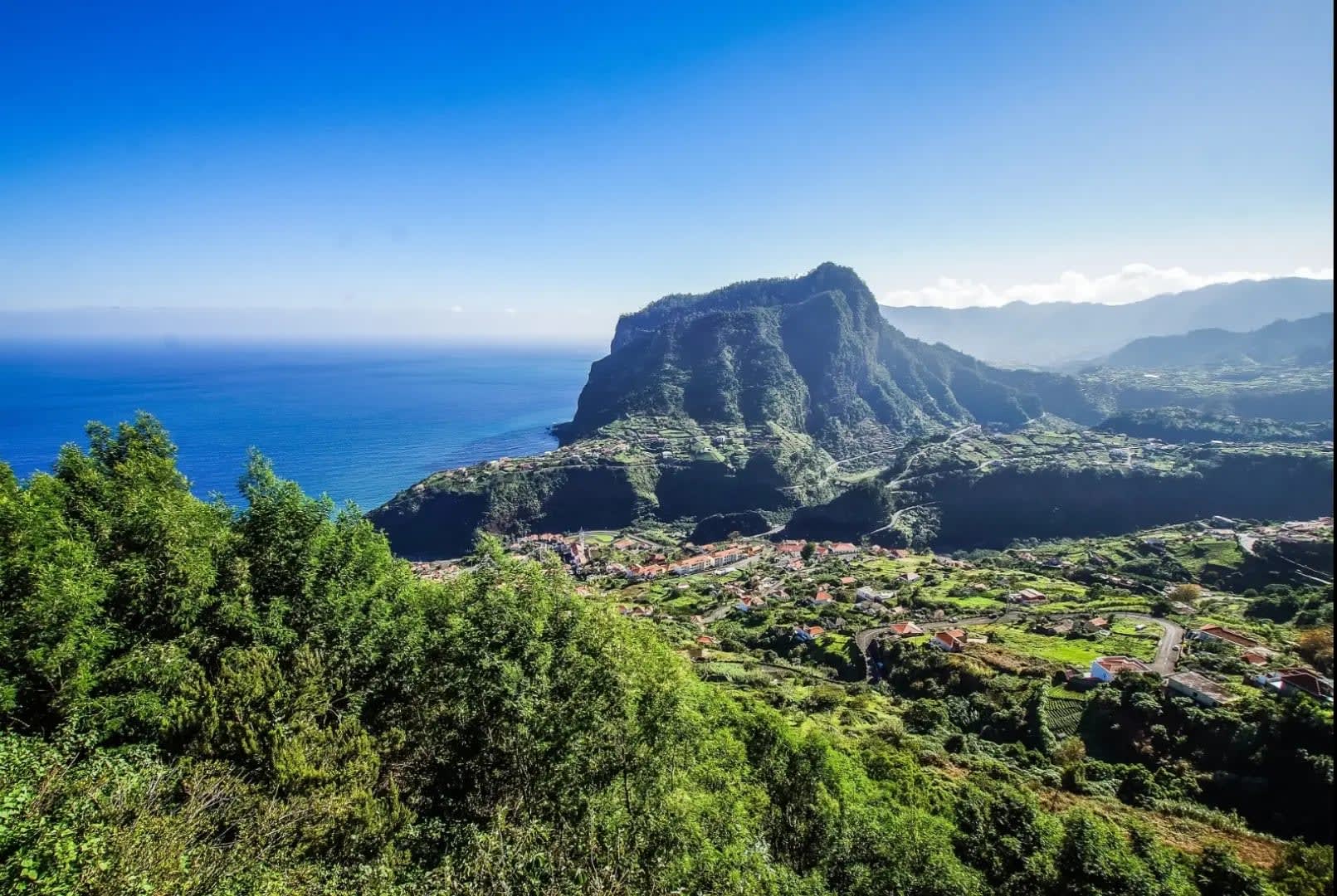
Madeira is renowned for its stunning natural scenery, characterized by rugged mountains, lush forests, and a dramatic coastline. The island’s diverse landscapes offer a variety of outdoor experiences and breathtaking views.
- Mountainous Terrain: Madeira is a volcanic island with a mountainous landscape. The central mountain range, known as the 'Madeiran Central Mountain Range,' includes the island's highest peak, Pico Ruivo, which rises to 1,862 meters (6,109 feet). The rugged terrain creates a dramatic backdrop for hiking and outdoor activities. The mountains are also home to several levadas, traditional irrigation channels that offer scenic walking routes through the island’s lush interior.
- Coastal Features: The coastline of Madeira is marked by steep cliffs, rocky outcrops, and secluded coves. Notable coastal features include Cabo Girão, one of the highest sea cliffs in Europe, offering panoramic views from its glass skywalk. The island’s coastline is dotted with picturesque fishing villages, such as Câmara de Lobos, which provide charming glimpses into local life.
- Climate: Madeira enjoys a subtropical climate with mild temperatures year-round. Average temperatures range from 16°C (61°F) in the winter to 22°C (72°F) in the summer. The island experiences a range of microclimates due to its varied elevation, with coastal areas typically warmer and drier, while higher altitudes receive more rainfall. The temperate climate contributes to Madeira’s lush vegetation and makes it an attractive destination throughout the year.
📜 History and Cultural Significance
Madeira has a rich history influenced by various cultures and historical events. From its discovery to its modern-day status as a popular tourist destination, Madeira's history is integral to its cultural identity.
Discovery and Early Settlement: Madeira was discovered by Portuguese explorers in 1419, with the island’s first settlement established shortly thereafter. The island’s strategic location made it an important stopover for maritime routes between Europe, Africa, and the Americas. Early settlers cultivated sugarcane, which became a major export product and shaped the island’s economy.
Colonial Era and Economic Development: During the colonial era, Madeira continued to develop as a significant trade hub. The cultivation of sugarcane gave way to the production of Madeira wine, which gained international acclaim. The wine industry played a crucial role in the island’s economic growth and remains an important aspect of Madeira’s cultural heritage.
Modern Era: In the 20th century, Madeira evolved into a popular tourist destination known for its natural beauty and mild climate. The development of tourism infrastructure, including hotels, resorts, and transportation, has contributed to the island’s status as a premier destination for travelers seeking both relaxation and adventure. Madeira’s unique blend of historical and cultural influences continues to attract visitors from around the world.
Discovery and Early Settlement: Madeira was discovered by Portuguese explorers in 1419, with the island’s first settlement established shortly thereafter. The island’s strategic location made it an important stopover for maritime routes between Europe, Africa, and the Americas. Early settlers cultivated sugarcane, which became a major export product and shaped the island’s economy.
Colonial Era and Economic Development: During the colonial era, Madeira continued to develop as a significant trade hub. The cultivation of sugarcane gave way to the production of Madeira wine, which gained international acclaim. The wine industry played a crucial role in the island’s economic growth and remains an important aspect of Madeira’s cultural heritage.
Modern Era: In the 20th century, Madeira evolved into a popular tourist destination known for its natural beauty and mild climate. The development of tourism infrastructure, including hotels, resorts, and transportation, has contributed to the island’s status as a premier destination for travelers seeking both relaxation and adventure. Madeira’s unique blend of historical and cultural influences continues to attract visitors from around the world.
🏃 Activities and Attractions
Madeira offers a diverse range of activities and attractions that cater to various interests, from outdoor adventures and natural wonders to cultural experiences and relaxation.
- Hiking and Nature Trails: Madeira is renowned for its extensive network of levadas and hiking trails. Popular routes include the Levada do Caldeirão Verde, which offers stunning views of waterfalls and lush vegetation, and the Pico do Arieiro to Pico Ruivo hike, which provides panoramic views of the island’s mountainous landscape. The levadas, traditional irrigation channels, are an integral part of the island’s infrastructure and offer scenic walking routes through its diverse landscapes.
- Coastal Exploration: The island’s dramatic coastline provides opportunities for coastal exploration and adventure. Activities such as dolphin and whale watching, boat tours, and snorkeling offer unique ways to experience Madeira’s marine environment. The natural swimming pools of Porto Moniz, formed by volcanic rock, provide a refreshing swimming experience with breathtaking ocean views.
- Cultural Experiences: Madeira’s cultural heritage is reflected in its traditional festivals, historic sites, and local cuisine. Visitors can explore Funchal, the island’s capital, which features historic landmarks such as the Sé Cathedral and the Madeira Story Centre. The annual Festa da Flor (Flower Festival) and the Madeira Carnival are vibrant celebrations that showcase the island’s cultural traditions.
- Wine Tasting: Madeira is famous for its fortified wine, known as Madeira wine. Visitors can tour local wine cellars, such as Blandy’s Wine Lodge, to learn about the wine-making process and sample a range of Madeira wines. The island’s wine heritage is an important aspect of its cultural identity and offers a unique tasting experience for enthusiasts.
💡 Travel Tips
To ensure a pleasant and enjoyable visit to Madeira, consider the following travel tips:
Best Time to Visit: Madeira is a year-round destination due to its mild climate. The spring (March to May) and autumn (September to November) are particularly pleasant, with mild temperatures and fewer tourists. Summer (June to August) is warmer and busier, while winter (December to February) is cooler but still mild, making it a good time for exploring the island’s cultural attractions.
Getting Around: Renting a car is highly recommended for exploring Madeira, as it provides flexibility to navigate the island’s mountainous terrain and visit various attractions. Public transportation is available, including buses and taxis, but may be less convenient for reaching more remote areas.
What to Bring: Pack comfortable walking shoes for hiking and exploring, as well as layered clothing to accommodate varying temperatures. Don’t forget sunscreen, a hat, and a reusable water bottle. If you plan to visit higher altitudes, bring a light jacket or sweater for cooler temperatures.
Health and Safety: Madeira is generally safe for travelers, but it’s always wise to take standard precautions such as securing personal belongings and being aware of your surroundings. If you plan to hike, ensure you are well-prepared with appropriate gear and maps. The island’s healthcare facilities are of high quality, but travel insurance is recommended.
Best Time to Visit: Madeira is a year-round destination due to its mild climate. The spring (March to May) and autumn (September to November) are particularly pleasant, with mild temperatures and fewer tourists. Summer (June to August) is warmer and busier, while winter (December to February) is cooler but still mild, making it a good time for exploring the island’s cultural attractions.
Getting Around: Renting a car is highly recommended for exploring Madeira, as it provides flexibility to navigate the island’s mountainous terrain and visit various attractions. Public transportation is available, including buses and taxis, but may be less convenient for reaching more remote areas.
What to Bring: Pack comfortable walking shoes for hiking and exploring, as well as layered clothing to accommodate varying temperatures. Don’t forget sunscreen, a hat, and a reusable water bottle. If you plan to visit higher altitudes, bring a light jacket or sweater for cooler temperatures.
Health and Safety: Madeira is generally safe for travelers, but it’s always wise to take standard precautions such as securing personal belongings and being aware of your surroundings. If you plan to hike, ensure you are well-prepared with appropriate gear and maps. The island’s healthcare facilities are of high quality, but travel insurance is recommended.
🌱 Conservation
Conservation efforts in Madeira focus on preserving the island’s unique natural environment, protecting biodiversity, and promoting sustainable tourism practices.
Environmental Protection: Conservation initiatives aim to protect Madeira’s diverse ecosystems, including its Laurisilva forest, a UNESCO World Heritage site. Efforts include managing natural habitats, preventing pollution, and preserving the island’s endemic flora and fauna. The Madeira Natural Park encompasses a significant portion of the island and plays a crucial role in conservation efforts.
Sustainable Tourism: Promoting sustainable tourism is a key focus in Madeira. This involves encouraging visitors to adopt eco-friendly practices, such as minimizing waste, supporting local businesses, and respecting wildlife and natural areas. Sustainable tourism initiatives aim to balance the economic benefits of tourism with the need to protect the island’s environmental and cultural heritage.
Wildlife Conservation: Madeira is home to a variety of unique species, including the Madeira long-toed pigeon and the Madeiran chaffinch. Conservation projects focus on monitoring and protecting these species, as well as restoring and preserving their habitats. The island’s marine environment is also subject to conservation efforts, including the protection of marine life and the prevention of overfishing.
Environmental Protection: Conservation initiatives aim to protect Madeira’s diverse ecosystems, including its Laurisilva forest, a UNESCO World Heritage site. Efforts include managing natural habitats, preventing pollution, and preserving the island’s endemic flora and fauna. The Madeira Natural Park encompasses a significant portion of the island and plays a crucial role in conservation efforts.
Sustainable Tourism: Promoting sustainable tourism is a key focus in Madeira. This involves encouraging visitors to adopt eco-friendly practices, such as minimizing waste, supporting local businesses, and respecting wildlife and natural areas. Sustainable tourism initiatives aim to balance the economic benefits of tourism with the need to protect the island’s environmental and cultural heritage.
Wildlife Conservation: Madeira is home to a variety of unique species, including the Madeira long-toed pigeon and the Madeiran chaffinch. Conservation projects focus on monitoring and protecting these species, as well as restoring and preserving their habitats. The island’s marine environment is also subject to conservation efforts, including the protection of marine life and the prevention of overfishing.
✨ Conclusion
Madeira is a captivating island destination that offers a unique blend of natural beauty, cultural heritage, and outdoor adventure. From its stunning volcanic landscapes and lush levadas to its charming towns and vibrant festivals, Madeira provides a diverse range of experiences for travelers. Whether you’re seeking relaxation, exploration, or cultural immersion, Madeira has something to offer. Conservation efforts are essential in preserving the island’s natural and cultural treasures, ensuring that future generations can continue to enjoy its unique attractions. A visit to Madeira promises a memorable and enriching experience in one of Portugal’s most enchanting destinations.