Cabo da Roca
Cabo da Roca, located on the westernmost point of mainland Europe, is a dramatic and stunning cape situated in the Sintra Mountains of Portugal. Overlooking the Atlantic Ocean, this iconic landmark is known for its breathtaking views, rugged cliffs, and historical significance. This comprehensive guide will explore Cabo da Roca’s geography, history, activities, travel tips, conservation efforts, and what visitors have to say about this remarkable destination.
🌍 Geography and Natural Features
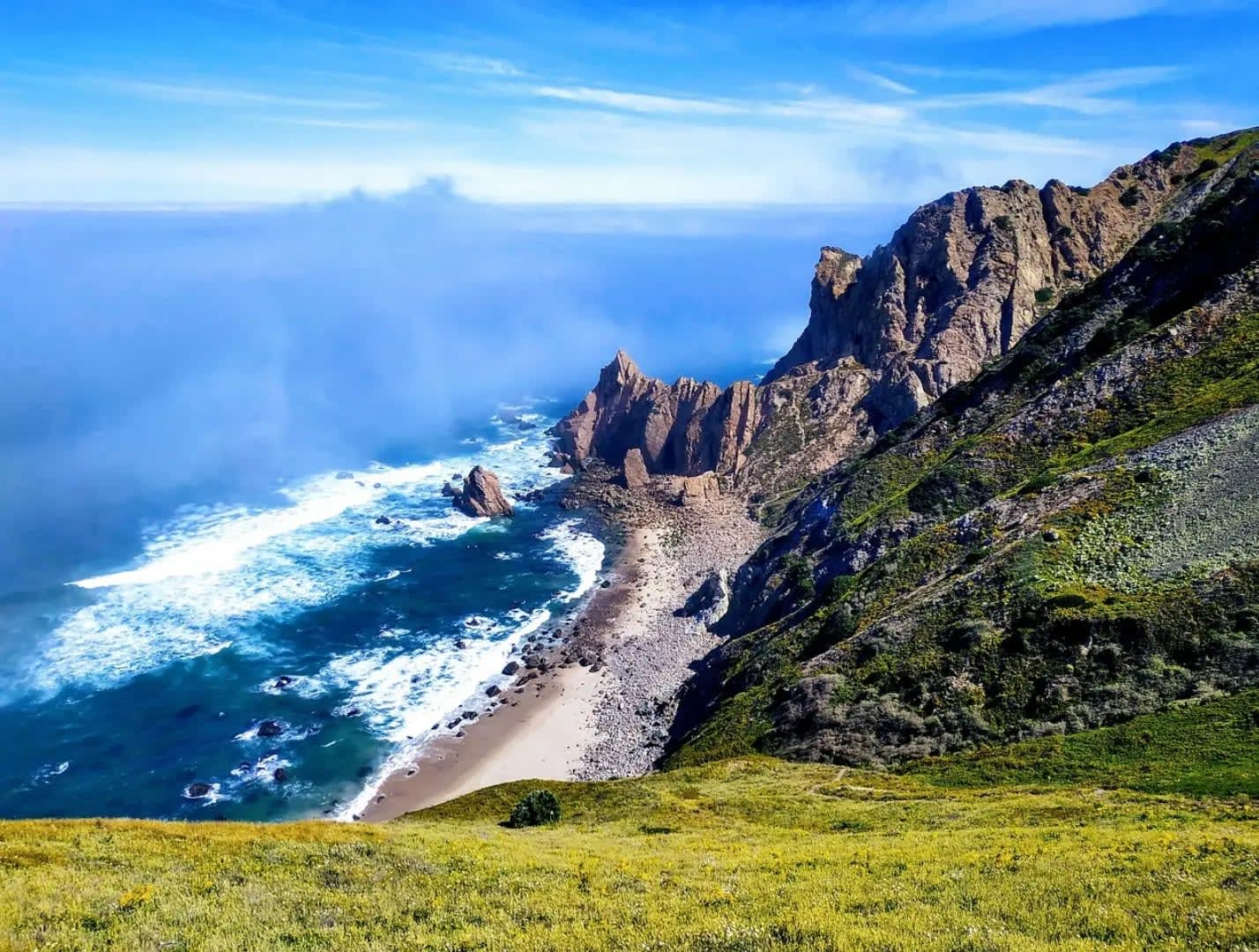
Cabo da Roca is renowned for its striking natural features and geographical significance. The cape offers a unique perspective of the Atlantic Ocean and the rugged Portuguese coastline.
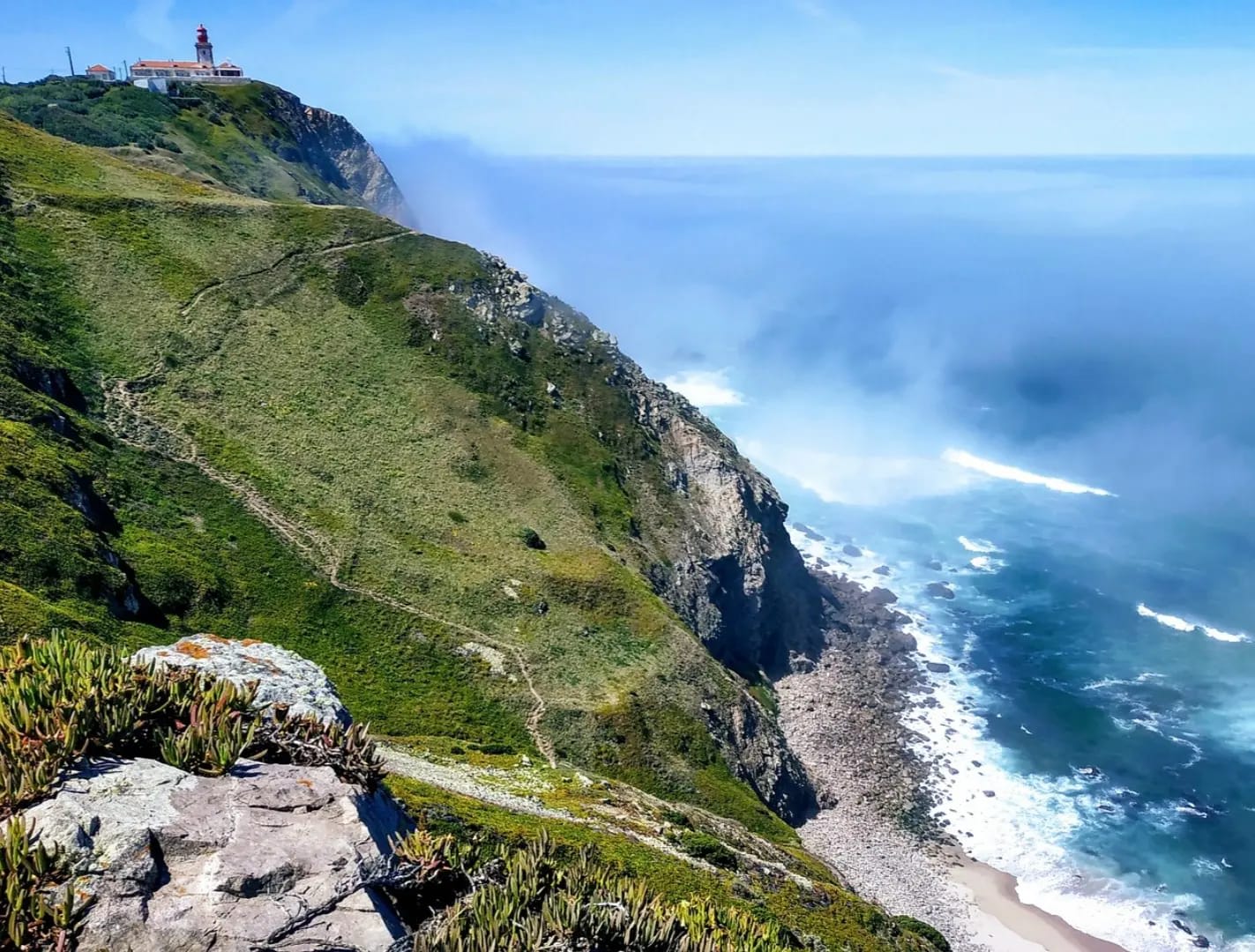
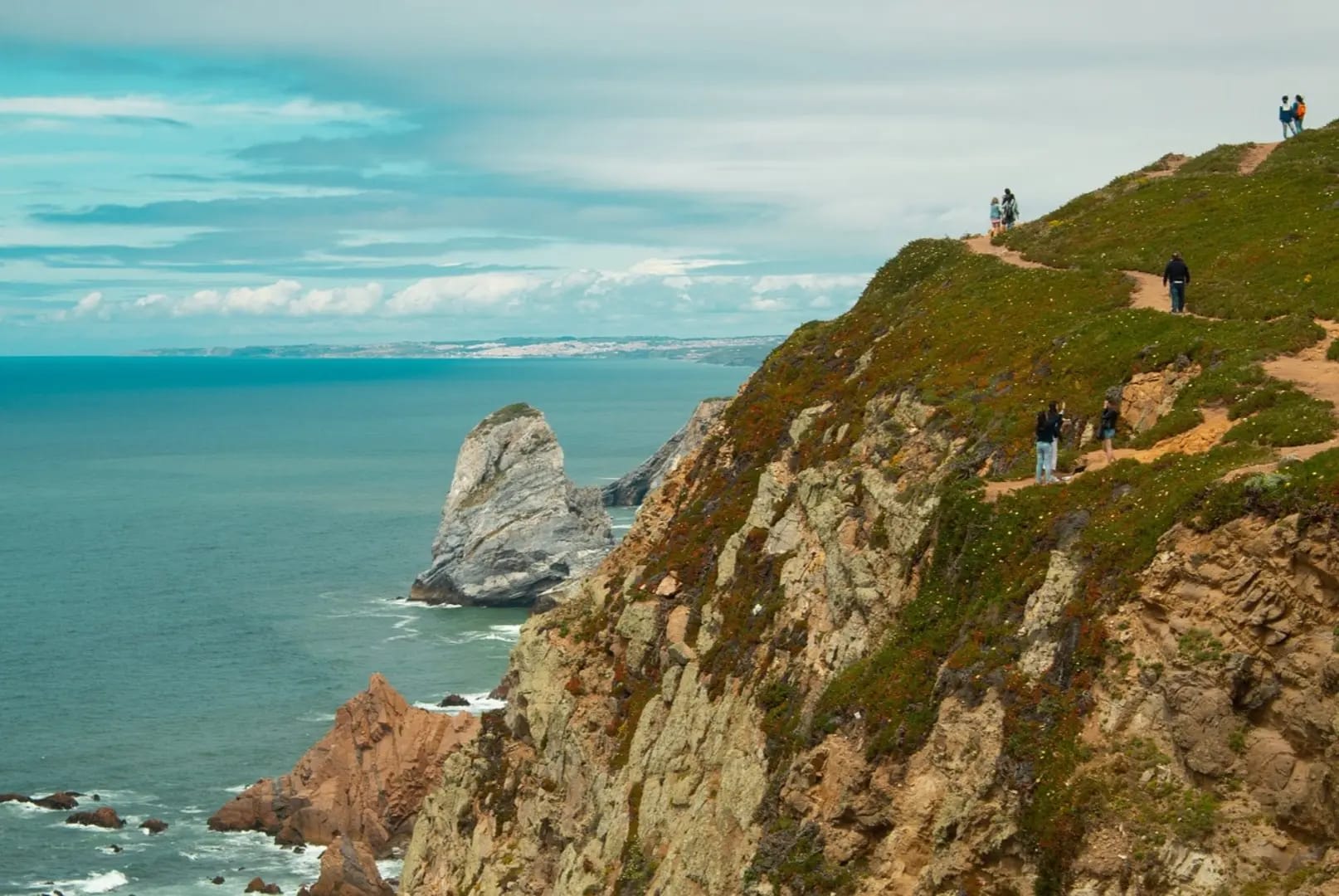
- Cliffs and Coastal Views: Cabo da Roca is characterized by its sheer cliffs that rise dramatically from the Atlantic Ocean. The cliffs provide spectacular panoramic views of the ocean and the surrounding landscape. The highest point of the cape is approximately 140 meters (459 feet) above sea level, offering visitors breathtaking vistas and a sense of being at the edge of the world.
- Lighthouse: At the tip of Cabo da Roca stands a prominent lighthouse, built in 1772. The lighthouse is an iconic feature of the cape and serves as a navigational aid for ships crossing the treacherous waters of the Atlantic. Its white and red-striped tower is a distinctive landmark and a popular subject for photography.
- Surrounding Landscape: The area around Cabo da Roca is characterized by rugged terrain and a mix of grassy meadows and rocky outcrops. The vegetation is typical of the coastal Mediterranean climate, with hardy plants and shrubs adapted to the harsh, windy conditions. The cape is part of the Sintra-Cascais Natural Park, which includes diverse landscapes ranging from forested areas to coastal heathlands.
📜 History and Cultural Significance
Cabo da Roca has a rich history and cultural significance, both as a landmark and a symbol of Portugal’s maritime heritage. Its historical context adds depth to its allure as a travel destination.
Historical Landmark: Cabo da Roca has been a significant point of reference since ancient times. Its strategic location at the edge of Europe made it an important landmark for sailors and explorers. The cape's prominence in maritime navigation is highlighted by the construction of its lighthouse in the 18th century, which was crucial for guiding ships safely through the Atlantic.
Cultural Symbol: The cape is often associated with Portugal's Age of Exploration, a period marked by significant maritime discoveries and voyages. Cabo da Roca represents the westernmost extent of Europe, symbolizing the adventurous spirit of the Portuguese explorers who ventured into uncharted territories. The cape’s location has been celebrated in Portuguese literature and poetry, including the works of the famous Portuguese poet Luís de Camões, who referenced the cape in his epic poem, 'Os Lusíadas.'
Tourism Development: In the 20th century, Cabo da Roca became a popular tourist destination, attracting visitors with its dramatic scenery and historical significance. The development of visitor facilities, including observation points, signage, and information centers, has made the cape more accessible and has enhanced its status as a must-visit location in Portugal.
Historical Landmark: Cabo da Roca has been a significant point of reference since ancient times. Its strategic location at the edge of Europe made it an important landmark for sailors and explorers. The cape's prominence in maritime navigation is highlighted by the construction of its lighthouse in the 18th century, which was crucial for guiding ships safely through the Atlantic.
Cultural Symbol: The cape is often associated with Portugal's Age of Exploration, a period marked by significant maritime discoveries and voyages. Cabo da Roca represents the westernmost extent of Europe, symbolizing the adventurous spirit of the Portuguese explorers who ventured into uncharted territories. The cape’s location has been celebrated in Portuguese literature and poetry, including the works of the famous Portuguese poet Luís de Camões, who referenced the cape in his epic poem, 'Os Lusíadas.'
Tourism Development: In the 20th century, Cabo da Roca became a popular tourist destination, attracting visitors with its dramatic scenery and historical significance. The development of visitor facilities, including observation points, signage, and information centers, has made the cape more accessible and has enhanced its status as a must-visit location in Portugal.
🏃 Activities and Attractions
Cabo da Roca offers a range of activities and attractions for visitors, from exploring the dramatic coastal landscapes to enjoying the unique views and historical landmarks.
- Scenic Viewing: The primary attraction at Cabo da Roca is the opportunity to take in the stunning coastal views. The observation points provide panoramic vistas of the Atlantic Ocean and the rugged cliffs. Visitors can enjoy leisurely walks along the viewing paths, taking in the fresh sea air and the dramatic scenery. The sheer cliffs and expansive ocean create a powerful sense of being at the edge of the world.
- Photography: Cabo da Roca is a photographer’s paradise, offering countless opportunities to capture its stunning landscapes. The lighthouse, cliffs, and ocean vistas provide a dramatic backdrop for photography. The play of light and shadow, particularly during sunrise and sunset, enhances the visual appeal of the site. Visitors are encouraged to bring their cameras to capture the breathtaking scenery.
- Hiking and Nature Walks: The surrounding Sintra-Cascais Natural Park offers several hiking and nature trails that lead through diverse landscapes, including coastal heathlands and forested areas. The trails around Cabo da Roca provide a chance to explore the natural beauty of the region, with routes that vary in difficulty and length. Hikers can enjoy the fresh air and take in views of the cape from different vantage points.
- Visitor Center: The Cabo da Roca Visitor Center provides information about the history and geography of the cape. The center features exhibits on maritime navigation, the history of the lighthouse, and the natural environment of the region. It serves as a valuable resource for visitors looking to learn more about the significance of Cabo da Roca and its surroundings.
💡 Travel Tips
To ensure a pleasant visit to Cabo da Roca, consider the following travel tips:
Best Time to Visit: The best time to visit Cabo da Roca is during the spring (April to June) or autumn (September to October) when the weather is mild, and the area is less crowded. Summer (July to August) can be busy with tourists, and the weather may be warmer but can also be windy. Winter (November to March) can be cooler and wetter, but it offers a quieter experience with fewer tourists.
Getting There: Cabo da Roca is easily accessible from Lisbon, located about 40 kilometers (25 miles) west of the city. Visitors can drive or take public transportation, including buses that run from Lisbon to the nearby town of Sintra. From Sintra, it is possible to take a local bus or taxi to Cabo da Roca. Parking is available near the cape, but it can be limited during peak tourist season.
What to Bring: Wear comfortable walking shoes for exploring the viewing points and trails. Bring a jacket or windbreaker, as the weather can be windy and chilly, even in warmer months. A camera or smartphone is recommended for capturing the stunning views. If visiting during the winter or wet weather, bring appropriate rain gear and warm clothing.
Health and Safety: Cabo da Roca is generally safe for visitors, but be cautious around the cliffs and follow all safety signs and guidelines. The area can be windy, so secure personal belongings and be mindful of the weather conditions. The visitor center provides information on safety and regulations, and it is advisable to follow their guidance to ensure a safe and enjoyable visit.
Best Time to Visit: The best time to visit Cabo da Roca is during the spring (April to June) or autumn (September to October) when the weather is mild, and the area is less crowded. Summer (July to August) can be busy with tourists, and the weather may be warmer but can also be windy. Winter (November to March) can be cooler and wetter, but it offers a quieter experience with fewer tourists.
Getting There: Cabo da Roca is easily accessible from Lisbon, located about 40 kilometers (25 miles) west of the city. Visitors can drive or take public transportation, including buses that run from Lisbon to the nearby town of Sintra. From Sintra, it is possible to take a local bus or taxi to Cabo da Roca. Parking is available near the cape, but it can be limited during peak tourist season.
What to Bring: Wear comfortable walking shoes for exploring the viewing points and trails. Bring a jacket or windbreaker, as the weather can be windy and chilly, even in warmer months. A camera or smartphone is recommended for capturing the stunning views. If visiting during the winter or wet weather, bring appropriate rain gear and warm clothing.
Health and Safety: Cabo da Roca is generally safe for visitors, but be cautious around the cliffs and follow all safety signs and guidelines. The area can be windy, so secure personal belongings and be mindful of the weather conditions. The visitor center provides information on safety and regulations, and it is advisable to follow their guidance to ensure a safe and enjoyable visit.
🌱 Conservation
Conservation efforts at Cabo da Roca focus on protecting the natural environment and preserving the area’s unique landscape and historical landmarks.
Environmental Protection: The Sintra-Cascais Natural Park, which encompasses Cabo da Roca, is managed to protect its natural ecosystems and biodiversity. Conservation efforts include monitoring and maintaining the coastal habitats, controlling invasive species, and preserving the native flora and fauna. The park’s management works to ensure that tourism activities do not negatively impact the environment.
Historical Preservation: The lighthouse at Cabo da Roca is an important historical landmark and is maintained by the Portuguese Navy. Preservation efforts include regular maintenance and restoration to ensure the lighthouse remains operational and in good condition. The historical significance of the cape is recognized and protected through various conservation and heritage programs.
Sustainable Tourism: Sustainable tourism practices are encouraged to minimize the impact on the environment and support conservation efforts. Visitors are encouraged to follow guidelines, respect the natural surroundings, and support local conservation initiatives. Sustainable tourism helps to balance the enjoyment of the site with the need to protect and preserve its natural and cultural heritage.
Environmental Protection: The Sintra-Cascais Natural Park, which encompasses Cabo da Roca, is managed to protect its natural ecosystems and biodiversity. Conservation efforts include monitoring and maintaining the coastal habitats, controlling invasive species, and preserving the native flora and fauna. The park’s management works to ensure that tourism activities do not negatively impact the environment.
Historical Preservation: The lighthouse at Cabo da Roca is an important historical landmark and is maintained by the Portuguese Navy. Preservation efforts include regular maintenance and restoration to ensure the lighthouse remains operational and in good condition. The historical significance of the cape is recognized and protected through various conservation and heritage programs.
Sustainable Tourism: Sustainable tourism practices are encouraged to minimize the impact on the environment and support conservation efforts. Visitors are encouraged to follow guidelines, respect the natural surroundings, and support local conservation initiatives. Sustainable tourism helps to balance the enjoyment of the site with the need to protect and preserve its natural and cultural heritage.
✨ Conclusion
Cabo da Roca stands as a remarkable testament to Portugal’s natural beauty and maritime heritage. Its dramatic cliffs, iconic lighthouse, and breathtaking views make it a must-visit destination for travelers seeking both adventure and tranquility. The cape’s significance as the westernmost point of Europe adds to its allure, offering a unique sense of place and connection to the broader Atlantic landscape. With its rich history, stunning scenery, and commitment to conservation, Cabo da Roca provides an unforgettable experience and a deeper appreciation for Portugal’s coastal wonders.