Vale do Douro
Vale do Douro, also known as the Douro Valley, is one of Portugal’s most picturesque and historically significant wine regions. Located in the northern part of the country, this UNESCO World Heritage site is renowned for its terraced vineyards, dramatic landscapes, and rich cultural heritage. The Douro Valley is not only celebrated for its production of port wine but also for its stunning natural beauty and charming towns. This guide provides a comprehensive look at the geography, history, activities, travel tips, conservation efforts, and visitor experiences in Vale do Douro.
🌍 Geography and Natural Features
Vale do Douro is characterized by its breathtaking landscapes, shaped by the Douro River and the surrounding mountains. The valley’s geographical features contribute to its status as a renowned wine-producing region.
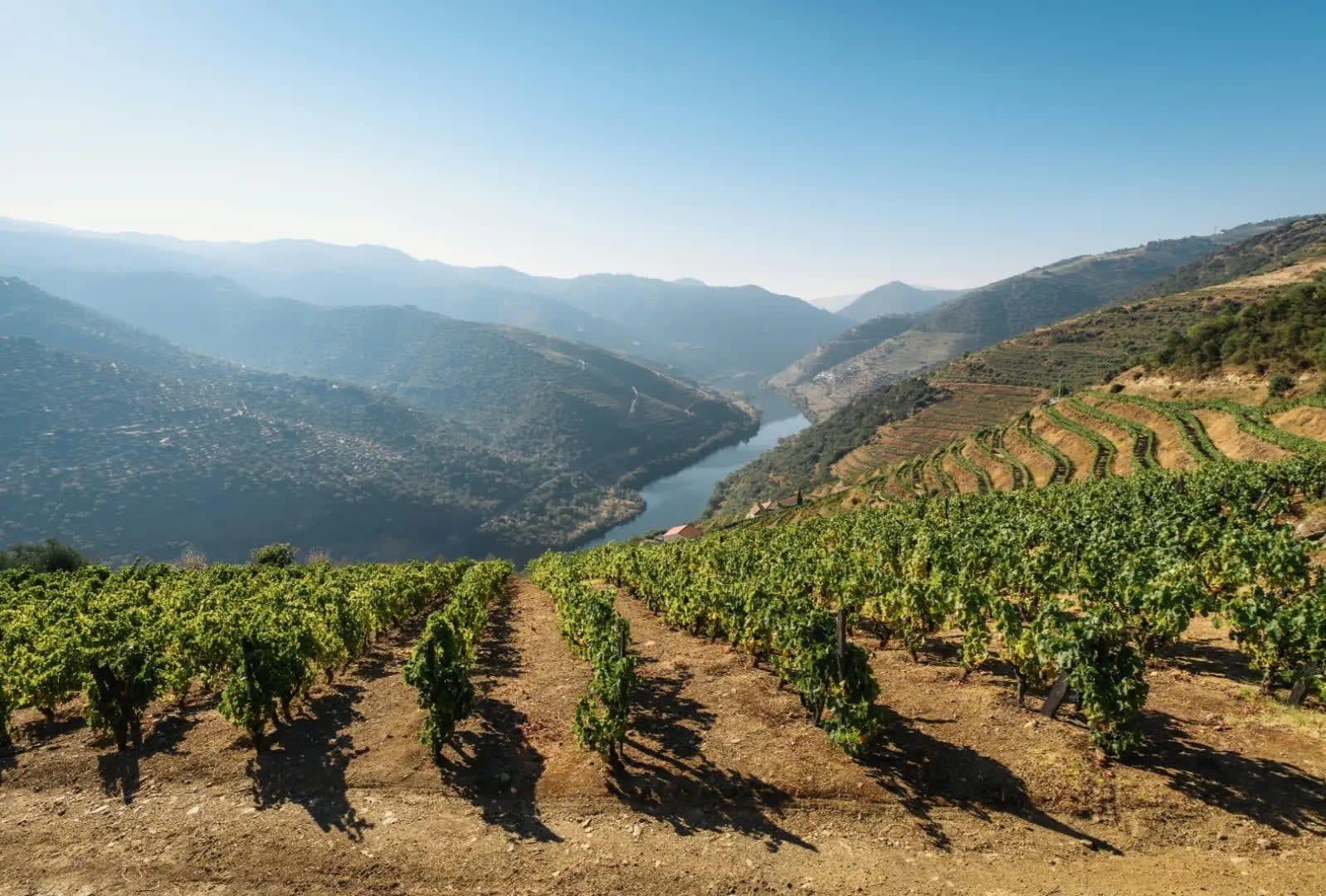
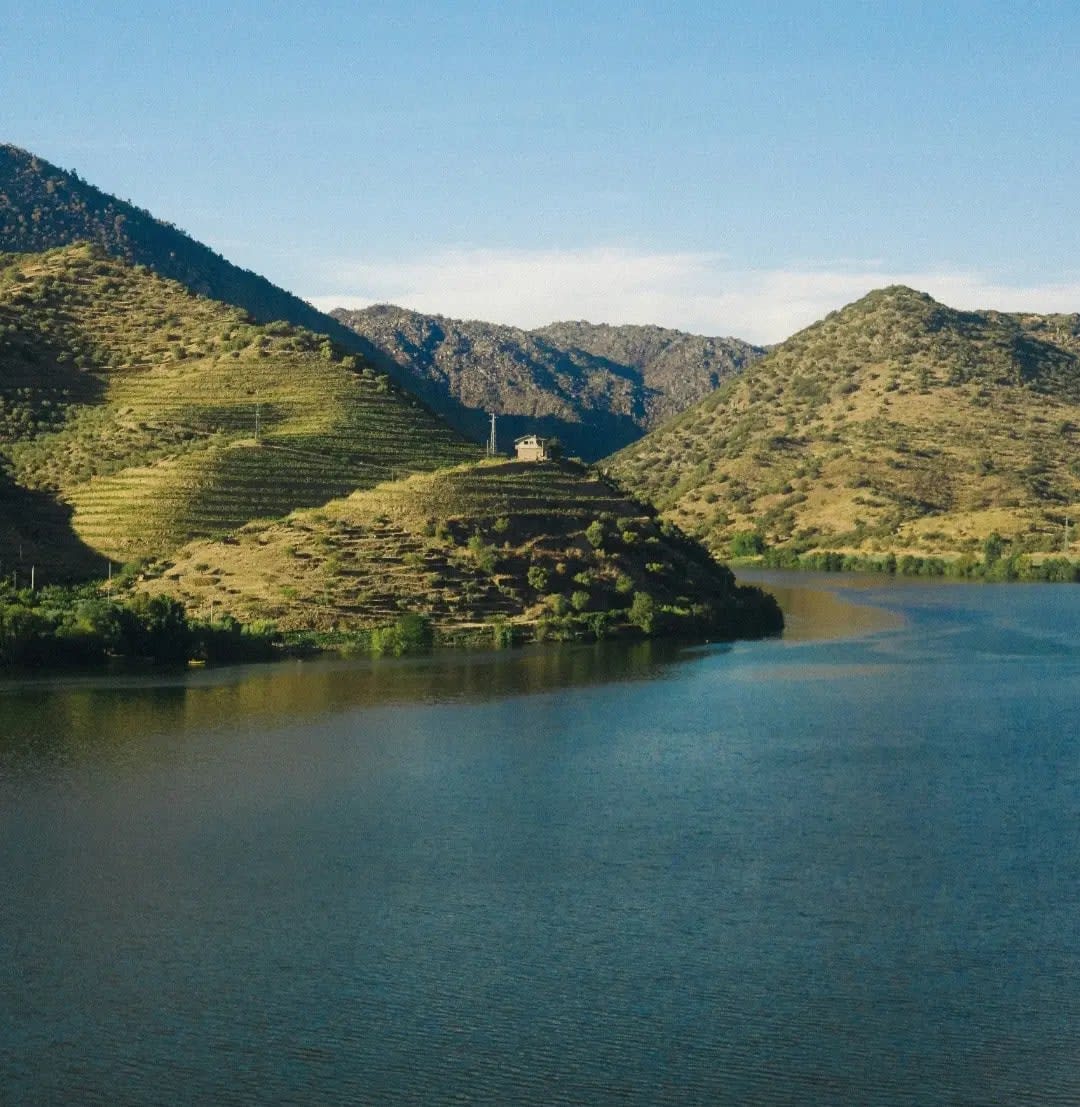
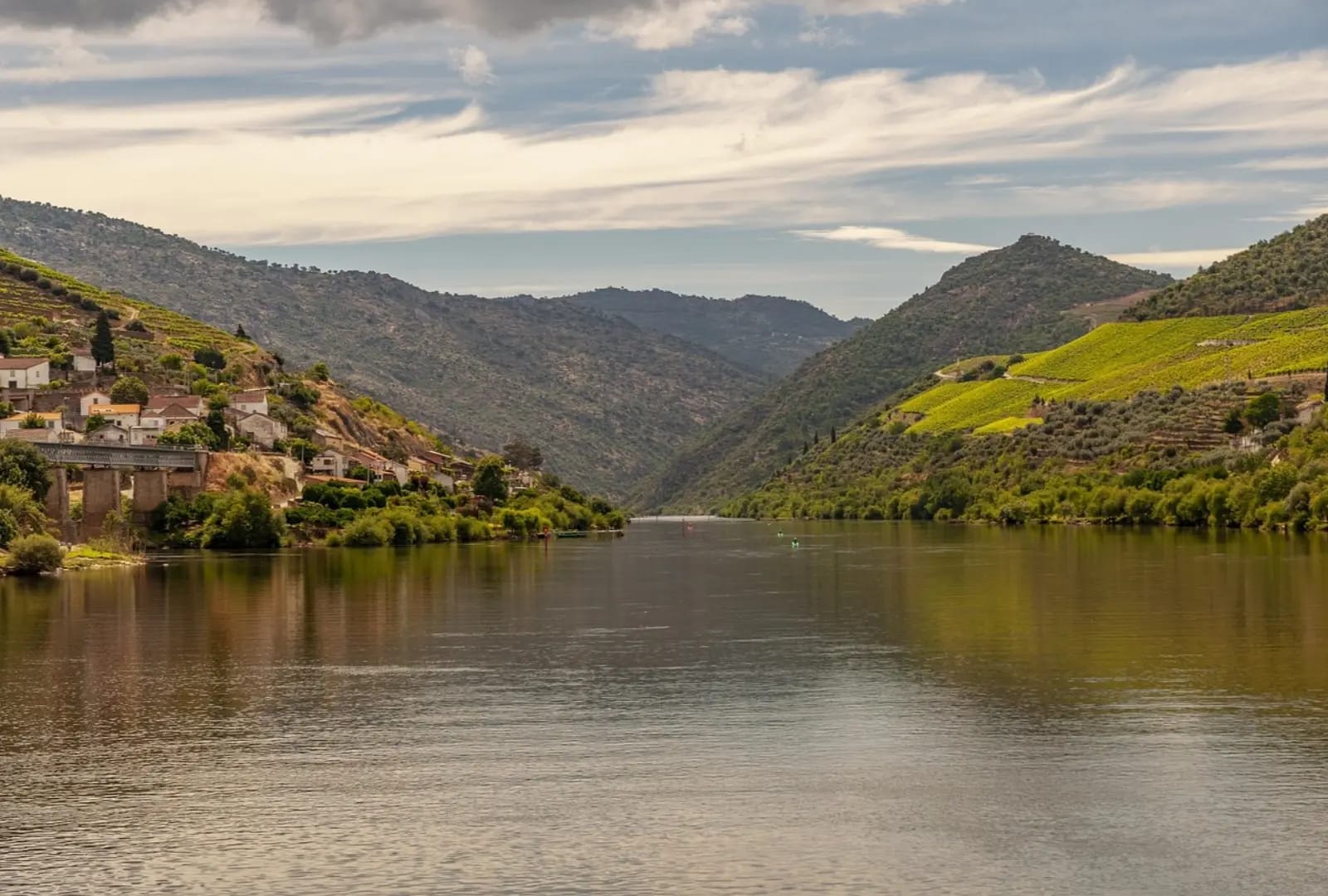
- Douro River: The Douro River is the lifeblood of the valley, winding its way through the region and creating a stunning natural corridor. The river provides a vital water source for the vineyards and plays a central role in the area's transportation and trade. Boat cruises along the river offer visitors a unique perspective of the valley’s landscapes and vineyards.
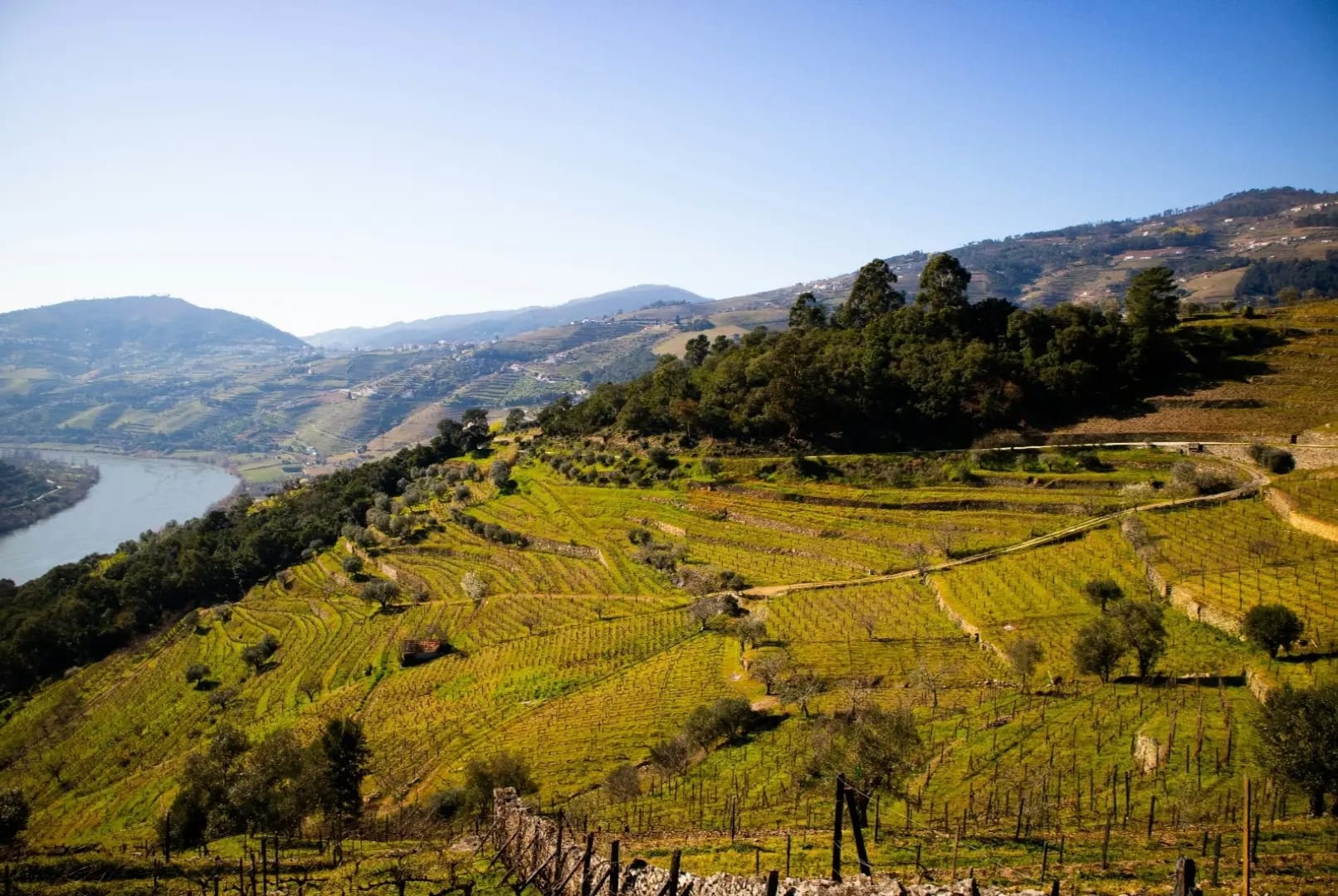
- Terraced Vineyards: The terraced vineyards of Vale do Douro are one of the region’s most iconic features. The steep hillsides are meticulously cultivated, with stone terraces that help to prevent soil erosion and maximize sunlight exposure for the grapevines. These terraces create a visually striking landscape and are essential for the production of high-quality port wine.
- Mountain Ranges: Surrounding the Douro Valley are several mountain ranges, including the Serra do Marão and Serra da Padrela. These mountains contribute to the region’s varied climate and provide a dramatic backdrop to the vineyards. The higher elevations offer panoramic views of the valley and are popular spots for hiking and nature walks.
📜 History and Cultural Significance
Vale do Douro has a rich history and cultural significance, deeply intertwined with its wine-making tradition and the development of the region over centuries.
Ancient Wine Tradition: The history of wine production in the Douro Valley dates back to Roman times, with evidence of viticulture practices that have evolved over centuries. The region’s winemaking heritage is deeply rooted in its soil and climate, which have been cultivated to produce the renowned port wine and other fine wines.
Port Wine Industry: The development of the port wine industry in the 18th century marked a significant chapter in the valley’s history. British traders played a crucial role in establishing the trade of port wine, which became a major export product. The establishment of wine lodges and cellars in Porto, where the wine is aged and exported, further solidified the region’s reputation in the global wine market.
UNESCO World Heritage Site: In 2001, the Douro Valley was designated a UNESCO World Heritage site in recognition of its cultural landscape and historical significance. The designation highlights the valley’s unique blend of natural beauty and human ingenuity, particularly in the cultivation of its terraced vineyards.
Ancient Wine Tradition: The history of wine production in the Douro Valley dates back to Roman times, with evidence of viticulture practices that have evolved over centuries. The region’s winemaking heritage is deeply rooted in its soil and climate, which have been cultivated to produce the renowned port wine and other fine wines.
Port Wine Industry: The development of the port wine industry in the 18th century marked a significant chapter in the valley’s history. British traders played a crucial role in establishing the trade of port wine, which became a major export product. The establishment of wine lodges and cellars in Porto, where the wine is aged and exported, further solidified the region’s reputation in the global wine market.
UNESCO World Heritage Site: In 2001, the Douro Valley was designated a UNESCO World Heritage site in recognition of its cultural landscape and historical significance. The designation highlights the valley’s unique blend of natural beauty and human ingenuity, particularly in the cultivation of its terraced vineyards.
🏃 Activities and Attractions
Vale do Douro offers a variety of activities and attractions that highlight its natural beauty, cultural heritage, and wine-making traditions.
- Wine Tours and Tastings: One of the main attractions in the Douro Valley is the opportunity to tour and taste wines at the region’s many wineries and wine estates. Visitors can explore vineyards, learn about the wine-making process, and sample a range of wines, including the famous port wine. Many estates offer guided tours, tastings, and wine-pairing experiences.
- River Cruises: Taking a boat cruise along the Douro River provides a relaxing and scenic way to experience the valley’s landscapes. Cruises vary in length and can include commentary on the region’s history, vineyards, and landmarks. Some cruises offer gourmet dining options and opportunities to enjoy the views of the terraced vineyards and charming villages.
- Hiking and Nature Walks: The Douro Valley’s mountainous terrain offers numerous hiking and nature walking opportunities. Trails range from easy walks to more challenging hikes, providing stunning views of the river and the terraced vineyards. Popular hiking routes include the paths around the Serra do Marão and the viewpoints overlooking the valley.
- Cultural Visits: The valley is home to several historic towns and villages with cultural attractions. Porto, the city where port wine is aged and exported, offers historic architecture, museums, and vibrant markets. Other towns such as Peso da Régua and Lamego feature historical landmarks, including churches, castles, and museums that highlight the region’s cultural heritage.
💡 Travel Tips
To ensure a pleasant visit to Vale do Douro, consider the following travel tips:
Best Time to Visit: The best time to visit the Douro Valley is during the spring (April to June) and autumn (September to October) when the weather is mild and the landscapes are at their most picturesque. The grape harvest season in September and October offers a unique opportunity to witness the winemaking process. Summer (July to August) can be warm and busy, while winter (November to March) may be cooler and quieter.
Getting There: The Douro Valley is accessible by car from major cities such as Porto and Vila Real. The region is well-connected by highways, and driving offers the flexibility to explore the scenic routes and vineyards at your own pace. There are also train services that run along the Douro River, providing a scenic journey through the valley.
What to Bring: Wear comfortable clothing and shoes suitable for walking and exploring vineyards and towns. Bring sun protection, especially if visiting during the warmer months, as the sun can be strong. A camera is recommended for capturing the stunning landscapes and historic sites. If participating in wine tastings, be sure to have a designated driver or plan alternative transportation.
Health and Safety: The Douro Valley is generally safe for visitors, but be aware of potential hazards such as uneven terrain and steep slopes in vineyard areas. Follow safety guidelines during wine tours and river cruises, and stay hydrated, especially during outdoor activities. It is advisable to check the weather forecast and dress appropriately for the conditions.
Best Time to Visit: The best time to visit the Douro Valley is during the spring (April to June) and autumn (September to October) when the weather is mild and the landscapes are at their most picturesque. The grape harvest season in September and October offers a unique opportunity to witness the winemaking process. Summer (July to August) can be warm and busy, while winter (November to March) may be cooler and quieter.
Getting There: The Douro Valley is accessible by car from major cities such as Porto and Vila Real. The region is well-connected by highways, and driving offers the flexibility to explore the scenic routes and vineyards at your own pace. There are also train services that run along the Douro River, providing a scenic journey through the valley.
What to Bring: Wear comfortable clothing and shoes suitable for walking and exploring vineyards and towns. Bring sun protection, especially if visiting during the warmer months, as the sun can be strong. A camera is recommended for capturing the stunning landscapes and historic sites. If participating in wine tastings, be sure to have a designated driver or plan alternative transportation.
Health and Safety: The Douro Valley is generally safe for visitors, but be aware of potential hazards such as uneven terrain and steep slopes in vineyard areas. Follow safety guidelines during wine tours and river cruises, and stay hydrated, especially during outdoor activities. It is advisable to check the weather forecast and dress appropriately for the conditions.
🌱 Conservation
Conservation efforts in Vale do Douro focus on preserving the region’s unique landscapes, protecting its biodiversity, and maintaining its cultural heritage.
Environmental Protection: The preservation of the Douro Valley’s natural landscapes is a key aspect of conservation efforts. This includes protecting the terraced vineyards, managing soil erosion, and maintaining the health of the river and surrounding ecosystems. Sustainable farming practices are promoted to ensure that the region’s vineyards are managed in an environmentally friendly manner.
Cultural Heritage: Efforts are made to preserve the cultural heritage of the Douro Valley, including its historic architecture, traditional winemaking practices, and local customs. This involves maintaining historical buildings, supporting local crafts, and promoting the region’s cultural significance to visitors.
Sustainable Tourism: Sustainable tourism practices are encouraged to minimize the impact on the environment and support local communities. This includes promoting responsible behavior among visitors, supporting local businesses, and ensuring that tourism activities are conducted in a manner that respects the region’s natural and cultural assets.
Environmental Protection: The preservation of the Douro Valley’s natural landscapes is a key aspect of conservation efforts. This includes protecting the terraced vineyards, managing soil erosion, and maintaining the health of the river and surrounding ecosystems. Sustainable farming practices are promoted to ensure that the region’s vineyards are managed in an environmentally friendly manner.
Cultural Heritage: Efforts are made to preserve the cultural heritage of the Douro Valley, including its historic architecture, traditional winemaking practices, and local customs. This involves maintaining historical buildings, supporting local crafts, and promoting the region’s cultural significance to visitors.
Sustainable Tourism: Sustainable tourism practices are encouraged to minimize the impact on the environment and support local communities. This includes promoting responsible behavior among visitors, supporting local businesses, and ensuring that tourism activities are conducted in a manner that respects the region’s natural and cultural assets.
✨ Conclusion
Vale do Douro is a remarkable destination that captures the essence of Portugal’s wine heritage and natural beauty. With its stunning landscapes, rich cultural history, and world-renowned vineyards, the Douro Valley offers a unique and unforgettable experience for travelers. Whether you’re exploring the terraced vineyards, enjoying a river cruise, or immersing yourself in the region’s history and culture, the Douro Valley provides a blend of scenic beauty and cultural richness that makes it a must-visit destination in Portugal.