Neelum Valley
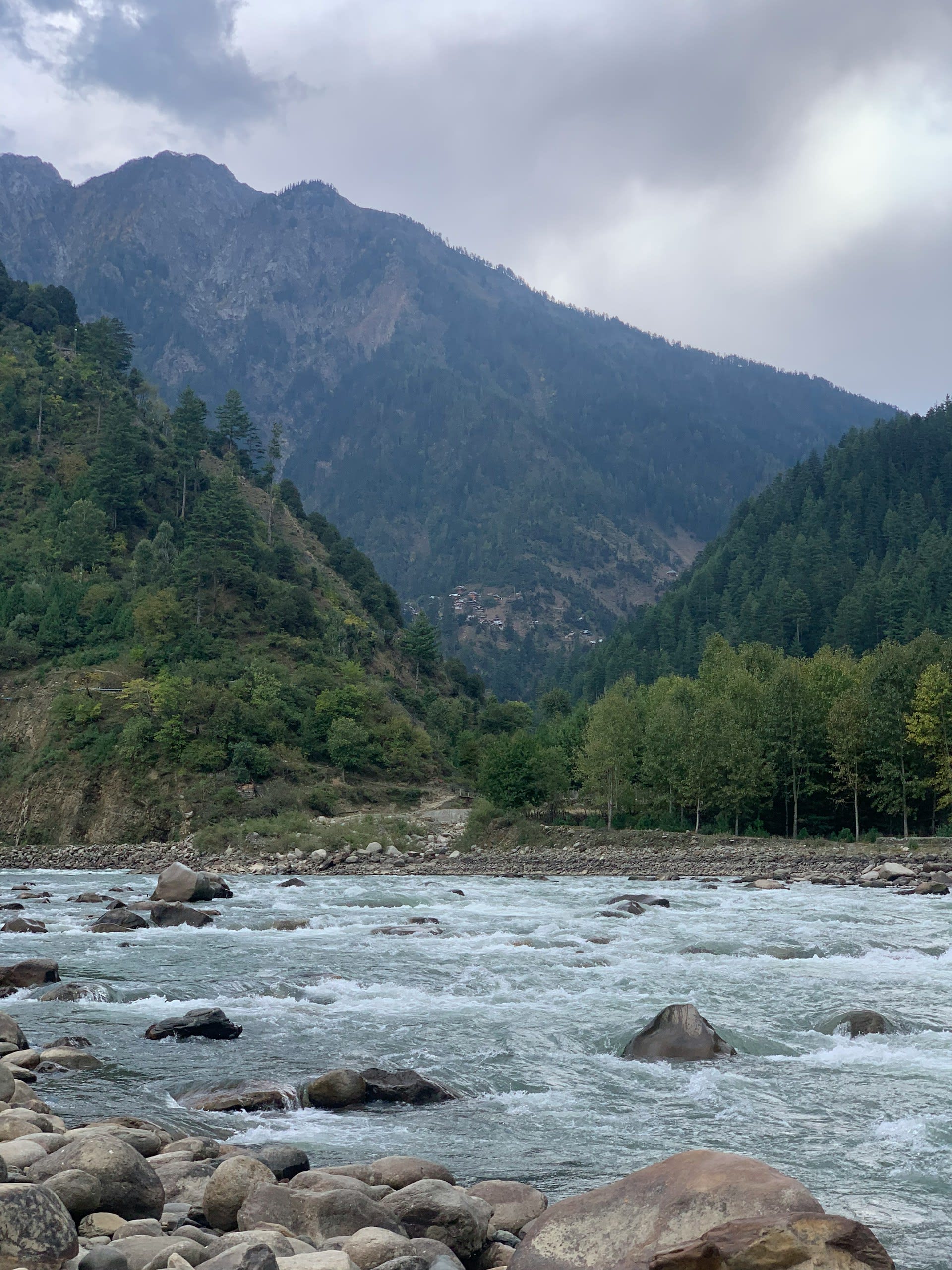
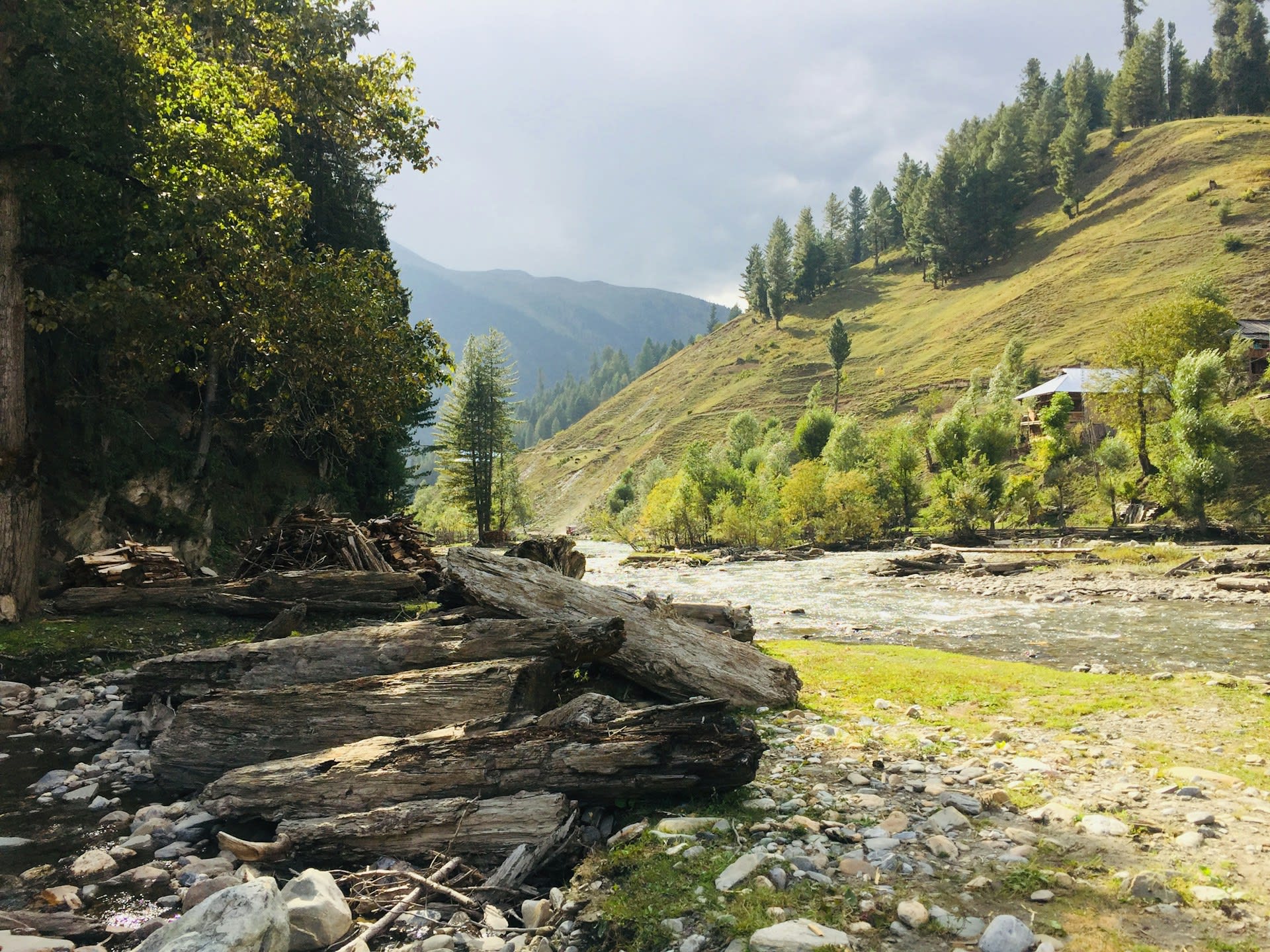
The Neelum Valley is one of Pakistan's most naturally beautiful river valleys — a 200 km corridor in Azad Jammu and Kashmir through which the turquoise Neelum River (known as the Kishanganga in India) flows beneath densely forested mountains. The valley road runs parallel to the Line of Control with India for much of its length, lending a dramatic geopolitical context to its extraordinary natural scenery. Dense oak, pine, and fir forests, clear mountain streams, high alpine meadows, and traditional Kashmiri wooden architecture make this one of Pakistan's most rewarding destinations.
🌍 Geography and Ecosystem
The Neelum Valley occupies a deep gorge cut by the Neelum River through the western Himalayan range. Its ecology is remarkably diverse:
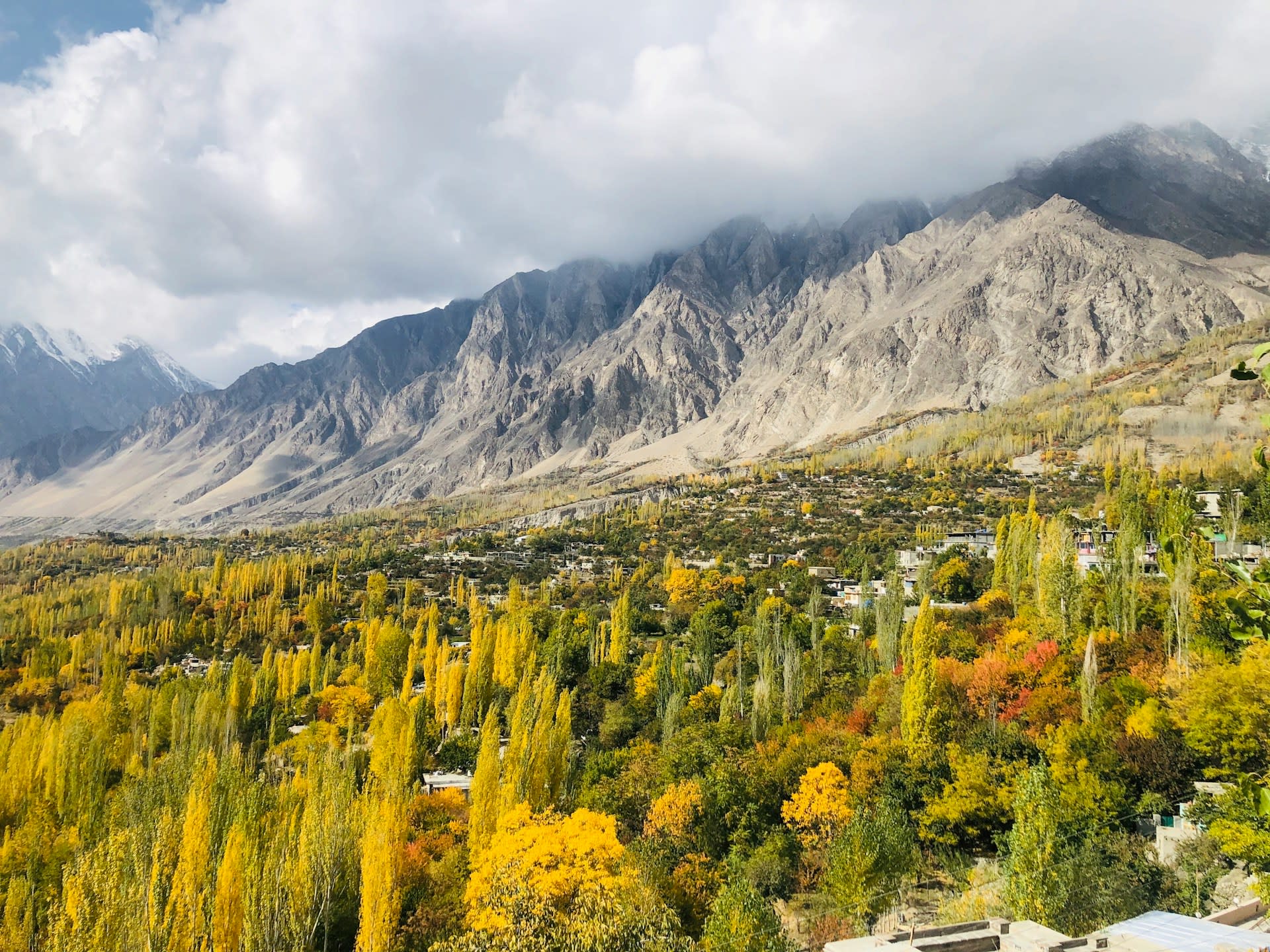
- Forest Ecosystem: The valley sides are covered in one of the best-preserved mixed temperate forests in the western Himalayas, with oak, rhododendron, blue pine, horse chestnut, and maple providing stunning autumn colours in October.
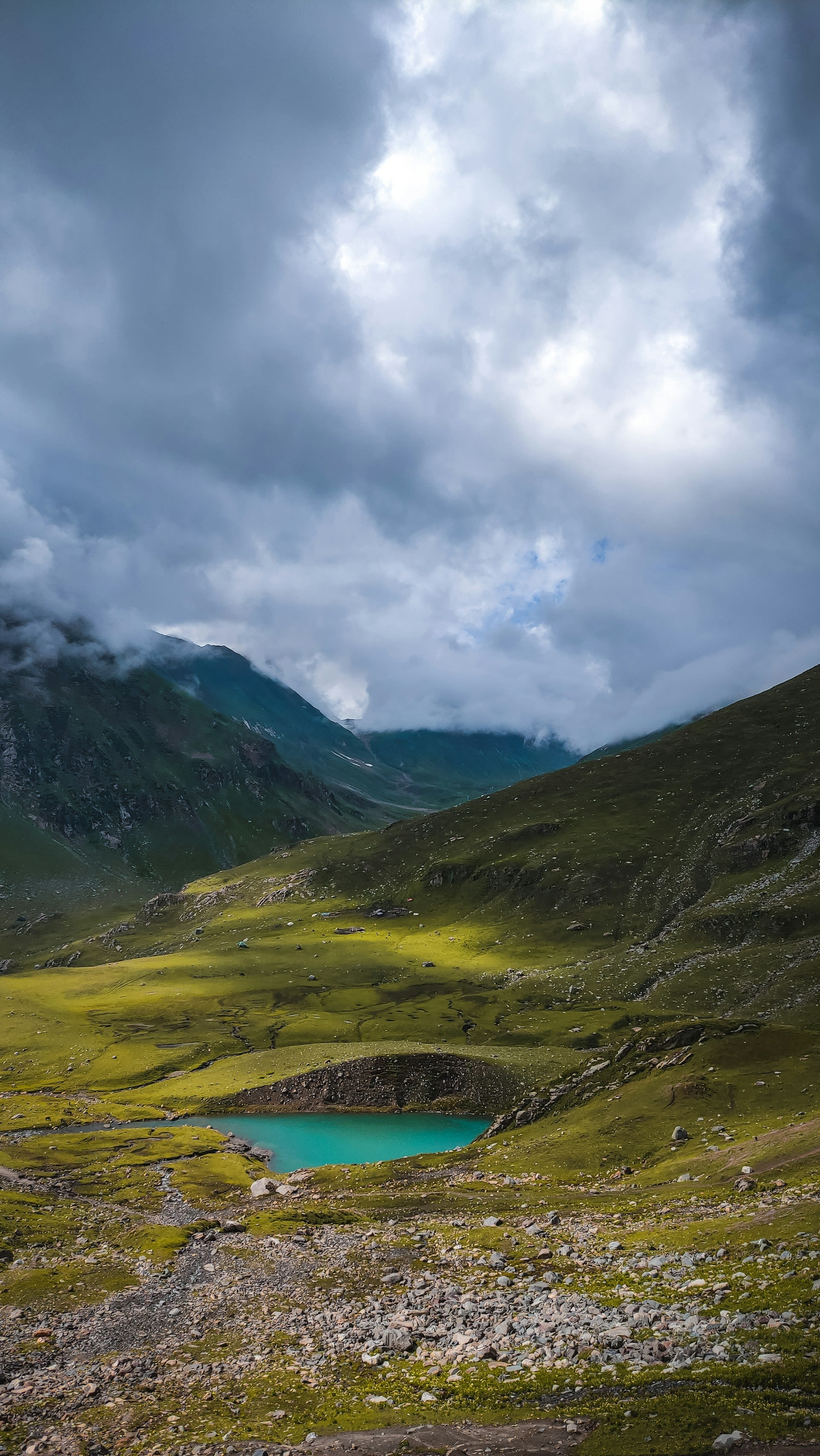
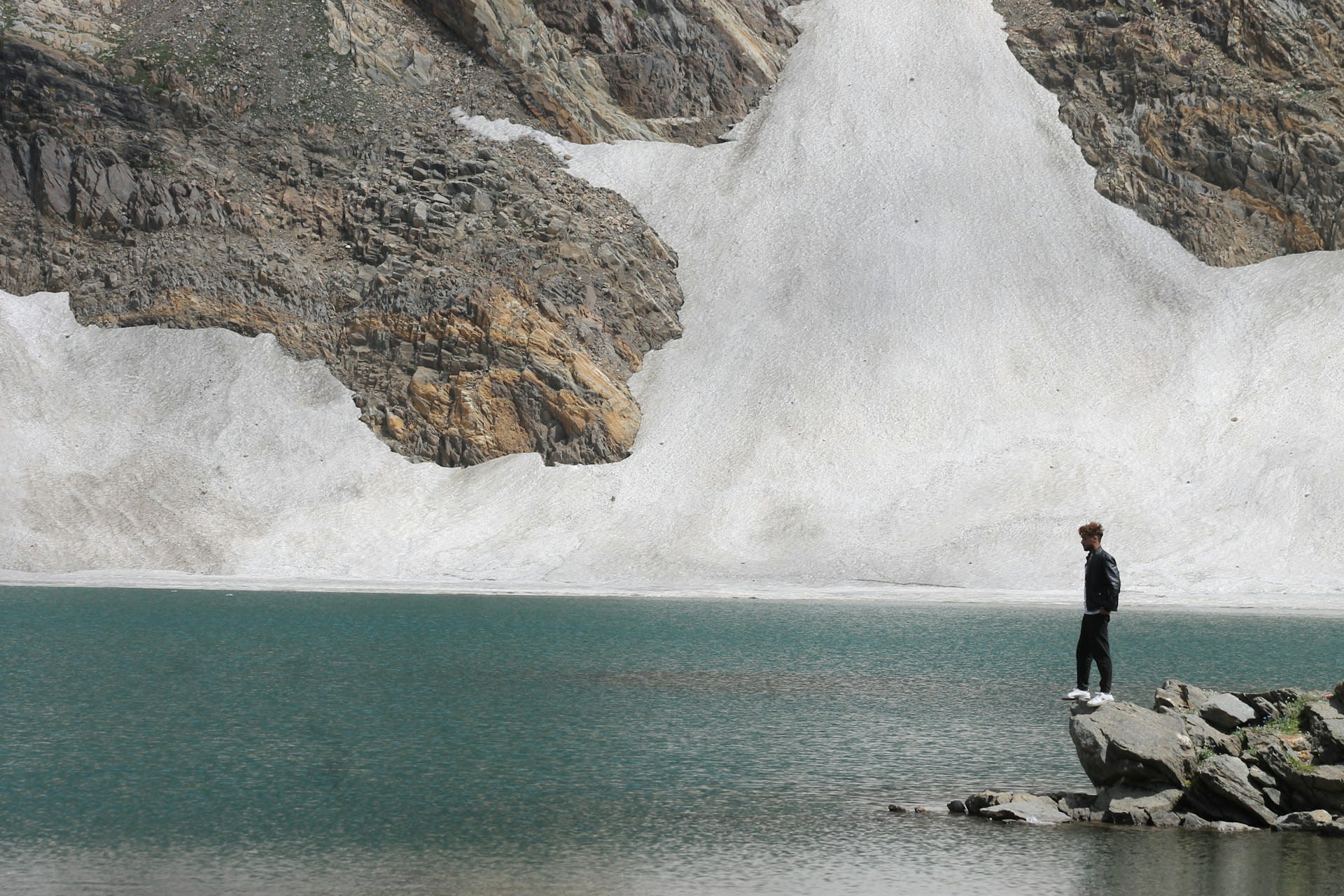
- Shounter Valley: A side valley in the upper Neelum, Shounter is one of the most pristine areas of Azad Kashmir, with an alpine lake, glaciers, and virtually no tourism development.
- Wildlife: The valley's forests support common leopard, Himalayan black bear, snow leopard in higher zones, Kashmir grey langur, and musk deer, along with extraordinary birdlife including the western tragopan (one of the world's rarest pheasants).
- Kel and Arangkel: The uppermost accessible sections of the valley, where forests give way to open alpine meadows and the highest peaks of the valley watershed come into view.
📜 History and Cultural Significance
Neelum Valley's cultural landscape reflects the deep Kashmiri heritage of Azad Kashmir. The traditional wooden architecture, with its distinctive carved balconies and steeply pitched roofs, represents centuries of local building tradition adapted to a snowy mountain climate. The valley was severely damaged by the catastrophic Kashmir earthquake of 8 October 2005, which killed over 73,000 people, with the Neelum Valley among the worst-affected areas. Reconstruction has been slow and the valley still bears the physical and social scars of the disaster. The valley's position along the Line of Control has periodically affected daily life for its residents during periods of military tension.
🏃 Activities and Attractions
The Neelum Valley rewards those who drive its full length with a progression of increasingly spectacular scenery:
- Sharda: The valley's most historic site — an ancient Hindu university and temple complex, now partially excavated, marks the location of the legendary Sharada Peeth, once one of the greatest centres of Sanskrit learning.
- Kel and Arangkel: The uppermost tourist destinations in the valley, connected by a chairlift and trails through alpine forest. Arangkel offers panoramic views and camping in meadows above the treeline.
- Ratti Gali Lake: A high-altitude glacial lake (3,700 m) accessible by jeep and foot from Dowarian village — one of Azad Kashmir's most scenic natural features.
- River Activities: The Neelum River offers excellent fly-fishing for brown trout, and its rapids attract adventure tourists for kayaking during high-flow season.
💡 Travel Tips
How to Get There: Drive from Muzaffarabad (the capital of Azad Kashmir) up the Neelum Valley Road. Muzaffarabad is approximately 3 hours from Islamabad by road. Coordinates: 34.5° N, 74.0° E.
Best Time to Visit: April–June for spring flowers and green landscapes; September–October for autumn colours. July–August is peak season. The upper valley road is closed November–April due to snow.
What to Bring: Warm clothing for upper valley elevations, rain gear for the frequently mist-shrouded lower valley, good walking shoes, and cash (ATMs are scarce beyond Muzaffarabad).
Accommodation: Hotels and guesthouses are available at key points along the valley road including Kutton, Keran, Sharda, and Kel. Advance booking is essential on summer weekends.
Best Time to Visit: April–June for spring flowers and green landscapes; September–October for autumn colours. July–August is peak season. The upper valley road is closed November–April due to snow.
What to Bring: Warm clothing for upper valley elevations, rain gear for the frequently mist-shrouded lower valley, good walking shoes, and cash (ATMs are scarce beyond Muzaffarabad).
Accommodation: Hotels and guesthouses are available at key points along the valley road including Kutton, Keran, Sharda, and Kel. Advance booking is essential on summer weekends.
🌱 Conservation
The Neelum Valley's forests are managed by the Azad Kashmir Forest Department and are officially protected, but illegal logging has historically been a problem in the more remote upper sections. The valley's wildlife — particularly snow leopard and western tragopan — faces pressure from habitat encroachment and poaching. Conservation organisations including WWF-Pakistan operate in the valley, working with local communities on community-based natural resource management. The Neelum Valley's intact forest ecosystems play a critical role in the hydrology of the entire Jhelum River basin, making their protection a matter of regional water security.
✨ Conclusion
The Neelum Valley is Azad Kashmir at its most beautiful and most authentic — a river valley where ancient forests, crystal waters, traditional villages, and alpine meadows create a landscape of quiet splendour. Less visited than Pakistan's Karakoram destinations, it offers an experience of genuine warmth and natural richness that makes it one of the country's most rewarding journeys.