Rakaposhi
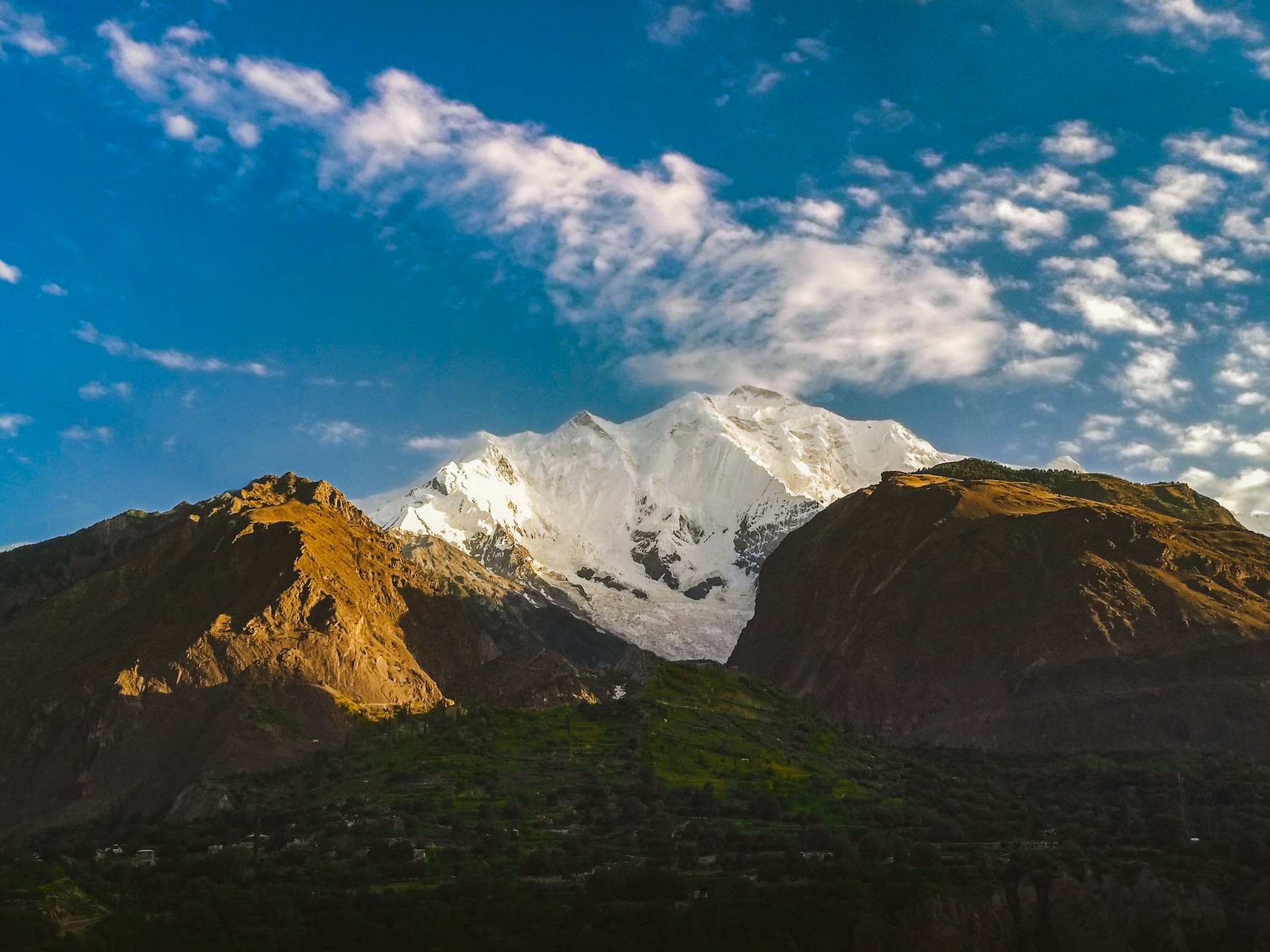
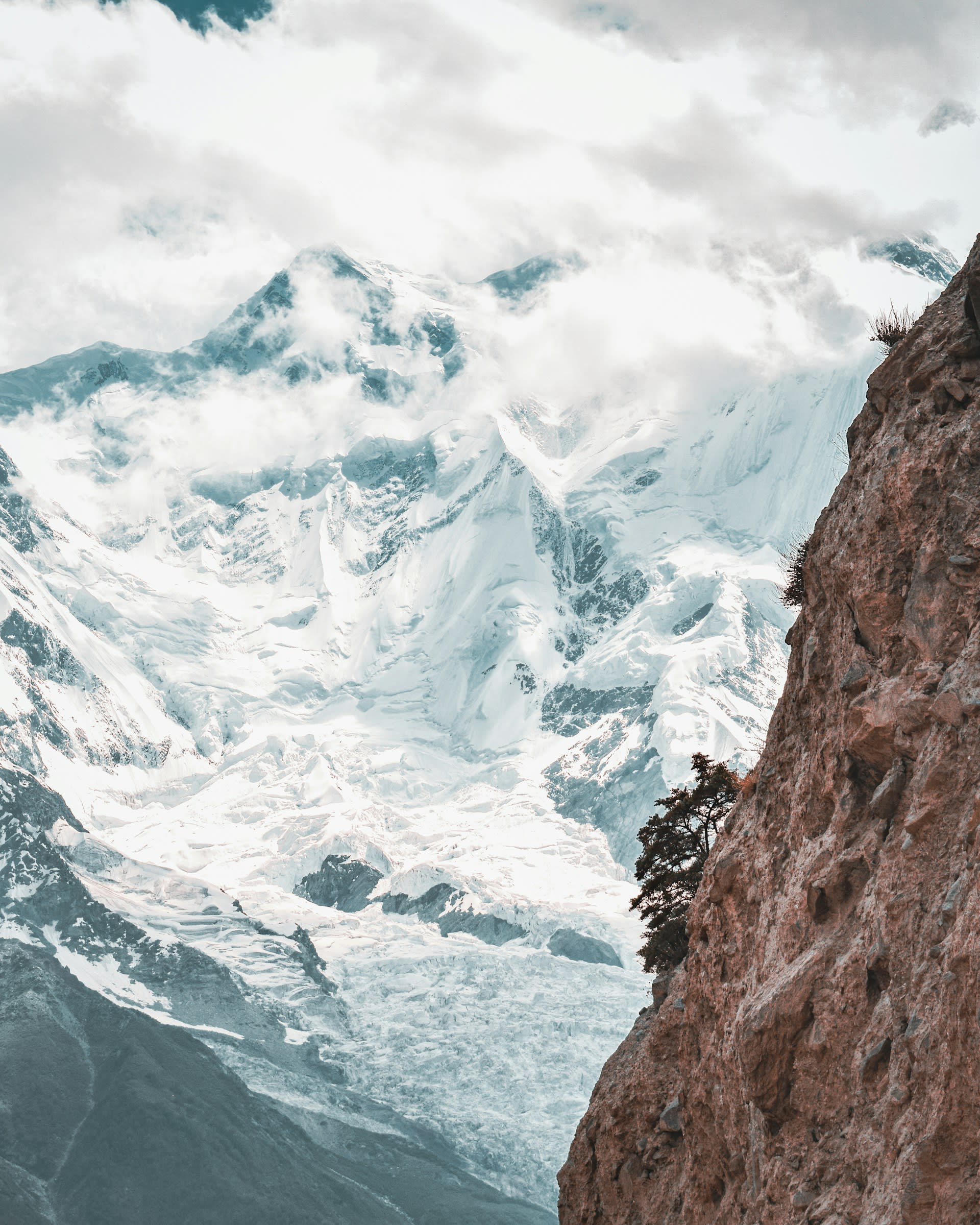
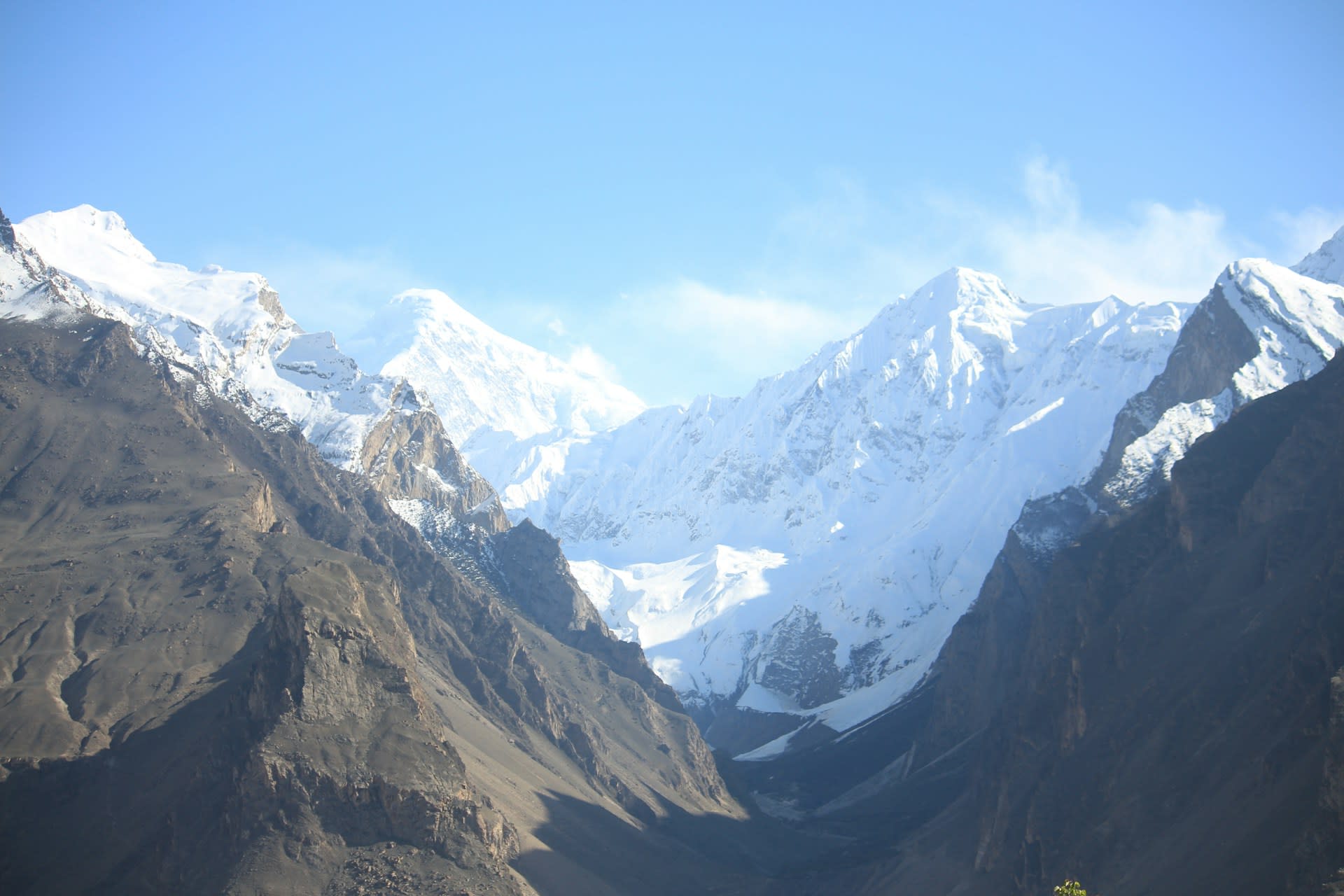
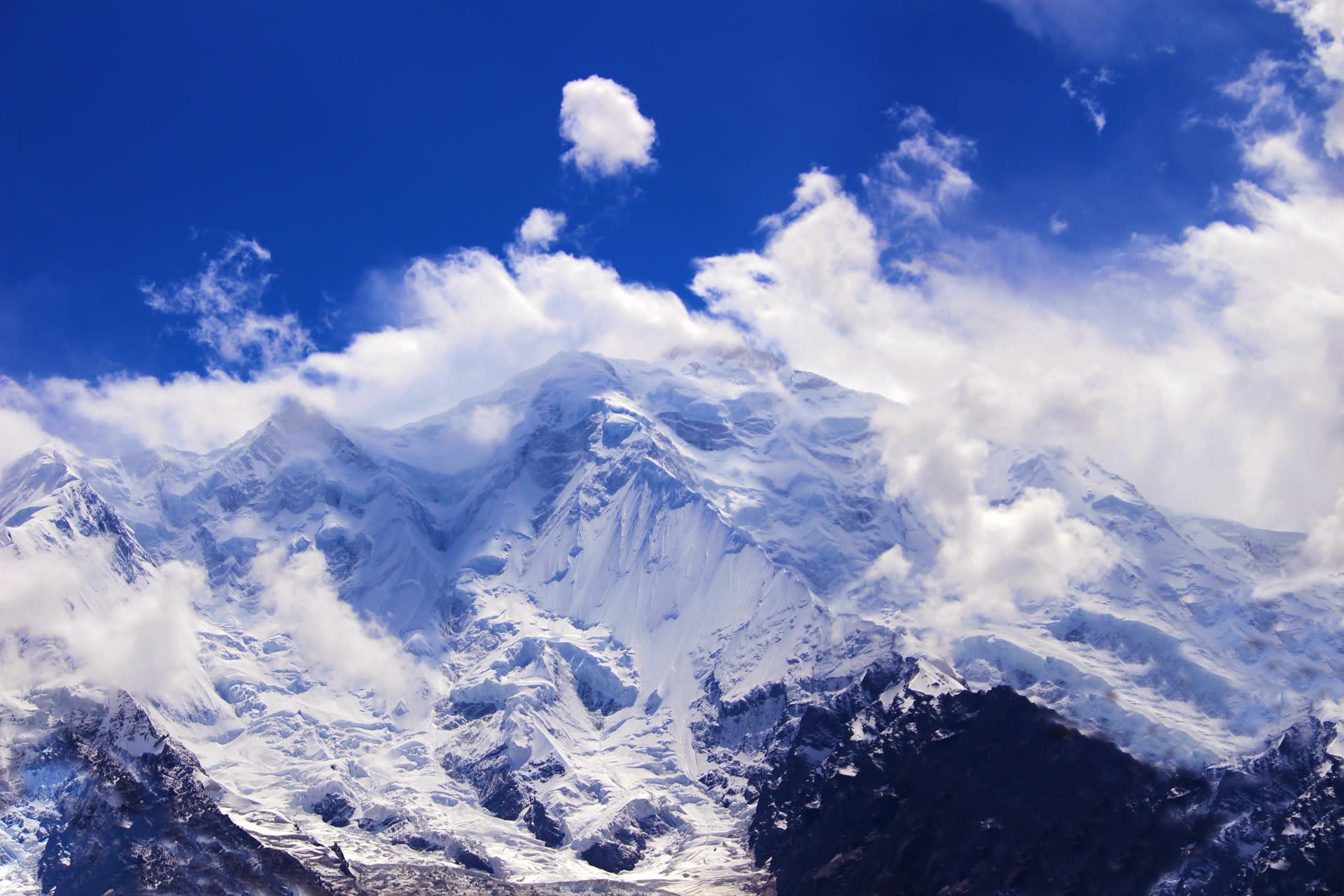
Rakaposhi (7,788 m) is the 27th highest mountain in the world and one of Pakistan's most beloved peaks. What makes it exceptional among the giants of the Karakoram is the dramatic accessibility of its southern profile — rising 5,800 metres almost continuously from the Hunza River at 1,980 m to its summit, it has one of the greatest base-to-summit vertical rises of any mountain on Earth. This stupendous wall is visible from the Karakoram Highway, making Rakaposhi one of the few 7,000+ m peaks in the world that can be viewed in its full glory from a paved road.
🌍 Geography and Ecosystem
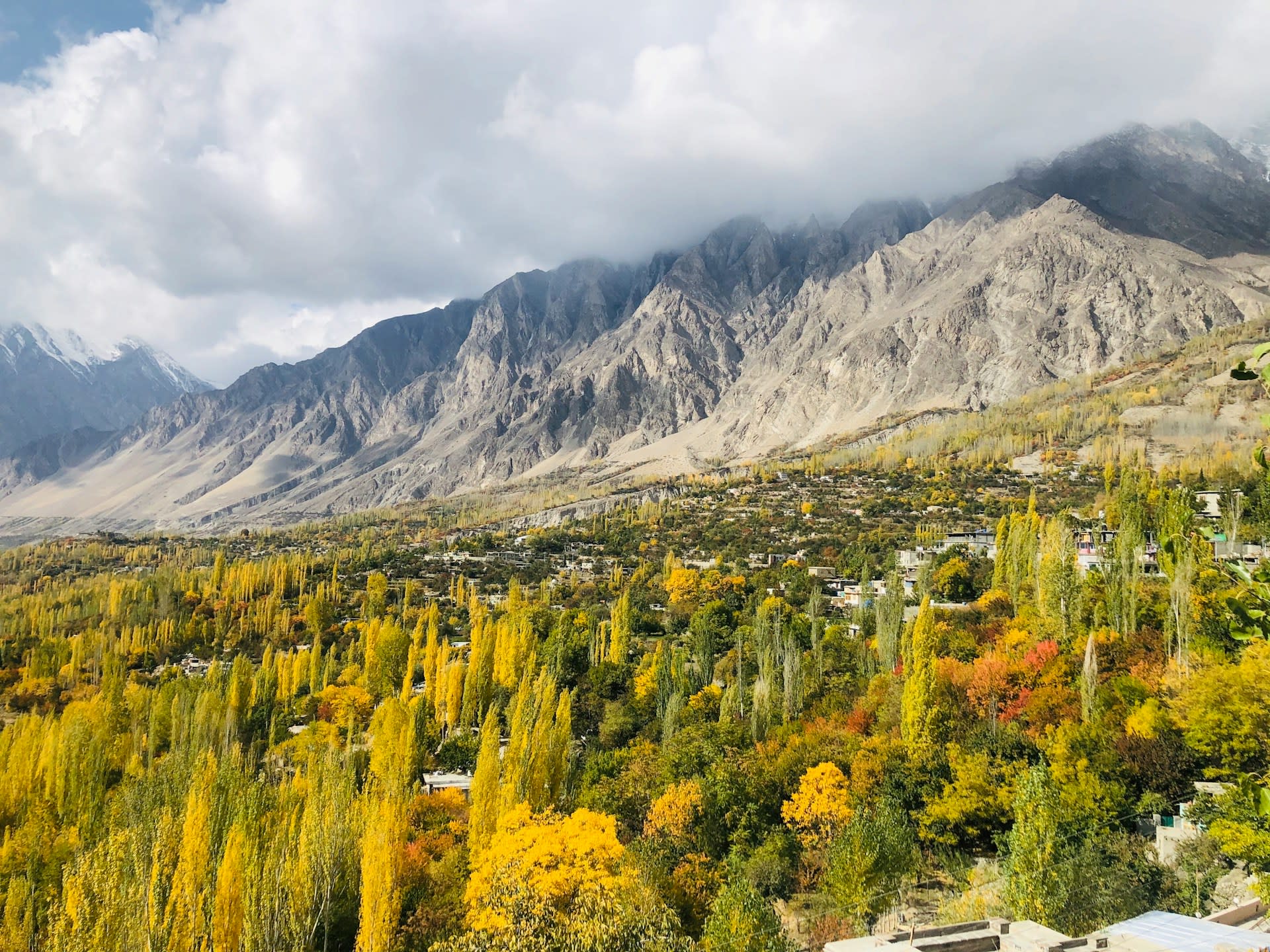
Rakaposhi stands at the northern end of the Karakoram, in the heart of Hunza district. Its isolation from the main Karakoram watershed gives it an unusually exposed and dramatic profile:
- Diran Peak: Rakaposhi's nearest neighbour (7,266 m) forms a linked massif, connected by the Minapin Glacier on the southern flank — a popular starting point for base camp treks.
- Minapin Glacier: One of the most accessible glaciers in Hunza, the Minapin serves as the standard approach to Rakaposhi base camp and offers a close-up encounter with active glacial processes.
- Alpine Meadows: The Tagaphari meadows at 3,500 m provide one of the finest viewpoints of Rakaposhi's south face, surrounded by wildflowers in July and August.
- Ecology: The lower slopes support ibex and snow leopard habitat, and the Minapin Village area is known for its rich bird diversity along the transition from irrigated cultivation to high alpine terrain.
📜 History and Cultural Significance
Rakaposhi's name in the local Burushaski language means 'Shining Wall' — an entirely apt description of the mountain's glaciated southern face catching the morning light. The mountain was first surveyed by the British in the 1890s during the Great Game era. The first ascent was made on 25 June 1958 by British climbers Mike Banks and Tom Patey via the northwest ridge — a route that remains the standard today. In local culture, Rakaposhi is regarded with deep reverence as a protective presence over the Hunza Valley.
🏃 Activities and Attractions
Rakaposhi offers accessible mountain experiences for non-climbers alongside serious mountaineering routes:
- Base Camp Trek: A 2–3 day trek from Minapin village (accessible from the Karakoram Highway) leads to Rakaposhi base camp at 3,800 m, through increasingly spectacular mountain scenery.
- Tagaphari Viewpoint: The alpine meadow of Tagaphari is one of the finest places in Pakistan to observe Rakaposhi's south face, with the mountain filling the entire visual field above.
- Karakoram Highway Views: Even from the road, the view of Rakaposhi above the Hunza River is among the most dramatic roadside mountain views in the world.
- Mountaineering: Rakaposhi is a highly sought objective for experienced high-altitude mountaineers, requiring full expedition logistics and acclimatisation but offering a technically accessible route to a significant summit.
💡 Travel Tips
How to Get There: The KKH passes through Minapin village, 8 km south of Karimabad in Hunza — well-signed from the highway. Fly to Gilgit or drive the KKH from Islamabad. Coordinates: 36.14° N, 74.49° E.
Best Time to Visit: May–September for trekking and views. July–August for the clearest conditions and base camp access.
What to Bring: Solid hiking boots for rocky and glacier-edge terrain on the base camp route, warm layers for high altitudes, and trekking poles.
Accommodation: Minapin village has basic guesthouses. Karimabad (8 km north) has a fuller range of options and makes an excellent base for exploring the area.
Best Time to Visit: May–September for trekking and views. July–August for the clearest conditions and base camp access.
What to Bring: Solid hiking boots for rocky and glacier-edge terrain on the base camp route, warm layers for high altitudes, and trekking poles.
Accommodation: Minapin village has basic guesthouses. Karimabad (8 km north) has a fuller range of options and makes an excellent base for exploring the area.
🌱 Conservation
The Rakaposhi-Haramosh mountain range is not formally protected, though it falls within the broader landscape managed by the Gilgit-Baltistan government. Increasing trekker numbers on the Minapin approach have brought some waste accumulation and trail erosion to the lower sections. Local community-based tourism initiatives in Minapin village have developed responsible trekking guidelines and employ local guides, helping to ensure that tourism revenue benefits the communities closest to the mountain.
✨ Conclusion
Rakaposhi earns its Burushaski name — the Shining Wall is one of the most spectacular sights in the entire Karakoram, a mountain of pure vertical drama that can be admired from a roadside viewpoint or approached on foot to an extraordinary base camp. It is the mountain that defines Hunza Valley's skyline and, for many visitors, remains the most memorable image from their entire time in Pakistan.