Lake Saiful Malook
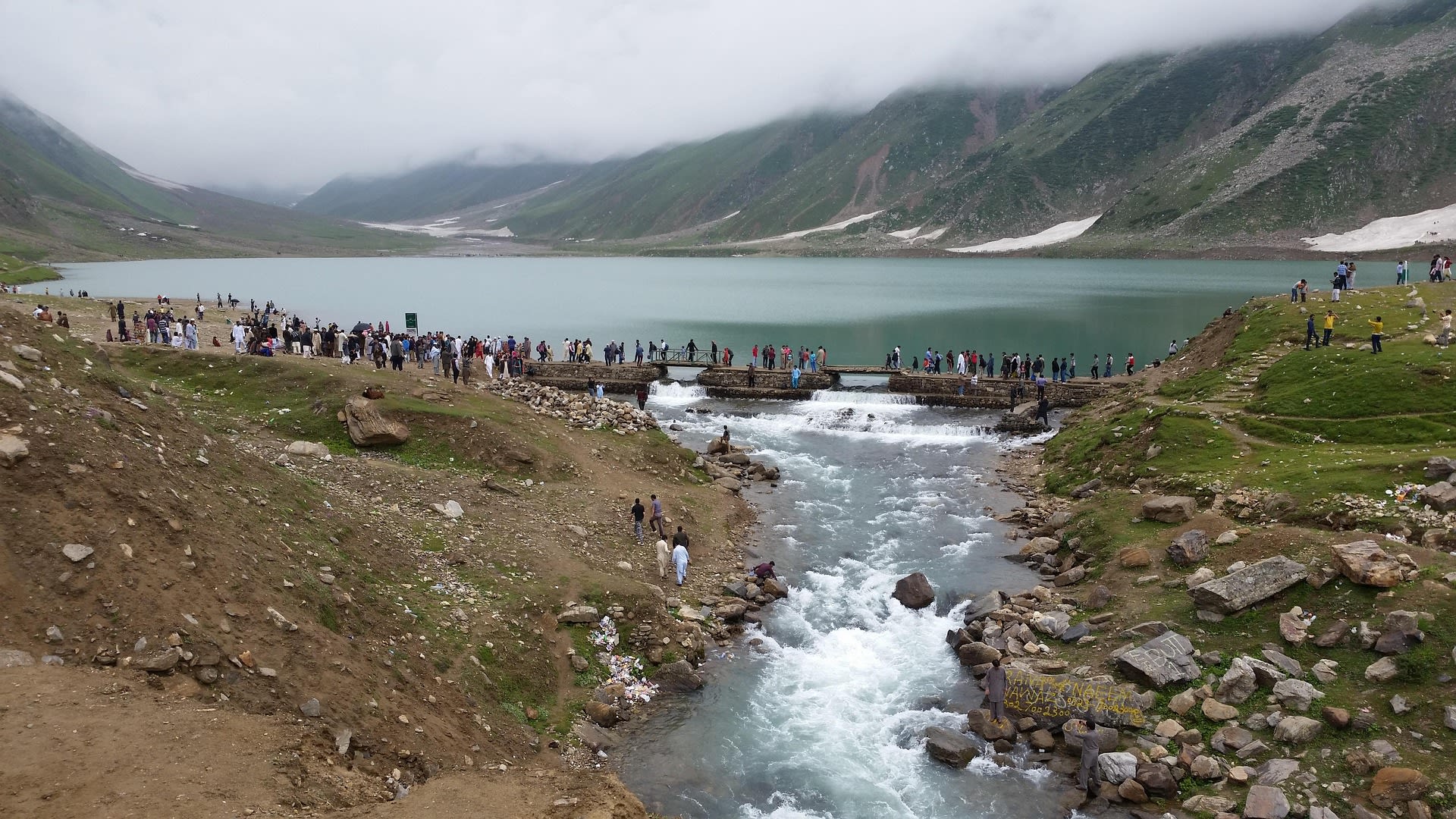
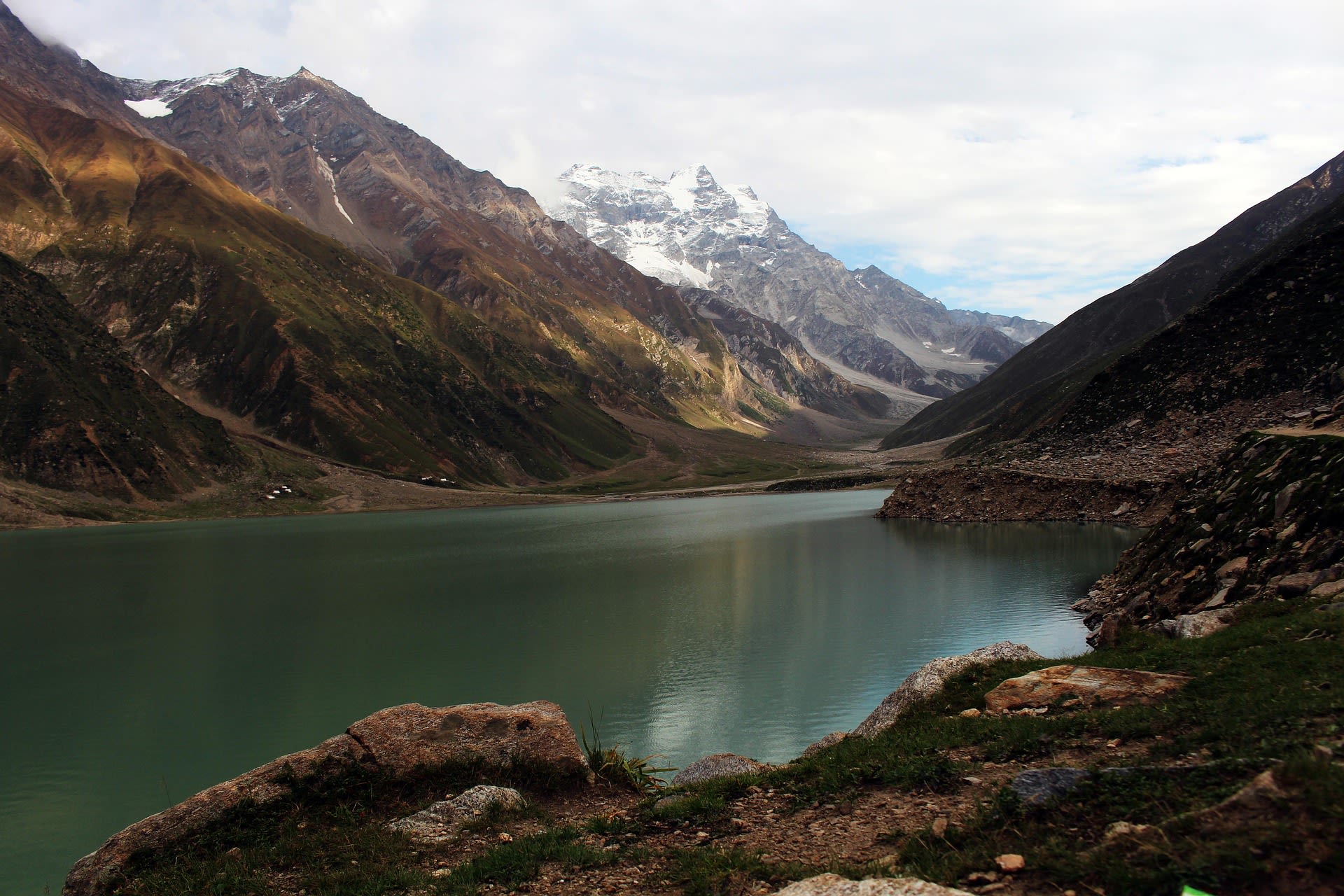
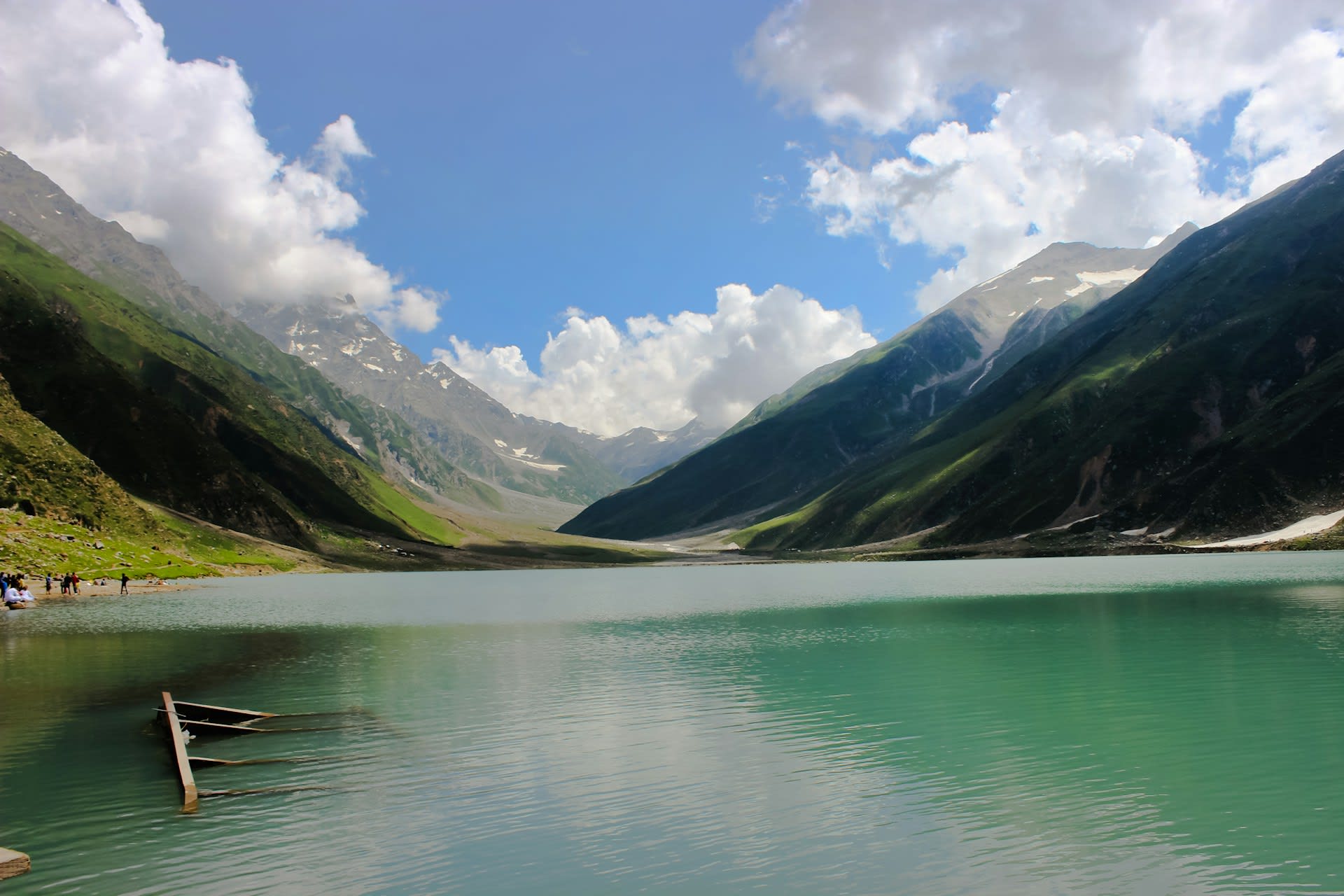
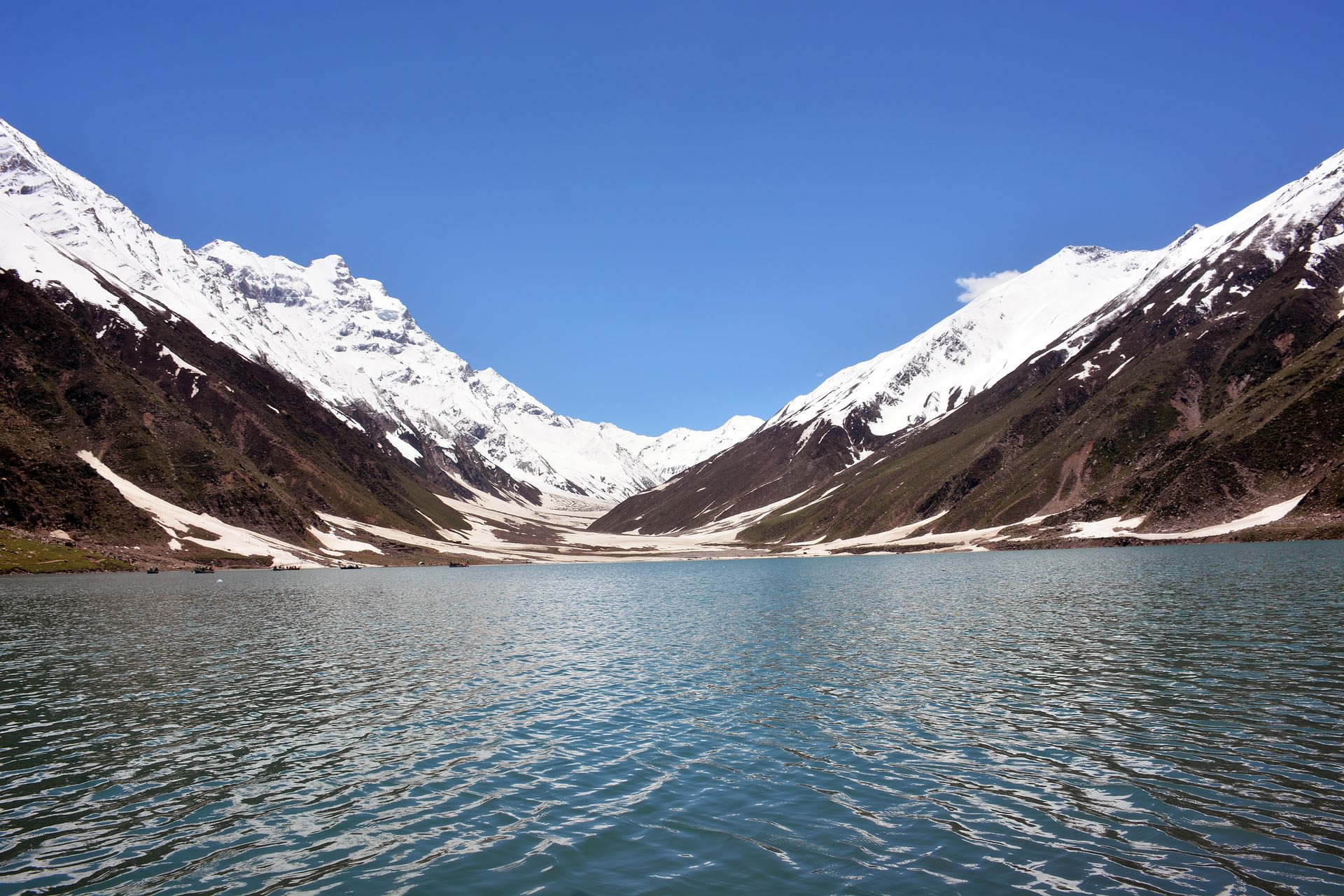
Lake Saiful Malook is one of Pakistan's most celebrated and mythologised natural sites — a glacially fed alpine lake at 3,224 metres in the Kaghan Valley, whose waters shift through extraordinary shades of blue and green depending on the light and season. The lake is surrounded by the rocky peaks of Malika Parbat (5,290 m) and is steeped in a famous Sufi folk legend about a prince who fell in love with a fairy princess at its shores. It is widely regarded as one of the most beautiful mountain lakes in Asia.
🌍 Geography and Ecosystem
The lake sits in a natural basin formed by glacial action, at the top of the Kaghan Valley in Khyber Pakhtunkhwa province:
- Water Colour: The lake's extraordinary blue-green colour is created by the refraction of light through the suspended glacial flour in its meltwater inflows — an effect that shifts with the angle of light and depth.
- Malika Parbat: The 'Queen of Mountains' dominates the northern horizon above the lake, her glaciated flanks feeding the streams that maintain the lake's level throughout the year.
- Seasonal Accessibility: The lake is accessible only from June to October, when the access road from Naran is open. In winter, it is buried under metres of snow.
- Flora: The meadows around the lake support high-altitude wildflower communities including gentians, primulas, and edelweiss, at their most spectacular in July.
📜 History and Cultural Significance
The lake is the setting of one of Pakistan's most famous folk poems — 'Saiful Malook' — written by the 19th-century Punjabi Sufi poet Mian Muhammad Bakhsh. The poem tells the story of Prince Saiful Malook, who falls deeply in love with Badr-ul-Jamal, a fairy princess imprisoned by an evil jinn at the lake's shores. The epic love story has given the lake a romantic and mystical significance in Pakistani culture. Local Gujjar and Kaghan communities have grazed their livestock at the lake's shores for generations during summer transhumance.
🏃 Activities and Attractions
The lake offers beautiful scenery and mountain experiences:
- Lakeside Walking: A trail circumnavigates much of the lake, offering constantly changing perspectives of the water and surrounding peaks.
- Horse Riding: Local horsemen offer rides along the shore and up to viewpoints on the surrounding hillsides.
- Ansoo Lake Trek: A demanding one-day hike above Saiful Malook leads to the even more remote Ansoo (Teardrop) Lake, named for its distinctive shape visible from the ridge above.
- Photography: The combination of the lake's vivid colour, snow-capped peaks, and wildflower meadows creates extraordinary photographic conditions from June to September.
💡 Travel Tips
How to Get There: Drive from Islamabad to Naran town (approximately 5 hours). From Naran, the lake road (13 km) is accessible by 4WD jeep or on horseback. The road is only open June–October. Coordinates: 34.88° N, 73.69° E.
Best Time to Visit: July and August for the most stable weather, wildflowers, and accessible access road. June and September are possible but snowier.
What to Bring: Warm clothing (temperatures can drop to near freezing at night even in summer), altitude sickness medication, and cash — no ATMs or card facilities exist above Naran.
Accommodation: Naran town has hotels and guesthouses at all price ranges. At the lake itself, there are only basic stalls and no overnight accommodation.
Best Time to Visit: July and August for the most stable weather, wildflowers, and accessible access road. June and September are possible but snowier.
What to Bring: Warm clothing (temperatures can drop to near freezing at night even in summer), altitude sickness medication, and cash — no ATMs or card facilities exist above Naran.
Accommodation: Naran town has hotels and guesthouses at all price ranges. At the lake itself, there are only basic stalls and no overnight accommodation.
🌱 Conservation
Lake Saiful Malook is one of Pakistan's most visited natural sites and faces significant tourism pressure. Plastic waste, uncontrolled camping, and damage to fragile alpine meadows from vehicle traffic are ongoing concerns. The Khyber Pakhtunkhwa government has introduced restrictions on vehicle access during peak season and established waste collection points, but enforcement remains inconsistent. The lake's catchment is unprotected, and development in the Kaghan Valley below threatens the water quality that gives the lake its remarkable clarity and colour.
✨ Conclusion
Lake Saiful Malook earns its legendary reputation. The combination of extraordinary water colour, dramatic mountain setting, and deep cultural resonance creates an experience that transcends simple landscape appreciation. Standing at its shore, with Malika Parbat reflected in blue water and the scent of alpine wildflowers in the air, it is easy to understand why poets have written of fairies living here.