Karachi Beach
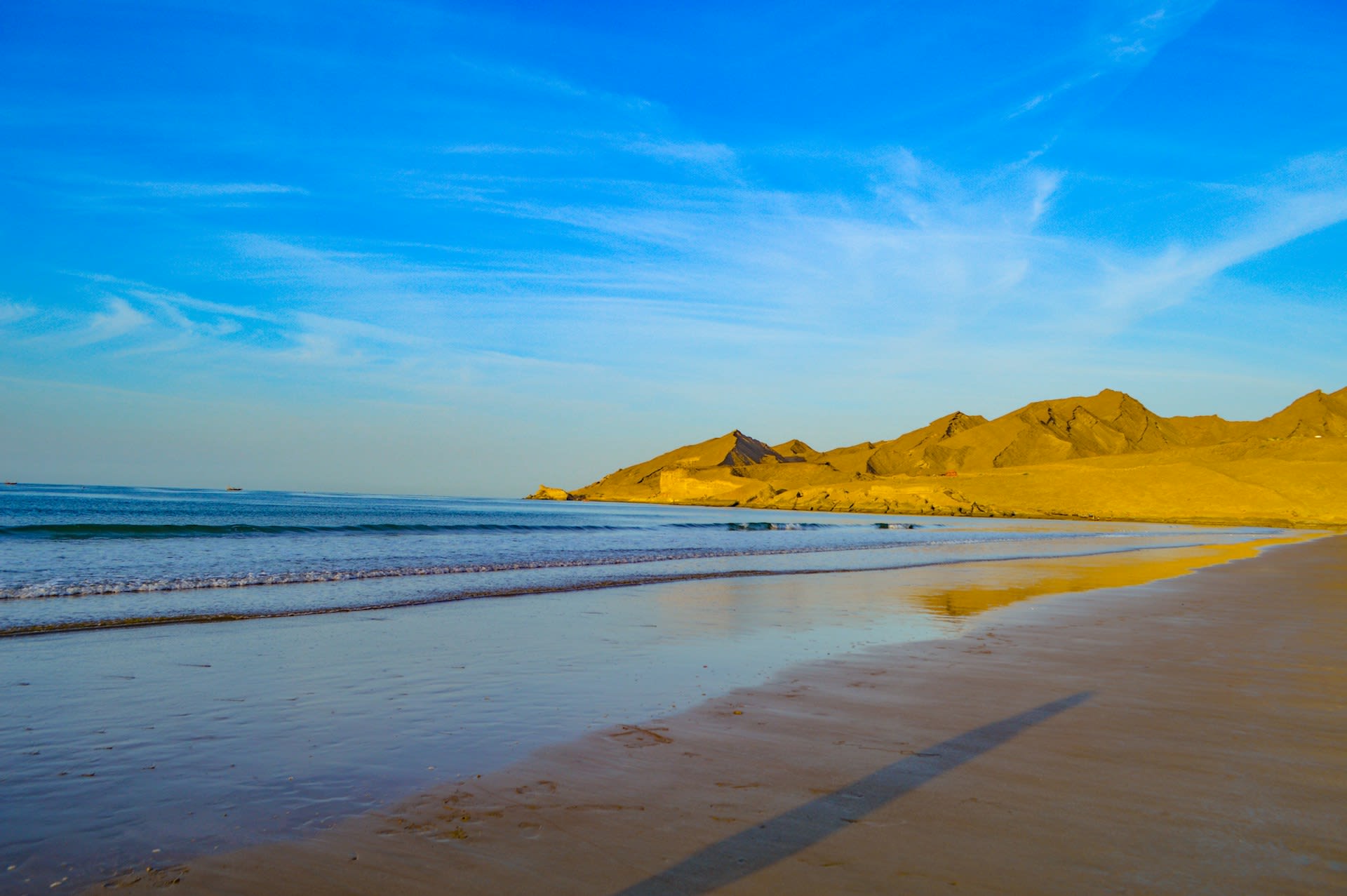
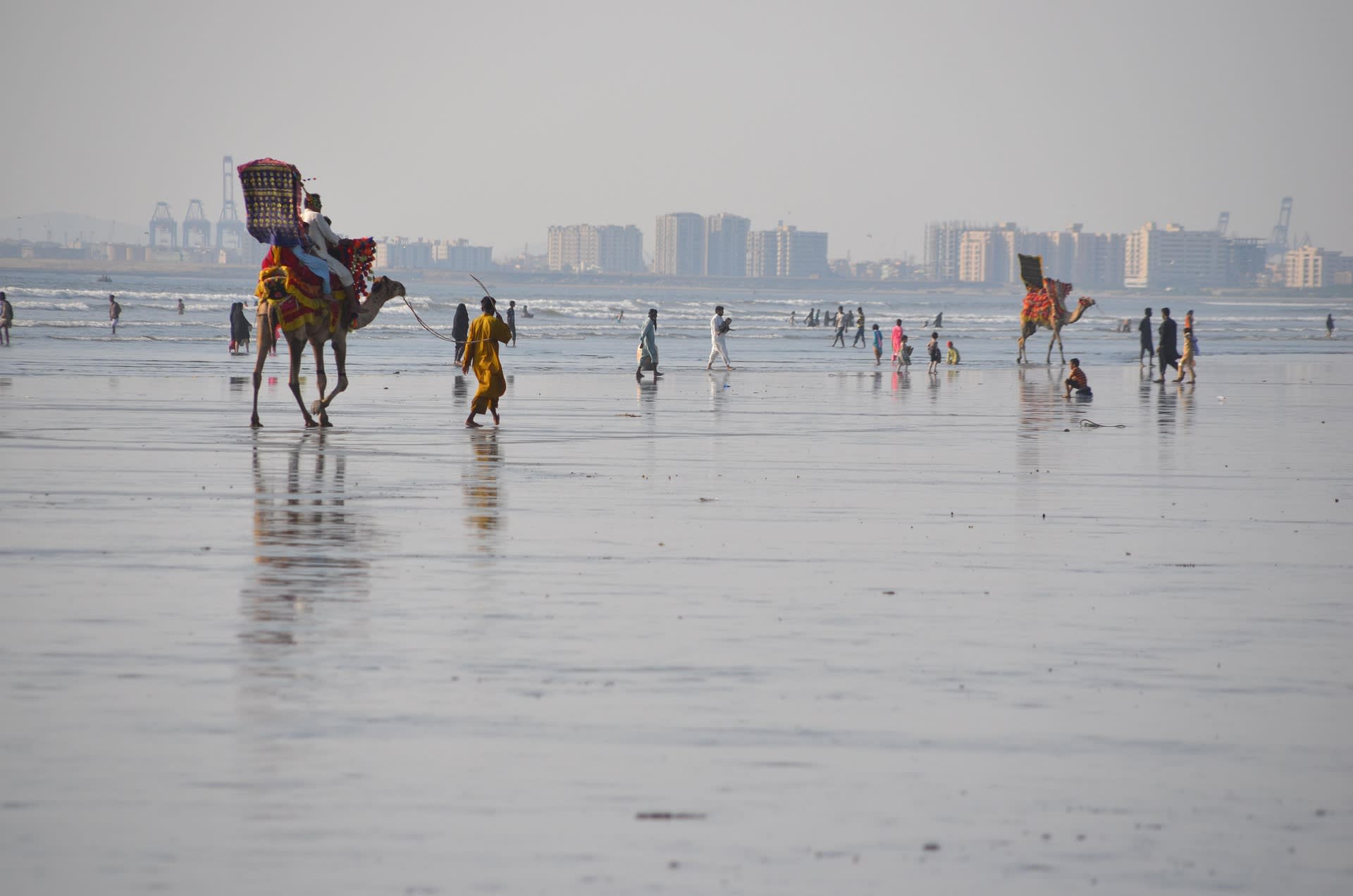
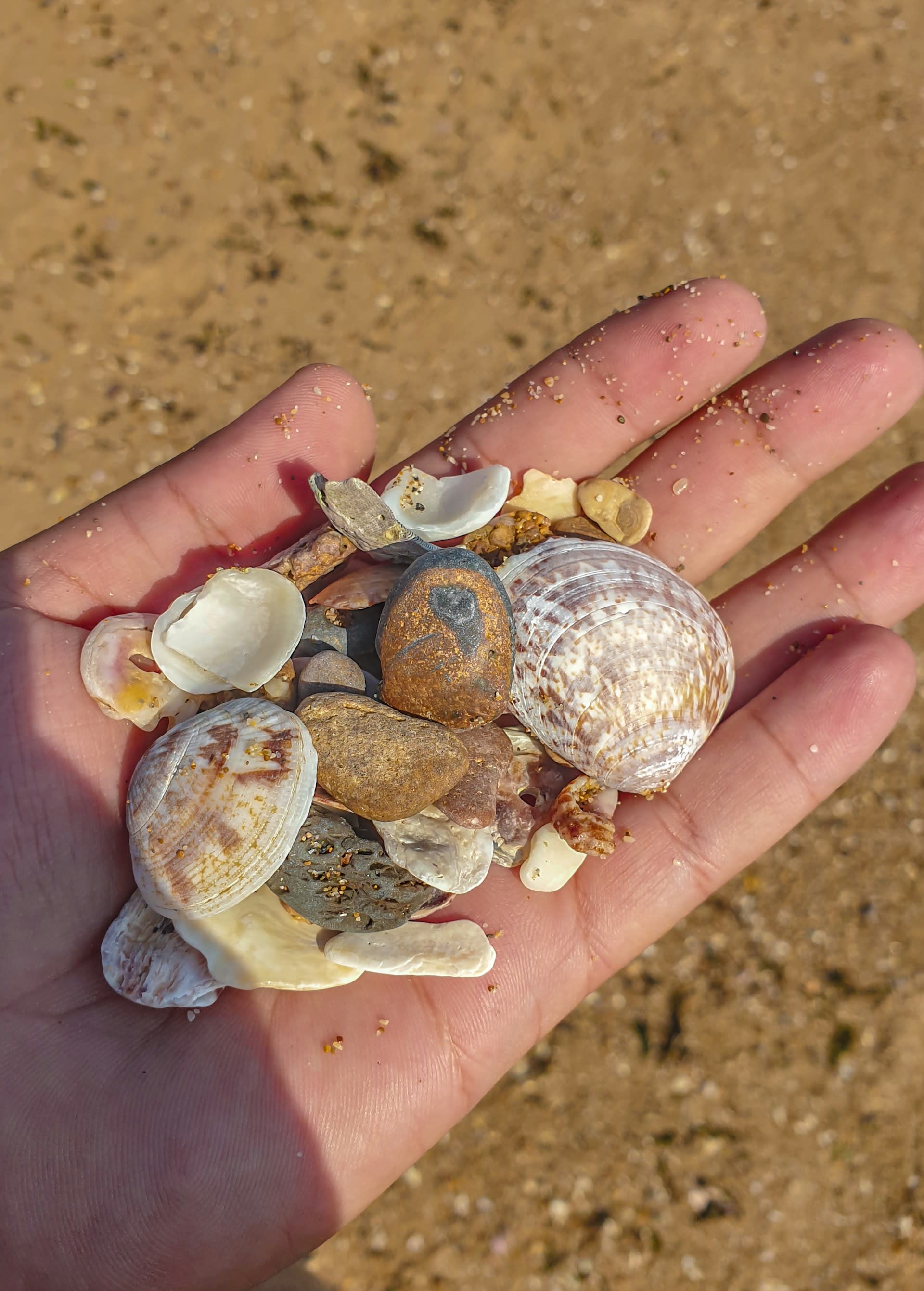
Karachi, Pakistan's largest city and economic capital, sits at the edge of the Arabian Sea and has a coastline stretching over 30 km with beaches ranging from busy public spots to wild and relatively remote stretches. Clifton Beach and Seaview are the most popular urban beaches; Hawkes Bay and French Beach offer cleaner water and a wilder character; and Sandspit is one of the most important sea turtle nesting beaches in Asia. The sea breeze provides Karachi its only natural relief from the intense summer heat, and the beaches are essential social spaces for the city's 15 million residents.
🌍 Geography and Ecosystem
Karachi's coast faces the northern Arabian Sea, where the continental shelf is relatively shallow and warm waters support diverse marine life:
- Sandspit and Hawkes Bay: Long sandy beaches west of the city centre, where green and loggerhead sea turtles come ashore in their thousands between July and January to nest. Sandspit is managed as a protected turtle nesting beach by the WWF-Pakistan and the Sindh Wildlife Department.
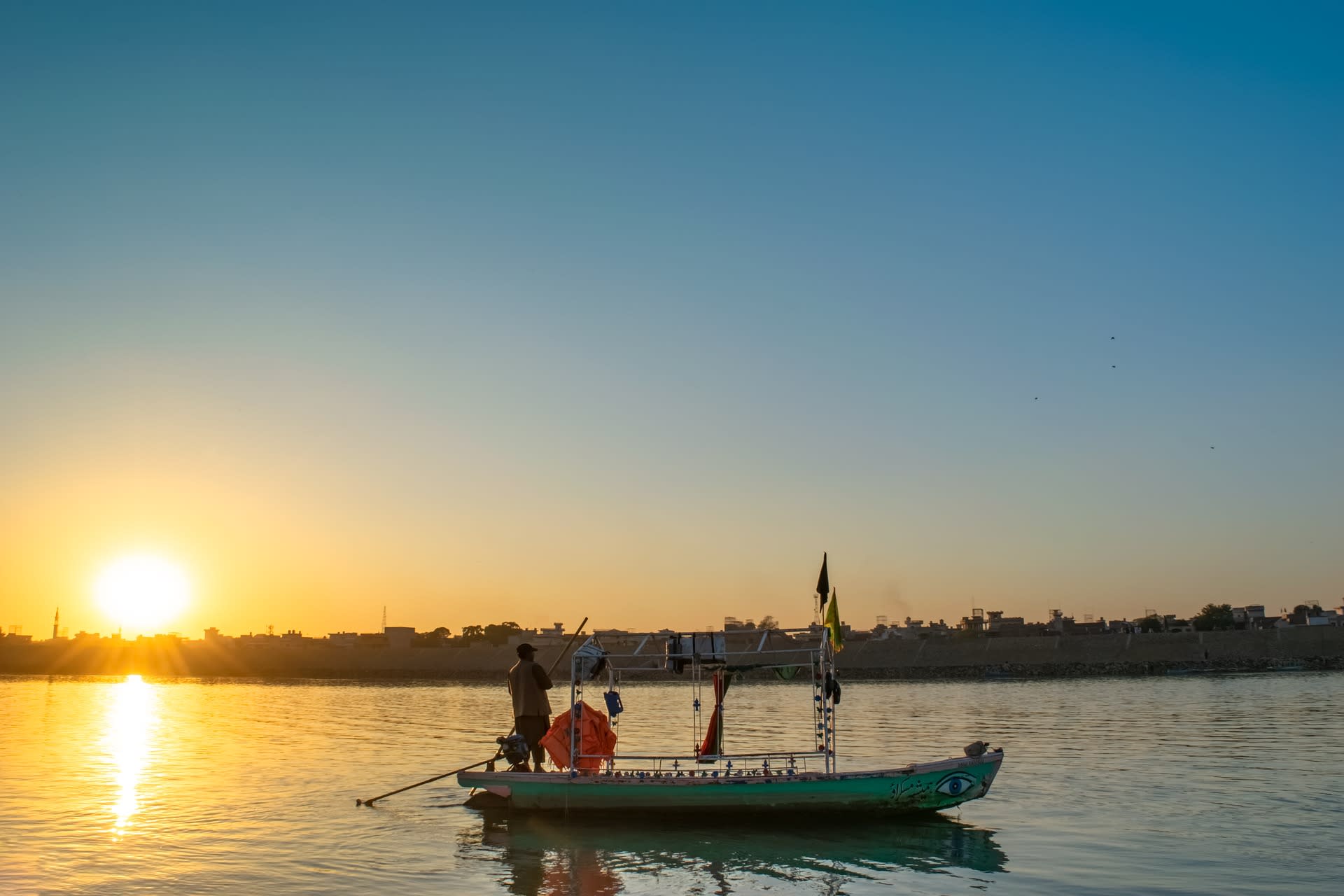
- Manora Island: A historic island connected to the mainland by a narrow spit, with a lighthouse, British-era church, and beaches popular with day visitors arriving by boat.
- Mangroves: Karachi Harbour and the Chinna Creek area support Pakistan's most important urban mangrove forest, providing nursery habitat for commercially important fish species and protection from coastal erosion.
- Marine Life: The waters off Karachi support populations of Indo-Pacific humpback dolphins, spinner dolphins, and occasionally whale sharks, as well as a rich commercial fishery.
📜 History and Cultural Significance
The coastline around modern Karachi has been inhabited and used as a harbour since at least the 1st century CE, when it was known as Krokola — the point where Alexander the Great's fleet assembled for the voyage back to Persia. The settlement that became Karachi developed around a small fishing village called 'Kolachi' in the 18th century. British East India Company forces captured the harbour in 1839, and the city rapidly became the main port and commercial centre of the region. At the partition of India in 1947, Karachi became Pakistan's first capital and received millions of Muslim refugees from India, shaping the cosmopolitan and multilingual character the city retains today.
🏃 Activities and Attractions
Karachi's beaches offer both urban beach culture and genuine natural experiences:
- Sea Turtle Conservation: From August to January, guided night walks at Sandspit and Hawkes Bay allow visitors to observe nesting green turtles and participate in conservation monitoring programs run by WWF-Pakistan.
- Fishing: Deep-sea fishing charters operate from Karachi Harbour, offering access to sailfish, tuna, and other pelagic species in the open Arabian Sea.
- Dolphin Watching: Boat trips from the harbour often encounter schools of spinner and humpback dolphins, particularly in the early morning.
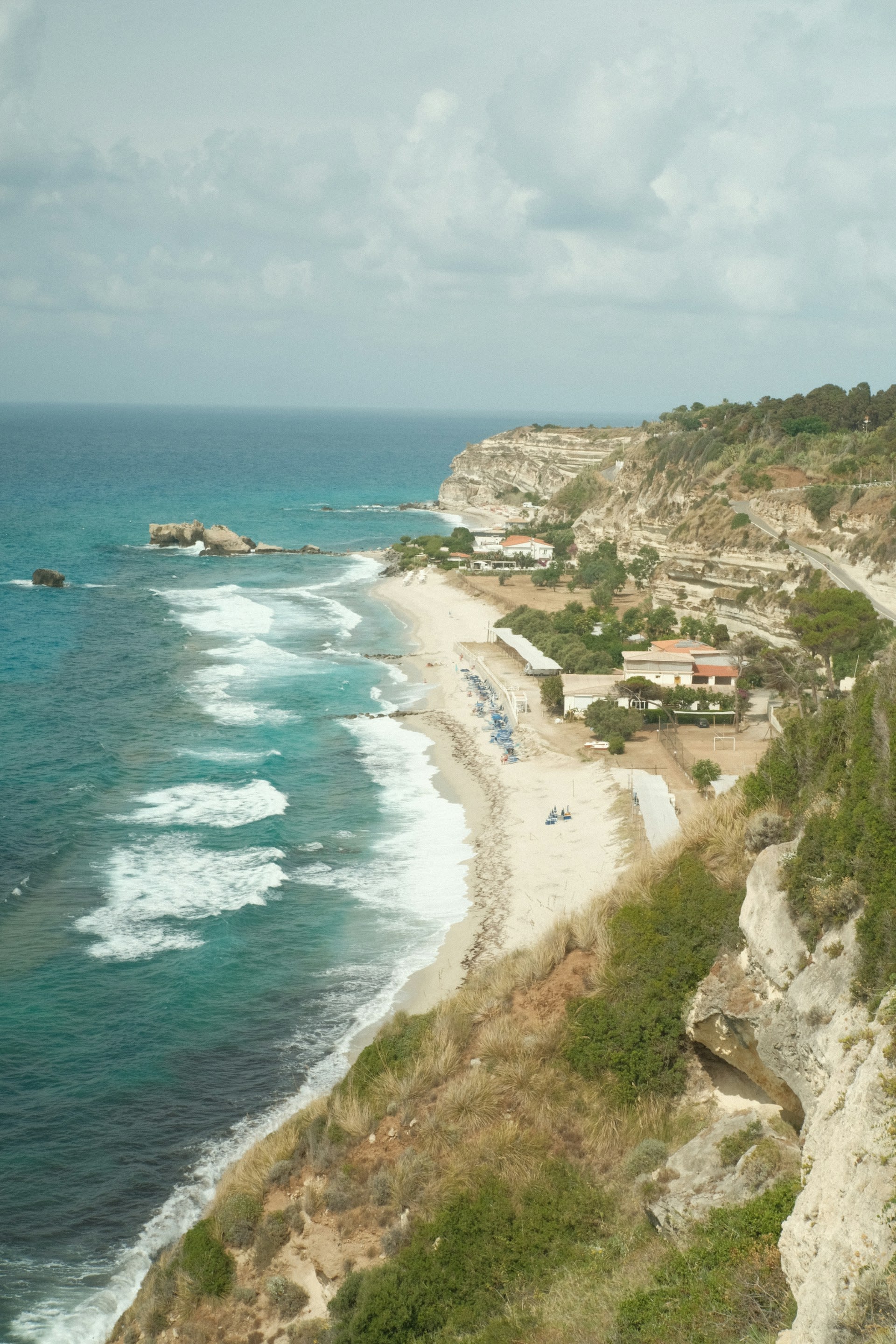
- French Beach: The cleanest and least crowded urban beach near Karachi, accessible by a coastal road passing dramatic limestone cliffs — popular for swimming and snorkelling.
💡 Travel Tips
How to Get There: Fly to Jinnah International Airport (KHI) — Karachi is one of Pakistan's best-connected cities. The beaches are accessible by taxi, rickshaw, or private vehicle from anywhere in the city. Coordinates: 24.86° N, 67.01° E.
Best Time to Visit: October to March for comfortable temperatures. The beach culture is year-round but summer (April–September) is extremely hot and humid. Turtle nesting season at Sandspit is July–January.
What to Bring: Conservative clothing for public beaches (swimwear is not appropriate at public beaches), sunscreen, and cash — most beach vendors don't accept cards.
Accommodation: Karachi has Pakistan's widest range of hotel options. For the western beaches, staying in the Defence (DHA) neighbourhood puts you closest to Hawkes Bay and French Beach.
Best Time to Visit: October to March for comfortable temperatures. The beach culture is year-round but summer (April–September) is extremely hot and humid. Turtle nesting season at Sandspit is July–January.
What to Bring: Conservative clothing for public beaches (swimwear is not appropriate at public beaches), sunscreen, and cash — most beach vendors don't accept cards.
Accommodation: Karachi has Pakistan's widest range of hotel options. For the western beaches, staying in the Defence (DHA) neighbourhood puts you closest to Hawkes Bay and French Beach.
🌱 Conservation
Karachi's coastline faces severe environmental pressures from rapid urbanisation, industrial discharge, and plastic pollution. Sea turtle nesting beaches at Sandspit are threatened by light pollution from the expanding city and uncontrolled vehicle access that compacts nesting sand. WWF-Pakistan's sea turtle conservation program, running since 1979, is one of the oldest conservation initiatives in the country, protecting nests, monitoring hatchling success, and educating local fishing communities. The urban mangrove restoration program has planted millions of trees along the harbour area, with measurable improvements in coastal protection and fish nursery habitat.
✨ Conclusion
Karachi's beaches represent the meeting point of one of Asia's great megacities and the Arabian Sea — a place where ancient sea turtles navigate through urban light pollution to lay their eggs on the same beaches they have used for millennia, and where millions of city residents seek respite from the heat at the water's edge. It is a coastline of contrasts, resilience, and surprising natural richness.