
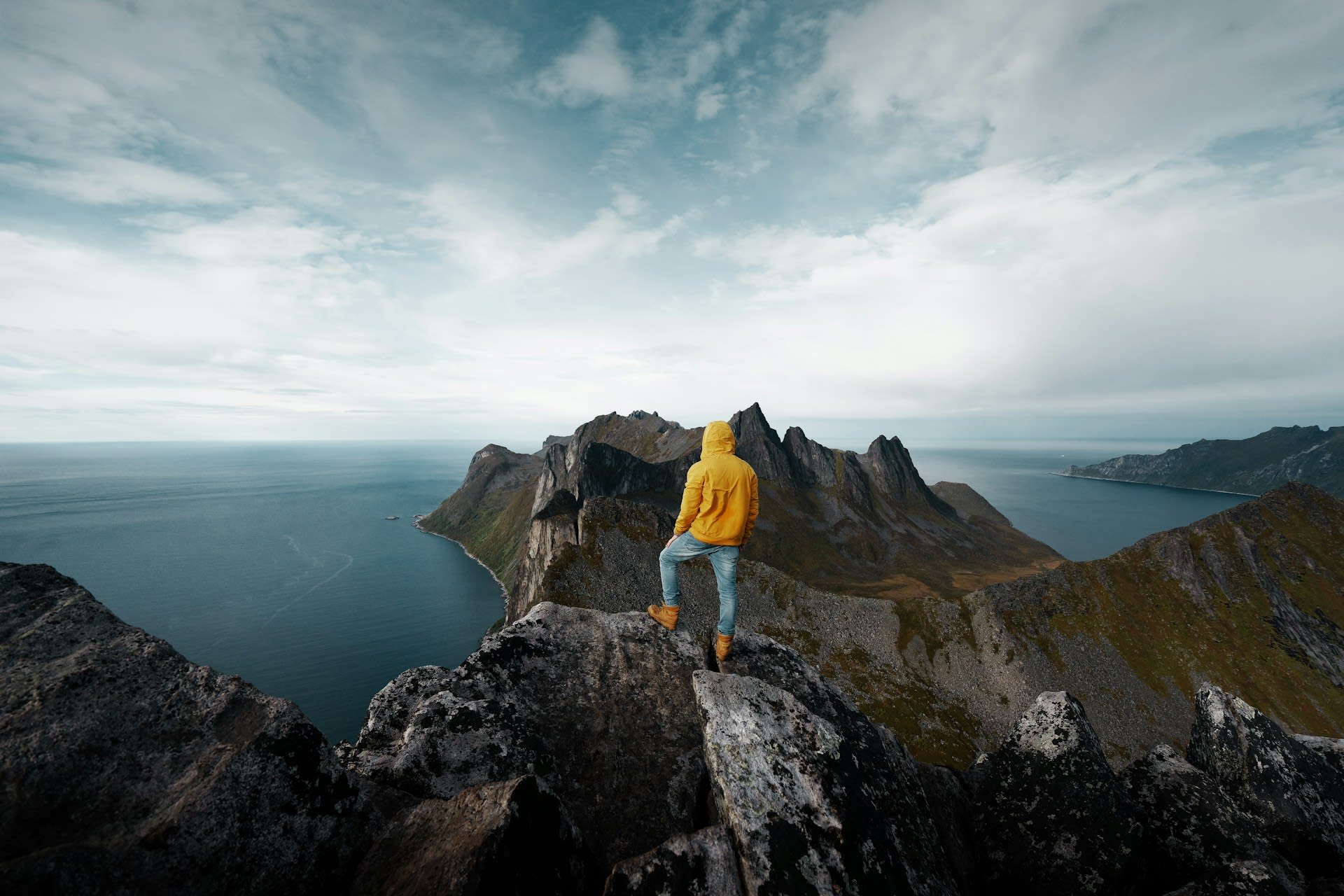


Senja Island
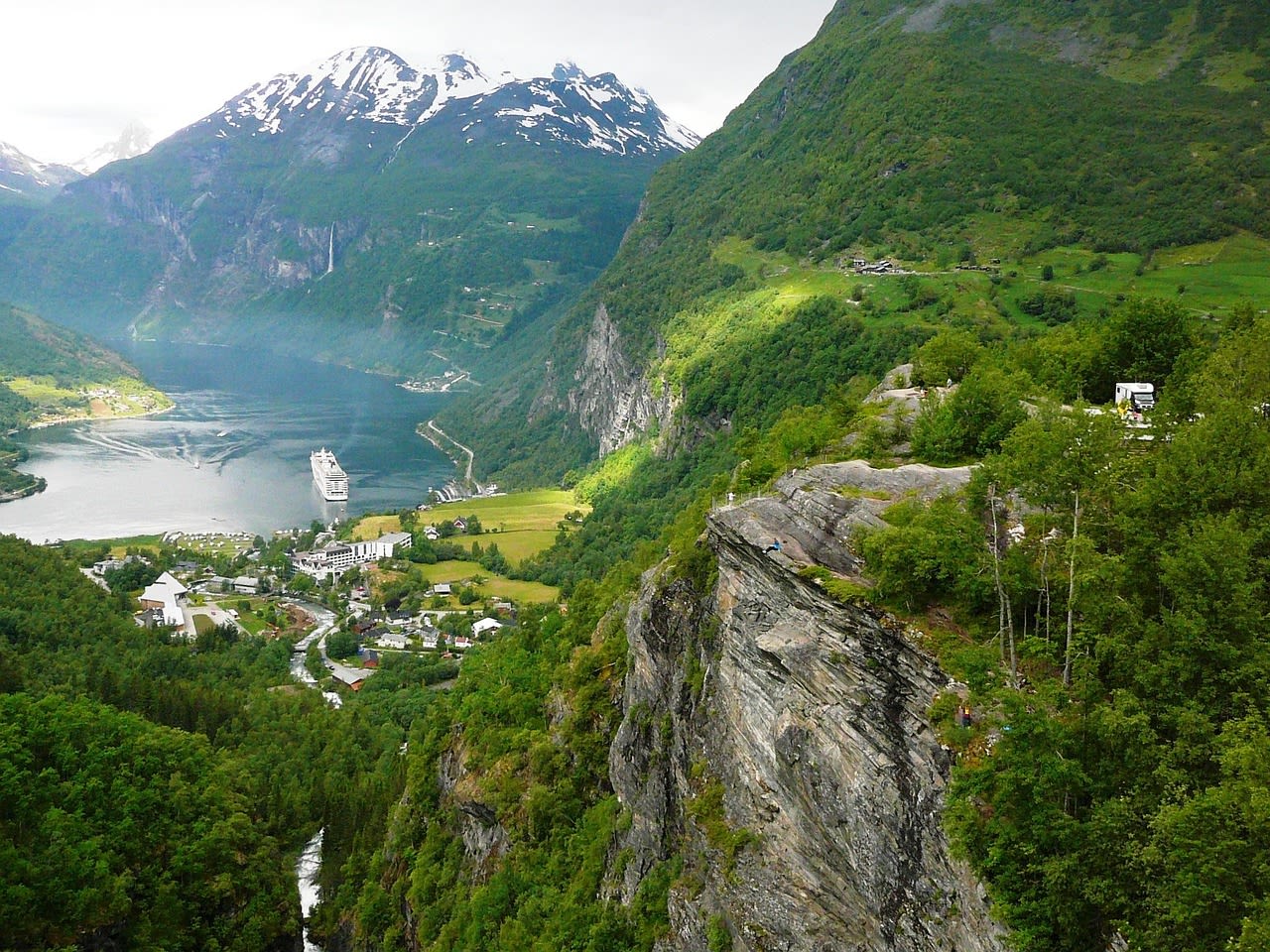
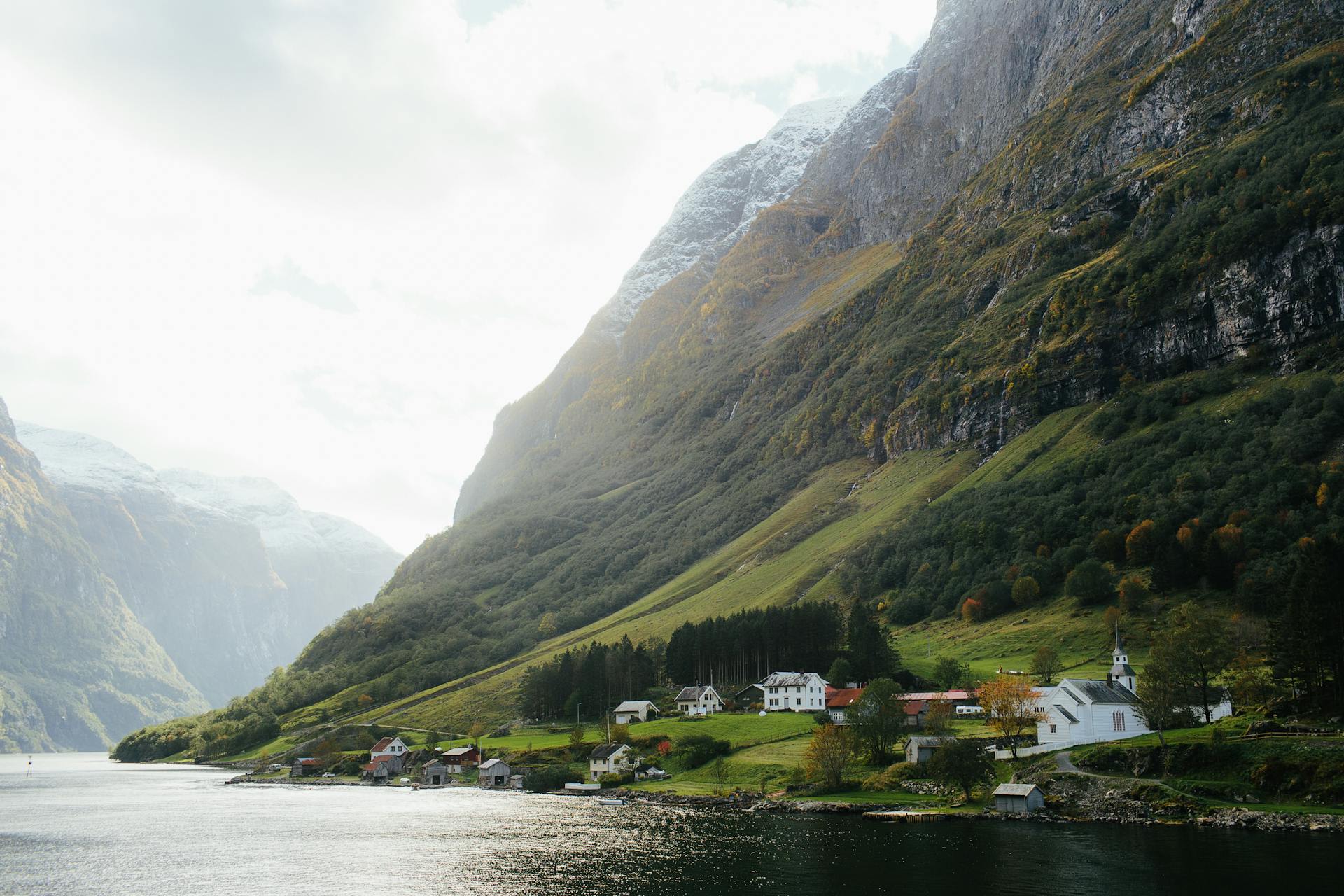
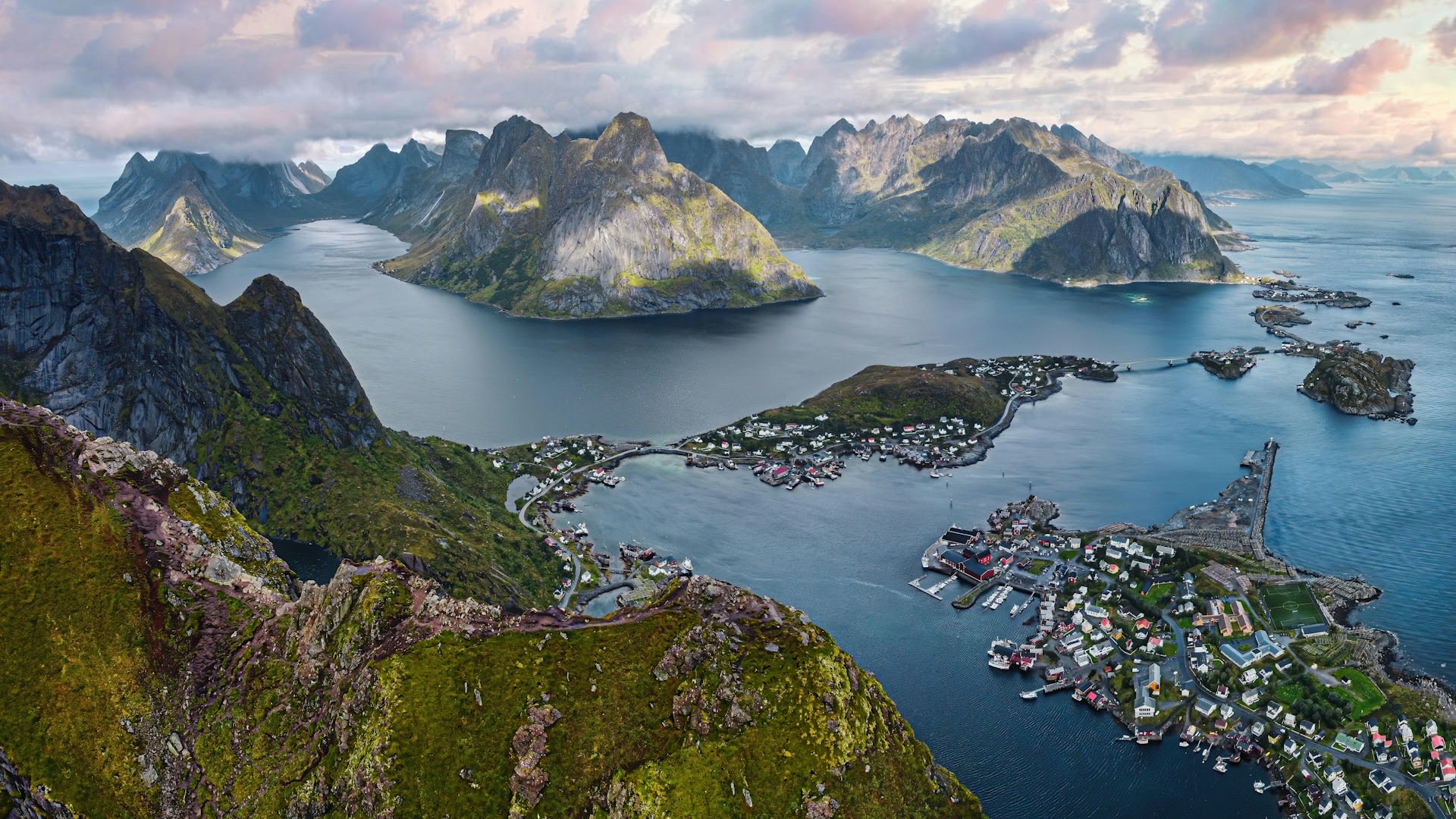
Senja is Norway's second largest island — 1,586 km² in Troms County, 69–70°N latitude, 100 km southwest of Tromsø above the Arctic Circle. It is often called Norway in miniature because its small area packs nearly every Norwegian landscape feature into a single island: fjords, alpine peaks, archipelago coastline, birch forest, mountain plateau (vidda), fishing villages, and reindeer herds. The island's western coast — included in Norway's Scenic National Tourist Routes — faces the open Norwegian Sea with dramatic alpine peaks dropping directly to the Arctic sea, while the eastern coast faces the sheltered waters of Senjafjorden with quiet bays and traditional rorbu fishing cabins. Senja is significantly less visited than the Lofoten Islands (which it resembles in landscape character) and offers comparable Arctic mountain and fjord scenery with a fraction of Lofoten's summer crowds. The Segla (637 m) and Hesten (658 m) peaks above Mefjorden — rising in near-vertical walls from the sea — are among the most dramatically positioned mountain summits accessible on a short hike in Norway.
🌍 Geography and Ecosystem
- Segla Peak and Mefjorden: The Segla (637 m) above the village of Fjordgard is the single most photographed mountain in Senja — a triangular quartzite peak rising from the fjord edge in a near-vertical wall that mirrors the peaks of Lofoten in drama but receives only a small fraction of the visitors. The ascent from Fjordgard (3.4 km, 620 m ascent, 2–3 hours) requires basic hillwalking competence on rocky terrain but delivers a summit view of the entire Mefjorden, the offshore archipelago, and (on clear days) the Vesterålen islands to the south. The same trail accesses the adjacent Hesten peak via a ridge scramble.
- Scenic Tourist Route Senja: The 93 km Norwegian Scenic Route Senja (Rv862) circles the western and northern coast of the island past 11 designated viewpoints and several short walking trails. The route passes through the most dramatic mountain-meets-sea terrain on the island, including the Tungeneset viewpoint (looking across to the Okshornan peaks, a jagged ridge often called the 'Norwegian Dolomites') and the Bergsbotn Viewpoint where a staircase descends from the clifftop road to an observation platform directly above the fjord.
- Northern Lights: Senja's position at 69–70°N and its minimal light pollution (the island's population is approximately 8,000 spread over 1,586 km²) makes it one of the finest accessible northern lights destinations in Norway. The peak aurora season (October–February) coincides with clear nights between Atlantic storm systems. The fjord reflections of auroras in the calm water — with the jagged mountain silhouettes as foreground — make Senja aurora photography exceptional. Several Senja guesthouses and cabins offer guided aurora excursions on clear nights.
- Arctic Wildlife: The high plateau above the alpine peaks is grazed by semi-domestic reindeer herds managed by Sámi herding families under traditional reindeer herding rights that predate Norwegian national law. White-tailed eagles nest on the sea-facing cliffs and are regularly sighted from the coastal road — Senja has one of the highest concentrations of white-tailed eagle nests in Norway. Humpback and orca feed in the fjords and archipelago waters during autumn and winter when herring shoals move inshore — boat tours from Hamn i Senja (October–January) reliably encounter both species in the feeding waters.
📜 History and Cultural Significance
The island's fishing tradition — codfish, herring, and Arctic char — was the economic foundation for centuries. The 19th-century rorbu system (seasonal fishing cabin complexes at the best fishing harbours) left a legacy of colourful wooden structures now converted to tourist accommodation. Several of the working rorbu complexes on Senja's sheltered eastern coast are among the most atmospheric places to stay in northern Norway — the combination of historic timber construction, fjord location, and wood-burning stoves makes them particularly appealing in autumn and winter.
🏃 Activities and Attractions
- Segla and Hesten Hiking: The ascent of Segla from Fjordgard is the most rewarding half-day hike in Senja — steep rocky terrain with fixed ropes on the upper section, summit views of extraordinary quality, and the satisfaction of standing on a peak that looks vertical from below. The adjacent Hesten peak adds 45 minutes and a ridge scramble; both can be combined in a 4–5 hour circuit. Proper footwear and conditions awareness are essential — the mountain can be icy from October to May and the steep terrain requires care in wet conditions.
- Orca and Humpback Whale Watching: October–January, when Norwegian spring herring (sild) and Norwegian cod concentrate in the Senja fjords and archipelago waters, orca pods (family groups of 5–20 individuals) hunt in coordinated carousel-feeding formations visible from above the surface, while humpback whales lunge-feed in the same herring schools. Boat tours from Hamn i Senja and Botnhamn operate daily when conditions allow — the cetacean viewing is among the most reliable in Norway outside the Lofoten winter whale season.
- Scenic Route Drive with Stops: Driving the full Scenic Route Senja (93 km) takes 3–4 hours with stops — a full day allows short hikes at the Tungeneset viewpoint (1 km to the view of Okshornan) and the Bergsbotn stairs. The route is driveable year-round, though snow chains may be required November–April on higher sections. The light quality at 69°N in summer (24-hour daylight, with the midnight sun) and in autumn (golden low-angled light for weeks in September–October) is exceptional for landscape photography.
- Kayaking the Archipelago: The sheltered waters of Senjafjorden on the eastern coast and the inter-island channels of the offshore archipelago provide excellent sea kayaking conditions in summer (June–September). The combination of the mountains above, the traditional fishing villages, and the clear Arctic water (visibility 15+ m) make the Senja archipelago one of the finest sea kayaking environments in northern Norway. Several operators in Finnsnes (on the mainland opposite Senja) hire kayaks and provide guided multi-day touring routes through the island chain.
💡 Travel Tips
Best Season: October–February for northern lights, whale watching, and winter mountain landscapes. June–August for midnight sun, hiking in full daylight, and the most accessible weather. The 24-hour daylight of June–July allows hiking at any hour — the white nights with the sun low on the horizon at midnight provide landscape light of extraordinary quality. September is the golden season — autumn colour on the birch slopes, possible first snow on the peaks, and the transition from summer hiking to winter activities.
Accommodation: Hamn i Senja (converted rorbu complex on the northwest coast) and Skaland are the most atmospherically located accommodation options. Finnsnes on the mainland has wider hotel selection. Several individual hytte (self-catering cabins) are available to rent on the island through platforms including Airbnb and Finn.no — the combination of a private cabin, wood-burning stove, and potential aurora outside the window is the definitive Senja winter experience.
🌱 Conservation
Climate change is affecting the Senja environment through later sea ice formation, changing herring migration patterns (which affects both the whale-watching season and the traditional fishing economy), and the acceleration of snow-free periods on the mountain plateau. Sámi reindeer herding is increasingly stressed by unpredictable winter conditions — particularly ice-crusted snow following freeze-thaw cycles that prevents reindeer from reaching ground vegetation.