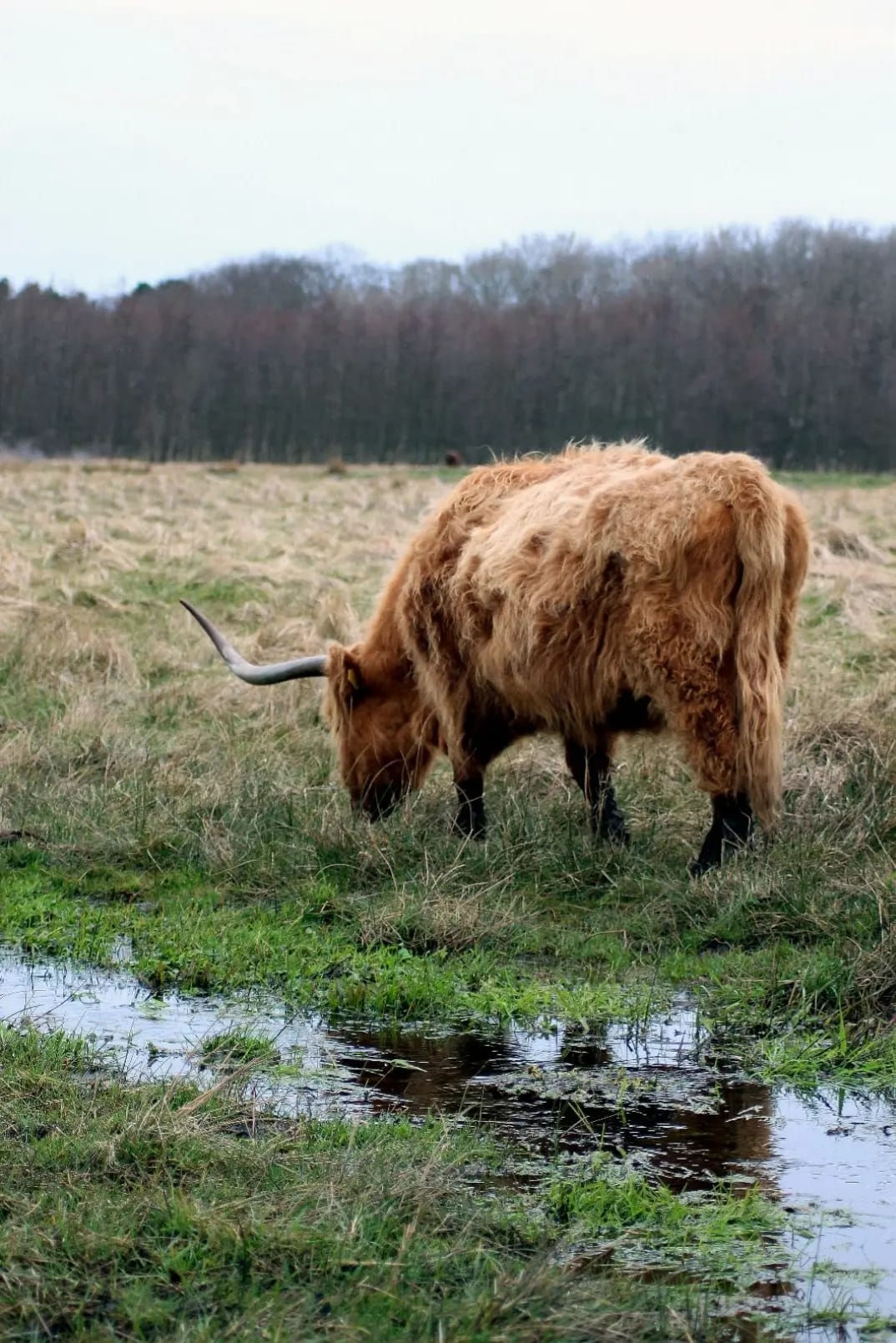
Zuid-Kennemerland
Nationaal Park Zuid-Kennemerland, located in the western Netherlands near Haarlem, is known for its stunning coastal landscapes and dynamic dune systems. Covering approximately 38 square kilometers, the park features a diverse range of environments, including dunes, woodlands, and coastal wetlands. Established in 1995, Zuid-Kennemerland offers visitors a unique opportunity to explore its natural beauty and enjoy outdoor activities. This guide provides an in-depth look at the park’s geography, history, activities, travel tips, conservation efforts, and visitor experiences.
🌍 Geography and Natural Features
Nationaal Park Zuid-Kennemerland is characterized by its diverse coastal and dune landscapes, shaped by natural processes and human influence.
- Dunes: The park is known for its extensive dune systems, which are dynamic and constantly shifting due to wind and tidal influences. The dunes provide unique habitats for specialized flora and fauna.
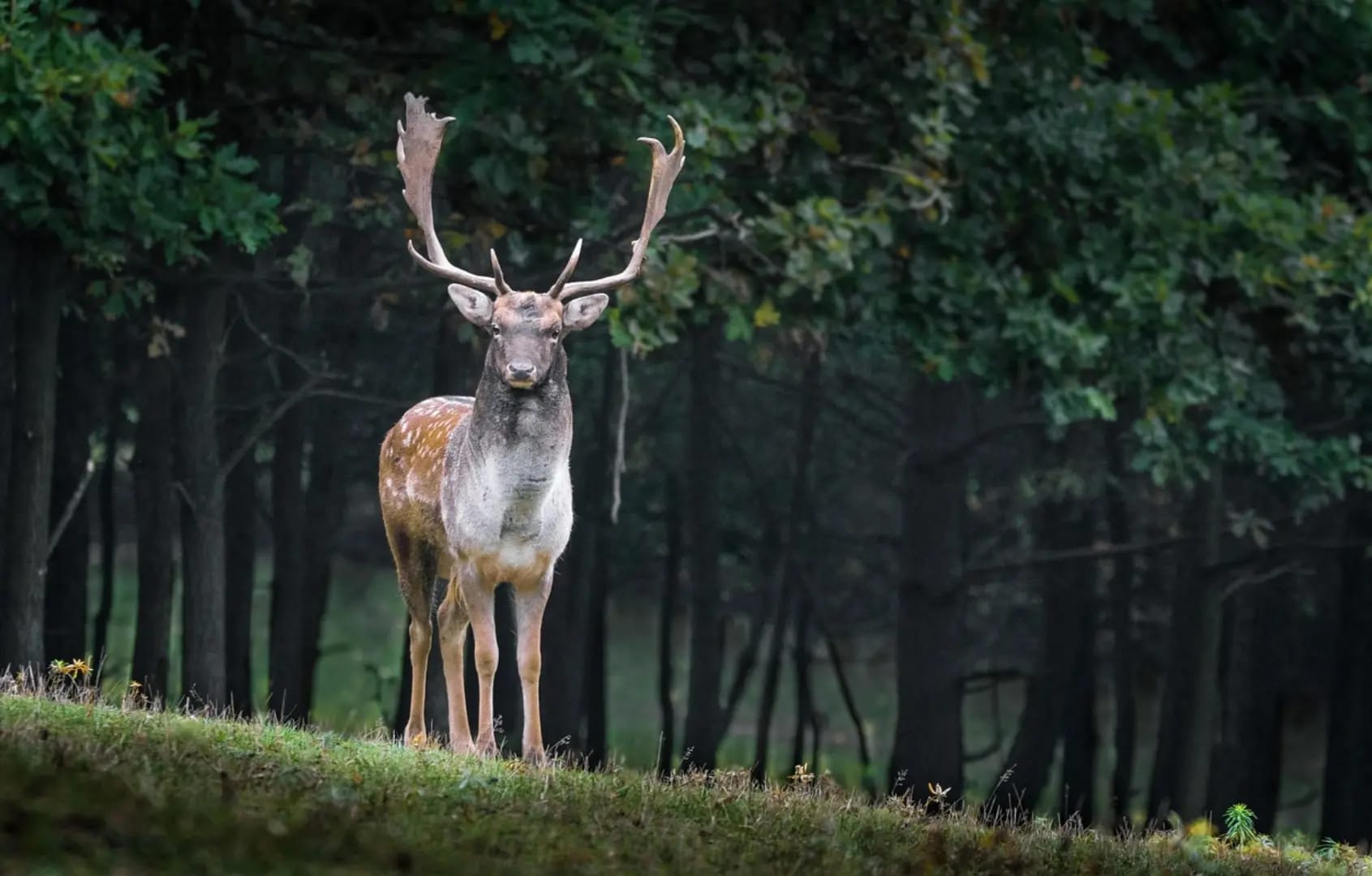
- Woodlands: Zuid-Kennemerland includes areas of woodlands, which offer a contrast to the surrounding dunes. These forests provide important habitats for wildlife and create scenic walking trails.
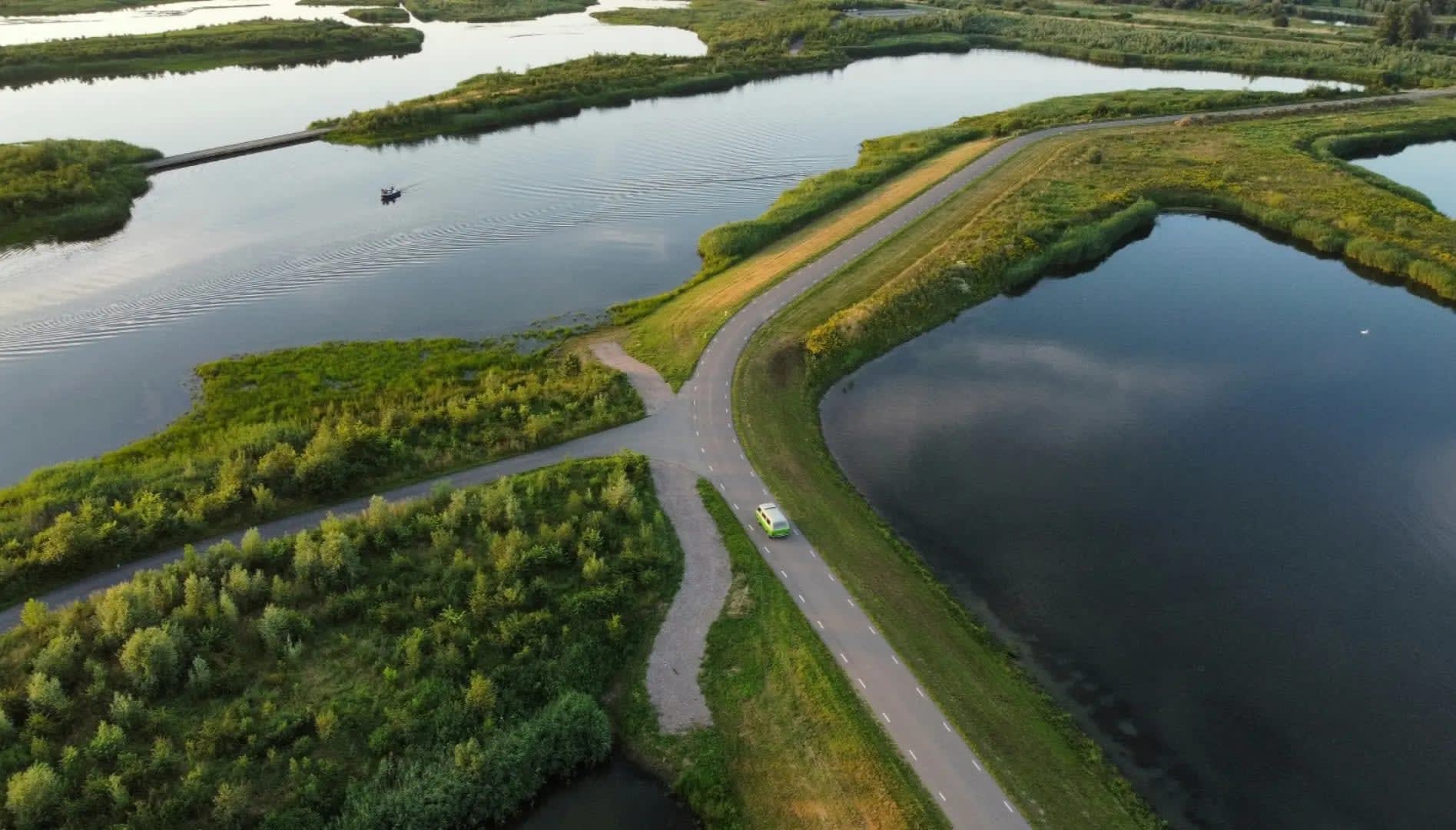
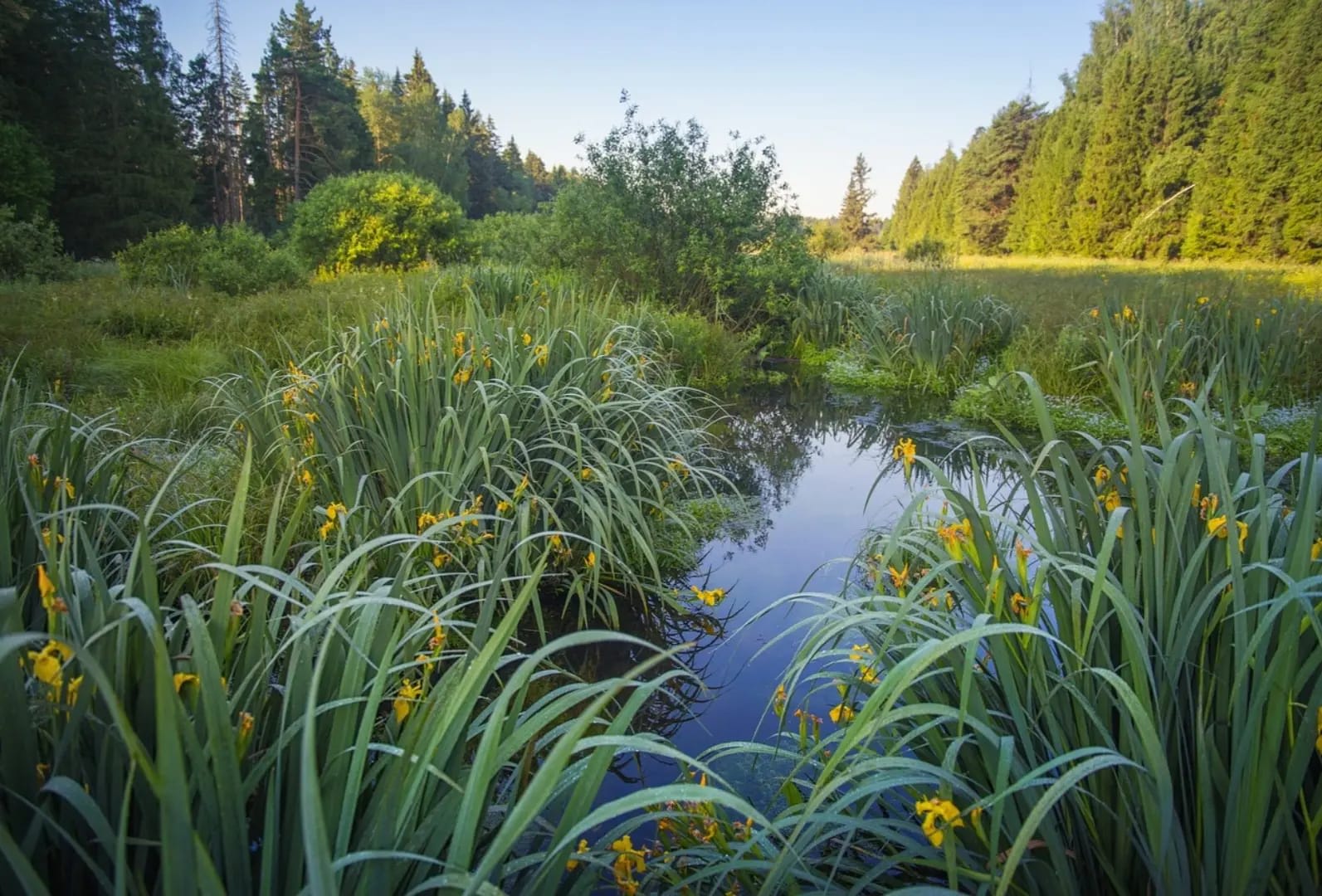
- Coastal Wetlands: The park features coastal wetlands that support a variety of bird species and contribute to the region’s ecological diversity. These wetlands are influenced by tidal movements and provide important feeding grounds for migratory birds.
📜 History and Cultural Significance
The history and cultural significance of Nationaal Park Zuid-Kennemerland are linked to its development and role in regional conservation efforts.
Development: The park was established in 1995 to protect its unique coastal and dune landscapes. Prior to its designation as a national park, the area had been subject to various land use practices, including agriculture and recreation.
Cultural Heritage: Zuid-Kennemerland has a rich cultural heritage related to its coastal location. Historical features include traditional Dutch coastal defenses and agricultural practices.
Conservation Efforts: The park’s creation was part of broader conservation efforts aimed at protecting natural landscapes and promoting sustainable land use practices in the region.
Development: The park was established in 1995 to protect its unique coastal and dune landscapes. Prior to its designation as a national park, the area had been subject to various land use practices, including agriculture and recreation.
Cultural Heritage: Zuid-Kennemerland has a rich cultural heritage related to its coastal location. Historical features include traditional Dutch coastal defenses and agricultural practices.
Conservation Efforts: The park’s creation was part of broader conservation efforts aimed at protecting natural landscapes and promoting sustainable land use practices in the region.
🏃 Activities and Attractions
Nationaal Park Zuid-Kennemerland offers a range of activities that highlight its coastal and dune landscapes.
- Hiking: The park features several hiking trails that traverse its dunes, woodlands, and wetlands. Trails offer varying levels of difficulty and provide opportunities to experience the park’s diverse landscapes.
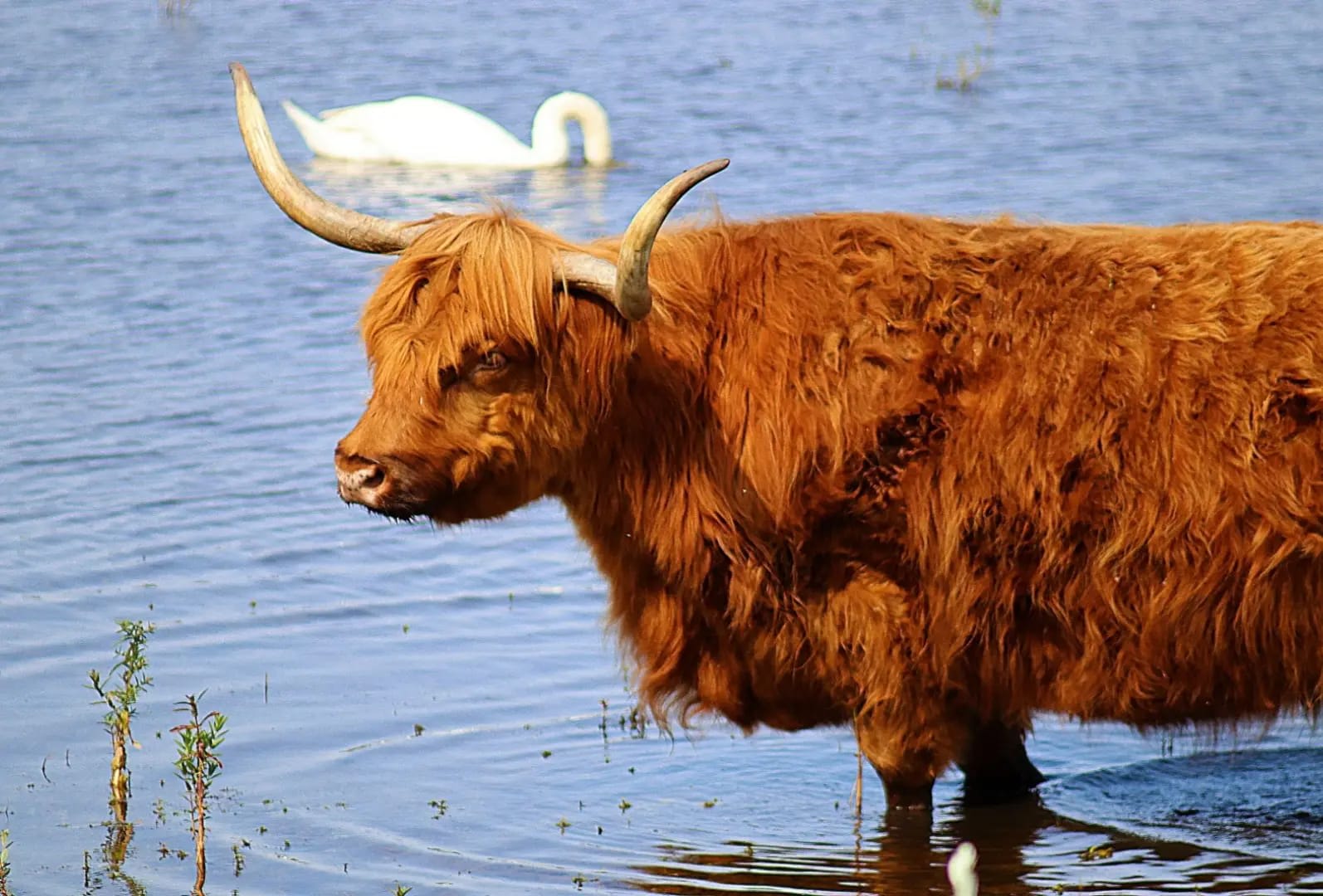
- Wildlife Watching: Zuid-Kennemerland is a great location for wildlife watching, particularly birdwatching. The coastal wetlands are home to a variety of bird species, including waders and waterfowl.
- Beach Activities: The park’s coastal areas provide opportunities for beach activities, such as walking along the shore and enjoying the scenic views of the North Sea.
💡 Travel Tips
To make the most of your visit to Nationaal Park Zuid-Kennemerland, consider the following tips:
Best Time to Visit: The best time to visit is during the spring and autumn when the weather is mild and the park’s wildlife is active. Summer is also popular, but can be busy. Winter offers a quieter experience.
Access and Transportation: The park is accessible by car, with parking available at various points. Public transportation options include buses and trains from nearby towns. Cycling is a great way to explore the park’s trails.
What to Bring: Wear appropriate clothing for coastal weather conditions and bring waterproof gear if necessary. Bring binoculars for wildlife watching, a map or GPS device, and plenty of water.
Best Time to Visit: The best time to visit is during the spring and autumn when the weather is mild and the park’s wildlife is active. Summer is also popular, but can be busy. Winter offers a quieter experience.
Access and Transportation: The park is accessible by car, with parking available at various points. Public transportation options include buses and trains from nearby towns. Cycling is a great way to explore the park’s trails.
What to Bring: Wear appropriate clothing for coastal weather conditions and bring waterproof gear if necessary. Bring binoculars for wildlife watching, a map or GPS device, and plenty of water.
🌱 Conservation
Conservation efforts in Nationaal Park Zuid-Kennemerland focus on protecting its coastal and dune landscapes while balancing human activities and natural processes.
Dune Management: Ongoing efforts are made to manage the park’s dune systems, including controlling invasive species and restoring natural processes.
Habitat Protection: Conservation programs aim to protect the park’s woodlands and wetlands, ensuring that these habitats remain suitable for wildlife.
Visitor Management: The park implements measures to manage visitor impact, including regulating access to sensitive areas and providing educational resources to promote responsible behavior.
Dune Management: Ongoing efforts are made to manage the park’s dune systems, including controlling invasive species and restoring natural processes.
Habitat Protection: Conservation programs aim to protect the park’s woodlands and wetlands, ensuring that these habitats remain suitable for wildlife.
Visitor Management: The park implements measures to manage visitor impact, including regulating access to sensitive areas and providing educational resources to promote responsible behavior.
✨ Conclusion
Nationaal Park Zuid-Kennemerland is a captivating destination with its stunning coastal and dune landscapes. Its diverse environments, from dynamic dunes to peaceful woodlands and wetlands, offer a range of outdoor activities and natural beauty. The park’s conservation efforts ensure the protection of its unique landscapes and habitats. Whether hiking, wildlife watching, or enjoying the beach, visitors will find much to appreciate in this picturesque Dutch national park. A visit to Zuid-Kennemerland promises a memorable experience amidst one of the Netherlands’ most beautiful coastal areas.