Hoge Veluwe
Nationaal Park De Hoge Veluwe, located in the central Netherlands, is one of the country's largest and most diverse national parks. Spanning approximately 55,000 hectares, the park features a stunning array of landscapes, including heathlands, woodlands, and sand dunes. Established in 1935, it is renowned for its rich biodiversity, unique geological features, and the renowned Kroller-Muller Museum, which houses one of the largest private collections of Vincent van Gogh's works. This guide provides an extensive overview of De Hoge Veluwe’s geography, history, activities, travel tips, conservation efforts, and visitor experiences.
🌍 Geography and Natural Features
Nationaal Park De Hoge Veluwe showcases a variety of landscapes, each contributing to the park's distinctive character.
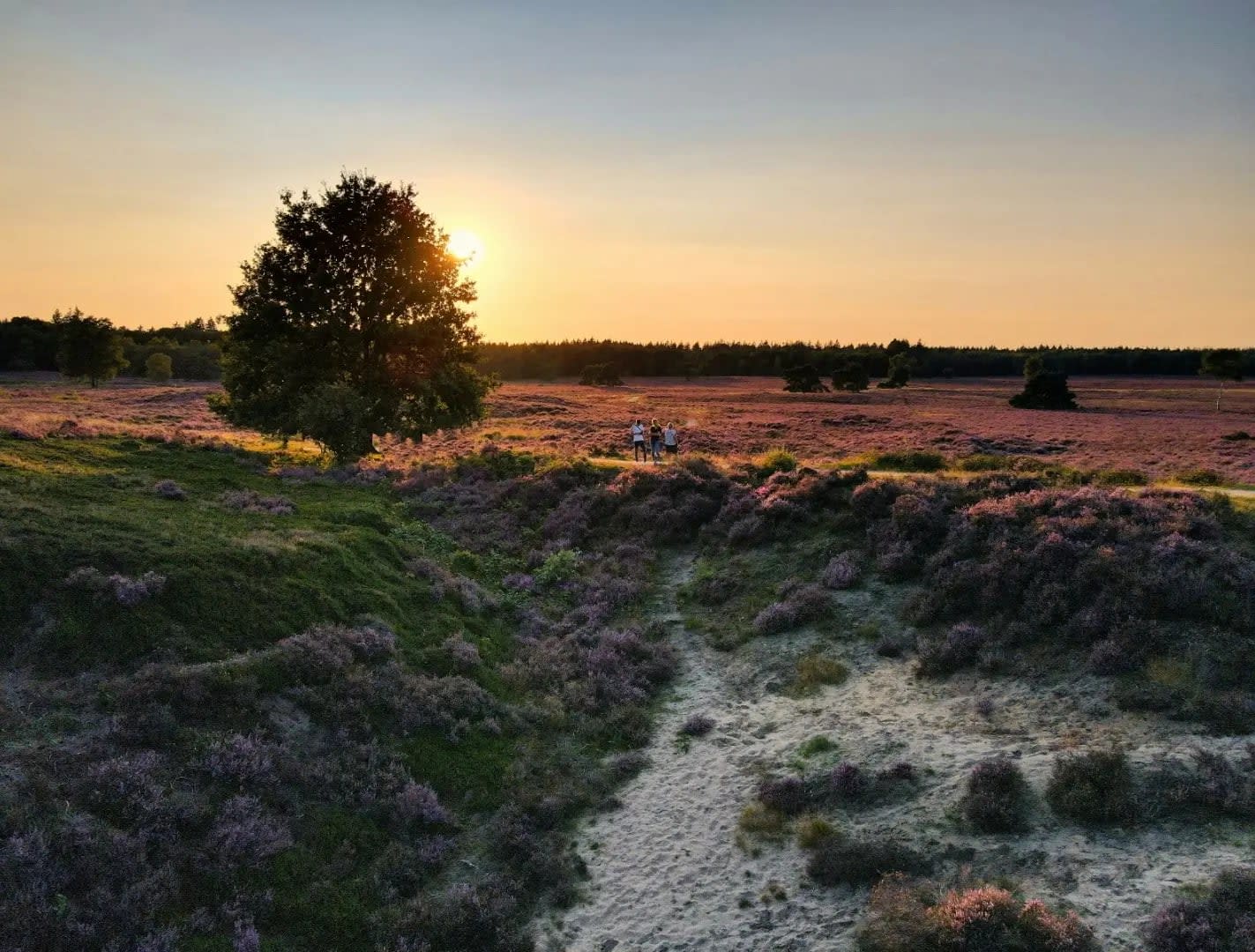
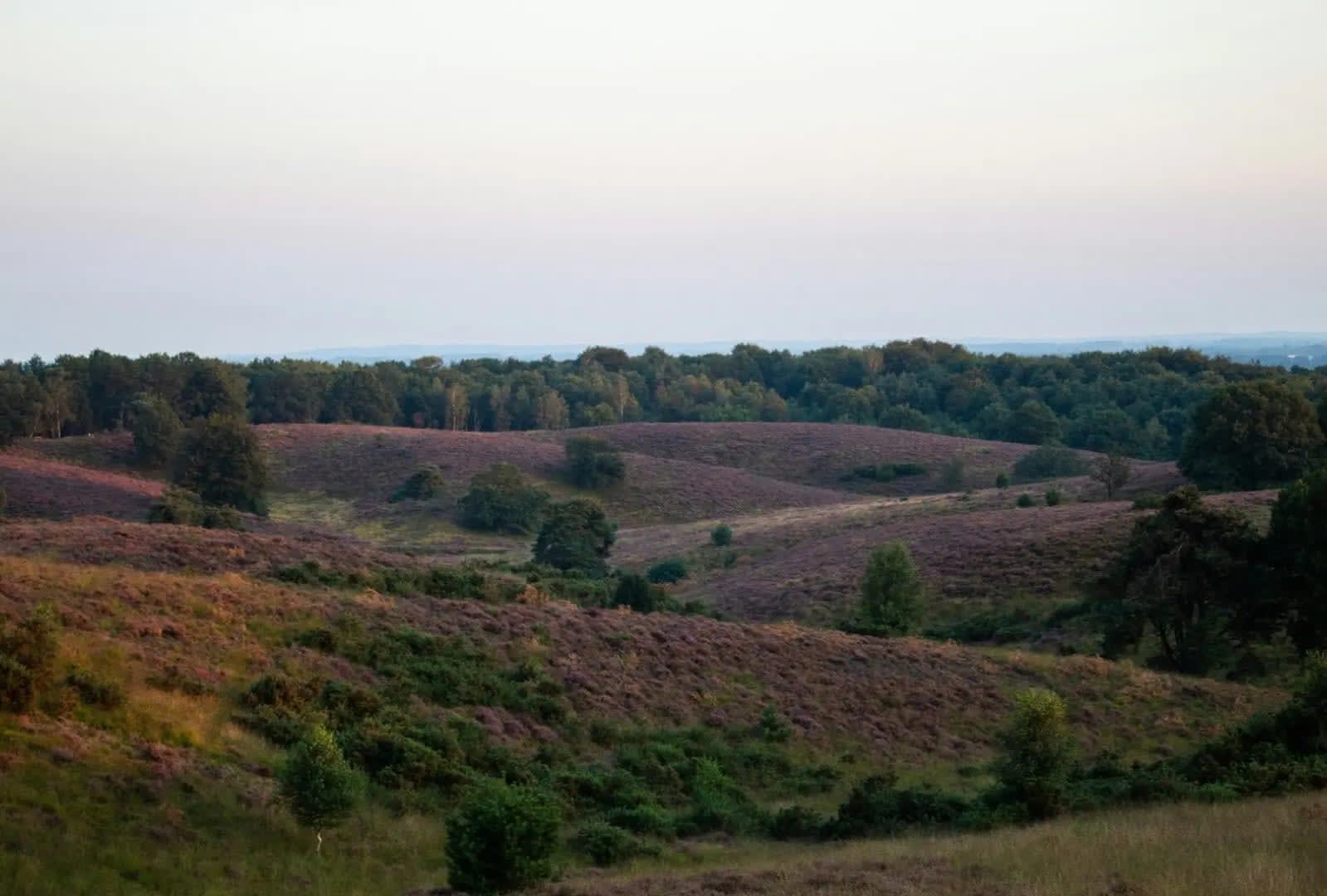
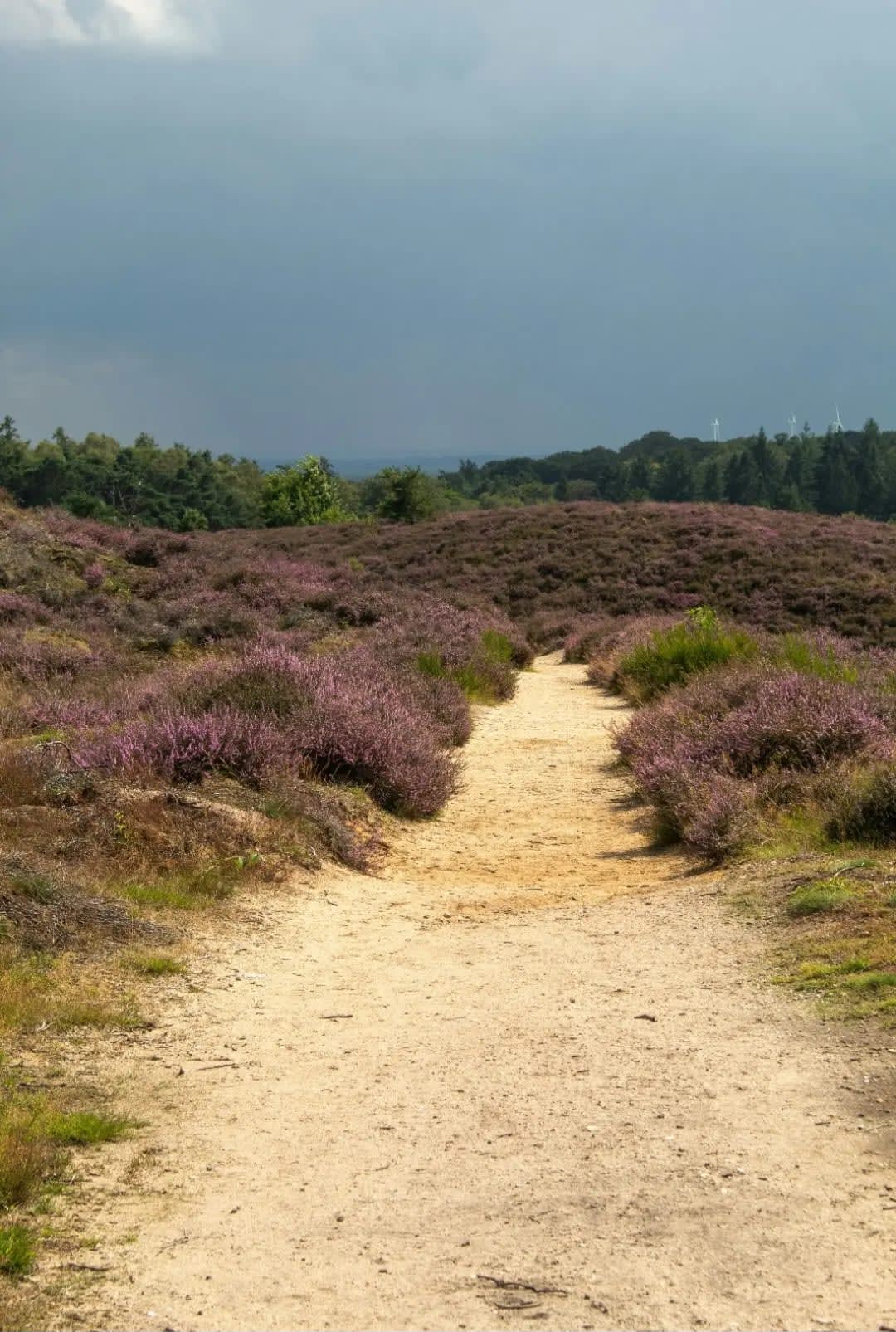
- Heathlands: The park is famous for its extensive heathlands, particularly in the northern and western parts. These areas are characterized by low shrubs, grasses, and seasonal flowering plants, creating a vibrant and colorful environment during the blooming seasons.
- Woodlands: De Hoge Veluwe features extensive woodlands, including oak and pine forests. These woodlands provide habitat for a variety of wildlife and offer scenic walking trails.
- Sand Dunes: The park includes significant sand dune areas, particularly in the southern parts. These dunes are remnants of ancient glacial activities and provide unique habitats for specialized flora and fauna.
📜 History and Cultural Significance
The history of Nationaal Park De Hoge Veluwe is intertwined with its establishment and cultural contributions.
Establishment: The park was established in 1935 with the vision of protecting the region’s natural beauty and unique landscapes. The Kröller-Müller family played a crucial role in the park’s creation, donating land and funding its development.
Cultural Heritage: The Kröller-Müller Museum, located within the park, is a major cultural landmark. The museum boasts one of the largest collections of Vincent van Gogh's works, alongside other important modern art pieces.
Historical Uses: Historically, the area was used for agricultural and forestry purposes. The transition to a protected park preserved its natural landscapes and allowed for ecological restoration.
Establishment: The park was established in 1935 with the vision of protecting the region’s natural beauty and unique landscapes. The Kröller-Müller family played a crucial role in the park’s creation, donating land and funding its development.
Cultural Heritage: The Kröller-Müller Museum, located within the park, is a major cultural landmark. The museum boasts one of the largest collections of Vincent van Gogh's works, alongside other important modern art pieces.
Historical Uses: Historically, the area was used for agricultural and forestry purposes. The transition to a protected park preserved its natural landscapes and allowed for ecological restoration.
🏃 Activities and Attractions
Nationaal Park De Hoge Veluwe offers a diverse range of activities for visitors to enjoy.
- Hiking and Cycling: The park features an extensive network of hiking and cycling trails, allowing visitors to explore its varied landscapes. The park’s ‘white bikes’ system offers free bicycles for visitors to use.
- Wildlife Watching: De Hoge Veluwe is home to diverse wildlife, including red deer, roe deer, and wild boar. Wildlife watching is a popular activity, particularly in the early morning and late afternoon.
- Museum Visits: The Kröller-Müller Museum provides a unique cultural experience, featuring an impressive collection of art by Vincent van Gogh and other modern artists. The museum also includes beautiful sculpture gardens.
💡 Travel Tips
To make the most of your visit to Nationaal Park De Hoge Veluwe, consider the following tips:
Best Time to Visit: The best time to visit is during the spring (April to June) and autumn (September to November) when the weather is pleasant and the park’s landscapes are most vibrant. Summer is also popular, but can be busy.
Access and Transportation: The park is accessible by car, with ample parking available. Public transportation options include buses that connect to nearby towns. Renting a bike is a great way to explore the park’s trails.
What to Bring: Wear comfortable walking shoes and dress in layers to accommodate changing weather. Bring a map or GPS device, plenty of water, and a camera to capture the park’s beauty.
Best Time to Visit: The best time to visit is during the spring (April to June) and autumn (September to November) when the weather is pleasant and the park’s landscapes are most vibrant. Summer is also popular, but can be busy.
Access and Transportation: The park is accessible by car, with ample parking available. Public transportation options include buses that connect to nearby towns. Renting a bike is a great way to explore the park’s trails.
What to Bring: Wear comfortable walking shoes and dress in layers to accommodate changing weather. Bring a map or GPS device, plenty of water, and a camera to capture the park’s beauty.
🌱 Conservation
Conservation efforts at Nationaal Park De Hoge Veluwe focus on maintaining its natural landscapes and biodiversity.
Habitat Restoration: Ongoing restoration projects aim to preserve and enhance the park’s heathlands, woodlands, and sand dunes. This includes managing invasive species and maintaining natural processes.
Wildlife Protection: Conservation programs monitor and protect the park’s wildlife populations, ensuring that species such as red deer and wild boar thrive in their natural habitats.
Visitor Impact Management: Efforts are made to manage the impact of tourism on the park’s ecosystems. This includes regulating access to sensitive areas and providing educational resources to promote responsible behavior.
Habitat Restoration: Ongoing restoration projects aim to preserve and enhance the park’s heathlands, woodlands, and sand dunes. This includes managing invasive species and maintaining natural processes.
Wildlife Protection: Conservation programs monitor and protect the park’s wildlife populations, ensuring that species such as red deer and wild boar thrive in their natural habitats.
Visitor Impact Management: Efforts are made to manage the impact of tourism on the park’s ecosystems. This includes regulating access to sensitive areas and providing educational resources to promote responsible behavior.
✨ Conclusion
Nationaal Park De Hoge Veluwe is a remarkable destination that offers a blend of natural beauty, diverse landscapes, and cultural richness. Whether exploring its heathlands and woodlands, cycling through its trails, or appreciating the art at the Kröller-Müller Museum, visitors are sure to find something to captivate their senses. The park’s ongoing conservation efforts ensure that its unique environments are preserved for future generations. A visit to De Hoge Veluwe promises an enriching experience amidst one of the Netherlands’ most treasured natural areas.