Oosterschelde
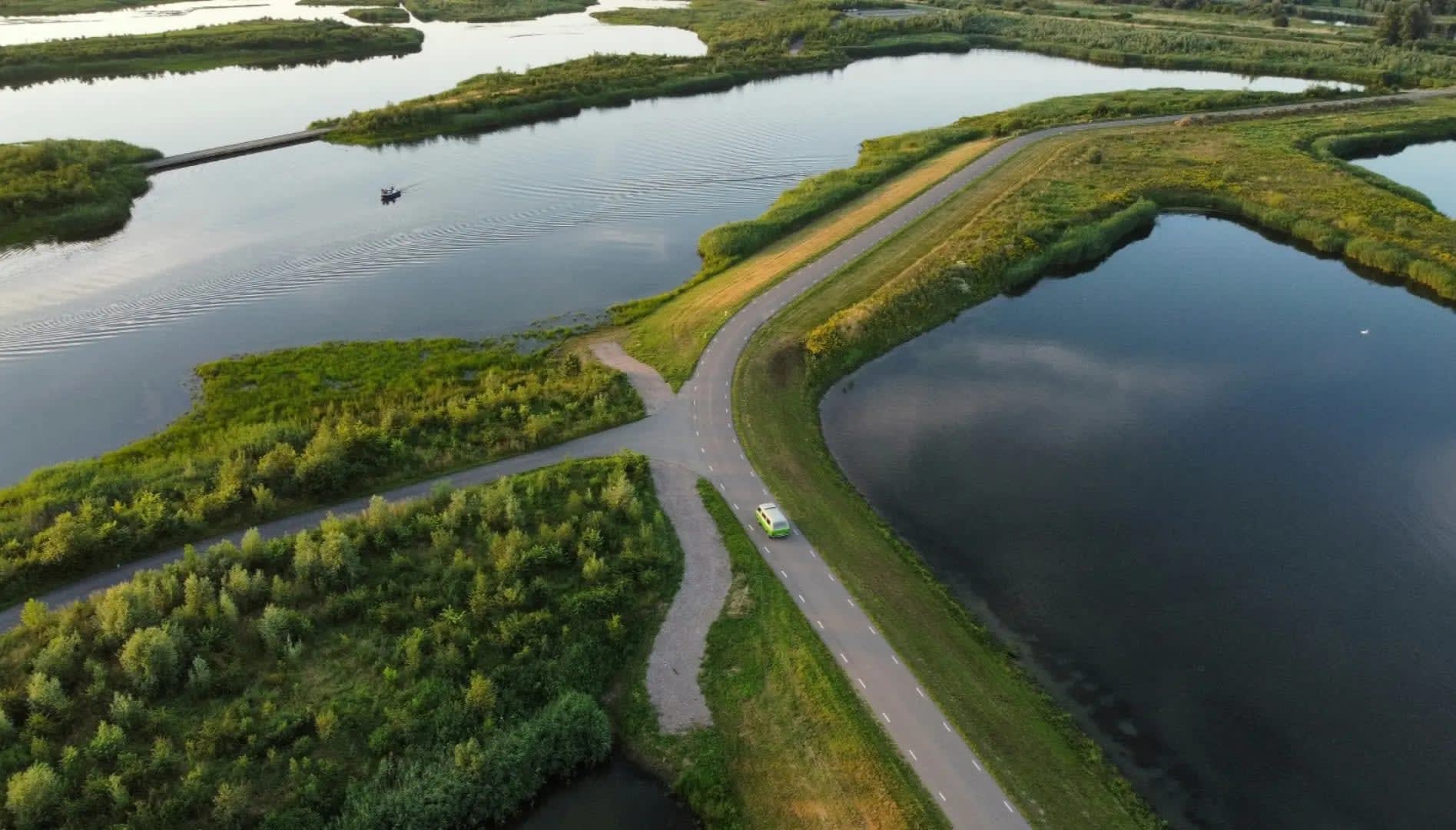
Nationaal Park Oosterschelde, located in the southwestern Netherlands, is the largest national park in the country. Covering approximately 370 square kilometers, the park encompasses a diverse range of coastal and marine environments, including mudflats, salt marshes, and estuaries. Established in 2002, Oosterschelde is a crucial area for both its ecological diversity and its role in flood protection. This guide provides an extensive overview of the park’s geography, history, activities, travel tips, conservation efforts, and visitor experiences.
🌍 Geography and Natural Features
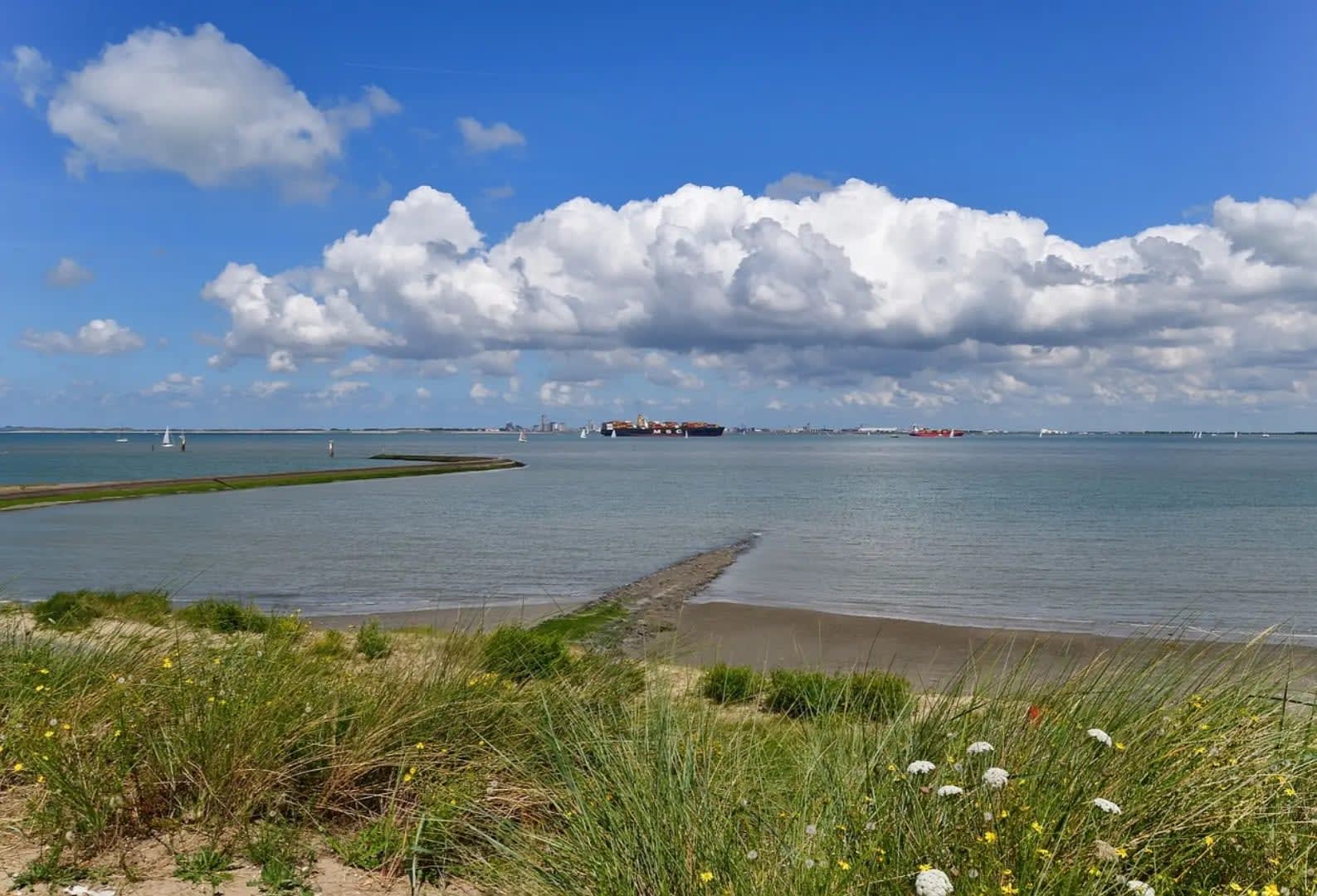
The geography of Nationaal Park Oosterschelde is defined by its coastal and marine environments, shaped by tidal movements and human interventions.
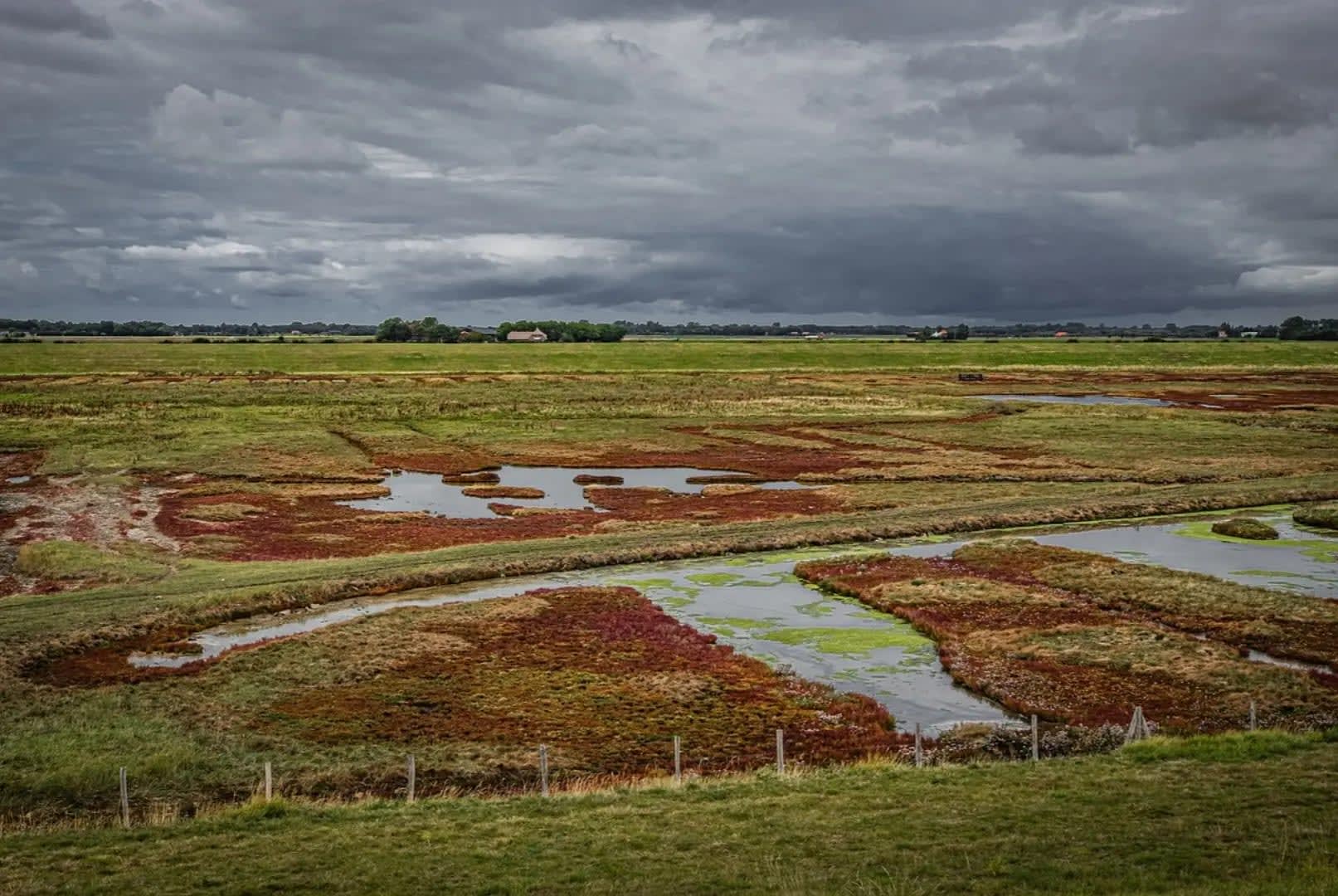
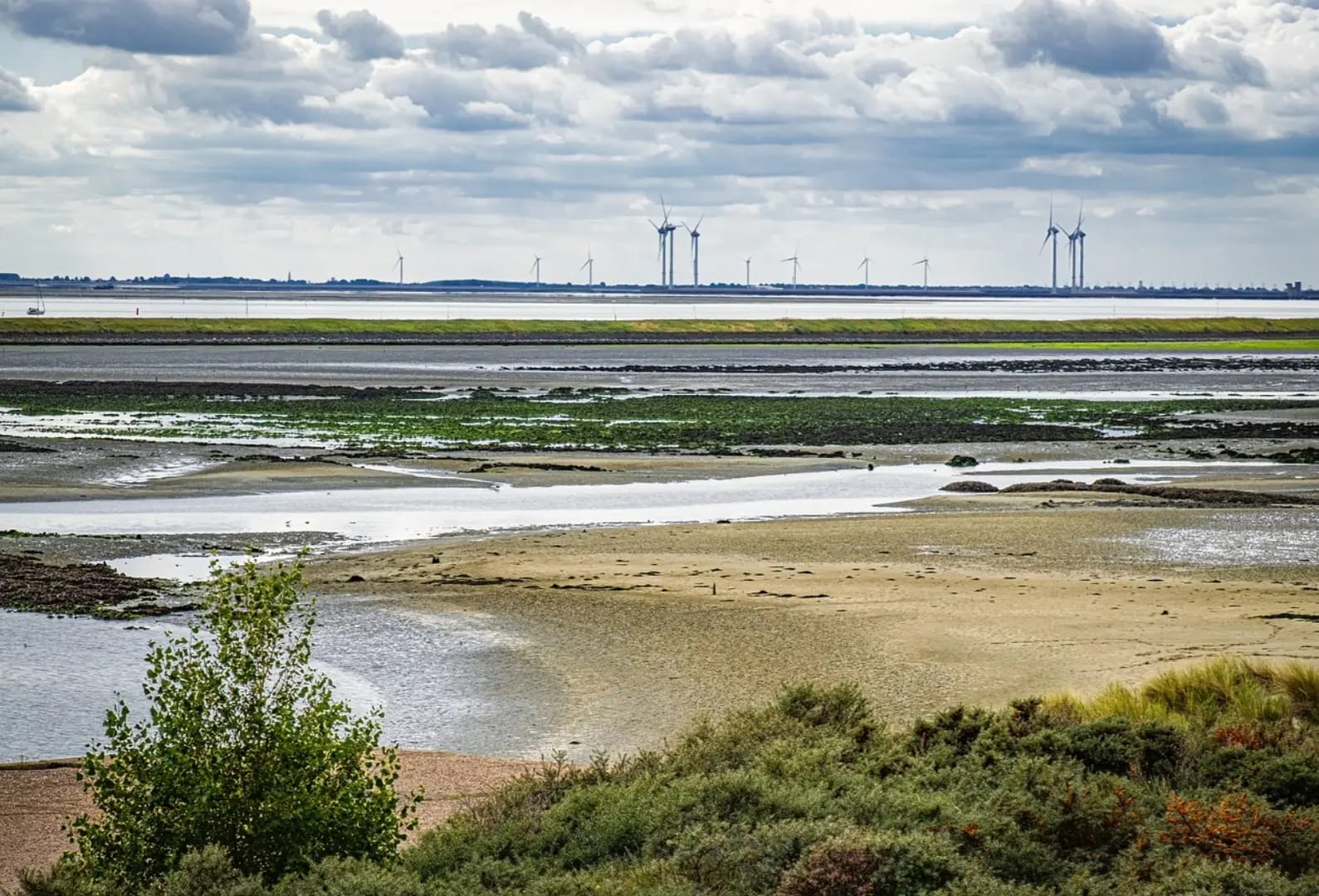
- Mudflats and Salt Marshes: The park features extensive mudflats and salt marshes, which are important habitats for a variety of bird species and marine life. These areas are influenced by the tidal movements of the Oosterschelde estuary.
- Estuaries and Channels: Oosterschelde includes several estuaries and tidal channels that contribute to its dynamic and diverse landscape. These channels provide critical habitats for fish and other aquatic species.
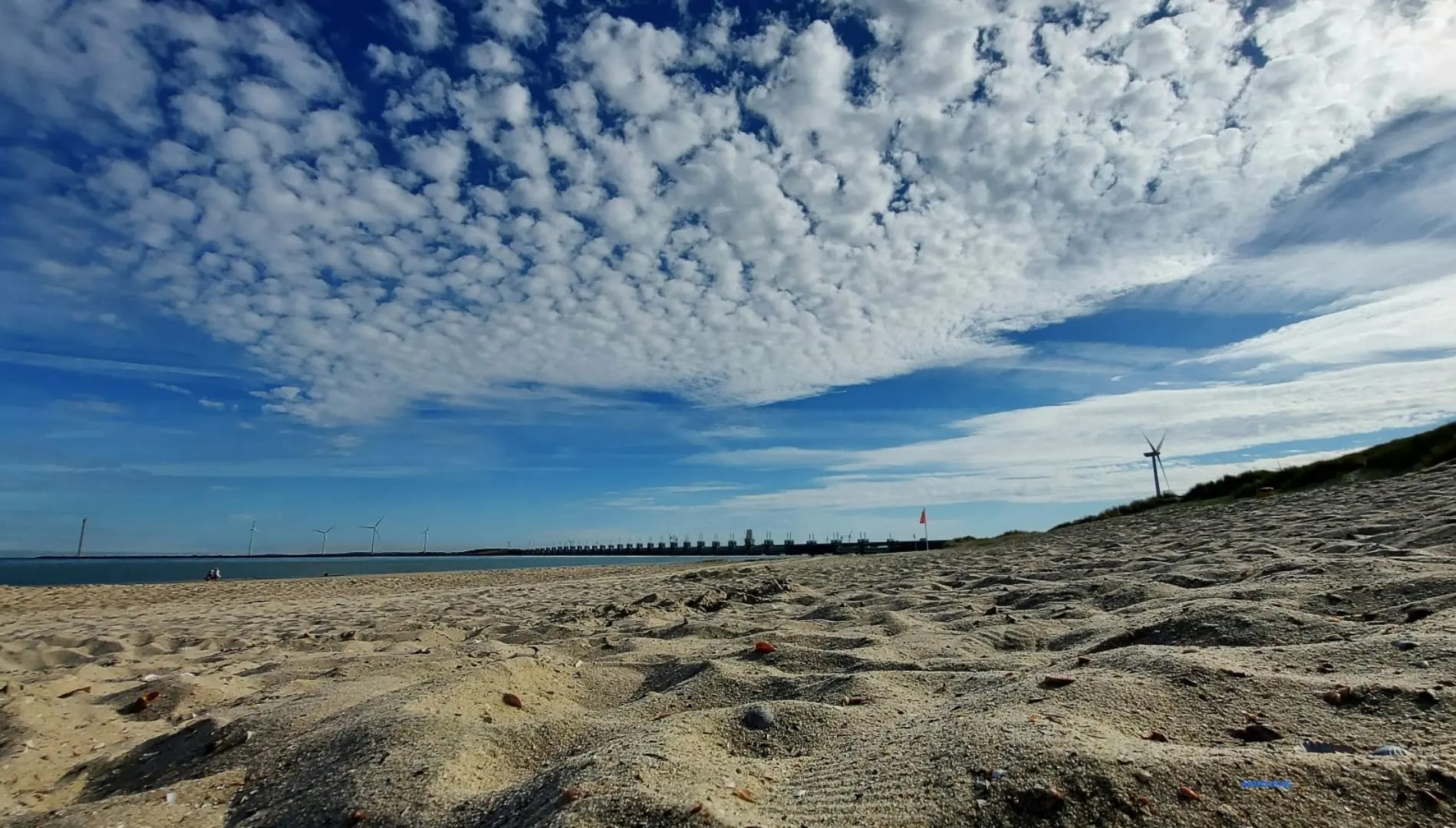
- Barrier Dams: The park is part of the Delta Works, a series of flood protection measures designed to safeguard the Netherlands from sea-level rise and flooding. The Oosterschelde barrier dam is a notable feature that regulates tidal flow and protects the surrounding land.
📜 History and Cultural Significance
The history and cultural significance of Nationaal Park Oosterschelde are closely linked to its role in flood protection and regional development.
Delta Works: The park’s creation and its coastal features are part of the larger Delta Works project, which was undertaken after the catastrophic North Sea Flood of 1953. The Delta Works are a series of engineering projects designed to protect the Netherlands from future flooding.
Cultural Heritage: The Oosterschelde region has a long history of human settlement and maritime activities. Traditional fishing practices and coastal communities have shaped the area’s cultural landscape.
Environmental Challenges: The park has faced challenges related to water management, including balancing flood protection with the preservation of natural habitats. Conservation efforts aim to address these challenges while maintaining ecological balance.
Delta Works: The park’s creation and its coastal features are part of the larger Delta Works project, which was undertaken after the catastrophic North Sea Flood of 1953. The Delta Works are a series of engineering projects designed to protect the Netherlands from future flooding.
Cultural Heritage: The Oosterschelde region has a long history of human settlement and maritime activities. Traditional fishing practices and coastal communities have shaped the area’s cultural landscape.
Environmental Challenges: The park has faced challenges related to water management, including balancing flood protection with the preservation of natural habitats. Conservation efforts aim to address these challenges while maintaining ecological balance.
🏃 Activities and Attractions
Nationaal Park Oosterschelde offers a range of activities that highlight its coastal and marine environments.
- Birdwatching: The park is a prime location for birdwatching, with a variety of species including waders, ducks, and raptors. The mudflats and salt marshes provide important feeding grounds for migratory birds.
- Marine Activities: Oosterschelde’s estuaries and channels are ideal for activities such as sailing, kayaking, and diving. The park’s marine life, including seals and fish, can be observed during these activities.
- Walking and Cycling: The park features several walking and cycling trails that offer scenic views of the coastal and estuarine landscapes. Trails provide opportunities to explore the park’s diverse environments and wildlife.
💡 Travel Tips
To make the most of your visit to Nationaal Park Oosterschelde, consider the following tips:
Best Time to Visit: The best time to visit is during the spring and autumn when the weather is mild and the park’s birdlife is most active. Summer is also popular for marine activities, while winter offers a quieter experience.
Access and Transportation: The park is accessible by car, with parking available at various points. Public transportation options include buses from nearby towns. For marine activities, consider renting a boat or joining a guided tour.
What to Bring: Wear appropriate clothing for coastal weather conditions and bring waterproof gear if participating in marine activities. Binoculars for birdwatching, a map or GPS device, and plenty of water are also recommended.
Best Time to Visit: The best time to visit is during the spring and autumn when the weather is mild and the park’s birdlife is most active. Summer is also popular for marine activities, while winter offers a quieter experience.
Access and Transportation: The park is accessible by car, with parking available at various points. Public transportation options include buses from nearby towns. For marine activities, consider renting a boat or joining a guided tour.
What to Bring: Wear appropriate clothing for coastal weather conditions and bring waterproof gear if participating in marine activities. Binoculars for birdwatching, a map or GPS device, and plenty of water are also recommended.
🌱 Conservation
Conservation efforts in Nationaal Park Oosterschelde focus on protecting its coastal and marine environments while balancing flood protection needs.
Habitat Protection: Efforts are made to preserve and restore the park’s mudflats, salt marshes, and estuaries. This includes managing tidal flows and controlling invasive species.
Wildlife Conservation: The park’s conservation programs monitor and protect its bird and marine life. This includes efforts to safeguard breeding sites and ensure the health of aquatic species.
Flood Management: The park is part of the Delta Works, which includes flood protection measures designed to prevent future flooding. Conservation efforts aim to balance these measures with the preservation of natural habitats.
Habitat Protection: Efforts are made to preserve and restore the park’s mudflats, salt marshes, and estuaries. This includes managing tidal flows and controlling invasive species.
Wildlife Conservation: The park’s conservation programs monitor and protect its bird and marine life. This includes efforts to safeguard breeding sites and ensure the health of aquatic species.
Flood Management: The park is part of the Delta Works, which includes flood protection measures designed to prevent future flooding. Conservation efforts aim to balance these measures with the preservation of natural habitats.
✨ Conclusion
Nationaal Park Oosterschelde is a remarkable destination that offers a blend of coastal and marine experiences. Its dynamic landscapes, diverse wildlife, and role in flood protection make it a valuable natural reserve. Whether birdwatching, exploring its estuaries, or enjoying marine activities, visitors will find much to appreciate in this unique Dutch park. The park’s conservation efforts ensure that its ecological treasures are preserved for future generations to enjoy.