
Biesbosch
Nationaal Park De Biesbosch, located in the southwestern Netherlands, is a unique wetland area renowned for its intricate network of rivers, tidal wetlands, and swamps. Covering approximately 9,000 hectares, the park is characterized by its dynamic water systems, rich biodiversity, and extensive reed beds. Established in 1994, De Biesbosch is an important natural reserve that offers a range of outdoor activities and opportunities for wildlife observation. This guide provides a comprehensive overview of the park’s geography, history, activities, travel tips, conservation efforts, and visitor experiences.
🌍 Geography and Natural Features
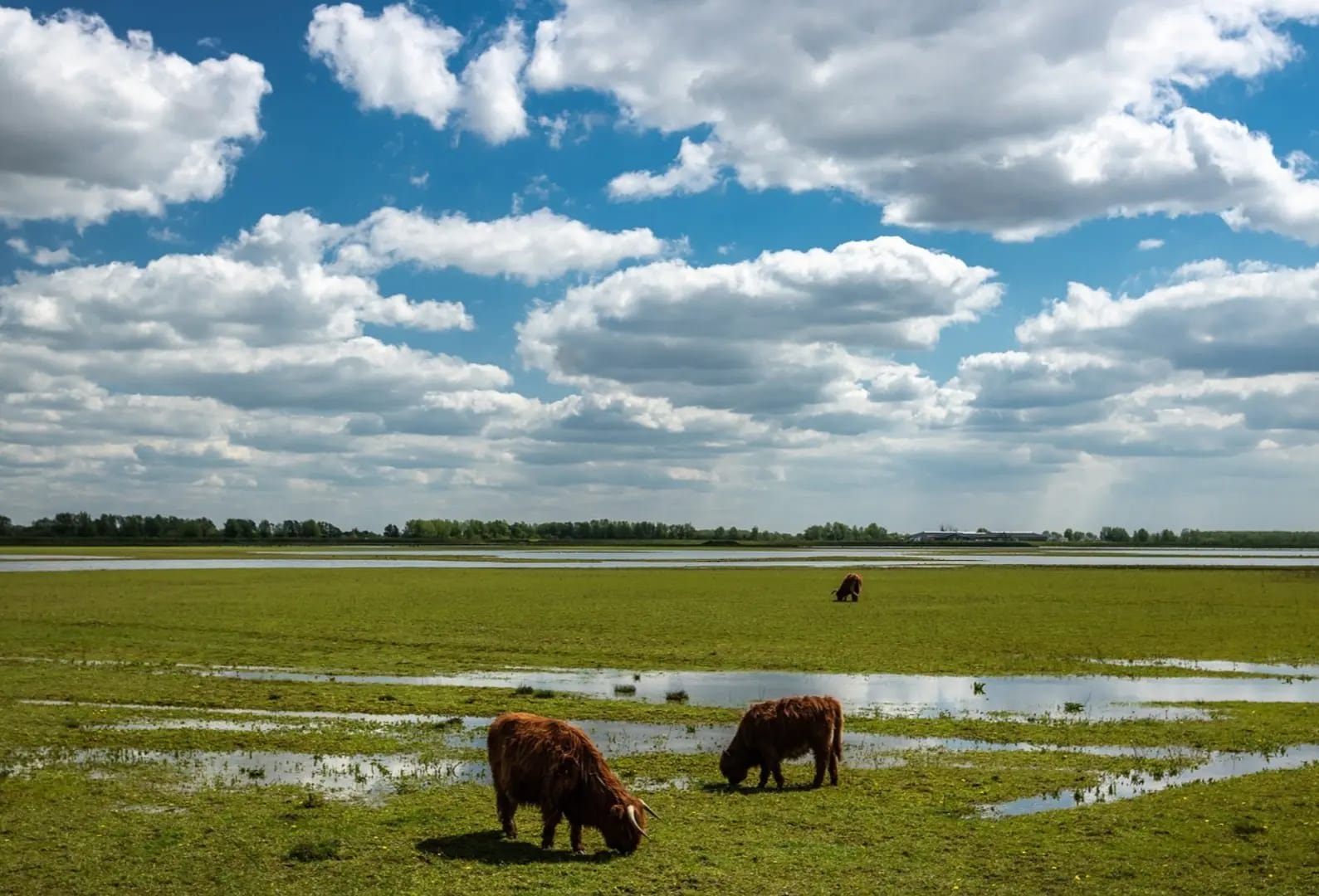
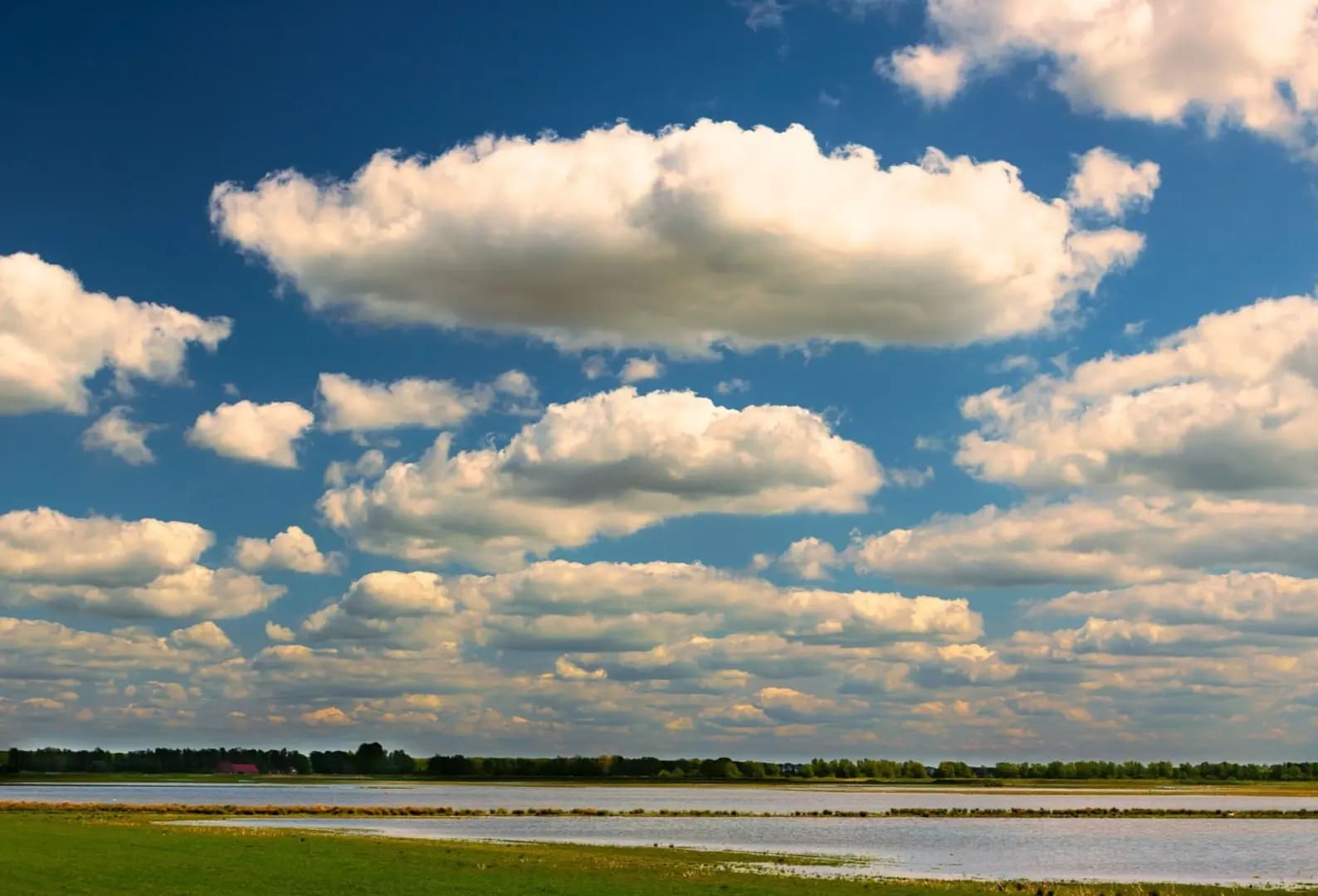
The geography of Nationaal Park De Biesbosch is defined by its unique wetland environment, which includes a variety of water-related features.
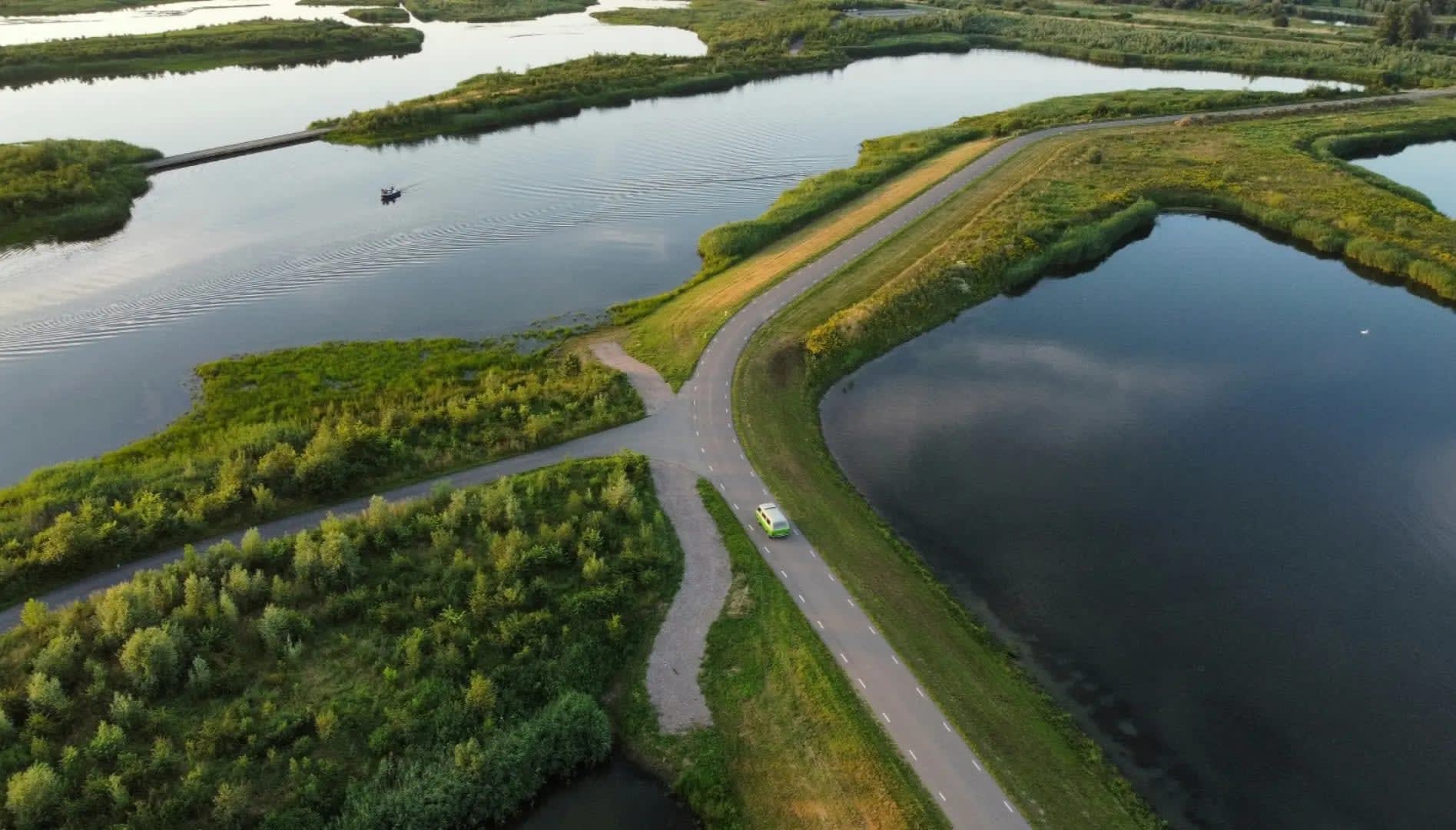
- Rivers and Tidal Wetlands: The park is characterized by its complex network of rivers, tidal channels, and wetlands. These waterways create a dynamic and ever-changing landscape, influenced by tidal movements and river flow.
- Reed Beds and Swamps: Extensive reed beds and swampy areas are key features of the park. These habitats support a variety of bird species and contribute to the park’s ecological diversity.
- Islands and Floodplains: De Biesbosch includes several islands and floodplains that are formed by sediment deposition and river meandering. These features provide important habitats for wildlife and opportunities for exploration.
📜 History and Cultural Significance
The history and cultural significance of Nationaal Park De Biesbosch are rooted in its development and role in regional water management.
Historical Background: The Biesbosch region has a long history of human settlement and land use. The area was shaped by historical practices such as peat extraction and river management.
Water Management: The park’s creation was closely linked to regional water management efforts, including flood protection and land reclamation. The park’s dynamic water systems are a result of these historical developments.
Cultural Heritage: The Biesbosch region has a rich cultural heritage, including traditional boat-building and fishing practices. The park’s historical use of the land is reflected in its cultural landscape.
Historical Background: The Biesbosch region has a long history of human settlement and land use. The area was shaped by historical practices such as peat extraction and river management.
Water Management: The park’s creation was closely linked to regional water management efforts, including flood protection and land reclamation. The park’s dynamic water systems are a result of these historical developments.
Cultural Heritage: The Biesbosch region has a rich cultural heritage, including traditional boat-building and fishing practices. The park’s historical use of the land is reflected in its cultural landscape.
🏃 Activities and Attractions
Nationaal Park De Biesbosch offers a range of activities that allow visitors to experience its unique wetland environment.
- Boating and Kayaking: The park’s extensive network of waterways makes it ideal for boating and kayaking. Visitors can explore the park’s rivers, channels, and reed beds from the water.
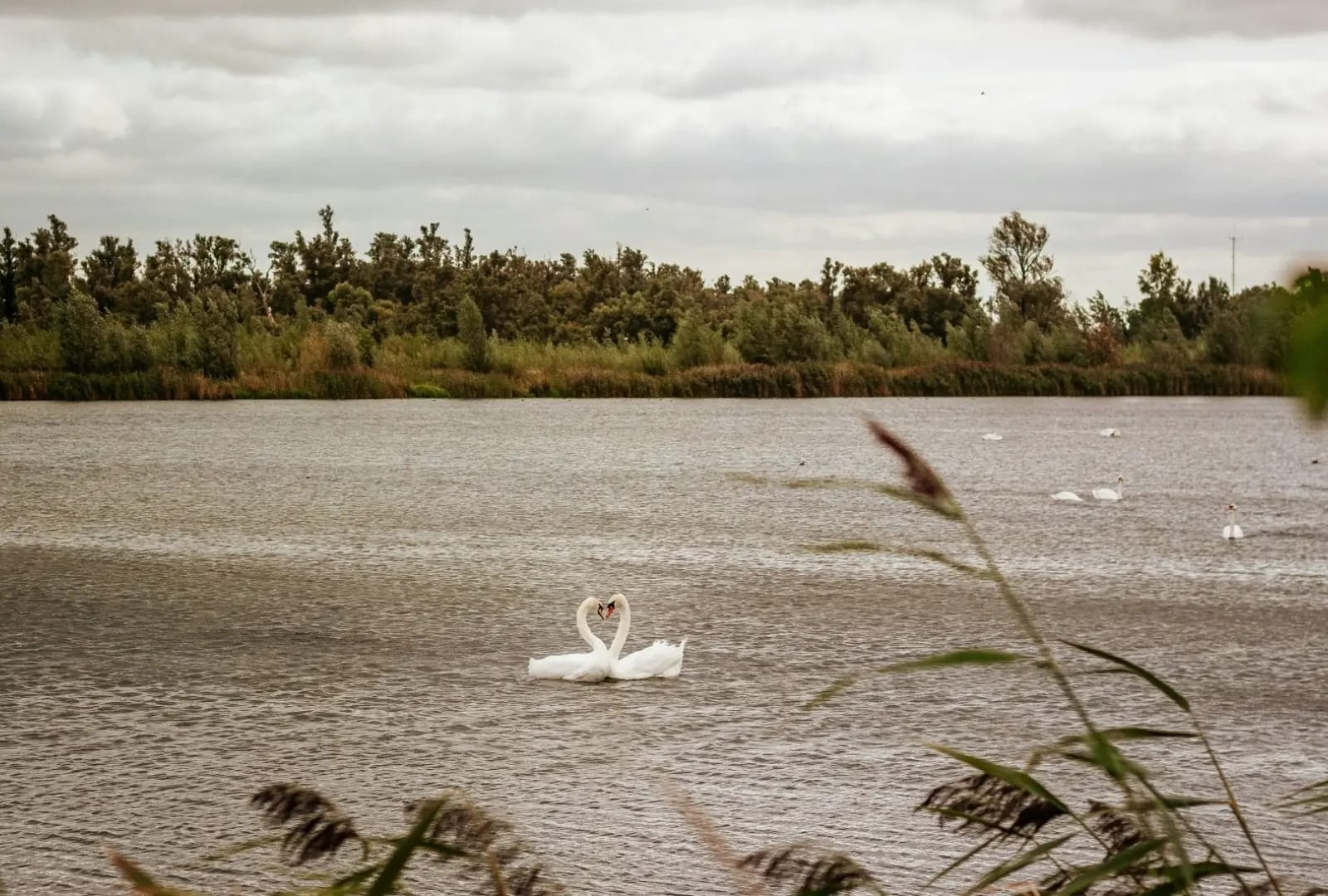
- Birdwatching: De Biesbosch is a haven for birdwatchers, with a diverse range of species including herons, egrets, and ospreys. Birdwatching is a popular activity, especially during migration periods.
- Walking and Cycling: The park features several walking and cycling trails that allow visitors to explore its landscapes. Trails provide opportunities to see the park’s wetlands and wildlife up close.
💡 Travel Tips
To make the most of your visit to Nationaal Park De Biesbosch, consider the following tips:
Best Time to Visit: The best time to visit is during the spring and autumn when the weather is pleasant and the park’s wildlife is most active. Summer is also popular for water activities, while winter offers a quieter experience.
Access and Transportation: The park is accessible by car, with parking available at various points. Public transportation options include buses from nearby towns. Renting a boat or kayak is recommended for exploring the waterways.
What to Bring: Dress in layers to accommodate changing weather conditions and wear waterproof clothing if participating in water activities. Bring binoculars for birdwatching, a map or GPS device, and plenty of water.
Best Time to Visit: The best time to visit is during the spring and autumn when the weather is pleasant and the park’s wildlife is most active. Summer is also popular for water activities, while winter offers a quieter experience.
Access and Transportation: The park is accessible by car, with parking available at various points. Public transportation options include buses from nearby towns. Renting a boat or kayak is recommended for exploring the waterways.
What to Bring: Dress in layers to accommodate changing weather conditions and wear waterproof clothing if participating in water activities. Bring binoculars for birdwatching, a map or GPS device, and plenty of water.
🌱 Conservation
Conservation efforts in Nationaal Park De Biesbosch focus on protecting its wetland ecosystems and maintaining its biodiversity.
Habitat Preservation: Efforts are made to preserve and restore the park’s wetlands, reed beds, and river systems. This includes managing water levels and controlling invasive species.
Wildlife Protection: Conservation programs monitor and protect the park’s bird populations and other wildlife. Efforts are made to ensure that species have suitable habitats and are not disturbed by human activities.
Environmental Education: The park provides educational programs and resources to raise awareness about its ecosystems and conservation needs. This includes guided tours and informational displays.
Habitat Preservation: Efforts are made to preserve and restore the park’s wetlands, reed beds, and river systems. This includes managing water levels and controlling invasive species.
Wildlife Protection: Conservation programs monitor and protect the park’s bird populations and other wildlife. Efforts are made to ensure that species have suitable habitats and are not disturbed by human activities.
Environmental Education: The park provides educational programs and resources to raise awareness about its ecosystems and conservation needs. This includes guided tours and informational displays.
✨ Conclusion
Nationaal Park De Biesbosch is a distinctive wetland area that offers a range of natural experiences and outdoor activities. Its dynamic water systems, rich biodiversity, and cultural significance make it a valuable destination for nature lovers and outdoor enthusiasts. Whether exploring its waterways, observing wildlife, or enjoying a peaceful walk, visitors will find plenty to appreciate in this unique Dutch natural reserve. The park’s conservation efforts ensure that its ecological treasures are preserved for future generations to enjoy.


