

Waddeneilanden
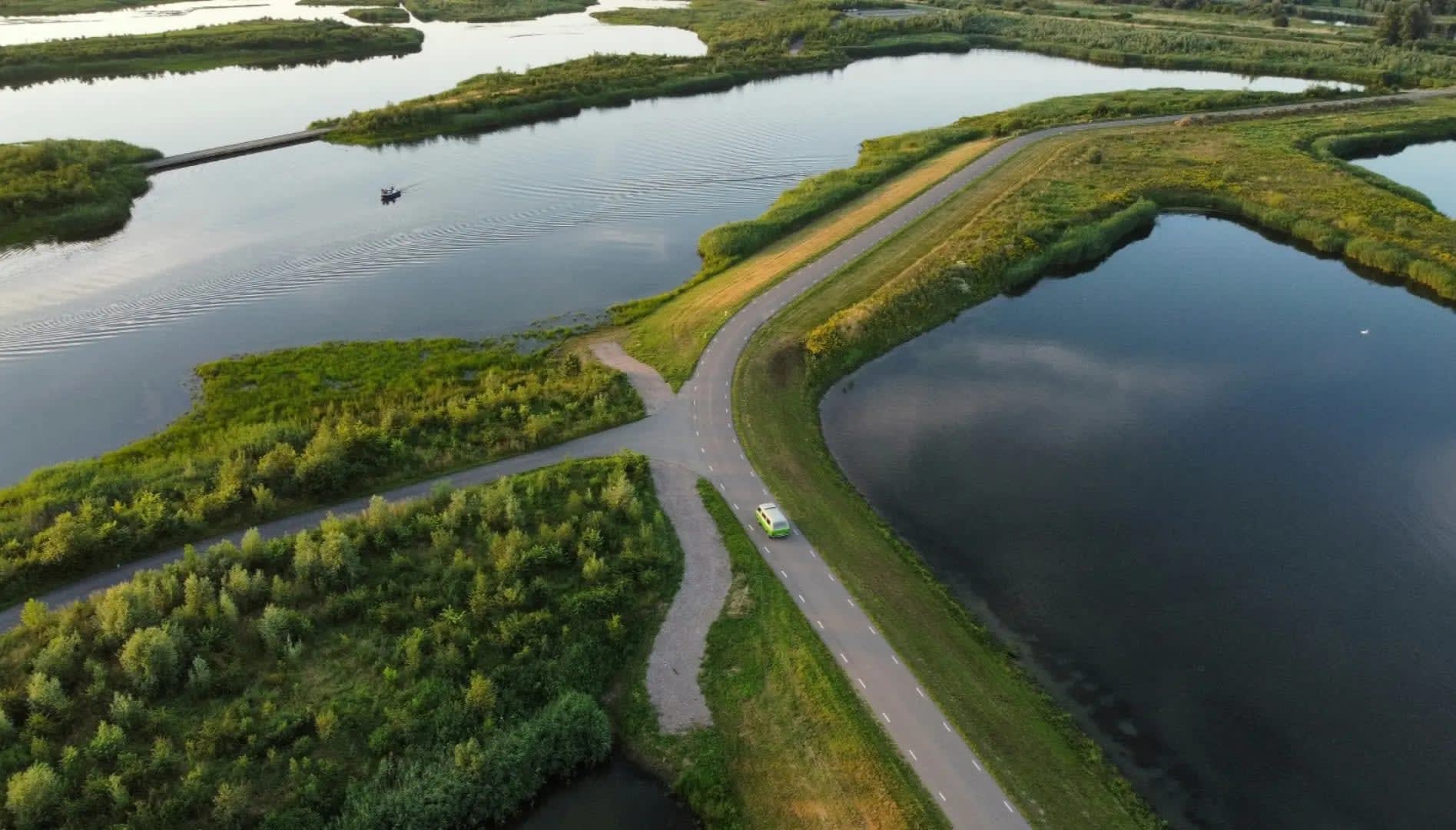
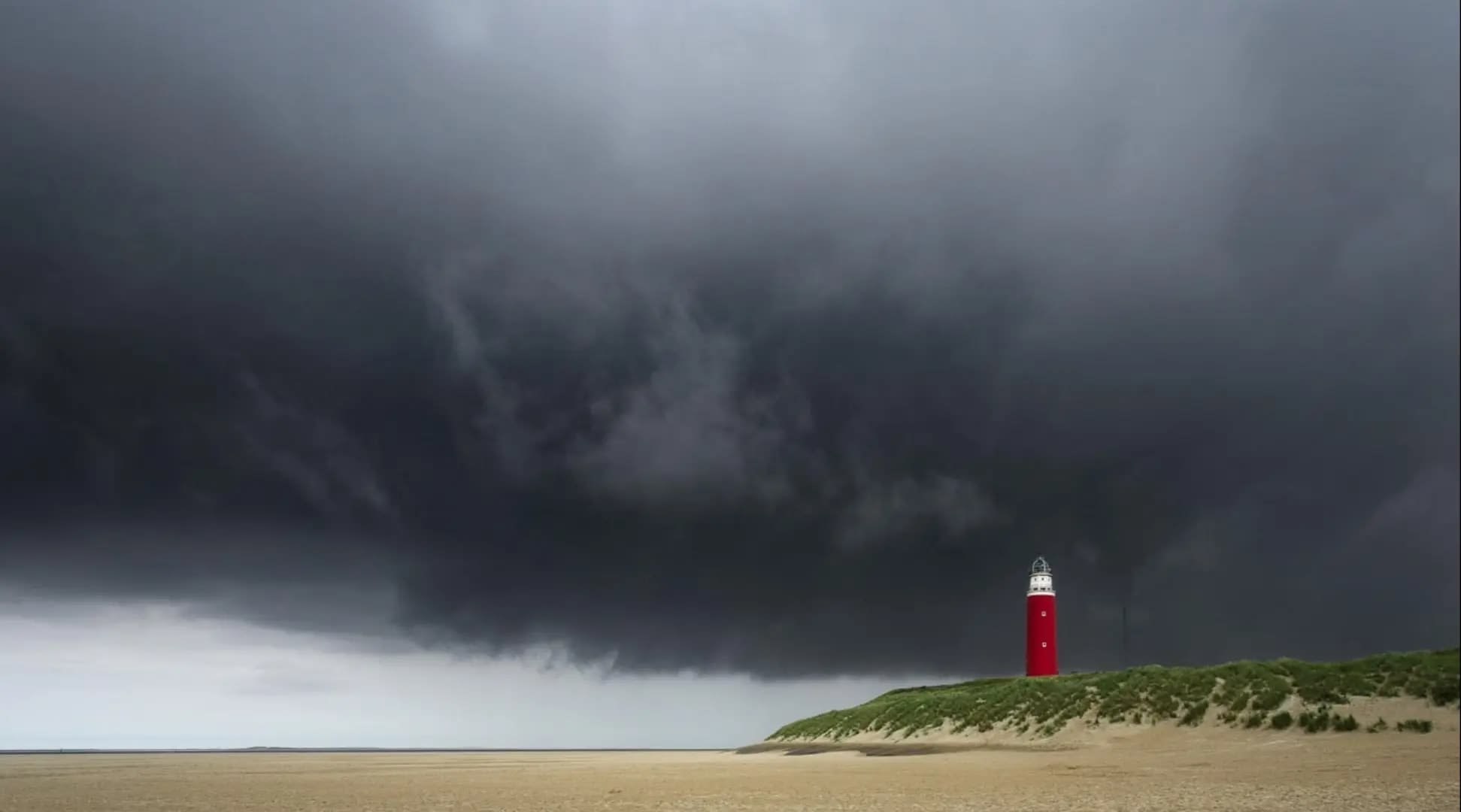
The Waddeneilanden, or Frisian Islands, are a unique group of islands located in the northern part of the Netherlands, stretching along the Wadden Sea. These islands, known for their distinct natural beauty and rich biodiversity, offer a range of experiences from picturesque landscapes to diverse wildlife. The Waddeneilanden are recognized as a UNESCO World Heritage Site for their ecological importance and unique tidal wetlands. This guide provides an extensive overview of the islands' geography, history, activities, travel tips, conservation efforts, and visitor experiences.
🌍 Geography and Natural Features
The Waddeneilanden are characterized by their distinctive geographical features, shaped by the tidal influences of the Wadden Sea.
- Tidal Flats and Mudflats: The Wadden Sea is known for its extensive tidal flats and mudflats, which are crucial feeding grounds for migratory birds and marine life. These areas are exposed during low tide and provide unique opportunities for exploring the mudflats.
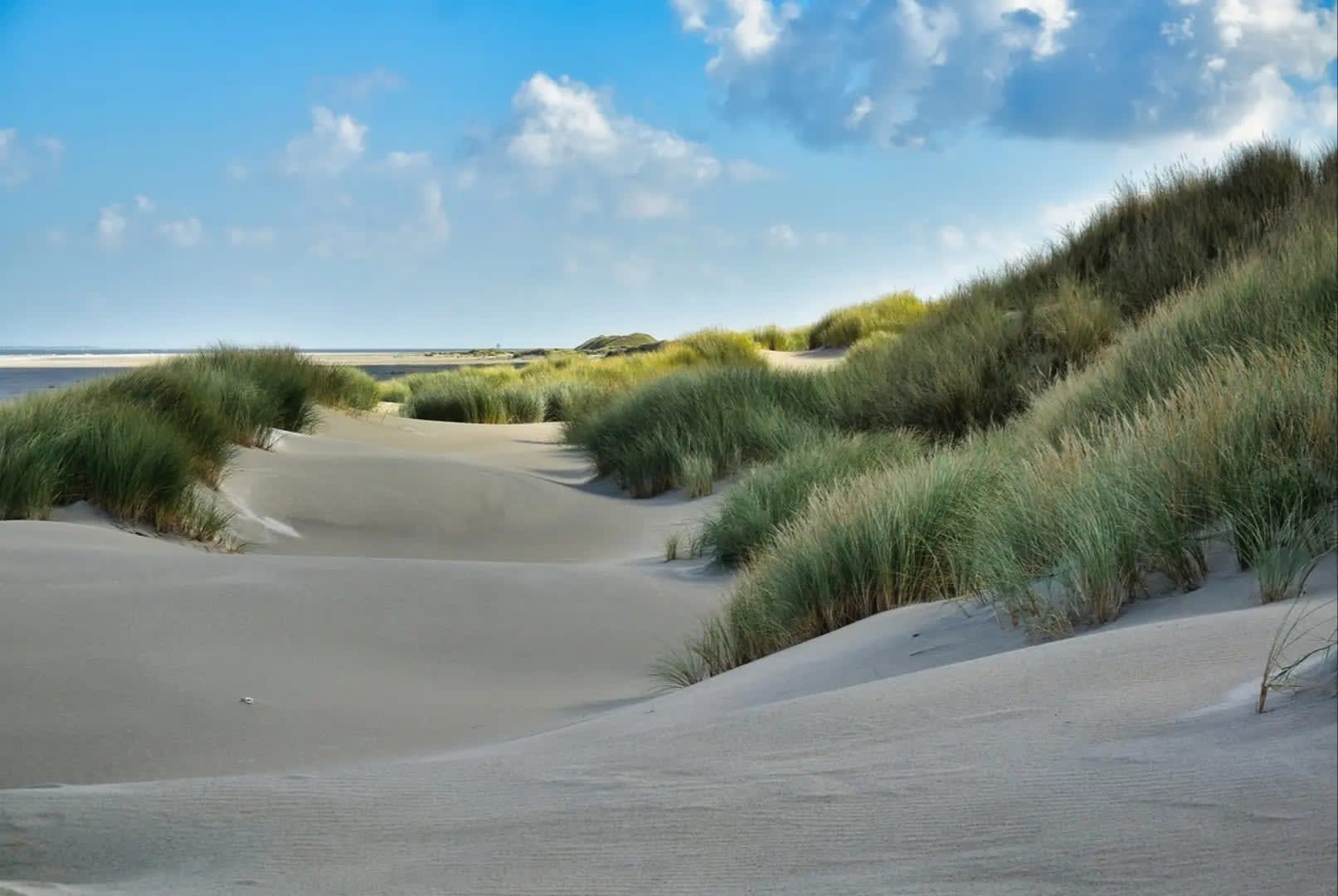
- Dunes and Beaches: Many of the islands feature sandy dunes and beaches, which offer scenic views and recreational opportunities. The dunes act as natural barriers against the sea and provide habitats for various plant and animal species.
- Salt Marshes: The islands have salt marshes that thrive in the intertidal zone. These marshes support a variety of plant species and provide important breeding grounds for birds.
📜 History and Cultural Significance
The history and cultural significance of the Waddeneilanden are deeply intertwined with their maritime environment and local communities.
Maritime History: The islands have a long history of maritime activity, including fishing and shipping. Traditional seafaring communities have shaped the islands' cultural landscape over the centuries.
Cultural Heritage: Each island has its own unique cultural heritage, including traditional architecture, local festivals, and historical landmarks. The islands' history reflects a blend of Dutch, Frisian, and maritime influences.
UNESCO World Heritage Status: The Waddeneilanden were designated as a UNESCO World Heritage Site in 2009, recognizing their outstanding universal value and ecological significance.
Maritime History: The islands have a long history of maritime activity, including fishing and shipping. Traditional seafaring communities have shaped the islands' cultural landscape over the centuries.
Cultural Heritage: Each island has its own unique cultural heritage, including traditional architecture, local festivals, and historical landmarks. The islands' history reflects a blend of Dutch, Frisian, and maritime influences.
UNESCO World Heritage Status: The Waddeneilanden were designated as a UNESCO World Heritage Site in 2009, recognizing their outstanding universal value and ecological significance.
🏃 Activities and Attractions
The Waddeneilanden offer a wide range of activities that allow visitors to experience their natural beauty and cultural heritage.
- Mudflat Hiking: One of the unique experiences on the islands is mudflat hiking, where visitors can explore the exposed tidal flats during low tide. This activity provides a close-up view of the island's marine life and mudflat ecosystems.
- Cycling: The islands feature well-maintained cycling paths that allow visitors to explore their diverse landscapes. Cycling is a popular way to enjoy the scenic views, dunes, and coastal areas.
- Wildlife Watching: The islands are home to a variety of wildlife, including seals, birds, and other marine creatures. Wildlife watching tours and birdwatching are popular activities, especially during migration periods.
💡 Travel Tips
To make the most of your visit to the Waddeneilanden, consider the following tips:
Best Time to Visit: The best time to visit is during the spring and autumn when the weather is mild and the wildlife is most active. Summer is also popular for outdoor activities, while winter offers a quieter experience.
Access and Transportation: The islands are accessible by ferry from the mainland. Each island has its own transportation options, including buses and bike rentals. Plan your trip in advance to ensure availability and schedules.
What to Bring: Wear appropriate clothing for outdoor activities and varying weather conditions. Bring binoculars for wildlife watching, a map or GPS device for navigation, and plenty of water.
Best Time to Visit: The best time to visit is during the spring and autumn when the weather is mild and the wildlife is most active. Summer is also popular for outdoor activities, while winter offers a quieter experience.
Access and Transportation: The islands are accessible by ferry from the mainland. Each island has its own transportation options, including buses and bike rentals. Plan your trip in advance to ensure availability and schedules.
What to Bring: Wear appropriate clothing for outdoor activities and varying weather conditions. Bring binoculars for wildlife watching, a map or GPS device for navigation, and plenty of water.
🌱 Conservation
Conservation efforts on the Waddeneilanden focus on protecting their unique ecosystems and maintaining their ecological balance.
Habitat Protection: Conservation programs aim to protect the islands' tidal flats, dunes, and salt marshes. This includes managing human activities and restoring natural habitats.
Wildlife Conservation: Efforts are made to monitor and protect the islands' wildlife populations, including seals and migratory birds. Conservation programs work to ensure that these species have suitable habitats and are not disturbed by human activities.
Environmental Education: The islands offer educational programs and resources to raise awareness about their ecosystems and conservation needs. This includes guided tours and informational displays.
Habitat Protection: Conservation programs aim to protect the islands' tidal flats, dunes, and salt marshes. This includes managing human activities and restoring natural habitats.
Wildlife Conservation: Efforts are made to monitor and protect the islands' wildlife populations, including seals and migratory birds. Conservation programs work to ensure that these species have suitable habitats and are not disturbed by human activities.
Environmental Education: The islands offer educational programs and resources to raise awareness about their ecosystems and conservation needs. This includes guided tours and informational displays.
✨ Conclusion
The Waddeneilanden are a remarkable destination that offers a blend of natural beauty, diverse wildlife, and rich cultural heritage. From exploring the tidal flats and dunes to enjoying cycling and wildlife watching, visitors will find plenty to appreciate in this unique group of Dutch islands. The islands' conservation efforts ensure the protection of their distinctive ecosystems and habitats. A visit to the Waddeneilanden promises an enriching and memorable experience amidst one of the Netherlands' most cherished natural landscapes.