
Veluwezoom
Nationaal Park Veluwezoom, located in the eastern Netherlands, is one of the country’s oldest national parks. Covering approximately 5,000 hectares, the park is renowned for its diverse landscapes, including woodlands, heathlands, and rolling hills. Established in 1930, Veluwezoom offers visitors a peaceful retreat into nature, with opportunities for hiking, wildlife observation, and exploring historical features. This guide provides a comprehensive overview of Veluwezoom’s geography, history, activities, travel tips, conservation efforts, and visitor experiences.
🌍 Geography and Natural Features
Nationaal Park Veluwezoom features a variety of landscapes that contribute to its scenic beauty and ecological diversity.
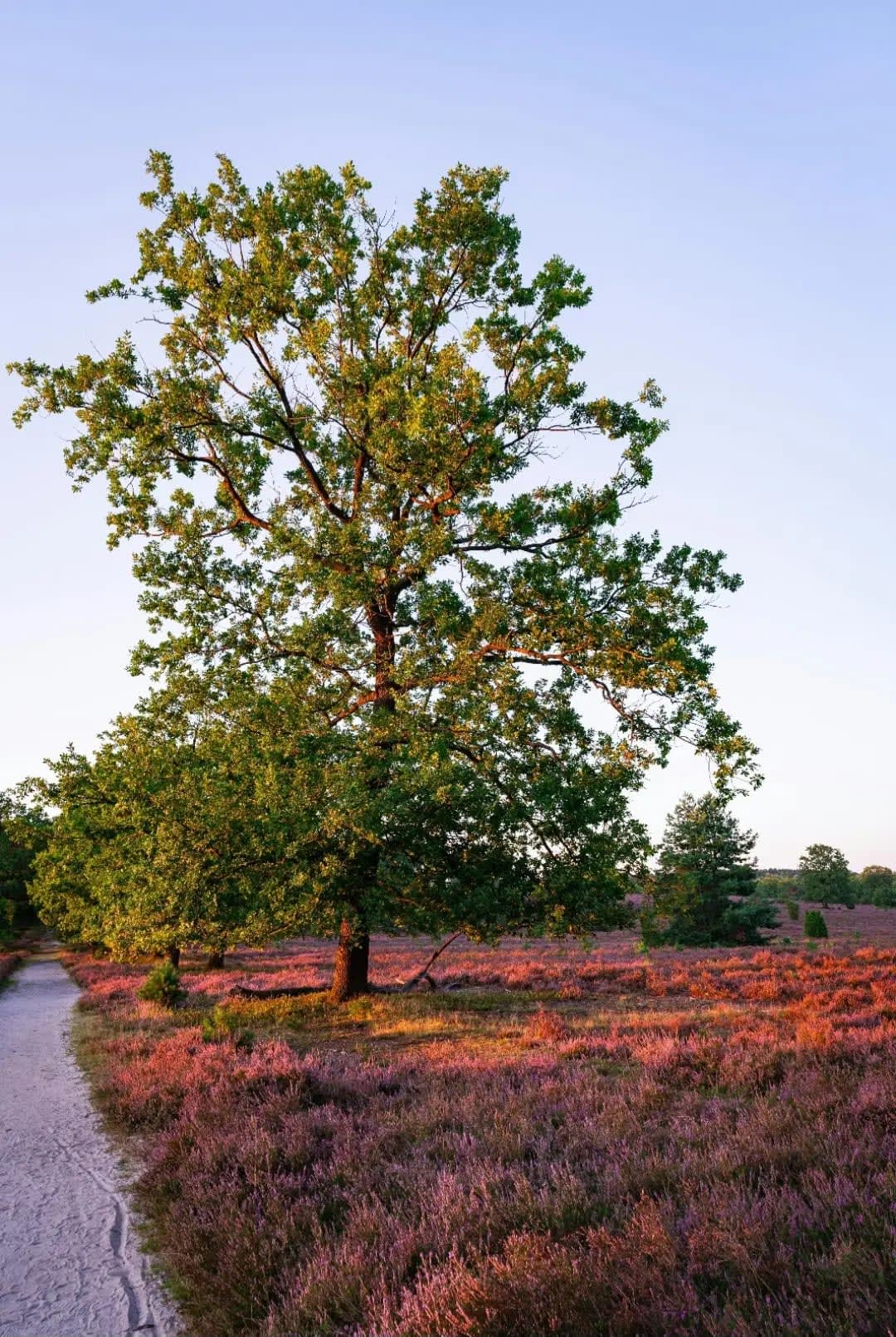
- Woodlands: The park’s extensive woodlands are characterized by a mix of deciduous and coniferous trees. These forests provide important habitats for wildlife and create picturesque landscapes throughout the year.
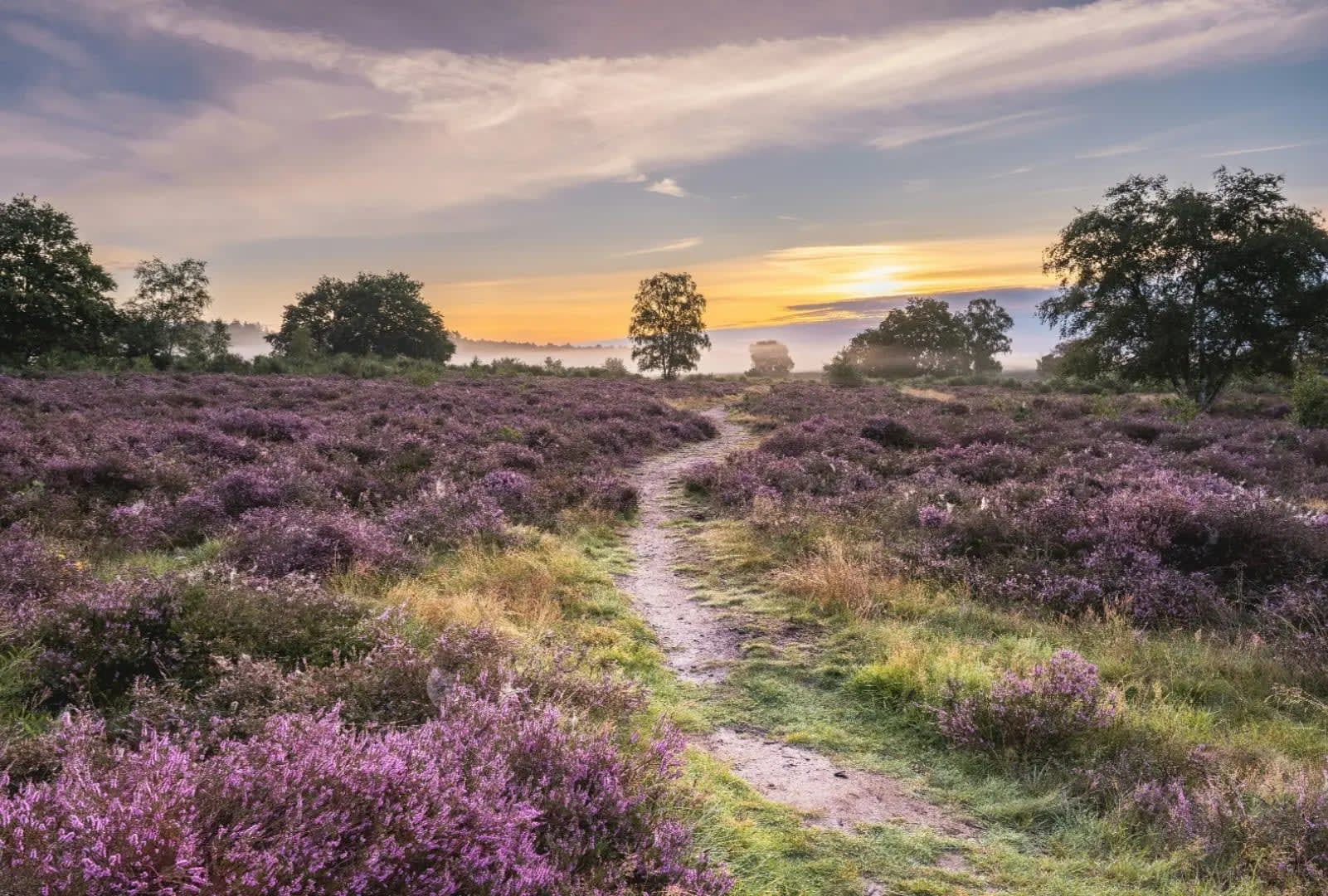
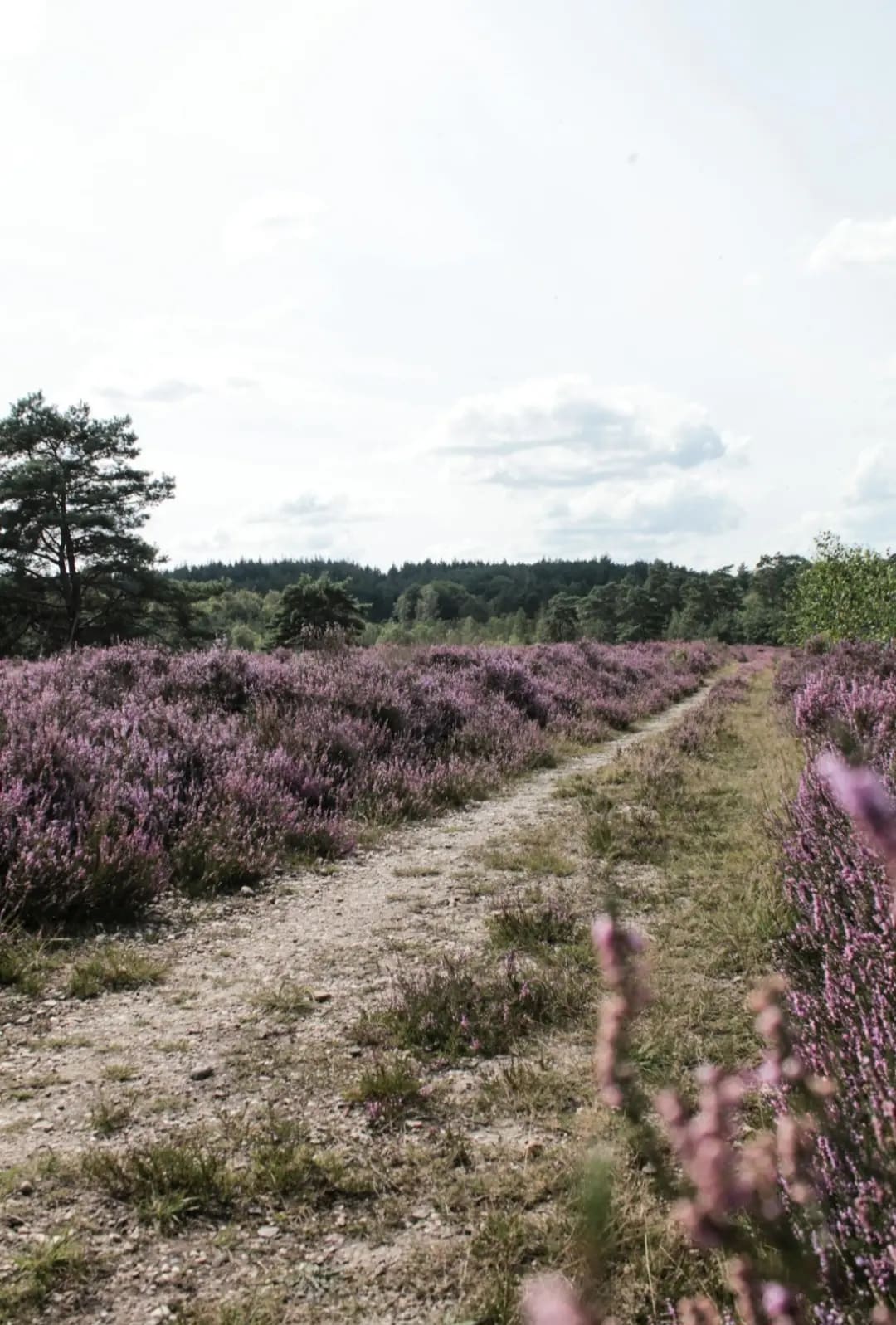
- Heathlands: Veluwezoom includes several heathland areas, particularly in the northern and eastern parts of the park. These heathlands are known for their seasonal floral displays and attract a range of wildlife.
- Rolling Hills: The park’s terrain includes rolling hills and valleys, shaped by glacial activity and erosion. These hills offer scenic views and contribute to the park’s varied topography.
📜 History and Cultural Significance
The history of Nationaal Park Veluwezoom is marked by its establishment as one of the earliest national parks in the Netherlands and its role in regional conservation efforts.
Establishment: The park was established in 1930 with the aim of preserving its natural landscapes and promoting conservation. It was one of the first national parks created in the Netherlands, setting a precedent for future conservation efforts.
Cultural Heritage: Veluwezoom has historical significance related to regional land use and conservation practices. The park’s development reflects early 20th-century efforts to protect natural areas and promote outdoor recreation.
Historical Features: The park includes several historical features, such as old farmsteads and traditional Dutch landscape elements. These features provide insights into the region’s cultural and agricultural history.
Establishment: The park was established in 1930 with the aim of preserving its natural landscapes and promoting conservation. It was one of the first national parks created in the Netherlands, setting a precedent for future conservation efforts.
Cultural Heritage: Veluwezoom has historical significance related to regional land use and conservation practices. The park’s development reflects early 20th-century efforts to protect natural areas and promote outdoor recreation.
Historical Features: The park includes several historical features, such as old farmsteads and traditional Dutch landscape elements. These features provide insights into the region’s cultural and agricultural history.
🏃 Activities and Attractions
Nationaal Park Veluwezoom offers a range of activities that allow visitors to explore its diverse landscapes and natural beauty.
- Hiking: The park features a network of hiking trails that traverse its woodlands, heathlands, and hills. Trails offer varying levels of difficulty and provide opportunities to experience the park’s landscapes up close.
- Wildlife Observation: Veluwezoom is home to a variety of wildlife, including deer, wild boar, and numerous bird species. Wildlife observation is a popular activity, particularly in the early morning and late afternoon.
- Cycling: The park offers cycling routes that allow visitors to explore its landscapes by bike. Cycling routes are well-marked and provide access to scenic areas and historical features.
💡 Travel Tips
To make the most of your visit to Nationaal Park Veluwezoom, consider the following tips:
Best Time to Visit: The best time to visit is during the spring and autumn when the weather is pleasant and the park’s landscapes are most vibrant. Summer is also popular, but can be busy.
Access and Transportation: The park is accessible by car, with parking available at various points. Public transportation options include buses from nearby towns. Cycling is a great way to explore the park’s trails.
What to Bring: Wear comfortable walking shoes and dress in layers to accommodate changing weather. Bring a map or GPS device, plenty of water, and a camera to capture the park’s beauty.
Best Time to Visit: The best time to visit is during the spring and autumn when the weather is pleasant and the park’s landscapes are most vibrant. Summer is also popular, but can be busy.
Access and Transportation: The park is accessible by car, with parking available at various points. Public transportation options include buses from nearby towns. Cycling is a great way to explore the park’s trails.
What to Bring: Wear comfortable walking shoes and dress in layers to accommodate changing weather. Bring a map or GPS device, plenty of water, and a camera to capture the park’s beauty.
🌱 Conservation
Conservation efforts in Nationaal Park Veluwezoom focus on maintaining its diverse landscapes and protecting its wildlife.
Habitat Management: Ongoing habitat management efforts aim to preserve the park’s woodlands, heathlands, and rolling hills. This includes controlling invasive species and managing vegetation.
Wildlife Protection: Conservation programs monitor and protect the park’s wildlife populations, ensuring that species such as deer and wild boar thrive in their natural habitats.
Visitor Impact Management: Efforts are made to manage the impact of tourism on the park’s ecosystems. This includes regulating access to sensitive areas and providing educational resources to promote responsible behavior.
Habitat Management: Ongoing habitat management efforts aim to preserve the park’s woodlands, heathlands, and rolling hills. This includes controlling invasive species and managing vegetation.
Wildlife Protection: Conservation programs monitor and protect the park’s wildlife populations, ensuring that species such as deer and wild boar thrive in their natural habitats.
Visitor Impact Management: Efforts are made to manage the impact of tourism on the park’s ecosystems. This includes regulating access to sensitive areas and providing educational resources to promote responsible behavior.
✨ Conclusion
Nationaal Park Veluwezoom is a captivating destination that offers a blend of natural beauty, diverse landscapes, and outdoor activities. Its woodlands, heathlands, and rolling hills provide a peaceful retreat into nature, with opportunities for hiking, wildlife observation, and exploring historical features. The park’s conservation efforts ensure that its unique environments are preserved for future generations. A visit to Veluwezoom promises an enriching experience amidst one of the Netherlands’ oldest and most cherished national parks.