
Tsavo National Park
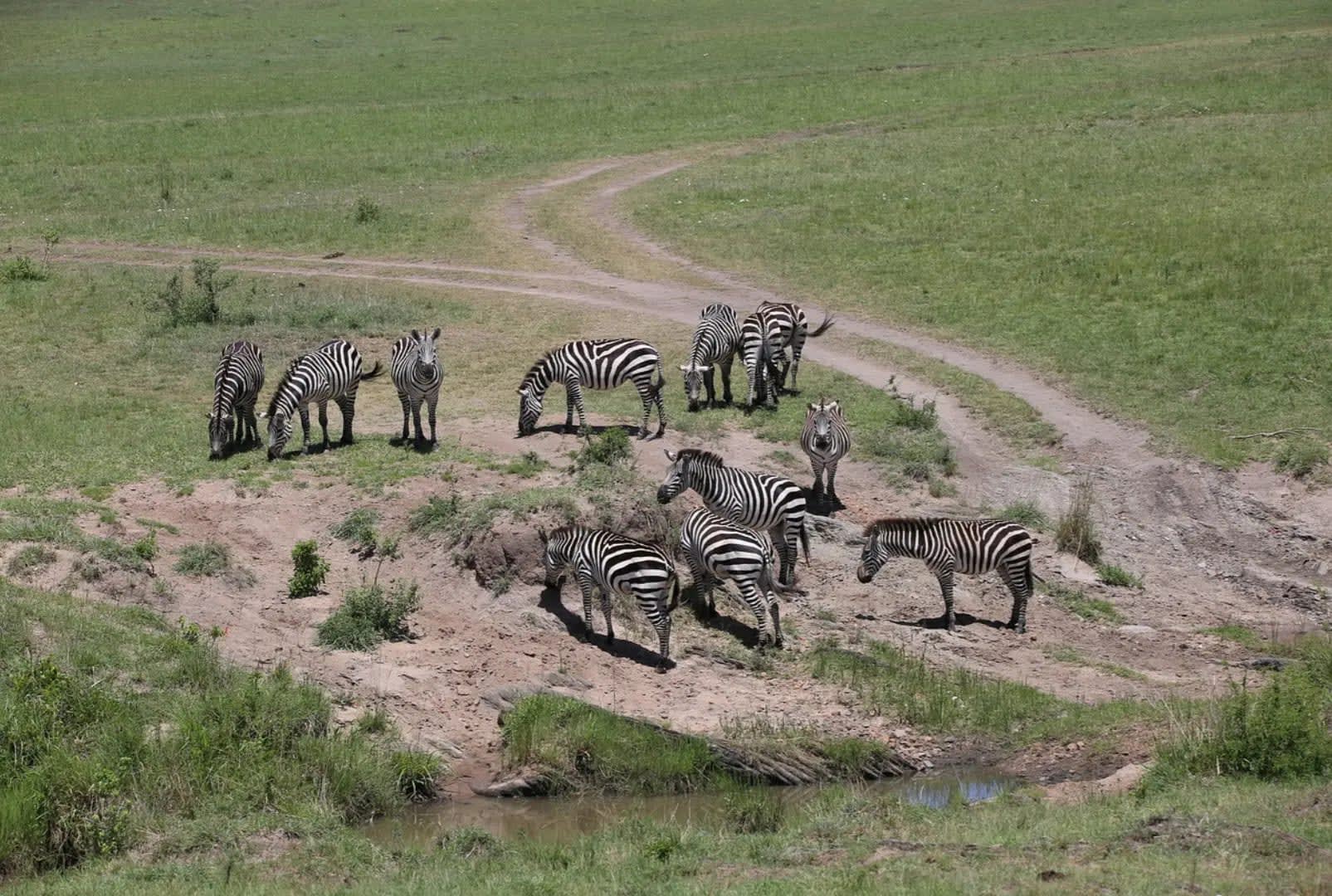
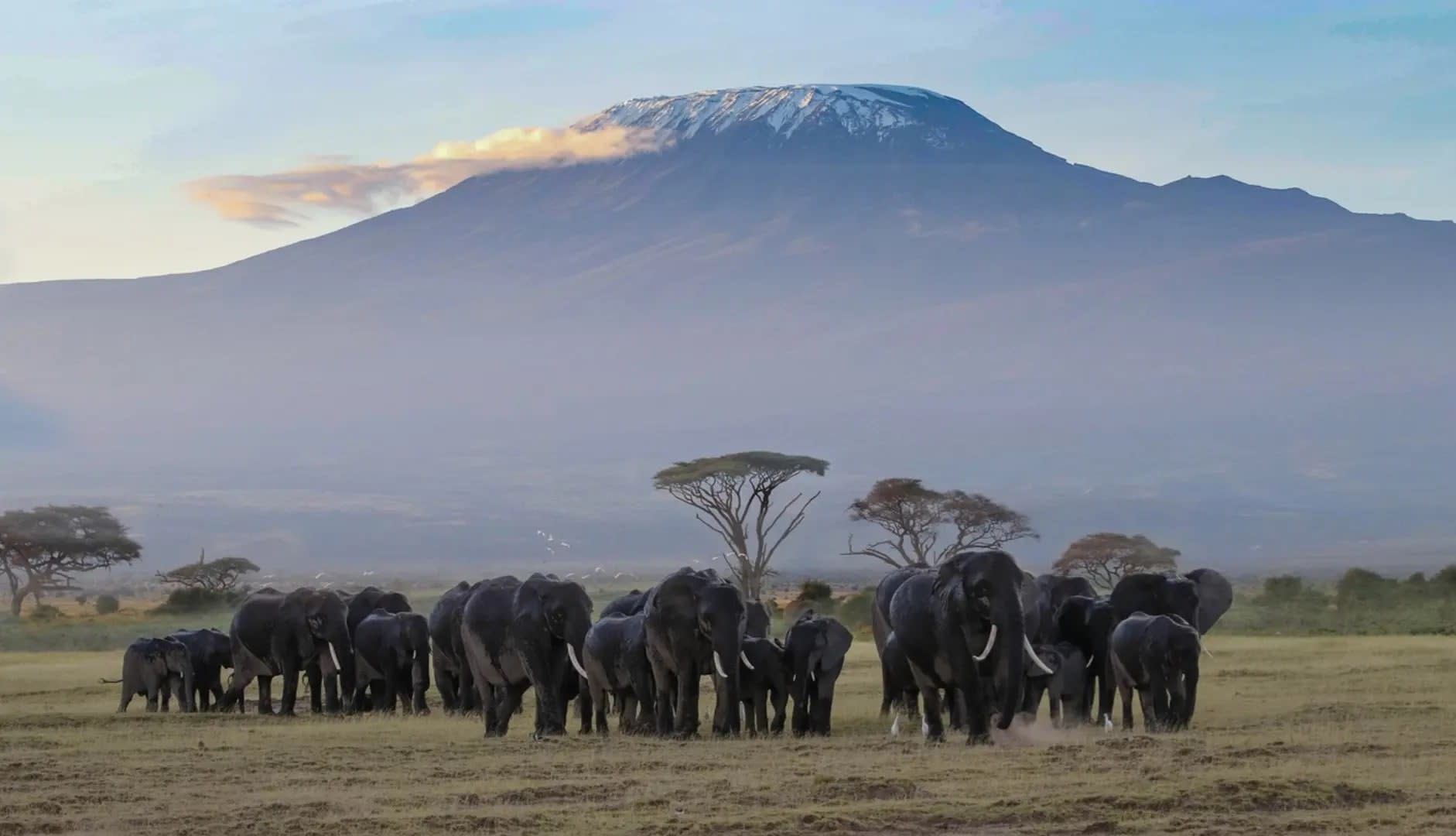
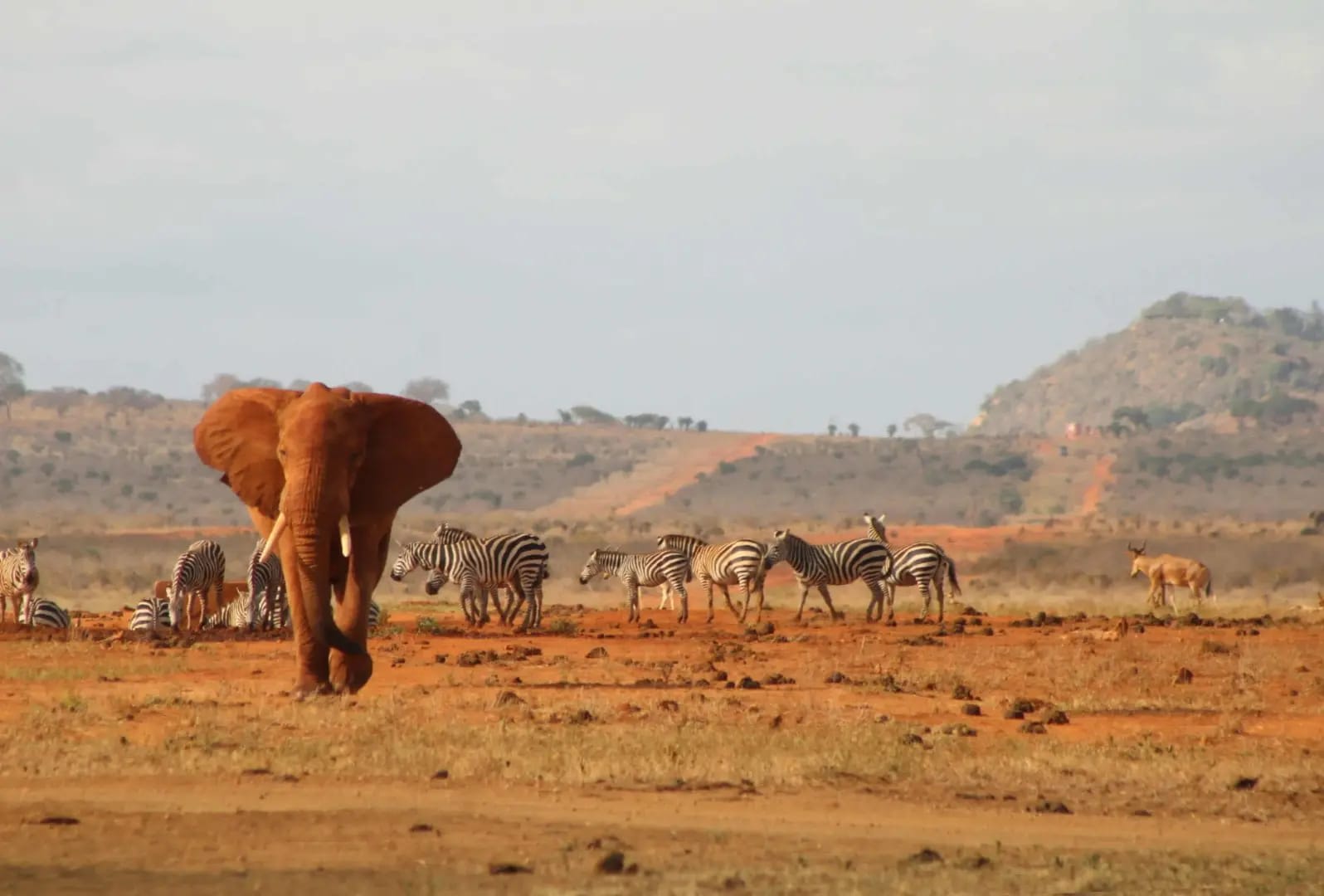
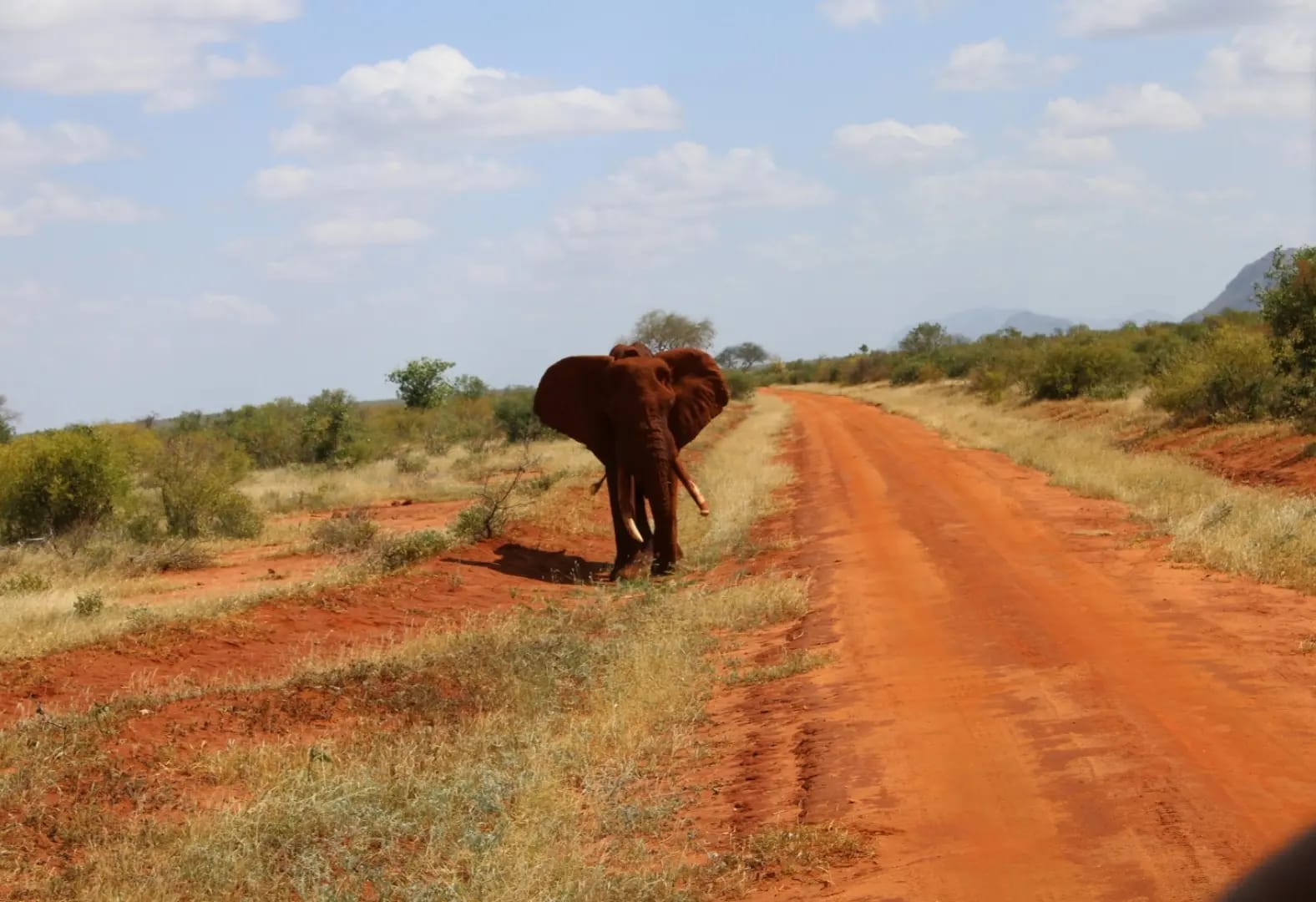
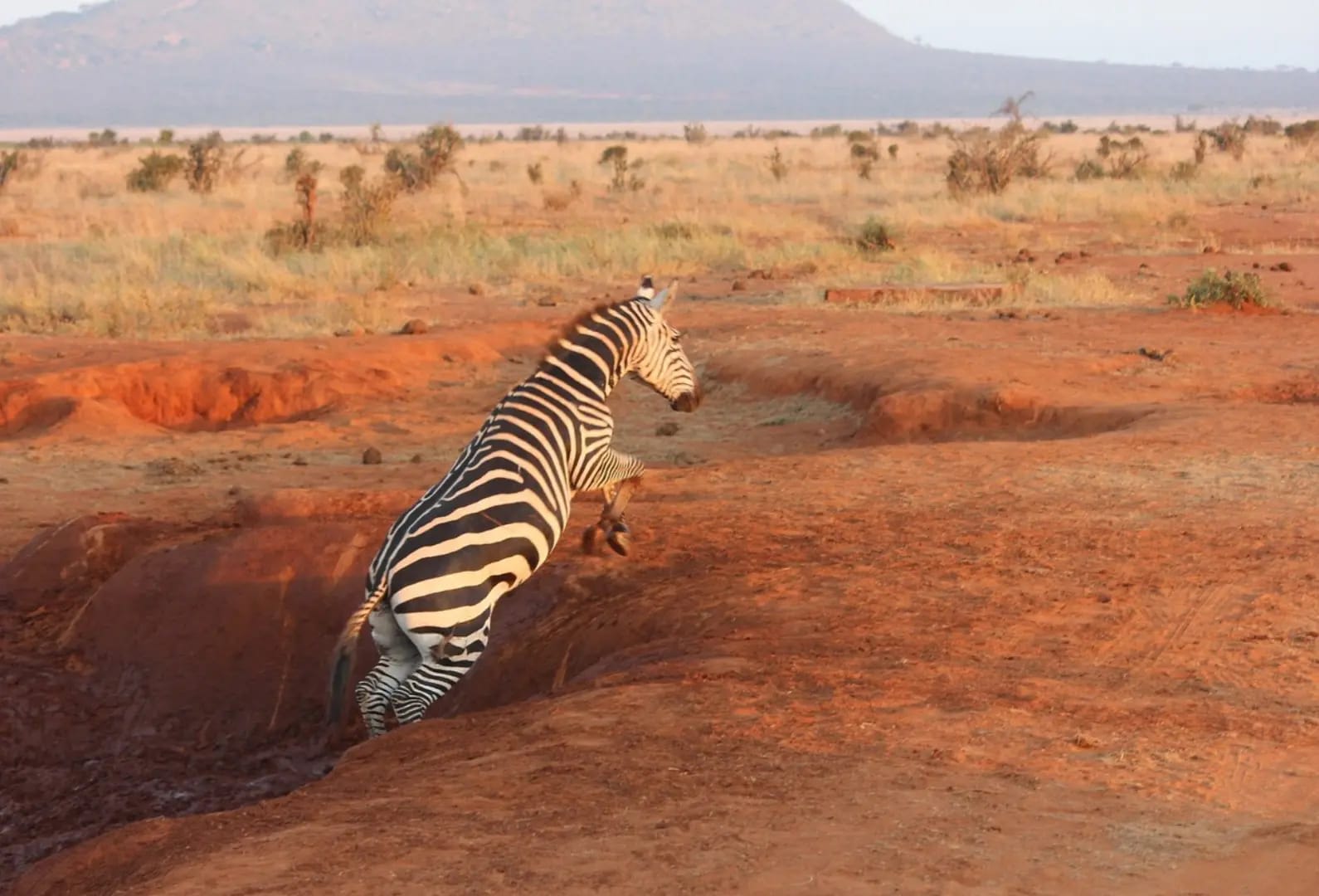
As one of Kenya’s largest national parks, Tsavo National Park offers visitors an unforgettable experience in the African wilderness. Spanning over 8,000 square miles, Tsavo is divided into two sections : Tsavo East and Tsavo West. This park is celebrated for its dramatic landscapes, which include red-soil plains, lava flows, riverine forests, and towering baobab trees. Known for its red-dust-coated elephants and incredible biodiversity, Tsavo is a paradise for nature lovers and safari enthusiasts. From volcanic hills to lush springs, the park offers some of Africa’s most diverse scenery and wildlife.
🌍 Geography and Natural Features
Tsavo National Park’s vast expanse includes a variety of landscapes, each with unique ecosystems. Tsavo East is known for its open savanna and dusty plains, while Tsavo West offers a mix of rugged hills, swamps, and lava flows. Together, they create a complex environment that supports a rich array of wildlife and plant life.
- Yatta Plateau : Tsavo East is home to the Yatta Plateau, one of the world’s longest lava flows, which stretches over 180 miles. This geological formation is a striking feature and provides a habitat for diverse species.
- Aruba Dam : This man-made dam in Tsavo East attracts animals throughout the year and is a prime spot for wildlife viewing, especially for elephants, buffalo, and various bird species.
- Mzima Springs : Located in Tsavo West, Mzima Springs is a series of natural springs surrounded by palm trees. The springs are known for crystal-clear water and underwater viewing areas, allowing visitors to see hippos, crocodiles, and fish up close.
- Chyulu Hills : This volcanic mountain range in Tsavo West features lush landscapes and provides a contrast to the surrounding arid plains. The hills offer shelter to a variety of species, including leopards and bushbucks.
- Riverine Forests : Tsavo’s riverine woodlands provide shade and water, creating a haven for animals such as lions, baboons, and various antelope species.
📜 History and Cultural Significance
Established in 1948, Tsavo National Park is one of Kenya’s oldest and largest national parks, initially created to protect its incredible biodiversity. Tsavo gained historical fame in the late 19th century when two ‘Man-Eaters of Tsavo’ lions caused terror during the construction of the Kenya-Uganda railway. Today, the park plays a vital role in conservation, especially for Kenya’s elephant populations, and continues to serve as a protected space for many endangered species.
The Man-Eaters of Tsavo : In 1898, two lions famously attacked railway workers, becoming known as the ‘Man-Eaters of Tsavo.’ Their story is a part of local legend and adds a historical intrigue to the park.
« Elephant Conservation : Tsavo is home to Kenya’s largest population of elephants, which are known for their red-tinted hides, colored by the park’s iron-rich soil. Conservation efforts focus on anti-poaching initiatives to protect these majestic animals.
Rhino Sanctuary : Tsavo West contains a fenced rhino sanctuary where the critically endangered black rhino is protected. This sanctuary is crucial for ensuring the survival of one of Africa’s most threatened species.
The Man-Eaters of Tsavo : In 1898, two lions famously attacked railway workers, becoming known as the ‘Man-Eaters of Tsavo.’ Their story is a part of local legend and adds a historical intrigue to the park.
« Elephant Conservation : Tsavo is home to Kenya’s largest population of elephants, which are known for their red-tinted hides, colored by the park’s iron-rich soil. Conservation efforts focus on anti-poaching initiatives to protect these majestic animals.
Rhino Sanctuary : Tsavo West contains a fenced rhino sanctuary where the critically endangered black rhino is protected. This sanctuary is crucial for ensuring the survival of one of Africa’s most threatened species.
🏃 Activities and Attractions
Tsavo National Park offers visitors a range of experiences, from game drives to walking safaris and unique underwater wildlife viewing.
- Game Drives : Tsavo’s expansive landscapes are perfect for game drives, where visitors can see elephants, lions, cheetahs, and a variety of other wildlife. Early morning or evening drives are ideal for viewing the park’s diverse fauna.
- Walking Safaris : Guided walking safaris are available in designated areas of Tsavo West, providing a unique perspective on the smaller flora and fauna and a chance to experience the park more closely.
- Mzima Springs Viewing : The underwater viewing chamber at Mzima Springs allows visitors to watch hippos and fish underwater. It’s a rare opportunity to observe wildlife from below the water’s surface.
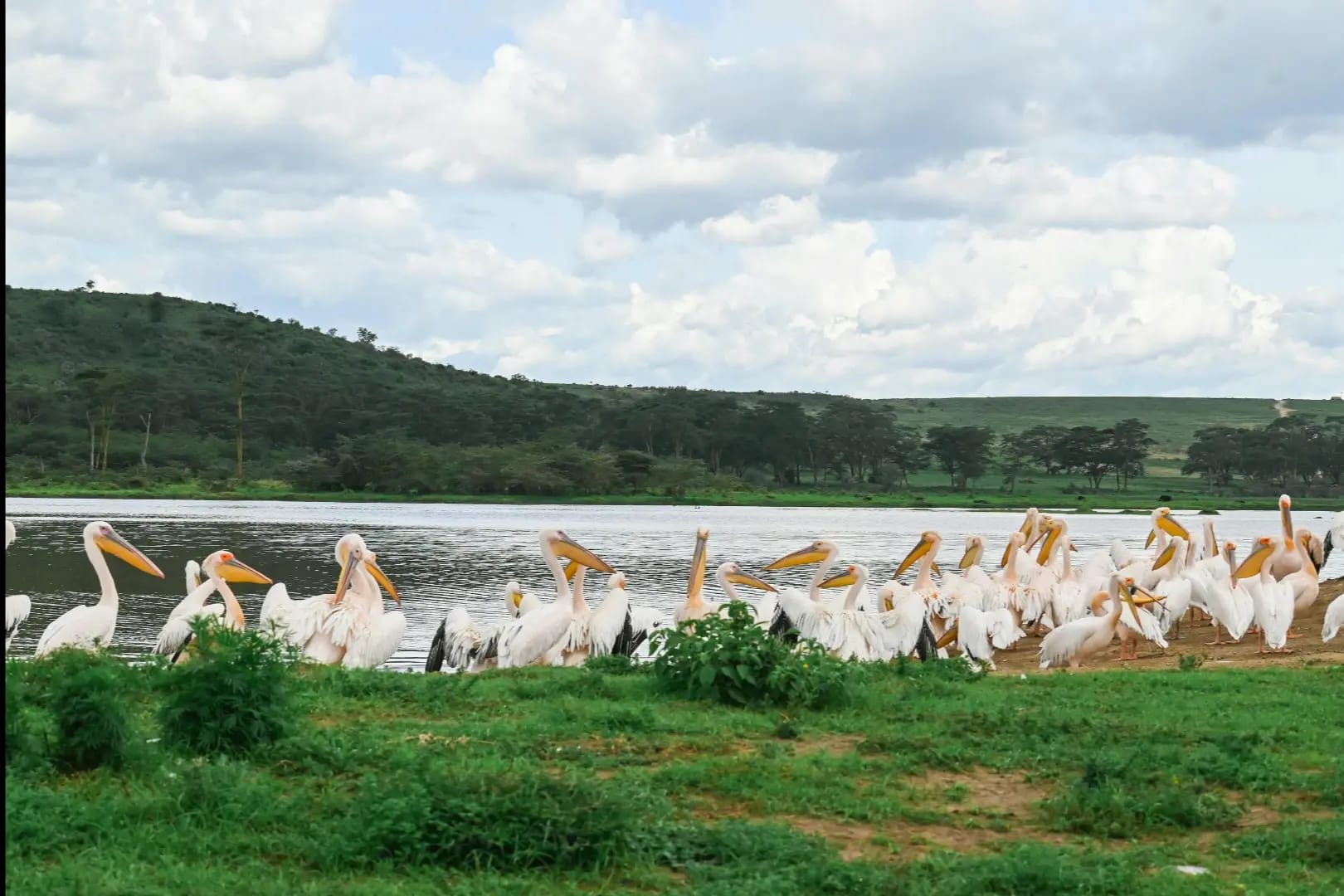
- Birdwatching : Tsavo is home to over 500 bird species, making it an excellent destination for birdwatching. Birds of prey, such as the African fish eagle and martial eagle, are often spotted around the park’s rivers and lakes.
- Chyulu Hills Hiking : For adventure seekers, the Chyulu Hills provide scenic trails and breathtaking views over Tsavo West, ideal for those interested in a more active safari experience.
💡 Travel Tips
How to Get There : Tsavo is accessible by road from Nairobi or Mombasa, both offering easy routes. There are also airstrips within the park for chartered flights. Coordinates : 2.7833° S, 38.4833° E.
Best Time to Visit : The dry season (June-October) is best for wildlife viewing, while the green season (November-May) offers lush scenery and better birdwatching.
What to Bring : Essentials include sunscreen, a camera with a zoom lens, binoculars, insect repellent, and plenty of water. Comfortable, neutral-colored clothing is recommended.
Accommodation : Tsavo offers various lodges, tented camps, and campsites inside the park, as well as accommodation options in nearby towns.
Best Time to Visit : The dry season (June-October) is best for wildlife viewing, while the green season (November-May) offers lush scenery and better birdwatching.
What to Bring : Essentials include sunscreen, a camera with a zoom lens, binoculars, insect repellent, and plenty of water. Comfortable, neutral-colored clothing is recommended.
Accommodation : Tsavo offers various lodges, tented camps, and campsites inside the park, as well as accommodation options in nearby towns.
🌱 Conservation Efforts
Tsavo National Park is deeply committed to conservation. Visitors are encouraged to follow responsible tourism practices to help protect this unique ecosystem. The park’s conservation efforts include anti-poaching patrols, habitat restoration, and partnerships with local communities. These efforts help safeguard Tsavo’s biodiversity and ensure future generations can enjoy its wild beauty.
Community Involvement : Tsavo partners with local communities to promote sustainable tourism and protect the park’s natural resources.
Wildlife Research and Monitoring : Research in Tsavo focuses on the health and behavior of key species, such as elephants and lions, to inform conservation strategies and manage the park’s ecosystems.
Community Involvement : Tsavo partners with local communities to promote sustainable tourism and protect the park’s natural resources.
Wildlife Research and Monitoring : Research in Tsavo focuses on the health and behavior of key species, such as elephants and lions, to inform conservation strategies and manage the park’s ecosystems.
✨ Conclusion
Tsavo National Park is a place of wonder and adventure, offering an authentic experience of Kenya’s untamed wilderness. From the iconic red elephants to the historic Mzima Springs and volcanic landscapes, Tsavo provides a diverse and thrilling safari experience. As a key player in conservation, Tsavo remains a symbol of Kenya’s natural heritage, inviting visitors to discover its beauty and contribute to its preservation.