Maasai Mara
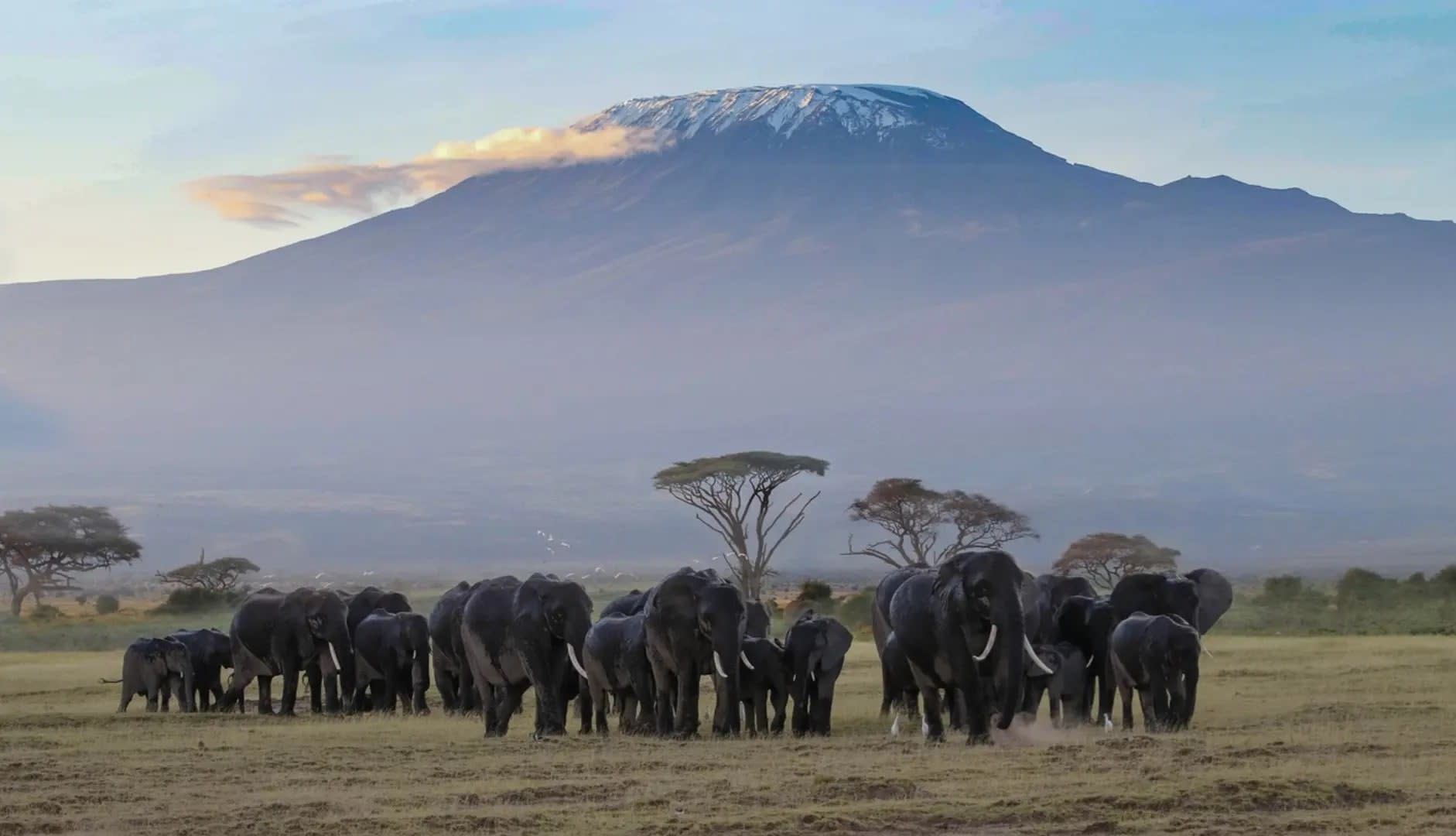
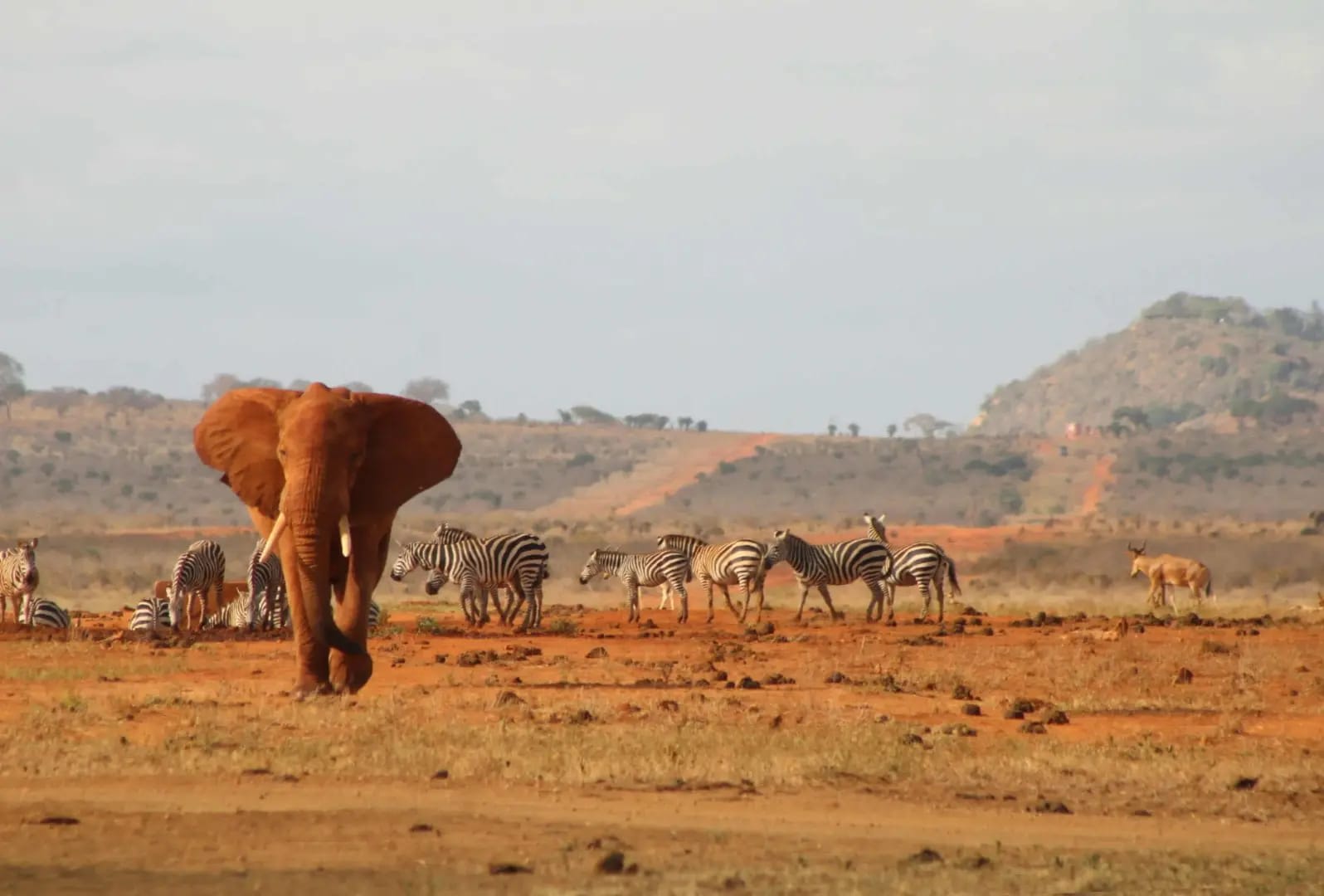
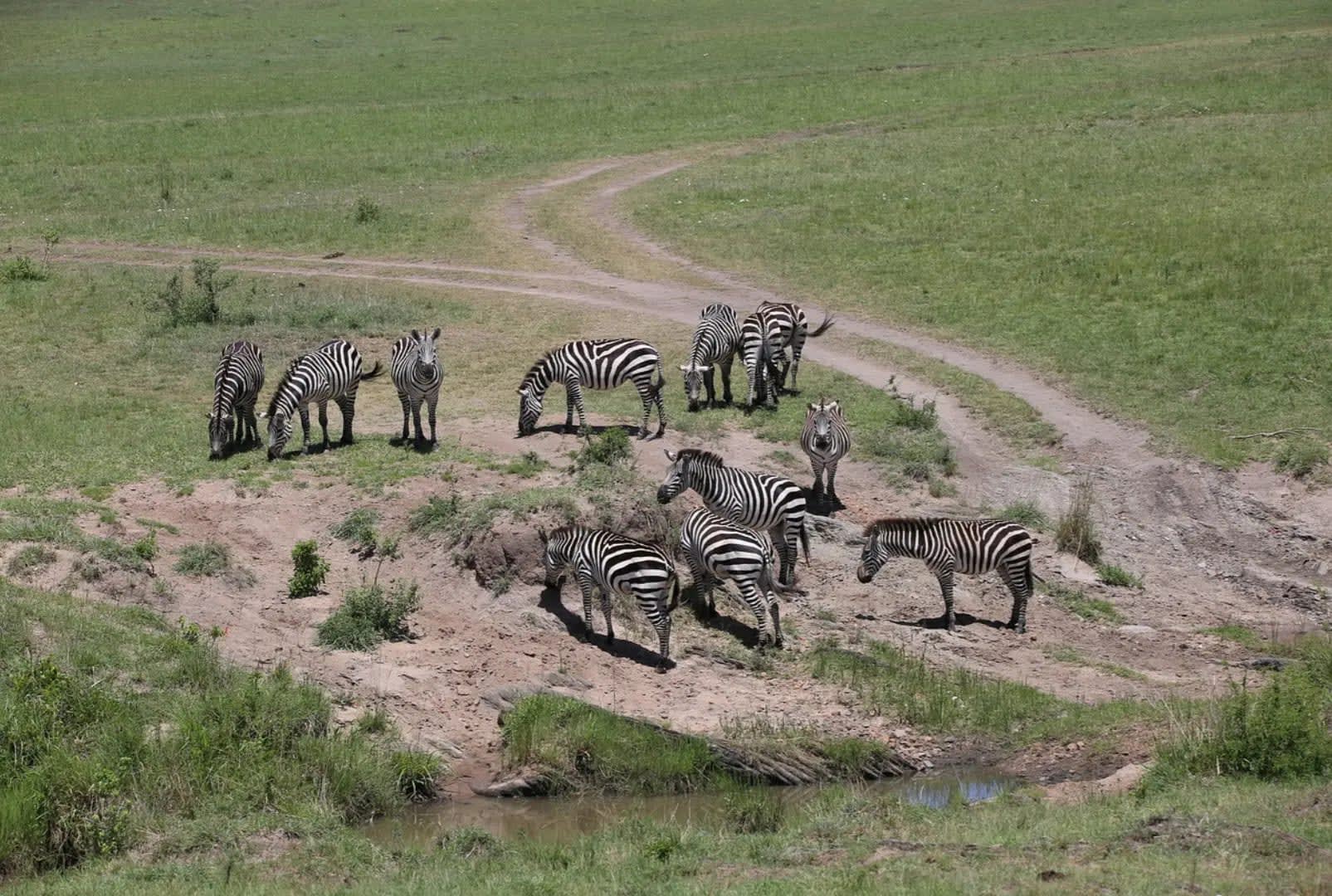
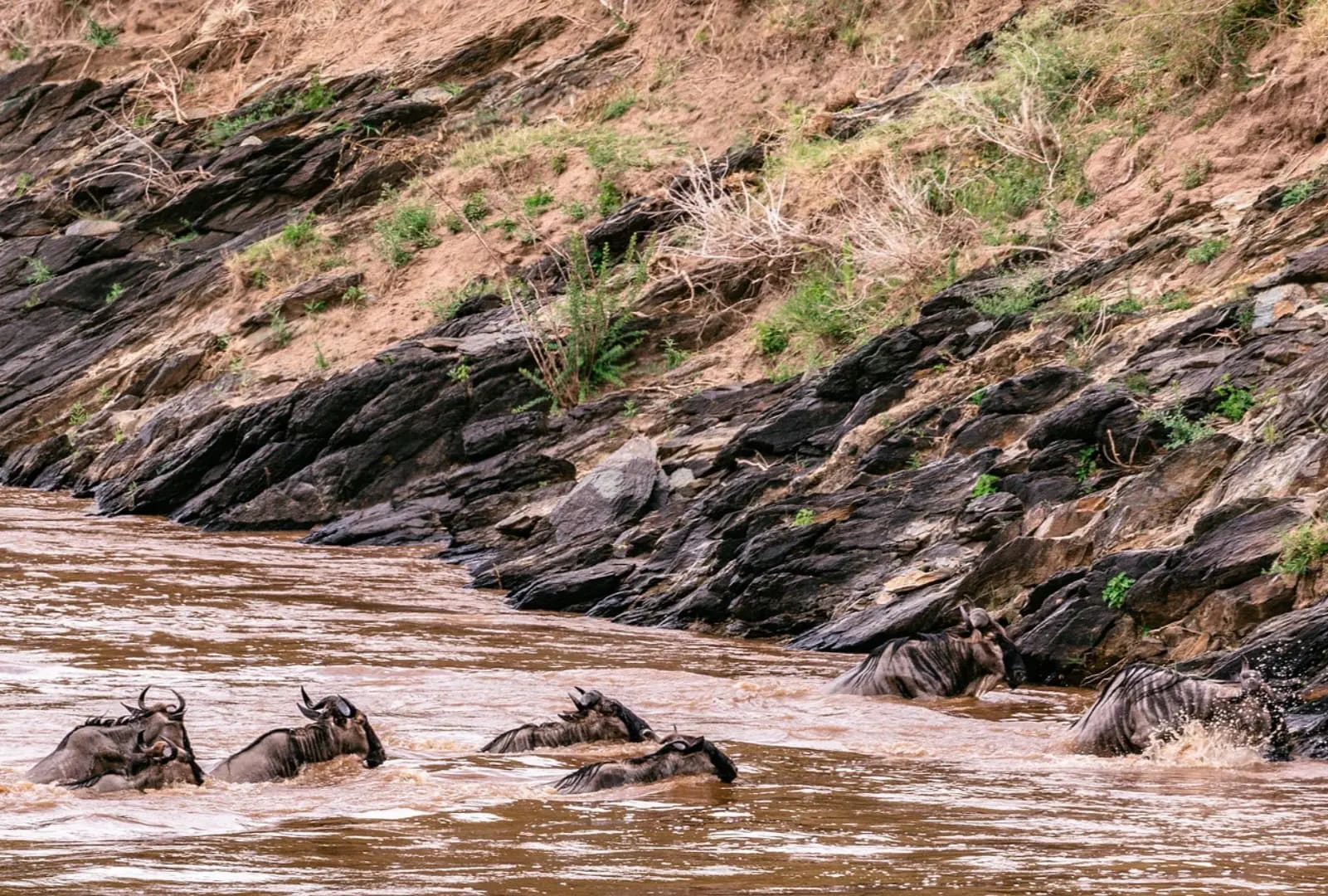
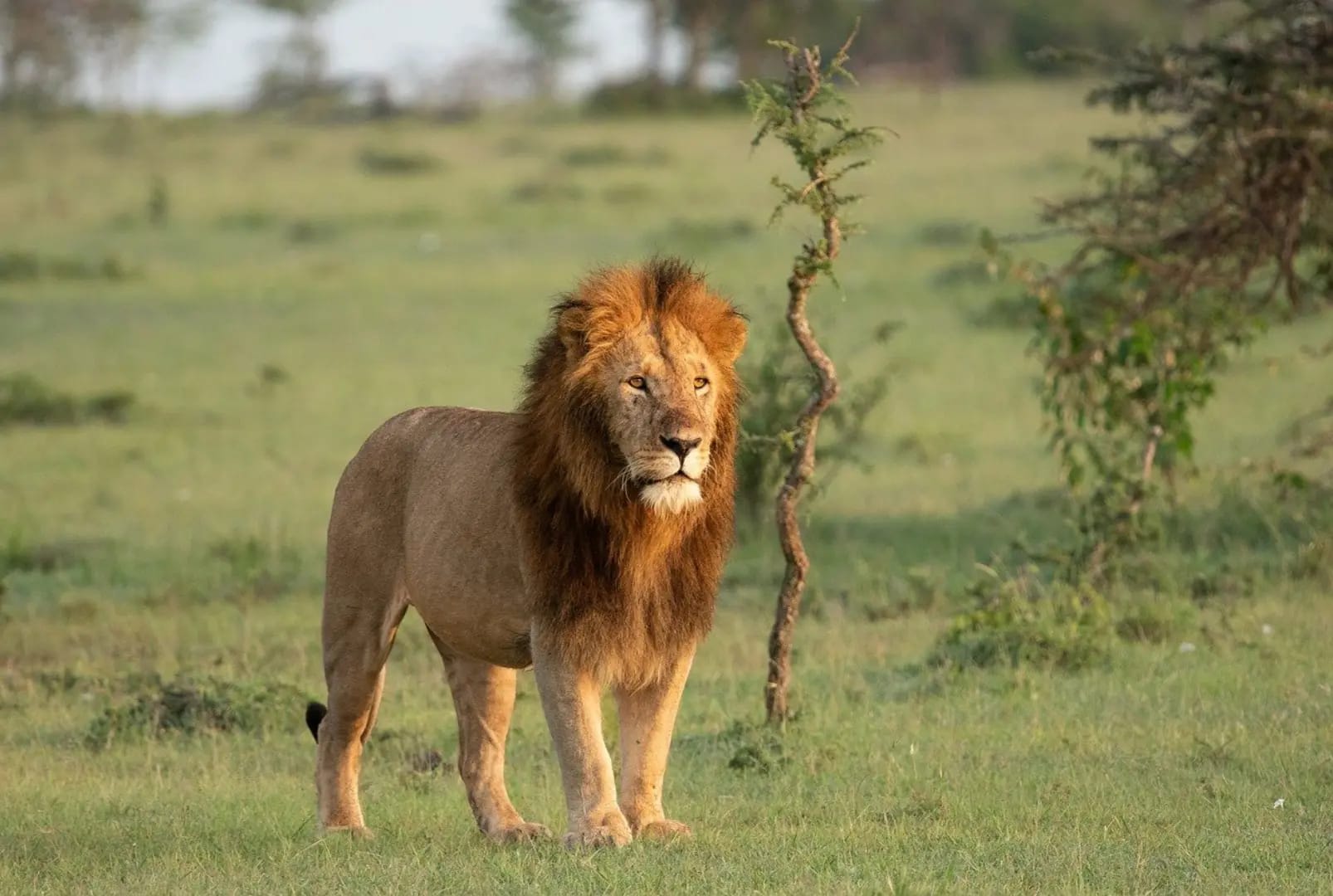
Welcome to the Maasai Mara National Reserve, a world-renowned wildlife sanctuary that embodies the heart of Kenya’s wilderness. Covering over 1,500 square kilometers of savannah and riverine forests, the Maasai Mara is a haven for Africa’s Big Five and countless other species. Each year, the reserve hosts the Great Migration, one of the most incredible natural events on earth, where millions of wildebeest, zebras, and gazelles journey in search of fresh grazing grounds. Visitors can explore the reserve on game drives, hot-air balloon safaris, and guided nature walks, immersing themselves in an unforgettable safari experience.
🌍 Geography and Natural Features
The Maasai Mara National Reserve is part of the greater Serengeti-Mara ecosystem and lies along Kenya’s southwestern border with Tanzania. Its landscapes are defined by open plains, rolling hills, and meandering rivers, providing a rich habitat for wildlife.
- Mara River : Flowing through the reserve, the Mara River is a lifeline for many species and a focal point of the Great Migration. It attracts crocodiles and hippos and provides dramatic crossings for migrating wildebeest and zebras.
- Grassland Plains : The reserve’s open grasslands support large herds of grazing animals, including wildebeest, zebras, and antelope, which in turn attract predators like lions, cheetahs, and hyenas.
- Woodlands : Scattered throughout the Mara, woodlands provide shade and cover for elephants, giraffes, and leopards. These wooded areas are home to a variety of birdlife and small mammals.
- Riverine Forests : The forests along the Mara and Talek rivers offer a lush environment where baboons, vervet monkeys, and various bird species thrive.
- Acacia-Dotted Hills : The hills around the Mara provide excellent vantage points for game viewing, as predators like lions often patrol these areas, taking advantage of the elevation.
📜 History and Cultural Significance
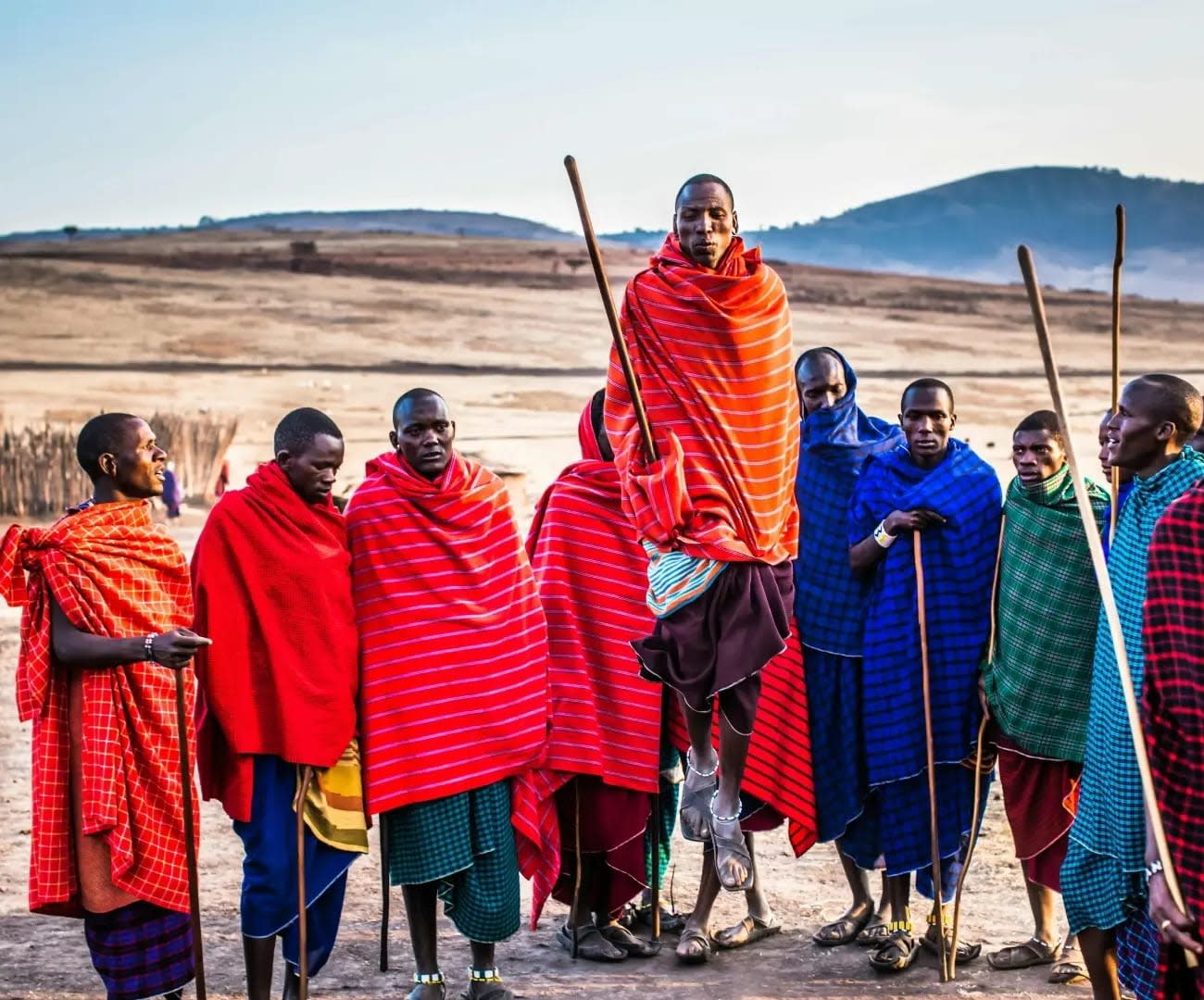
The Maasai Mara is not only a wildlife haven but also holds deep cultural significance for the Maasai people, who have coexisted with the region’s wildlife for centuries.
Maasai Heritage : Named after the Maasai people, the reserve reflects their traditional way of life and harmonious relationship with nature. The Maasai’s cultural practices, dress, and traditions add a unique dimension to the Maasai Mara experience.
Conservation History : Established in 1961, the reserve was initially created to protect the abundant wildlife from poaching and encroaching agricultural development. Today, the Maasai Mara is managed to ensure both ecological conservation and tourism, providing benefits to the local Maasai communities.
Partnerships and Conservation : Various conservation programs involve the Maasai community in sustainable tourism and wildlife protection, creating jobs and educational opportunities while preserving this natural heritage.
Maasai Heritage : Named after the Maasai people, the reserve reflects their traditional way of life and harmonious relationship with nature. The Maasai’s cultural practices, dress, and traditions add a unique dimension to the Maasai Mara experience.
Conservation History : Established in 1961, the reserve was initially created to protect the abundant wildlife from poaching and encroaching agricultural development. Today, the Maasai Mara is managed to ensure both ecological conservation and tourism, providing benefits to the local Maasai communities.
Partnerships and Conservation : Various conservation programs involve the Maasai community in sustainable tourism and wildlife protection, creating jobs and educational opportunities while preserving this natural heritage.
🏃 Activities and Attractions
The Maasai Mara offers a variety of activities that immerse visitors in Kenya’s incredible wildlife and landscapes.
- Game Drives : Game drives are the most popular way to explore the Maasai Mara, with expert guides helping visitors spot lions, elephants, cheetahs, and more. Early morning and late afternoon drives offer the best chances for sightings.
- Hot Air Balloon Safaris : A hot air balloon ride over the Maasai Mara at sunrise provides breathtaking views of the landscape and wildlife below, making for a once-in-a-lifetime experience.
- Guided Nature Walks : Walking safaris allow visitors to explore the reserve on foot, accompanied by Maasai guides who share their knowledge of the flora, fauna, and Maasai culture.
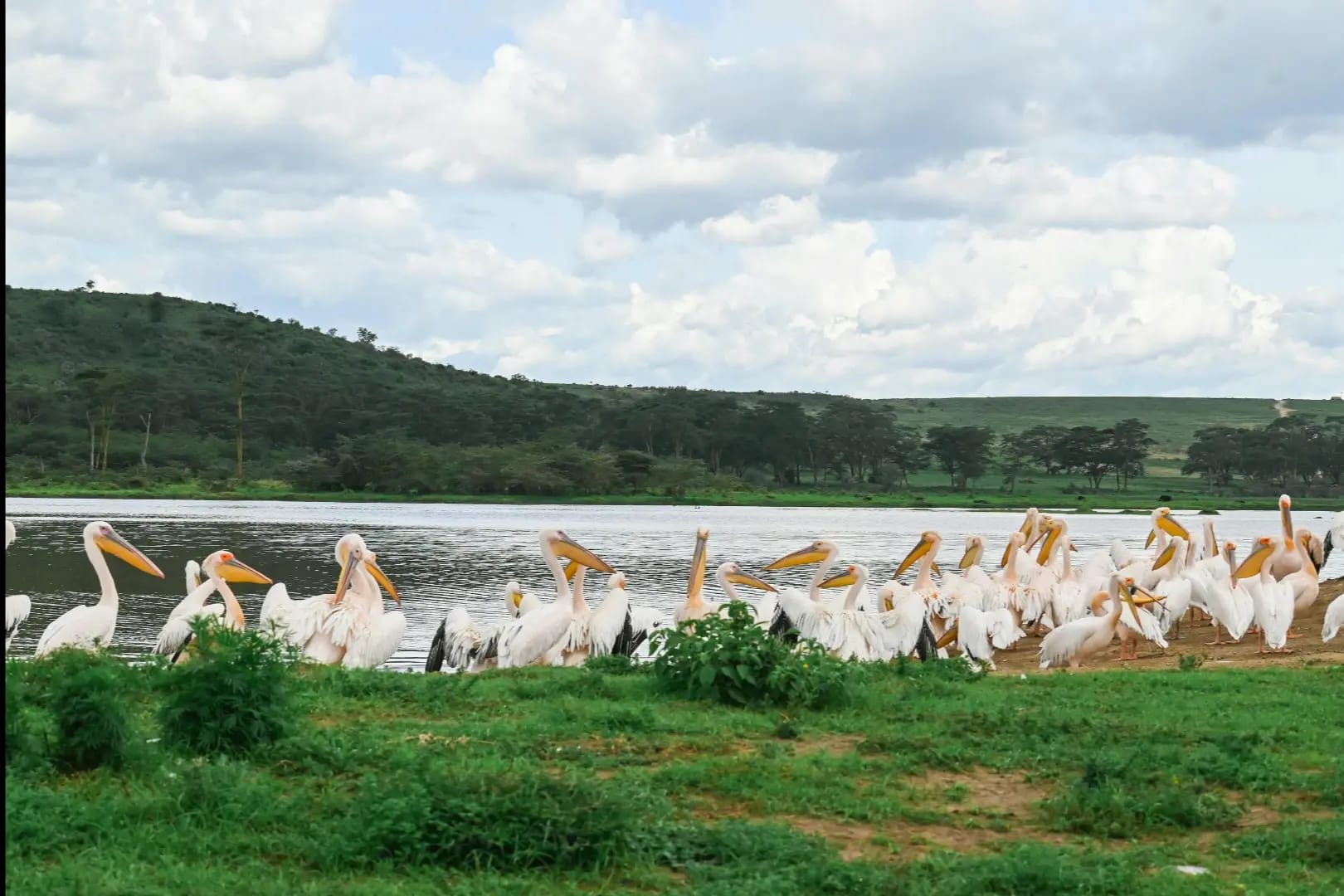
- Bird Watching : With over 450 bird species, including ostriches, eagles, and vultures, the Maasai Mara is a birdwatcher’s paradise.
- Cultural Visits : Visits to Maasai villages allow travelers to learn about the Maasai lifestyle, traditions, and customs, creating a deeper connection to the people who have shaped the Mara region.
💡 Travel Tips
How to Get There : The Maasai Mara can be accessed by road or by domestic flights from Nairobi. Flights are available to several airstrips within the reserve, offering a faster and more convenient option.
Best Time to Visit : The dry season from June to October is the best time for wildlife viewing, particularly for the Great Migration. However, the green season from November to May offers fewer crowds and lush landscapes.
What to Bring : Essentials include sunscreen, a hat, binoculars, a camera, and lightweight, neutral-colored clothing. A good pair of walking shoes and insect repellent are also recommended.
Accommodation Options : A variety of lodges and camps are available in the Maasai Mara, ranging from luxury safari lodges to budget-friendly tented camps, ensuring an option for every type of traveler.
Best Time to Visit : The dry season from June to October is the best time for wildlife viewing, particularly for the Great Migration. However, the green season from November to May offers fewer crowds and lush landscapes.
What to Bring : Essentials include sunscreen, a hat, binoculars, a camera, and lightweight, neutral-colored clothing. A good pair of walking shoes and insect repellent are also recommended.
Accommodation Options : A variety of lodges and camps are available in the Maasai Mara, ranging from luxury safari lodges to budget-friendly tented camps, ensuring an option for every type of traveler.
🌱 Conservation Efforts
Conservation in the Maasai Mara is essential to protect its unique ecosystems and ensure sustainable tourism.
Wildlife Protection : Conservation efforts aim to safeguard the reserve’s biodiversity by preventing poaching and preserving natural habitats.
Community Engagement : Local Maasai communities are actively involved in conservation through partnerships that promote eco-friendly practices and provide economic benefits.
Research Initiatives : Ongoing research in the reserve focuses on understanding the behaviors of the Big Five and the Great Migration, contributing to better management and conservation strategies.
Wildlife Protection : Conservation efforts aim to safeguard the reserve’s biodiversity by preventing poaching and preserving natural habitats.
Community Engagement : Local Maasai communities are actively involved in conservation through partnerships that promote eco-friendly practices and provide economic benefits.
Research Initiatives : Ongoing research in the reserve focuses on understanding the behaviors of the Big Five and the Great Migration, contributing to better management and conservation strategies.
✨ Conclusion
The Maasai Mara National Reserve offers an exceptional opportunity to witness Kenya’s rich wildlife and connect with Maasai culture. From the Great Migration to close encounters with lions and elephants, a visit to the Maasai Mara is a life-changing experience that celebrates the beauty and resilience of Africa’s wilderness. It’s a destination where visitors can appreciate the delicate balance of nature and the importance of conserving this remarkable ecosystem for future generations.