Lake Nakuru
Nestled in the Rift Valley, Lake Nakuru National Park is a celebrated destination for nature lovers and wildlife enthusiasts alike. Known for the shimmering pink flocks of flamingos that gather along its shores, Lake Nakuru is home to diverse ecosystems that range from woodlands to grasslands. The park provides habitat for a variety of species, including endangered rhinos, and is recognized worldwide as one of Kenya’s top birdwatching locations. The breathtaking landscapes and abundance of wildlife make Lake Nakuru National Park a must-visit.
🌍 Geography and Natural Features
Lake Nakuru National Park spans approximately 73 square miles around Lake Nakuru, a shallow soda lake in the Rift Valley. The park encompasses various landscapes, including grasslands, acacia forests, and rocky escarpments, supporting diverse wildlife. The lake’s high alkalinity attracts huge numbers of flamingos and other waterbirds, while the surrounding savanna and woodland provide habitats for mammals and reptiles.
- Lake Nakuru : The lake’s saline waters create a unique environment for algae, which attracts flamingos and other waterbirds. The sight of thousands of flamingos along the shore is iconic and creates a vibrant spectacle.
- Acacia Forests : These dense woodlands provide habitat for a range of wildlife, including baboons, leopards, and buffalo. The trees offer shade and shelter, creating a cool retreat within the park.
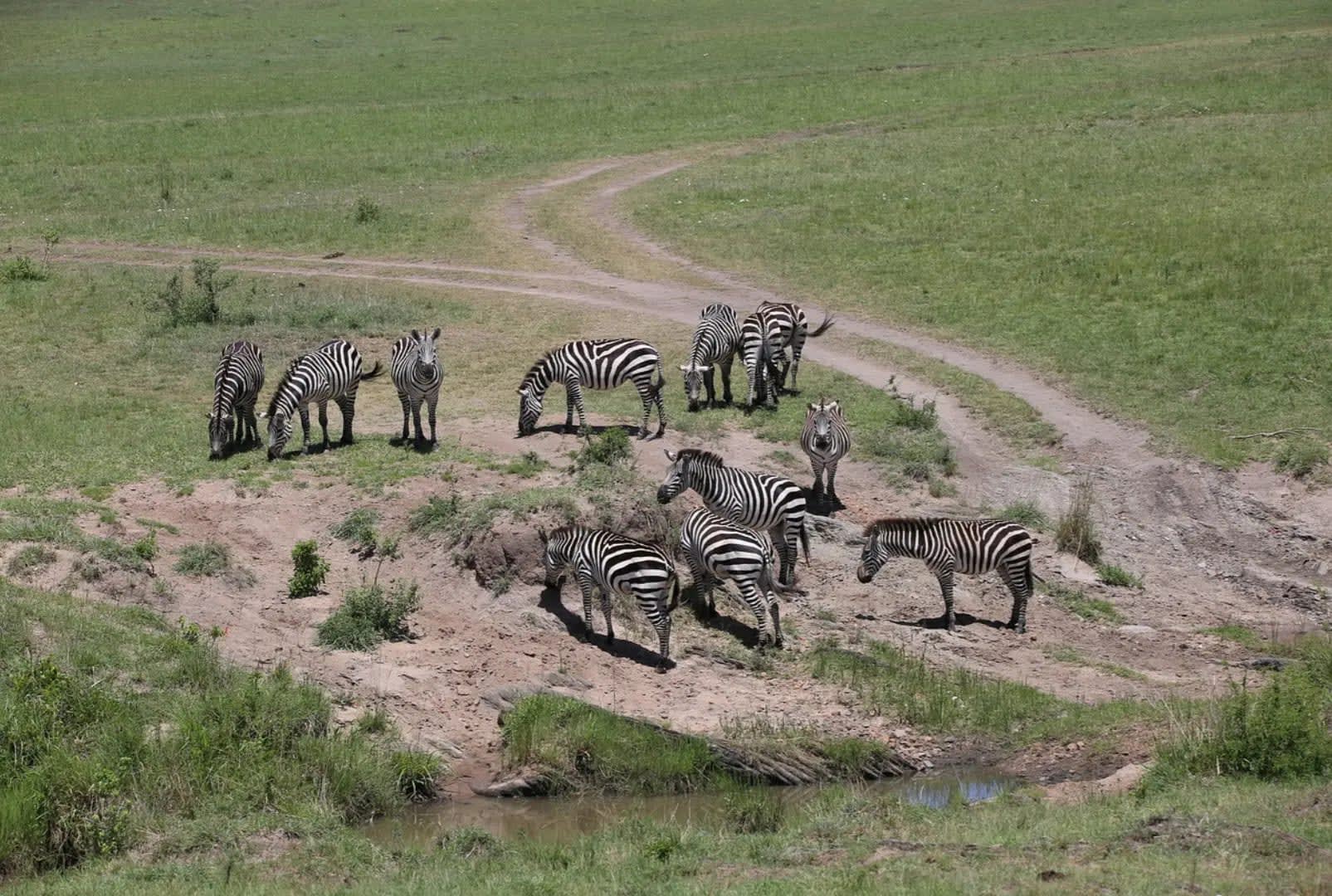
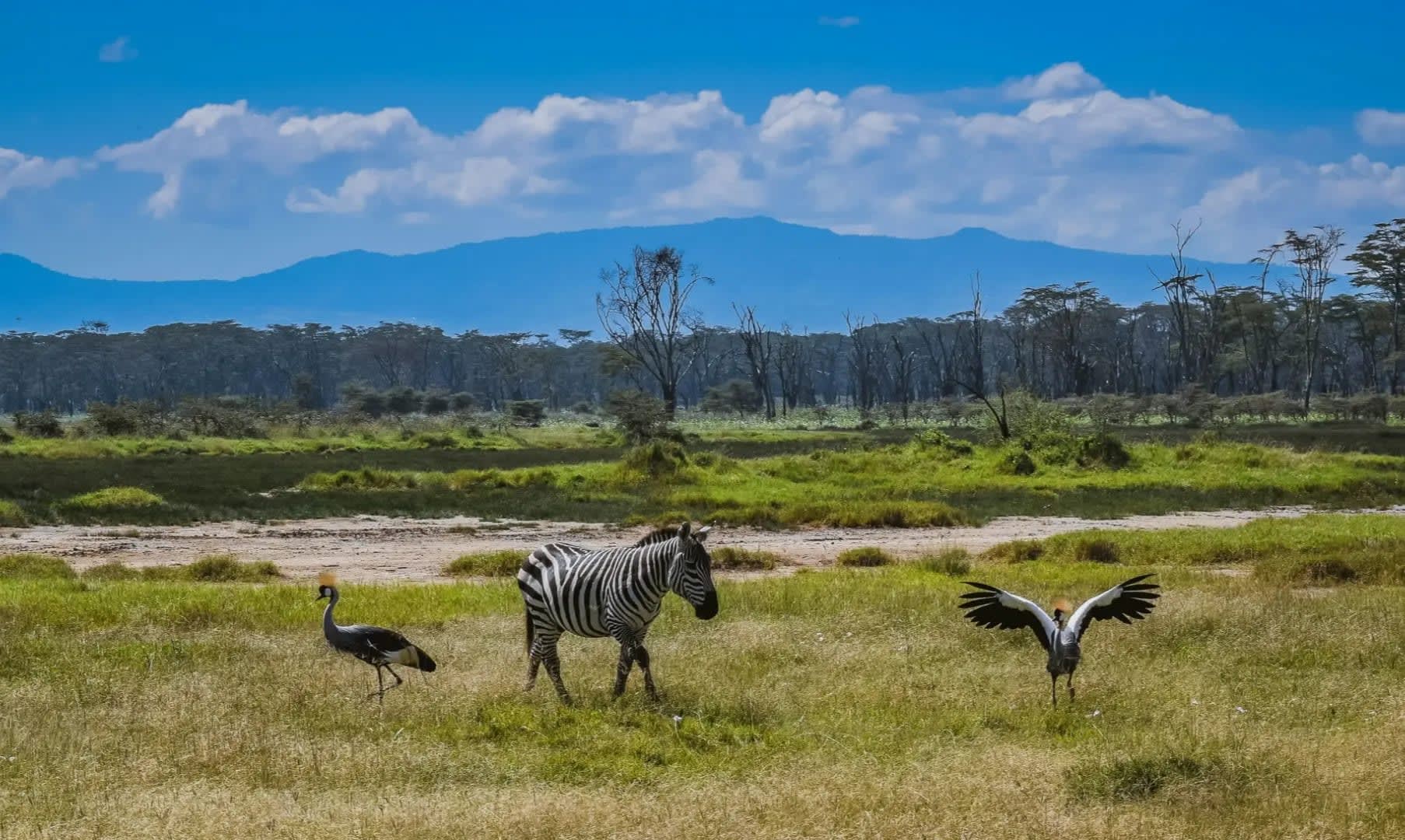
- Grasslands : The open savanna and grasslands of Lake Nakuru are ideal for spotting herbivores like zebras, gazelles, and the endangered Rothschild giraffe. These plains are also a hunting ground for predators like lions.
- Cliffs and Escarpments : The rocky escarpments and cliffs offer panoramic views over the park and lake, making them perfect for photography. These high points also serve as habitats for birds of prey, such as eagles and vultures.
- Seasonal Waterfalls : The park is dotted with small waterfalls that provide a refreshing addition to the scenery, especially during the rainy season. These areas are popular among visitors looking to take in the park’s tranquil beauty.
📜 History and Cultural Significance
Lake Nakuru National Park was established in 1961 as a bird sanctuary and later expanded to protect more wildlife, including rhinos. The park plays a key role in conservation efforts, especially for endangered species like the Rothschild giraffe and the black and white rhinos. Conservation organizations and the Kenya Wildlife Service work tirelessly to protect the park’s unique ecosystems and iconic species, ensuring the park remains a sanctuary for wildlife.
Rothschild Giraffe Sanctuary : Lake Nakuru is home to the rare Rothschild giraffe, a subspecies with distinctive white lower legs. Conservation efforts have helped the population thrive within the park.
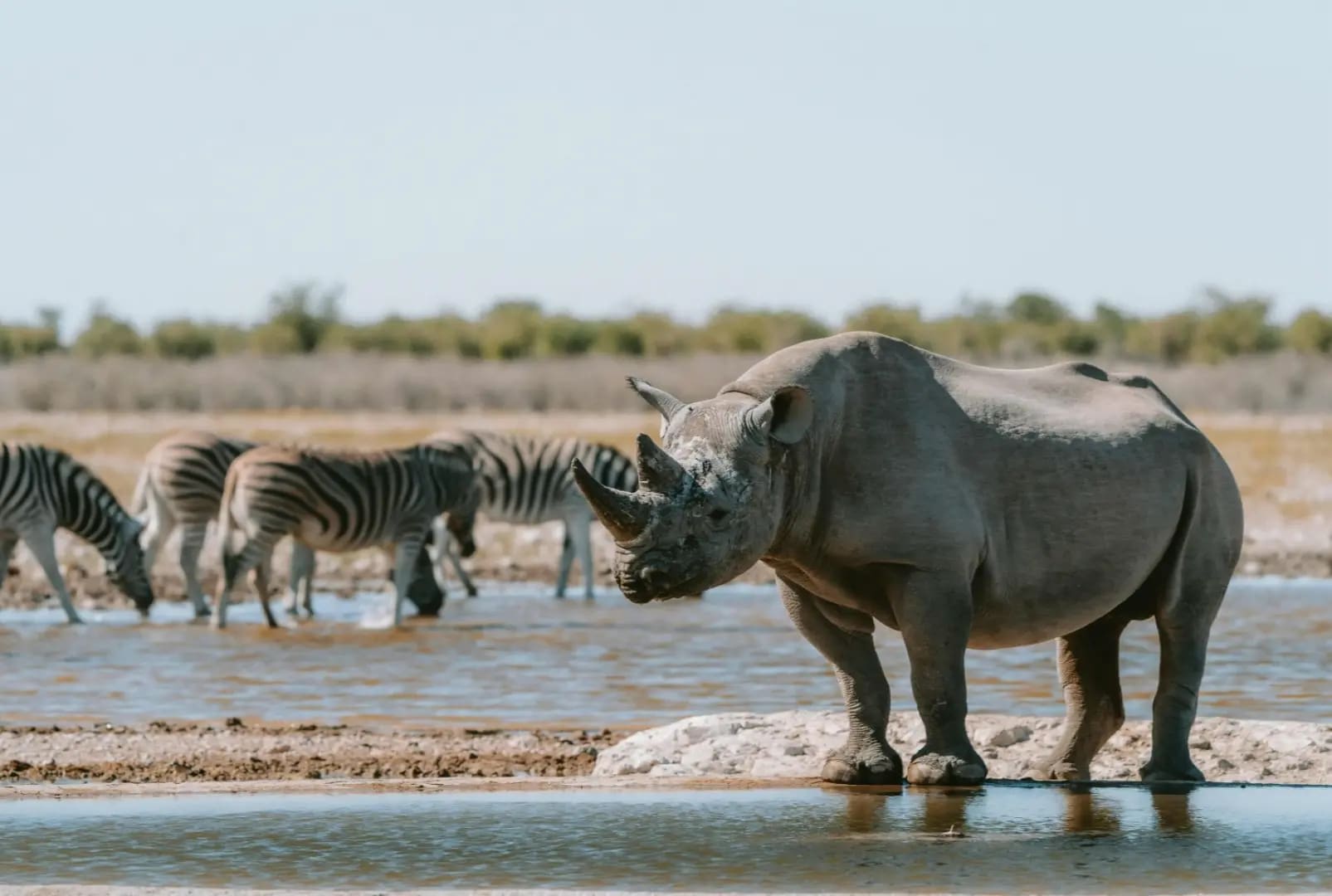
Rhino Conservation : The park is an important rhino sanctuary, housing both black and white rhinos. Intensive monitoring and security measures have been implemented to protect these vulnerable species from poaching.
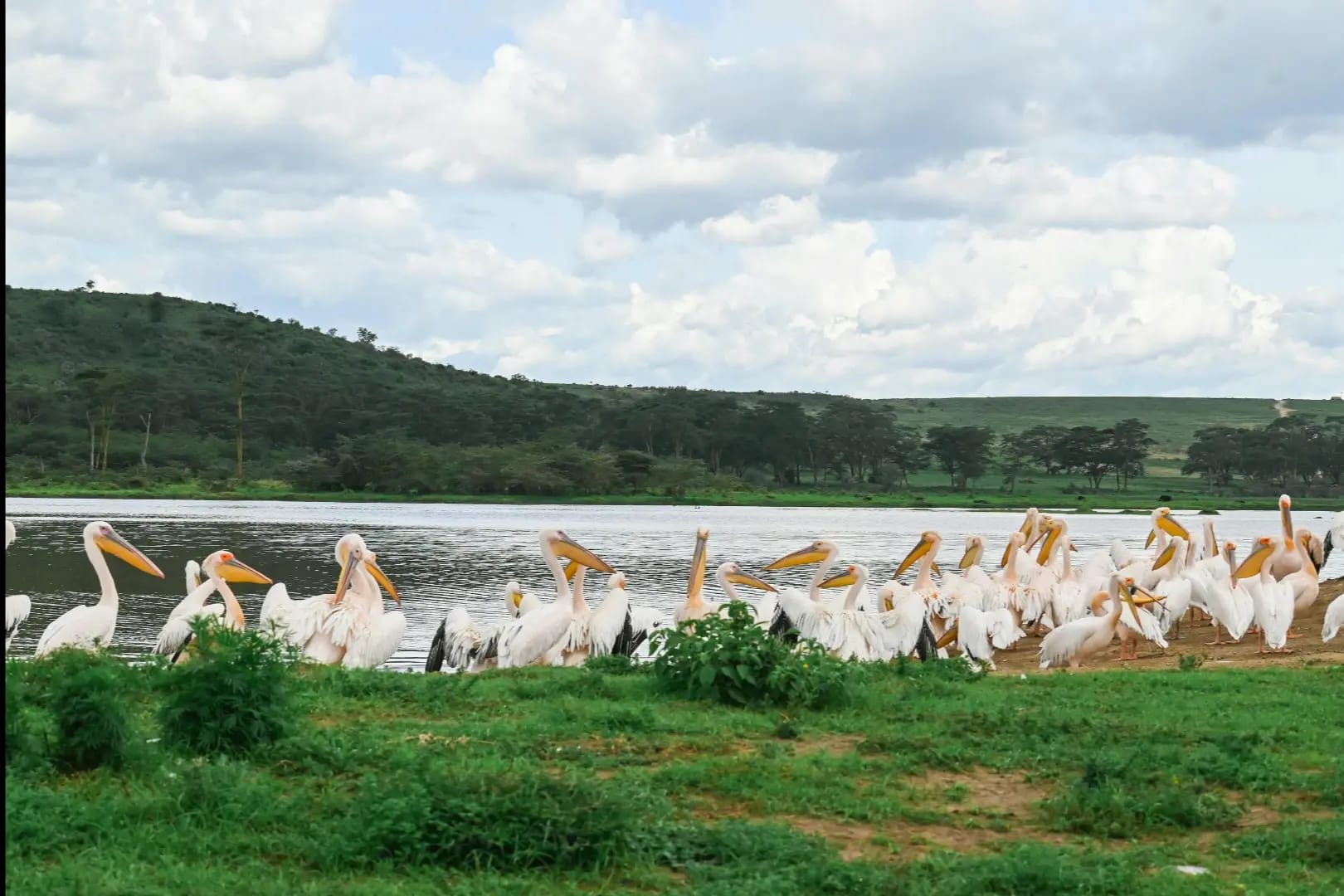
Bird Sanctuary Status : Originally protected as a bird sanctuary, the park continues to be a vital refuge for over 450 bird species, including pelicans, storks, and flamingos.
Rothschild Giraffe Sanctuary : Lake Nakuru is home to the rare Rothschild giraffe, a subspecies with distinctive white lower legs. Conservation efforts have helped the population thrive within the park.
Rhino Conservation : The park is an important rhino sanctuary, housing both black and white rhinos. Intensive monitoring and security measures have been implemented to protect these vulnerable species from poaching.
Bird Sanctuary Status : Originally protected as a bird sanctuary, the park continues to be a vital refuge for over 450 bird species, including pelicans, storks, and flamingos.
🏃 Activities and Attractions
Lake Nakuru National Park offers visitors a chance to engage with nature through various activities, from safari drives to birdwatching and scenic viewpoints.
- Birdwatching : With its incredible variety of bird species, Lake Nakuru is a paradise for birdwatchers. The lake’s shoreline is particularly popular for spotting flamingos, pelicans, and numerous migratory species.
- Game Drives : The park offers exciting game drives with opportunities to see rhinos, buffalo, lions, and leopards in their natural habitats. Driving through the park’s diverse landscapes provides a rich safari experience.
- Photography : Lake Nakuru’s breathtaking views, wildlife, and seasonal flamingo gatherings make it ideal for photography. The Baboon Cliff viewpoint is particularly famous for its panoramic views of the lake and surrounding park.
- Scenic Viewpoints : The park has designated viewpoints, like Lion Hill and Baboon Cliff, which offer stunning vistas over Lake Nakuru and its surroundings.
- Walking Trails : While limited within the park, guided walks in designated areas provide a closer look at the unique flora and smaller wildlife species.
💡 Travel Tips
How to Get There : Lake Nakuru National Park is about a two-hour drive from Nairobi. The nearest town is Nakuru, offering accommodation and amenities. Coordinates : 0.3667° S, 36.0833° E. Many safari packages include transport from Nairobi to Nakuru.
Best Time to Visit : The dry seasons (June-September and January-February) are best for wildlife viewing, while the rainy seasons (March-May and October-December) bring lush scenery and peak flamingo populations.
What to Bring : Essentials include a good camera, binoculars, sun protection, and comfortable clothing. During the rainy season, pack waterproof gear.
Accommodation : Nearby Nakuru town offers various accommodations, from lodges to budget options. Inside the park, there are eco-lodges and campsites for those looking to stay close to nature.
Best Time to Visit : The dry seasons (June-September and January-February) are best for wildlife viewing, while the rainy seasons (March-May and October-December) bring lush scenery and peak flamingo populations.
What to Bring : Essentials include a good camera, binoculars, sun protection, and comfortable clothing. During the rainy season, pack waterproof gear.
Accommodation : Nearby Nakuru town offers various accommodations, from lodges to budget options. Inside the park, there are eco-lodges and campsites for those looking to stay close to nature.
🌱 Conservation Efforts
Conservation is a primary focus in Lake Nakuru National Park. Visitors are encouraged to follow eco-friendly practices, respect wildlife habitats, and adhere to park regulations to minimize their impact. Conservation efforts here target habitat restoration, anti-poaching, and the protection of endangered species, with support from both local communities and international partners.
Community Involvement : Conservation programs actively involve local communities to ensure sustainable practices and provide education on wildlife protection.
Research and Monitoring : Ongoing research efforts help monitor the health of the park’s ecosystems and guide conservation strategies. Studies on flamingo populations, water quality, and wildlife movements are critical for maintaining the park’s biodiversity.
Community Involvement : Conservation programs actively involve local communities to ensure sustainable practices and provide education on wildlife protection.
Research and Monitoring : Ongoing research efforts help monitor the health of the park’s ecosystems and guide conservation strategies. Studies on flamingo populations, water quality, and wildlife movements are critical for maintaining the park’s biodiversity.
✨ Conclusion
Lake Nakuru National Park is a remarkable destination that offers visitors a unique opportunity to experience Kenya’s diverse landscapes and abundant wildlife. From the vibrant flocks of flamingos to the rich savanna and forest ecosystems, Lake Nakuru is a testament to the beauty and importance of conservation. Whether you’re observing the wildlife, enjoying the scenic views, or learning about conservation efforts, a visit to Lake Nakuru is an unforgettable experience that showcases the natural heritage of Kenya.