Amboseli National Park
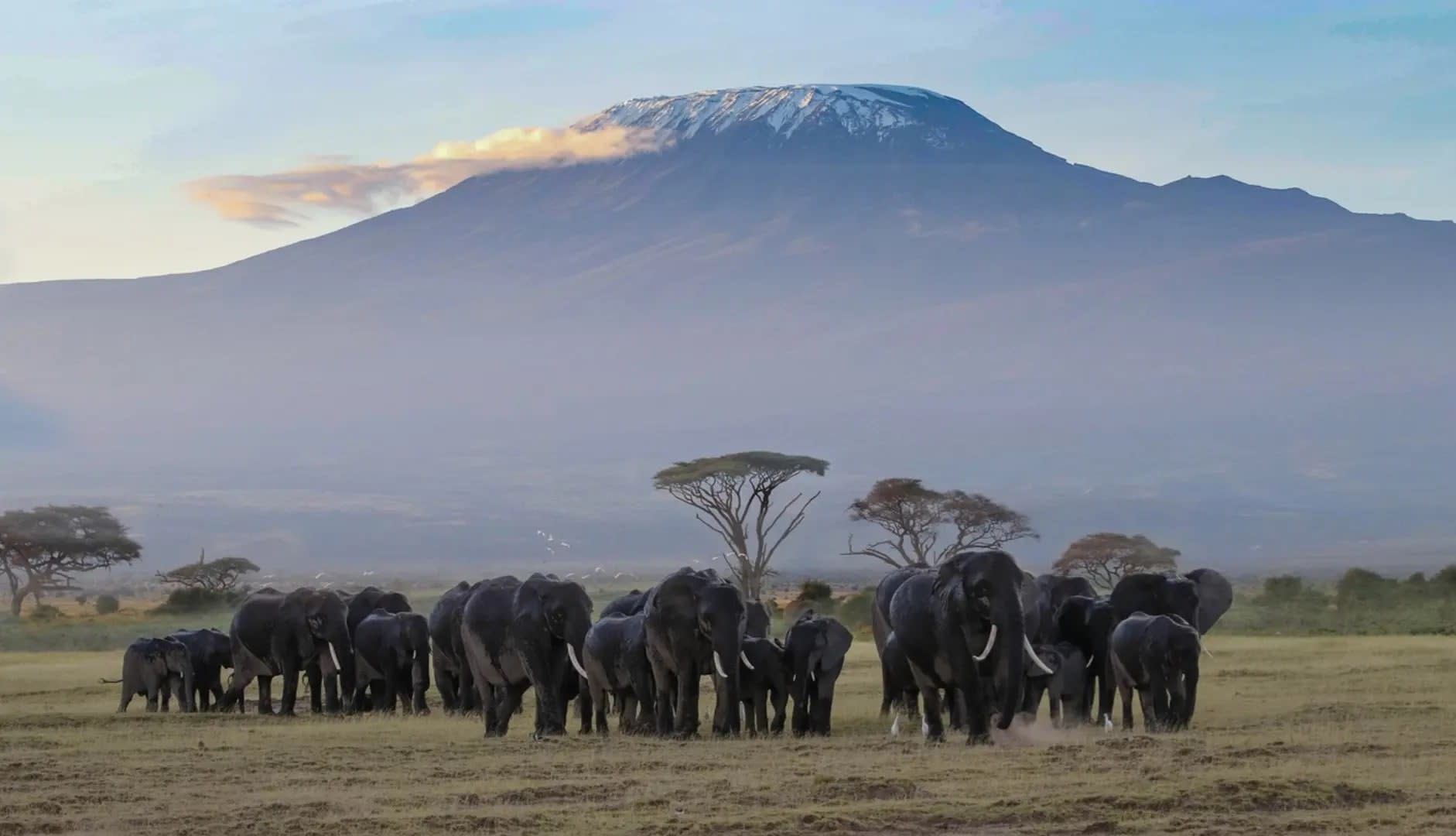
Located in southern Kenya near the Tanzania border, Amboseli National Park is a celebrated natural haven that attracts visitors from around the world. With expansive savannas, lush swamps, and unforgettable views of Mount Kilimanjaro, Amboseli offers a true African safari experience. It’s renowned for its large herds of elephants, scenic landscapes, and diverse wildlife. For anyone seeking a profound connection with nature, Amboseli provides a remarkable mix of natural beauty, cultural significance, and iconic wildlife sightings.
🌍 Geography and Natural Features
Amboseli National Park spans over 39,000 acres, lying within the Amboseli Basin with Mount Kilimanjaro as a stunning backdrop. The park’s landscape is composed of wide open plains, swamps, woodlands, and seasonal lakes, supporting a diverse range of flora and fauna. This unique terrain is shaped by volcanic activity from Kilimanjaro and seasonal rains that sustain its ecosystems.
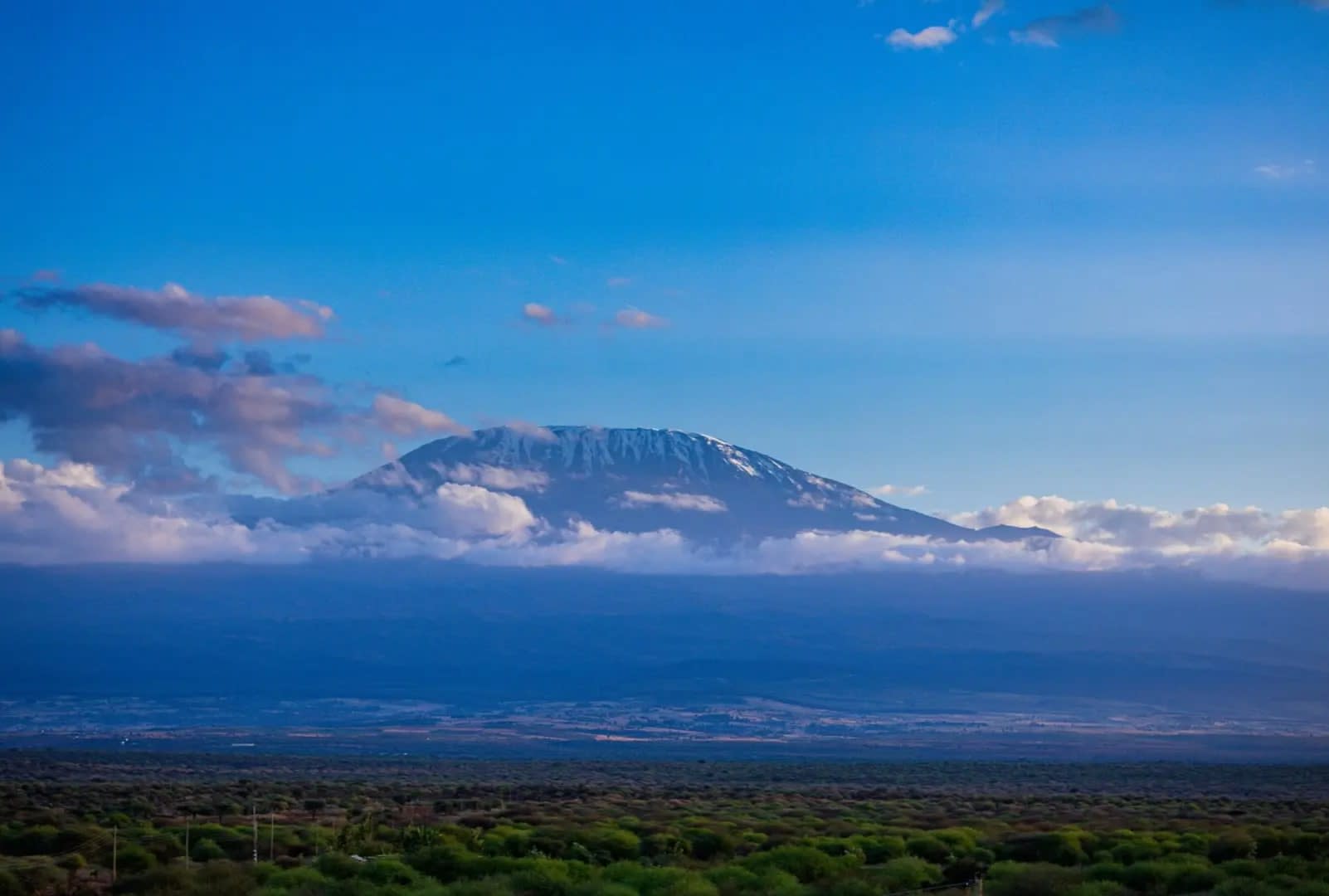
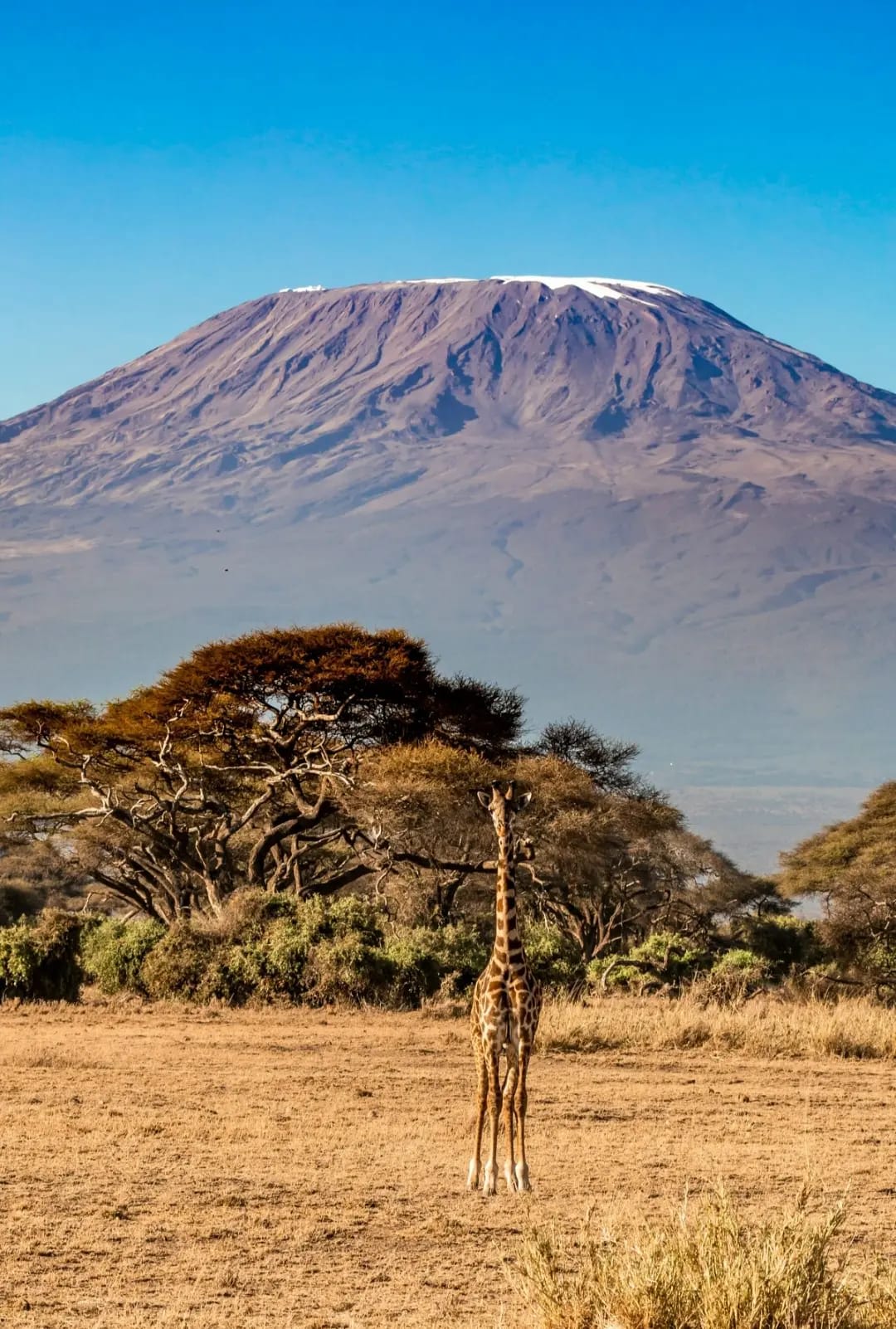
- Mount Kilimanjaro Views : Rising majestically in the background, Kilimanjaro is Africa’s highest peak, offering a spectacular setting for Amboseli. The mountain’s snow-capped summit, visible from the park, adds a magical element to the landscape.
- Swamps : Amboseli’s swamps are crucial to its ecosystem, sustaining a year-round water supply that attracts a variety of wildlife, especially during dry seasons. They are home to numerous bird species, hippos, and elephants, and create a verdant contrast to the arid surroundings.
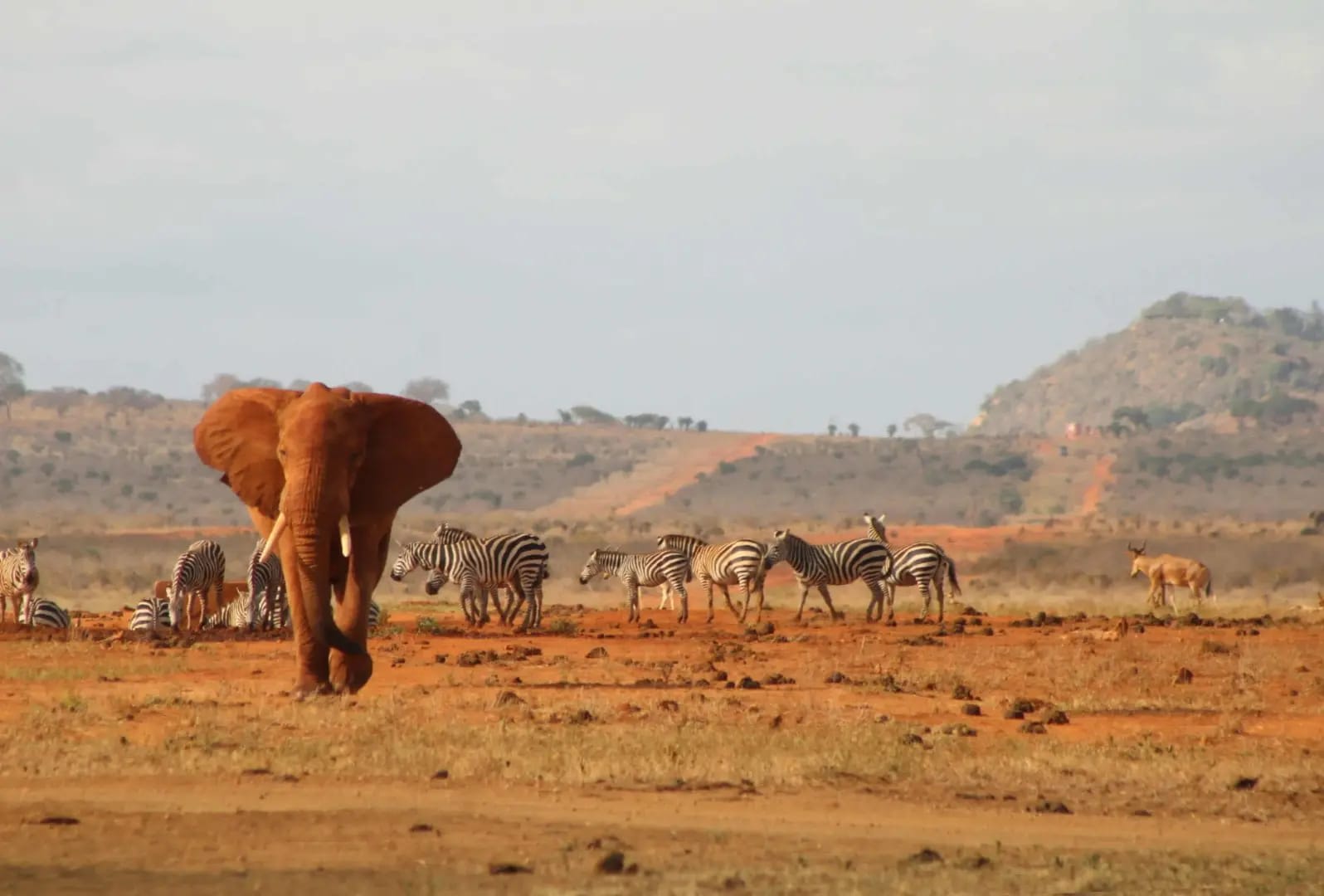
- Open Plains : The park’s open savannas are ideal for spotting large herds of elephants, antelopes, and predators. This grassland environment offers sweeping views, making it a favorite spot for photographers.
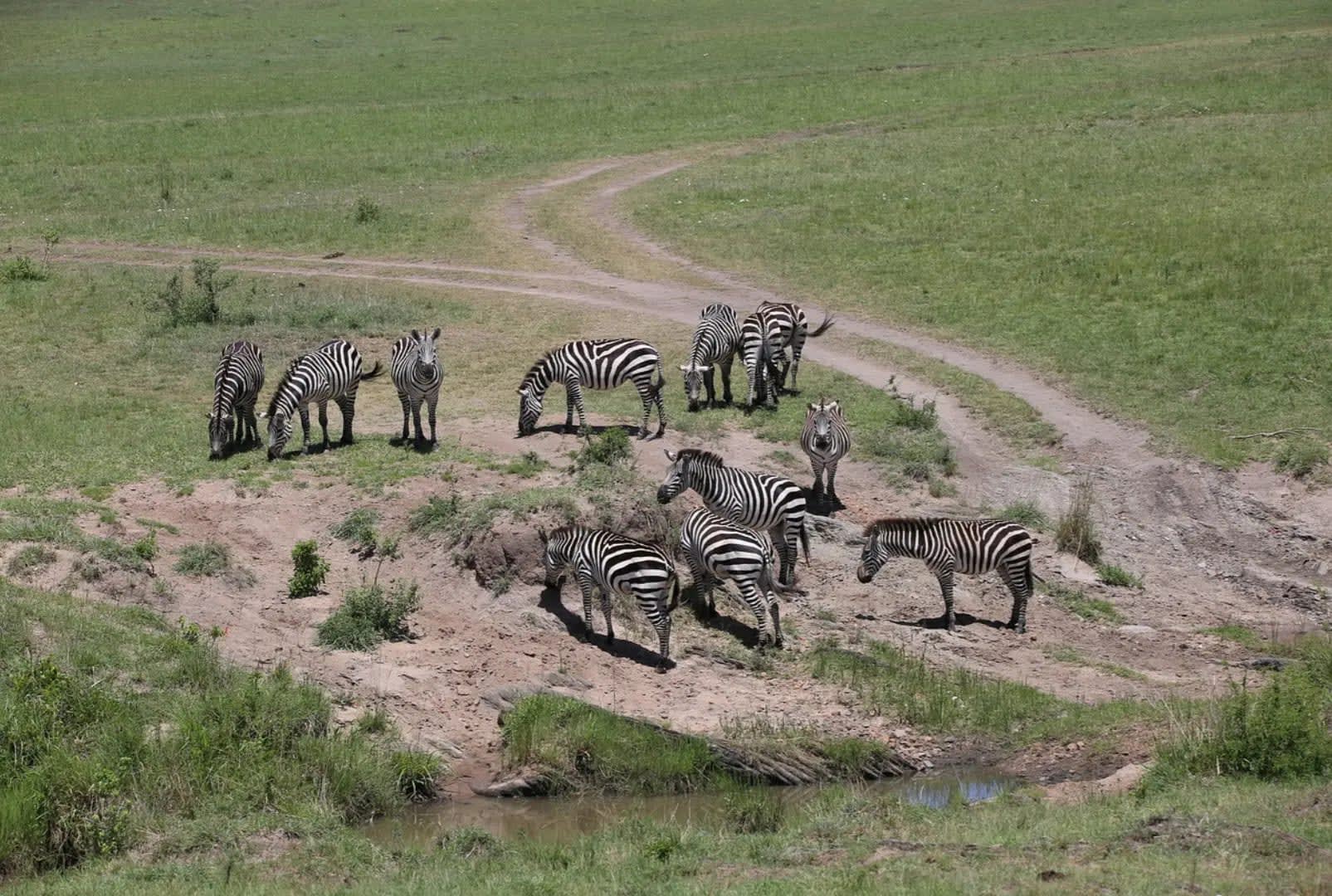
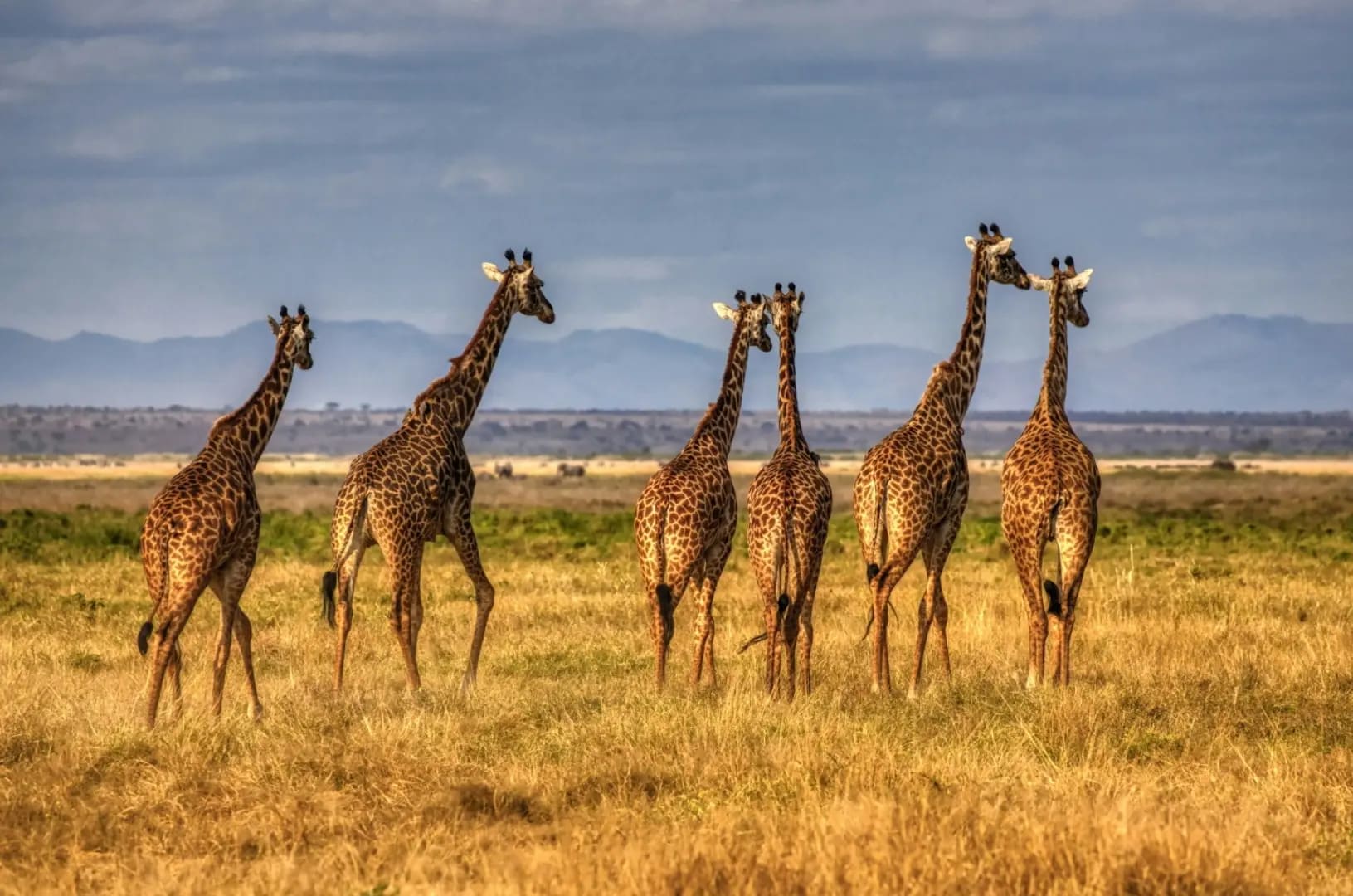
- Woodlands : Scattered acacia woodlands provide shade and shelter for many species. These areas support giraffes, zebras, and a range of bird species, adding to Amboseli’s diverse habitats.
- Seasonal Lakes and Salt Pans : During the rainy season, the Amboseli Basin fills with water, creating shallow lakes that draw in waterbirds like flamingos. As they dry, the salt pans remain, creating a striking white landscape in the dry season.
📜 History and Cultural Significance
Established as a national park in 1974, Amboseli has long been a sacred land for the Maasai people, who continue to coexist with the park’s ecosystems. This area has a rich cultural history tied to Maasai traditions and ways of life. The park is named after the Maasai word ‘Empusel,’ meaning ‘salty dust,’ reflecting the arid landscapes. Conservation efforts in Amboseli are ongoing, with collaborations between the Kenyan government and local communities.
The Maasai Community : The Maasai people have traditionally inhabited the Amboseli area, and their culture remains a central aspect of the park. They respect and protect the land, and their pastoral lifestyle coexists with the region’s wildlife.
Conservation Efforts : Amboseli faces challenges from human-wildlife conflicts and habitat loss. Conservation initiatives focus on promoting sustainable tourism, engaging the Maasai community, and protecting the park’s biodiversity through partnerships with conservation organizations.
The Maasai Community : The Maasai people have traditionally inhabited the Amboseli area, and their culture remains a central aspect of the park. They respect and protect the land, and their pastoral lifestyle coexists with the region’s wildlife.
Conservation Efforts : Amboseli faces challenges from human-wildlife conflicts and habitat loss. Conservation initiatives focus on promoting sustainable tourism, engaging the Maasai community, and protecting the park’s biodiversity through partnerships with conservation organizations.
🏃 Activities and Attractions
Amboseli offers a rich safari experience, with opportunities for wildlife viewing, cultural encounters, and photography. The park’s variety of landscapes ensures that there’s something for every visitor to enjoy.
- Game Drives : Amboseli is famous for its elephant herds, which can be easily spotted in the open plains. Game drives offer a chance to see lions, cheetahs, zebras, and a range of bird species in their natural habitat.
- Photography : Amboseli’s open landscapes and Kilimanjaro’s backdrop make it one of the best places for wildlife photography. Early morning and sunset are especially popular times for capturing memorable shots.
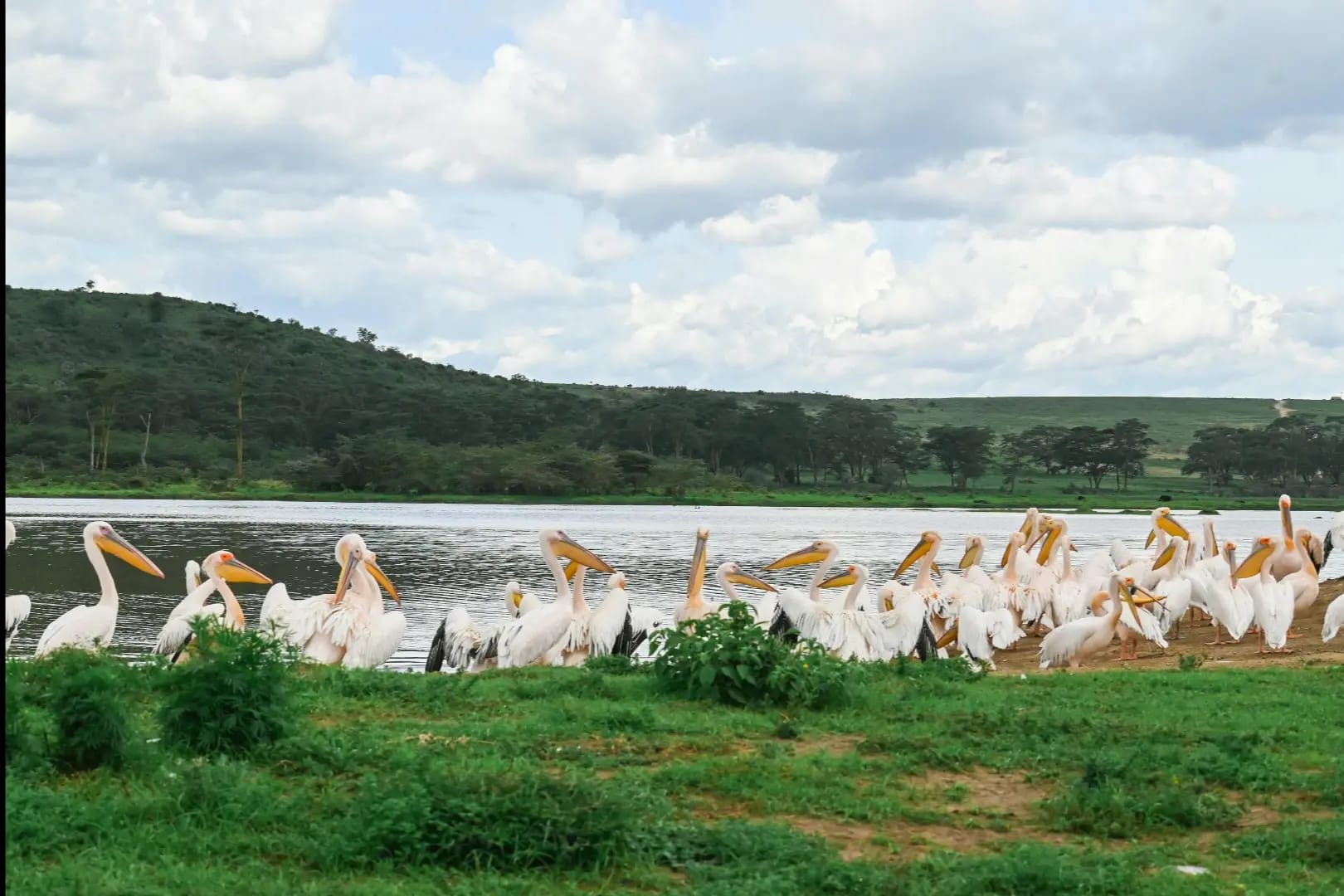
- Birdwatching : With over 400 bird species, including pelicans, herons, and eagles, Amboseli is a birdwatcher’s paradise, particularly near the swamps and seasonal lakes.
- Maasai Cultural Tours : Visitors have the opportunity to learn about Maasai culture and traditions through organized village tours. These tours provide insight into the Maasai way of life and their coexistence with wildlife.
- Guided Walks : Although restricted within the park, guided walks in the surrounding conservancies allow visitors to experience the landscape up-close and learn about the flora and fauna from knowledgeable local guides.
💡 Travel Tips
How to Get There : Amboseli is about a 4-hour drive from Nairobi. The nearest airport is Amboseli Airport, which offers charter flights for easy access. Coordinates : 2.6468° S, 37.2603° E. Guided safaris and tour packages often include transportation arrangements.
Best Time to Visit : The dry seasons (June-October and January-February) are ideal for wildlife viewing, as animals congregate around water sources. The green season (November-December and March-May) brings lush scenery and is ideal for birdwatching.
What to Bring : Essentials include a good camera, binoculars, sun protection, and insect repellent. Layered clothing is recommended, as mornings and evenings can be chilly, while midday temperatures rise.
Accommodation : Amboseli offers various accommodation options, from luxury lodges to tented camps. Staying within or near the park ensures an immersive experience and early access to game drives.
Best Time to Visit : The dry seasons (June-October and January-February) are ideal for wildlife viewing, as animals congregate around water sources. The green season (November-December and March-May) brings lush scenery and is ideal for birdwatching.
What to Bring : Essentials include a good camera, binoculars, sun protection, and insect repellent. Layered clothing is recommended, as mornings and evenings can be chilly, while midday temperatures rise.
Accommodation : Amboseli offers various accommodation options, from luxury lodges to tented camps. Staying within or near the park ensures an immersive experience and early access to game drives.
🌱 Conservation Efforts
Conservation is a top priority in Amboseli National Park. Visitors are encouraged to follow ethical tourism practices, such as observing wildlife from a distance, keeping to designated tracks, and leaving no trace. Collaborative efforts between the Kenya Wildlife Service and local communities focus on sustainable wildlife management and habitat protection.
Community Conservation Projects : Amboseli has numerous programs that involve the Maasai community in conservation, providing education, employment, and support for sustainable practices.
Research and Monitoring : Amboseli’s unique ecosystems are studied extensively to understand elephant populations, predator-prey dynamics, and the impacts of climate change. Ongoing research helps guide conservation policies to maintain the park’s ecological health.
Community Conservation Projects : Amboseli has numerous programs that involve the Maasai community in conservation, providing education, employment, and support for sustainable practices.
Research and Monitoring : Amboseli’s unique ecosystems are studied extensively to understand elephant populations, predator-prey dynamics, and the impacts of climate change. Ongoing research helps guide conservation policies to maintain the park’s ecological health.
✨ Conclusion
Amboseli National Park offers an extraordinary African safari experience, with breathtaking landscapes, rich cultural heritage, and abundant wildlife. Whether you are observing elephants against the backdrop of Kilimanjaro, learning about Maasai culture, or simply taking in the beauty of the plains and swamps, Amboseli provides a unique and unforgettable connection to nature. It serves as a reminder of the importance of conservation to preserve Africa’s wild landscapes for future generations.