

Samburu National Reserve
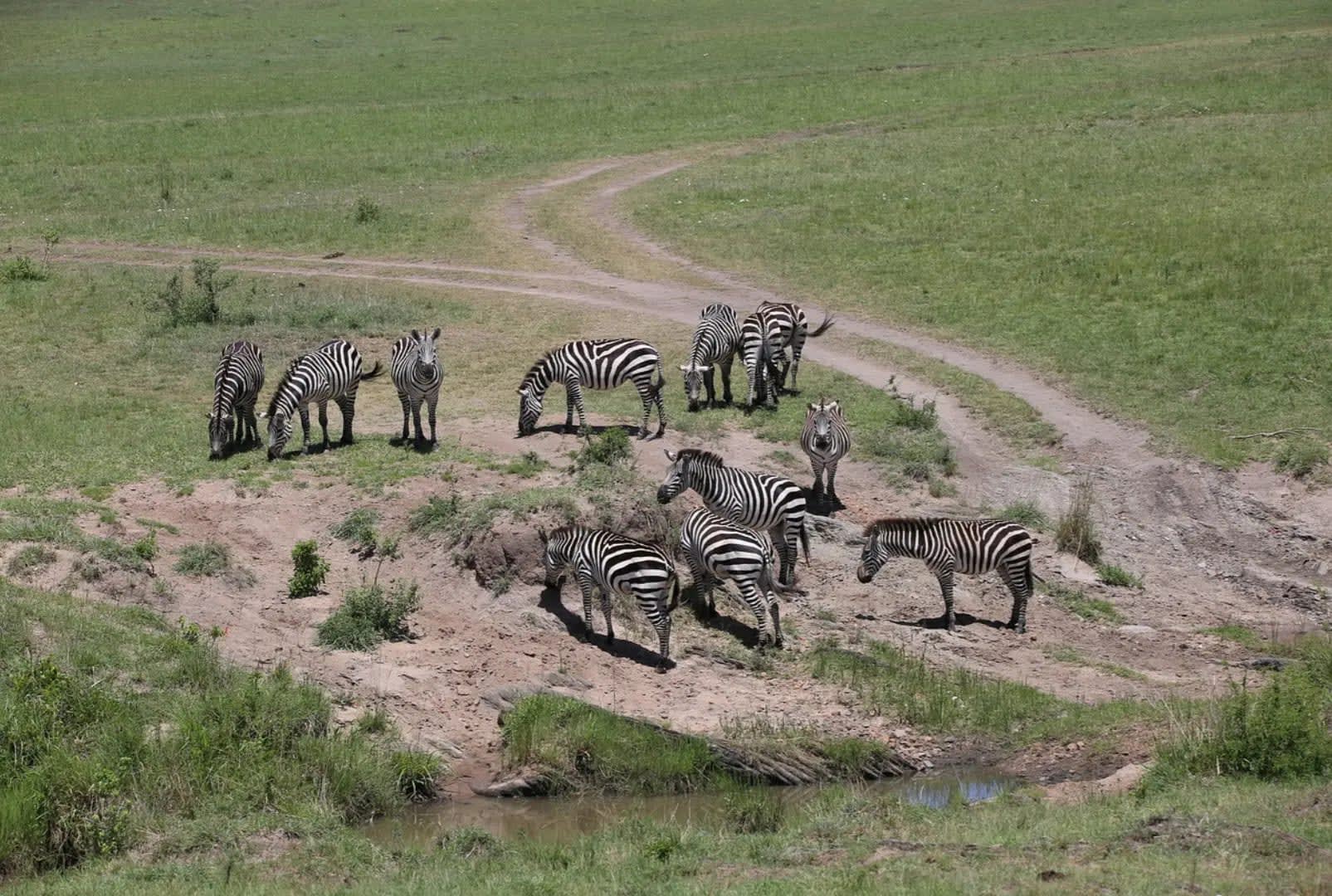
Located in northern Kenya along the Ewaso Ng’iro River, Samburu National Reserve is a rugged and remote destination that attracts travelers seeking a unique safari experience. This reserve is known for its dry, open landscapes and the unusual wildlife species that thrive in this arid region. Samburu’s ecosystem is home to species found almost exclusively in northern Kenya, often referred to as the ‘Samburu Special Five’ : the reticulated giraffe, Grevy’s zebra, Somali ostrich, gerenuk, and beisa oryx. Visitors to Samburu National Reserve are treated to extraordinary landscapes, sightings of rare wildlife, and a connection with the vibrant Samburu culture.
🌍 Geography and Natural Features
Samburu National Reserve spans around 65 square miles and is characterized by its semi-arid environment, including open savannas, rugged hills, and riverine forests. The reserve’s lifeline is the Ewaso Ng’iro River, which draws animals to its banks and is essential to the survival of the reserve’s wildlife.
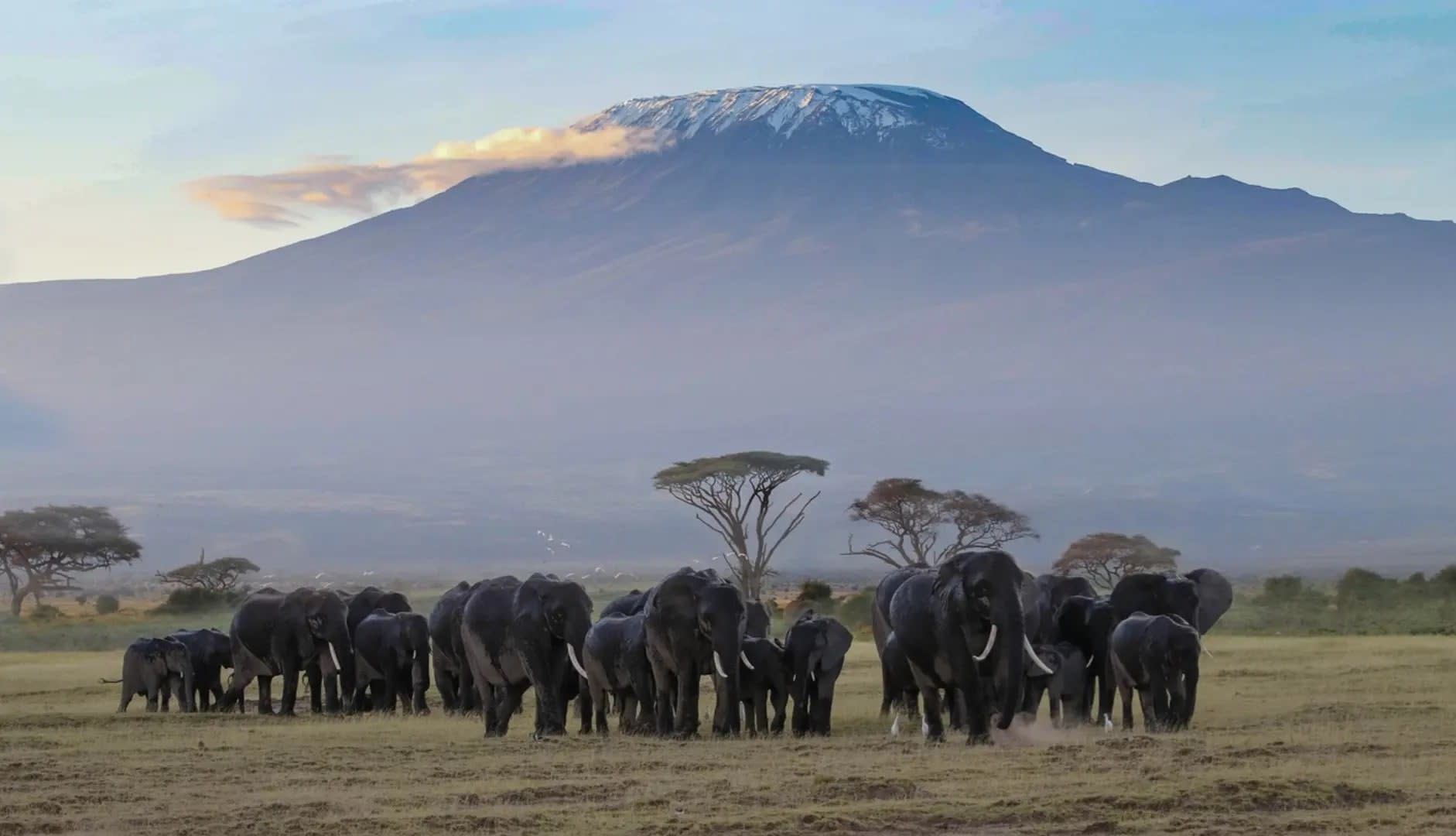
- Ewaso Ng’iro River : Flowing through Samburu, the Ewaso Ng’iro River is the main water source for the region. It supports riverine forests that attract elephants, lions, and leopards, making the riverbanks an excellent spot for wildlife sightings.
- Riverine Forests : The lush vegetation along the Ewaso Ng’iro River contrasts with the dry landscapes of the reserve. These forests provide shade and shelter for various species and are vital for biodiversity.
- Open Plains : The plains of Samburu are dotted with acacia trees and dry grasses, creating the perfect habitat for herbivores like zebras, oryx, and gazelles. These open areas also make it easier for visitors to spot the park’s predators.
- Koitogor and Ololokwe Hills : These hills offer a dramatic backdrop to the reserve and create additional habitat for smaller wildlife species and diverse plant life.
- Arid Environment : Samburu’s semi-arid climate shapes its unique ecosystem, supporting species adapted to dry conditions, such as the gerenuk, which can stand on its hind legs to reach leaves on taller bushes.
📜 History and Cultural Significance
Samburu National Reserve was established in the 1960s as part of Kenya’s effort to conserve its natural heritage and support wildlife in northern Kenya. This reserve is also deeply connected to the Samburu people, who live in the surrounding areas and have a strong cultural and spiritual bond with the land. Samburu culture is woven into the reserve’s history, as the community works alongside conservation organizations to protect wildlife and promote sustainable tourism.
The Samburu People : Known for their colorful attire and traditional customs, the Samburu people have lived in northern Kenya for centuries. Their way of life is closely tied to the region’s natural resources, and they play an active role in conservation.
Conservation Efforts : Various organizations collaborate with the Samburu community to protect wildlife and support local livelihoods. These partnerships are crucial in safeguarding endangered species and promoting eco-friendly tourism practices.
Famous Residents : Samburu gained international attention thanks to ‘Elsa the Lioness,’ raised by George and Joy Adamson, inspiring the book and movie ‘Born Free.’ Samburu continues to honor this legacy of wildlife conservation.
The Samburu People : Known for their colorful attire and traditional customs, the Samburu people have lived in northern Kenya for centuries. Their way of life is closely tied to the region’s natural resources, and they play an active role in conservation.
Conservation Efforts : Various organizations collaborate with the Samburu community to protect wildlife and support local livelihoods. These partnerships are crucial in safeguarding endangered species and promoting eco-friendly tourism practices.
Famous Residents : Samburu gained international attention thanks to ‘Elsa the Lioness,’ raised by George and Joy Adamson, inspiring the book and movie ‘Born Free.’ Samburu continues to honor this legacy of wildlife conservation.
🏃 Activities and Attractions
Samburu National Reserve offers a unique range of activities for visitors, from game drives to cultural experiences with the Samburu people, providing insight into the region’s heritage and wildlife.
- Game Drives : The open landscapes of Samburu are ideal for game drives, offering sightings of the ‘Samburu Special Five’ and other wildlife such as elephants, lions, and leopards. Early morning and late afternoon drives are recommended for optimal animal activity.
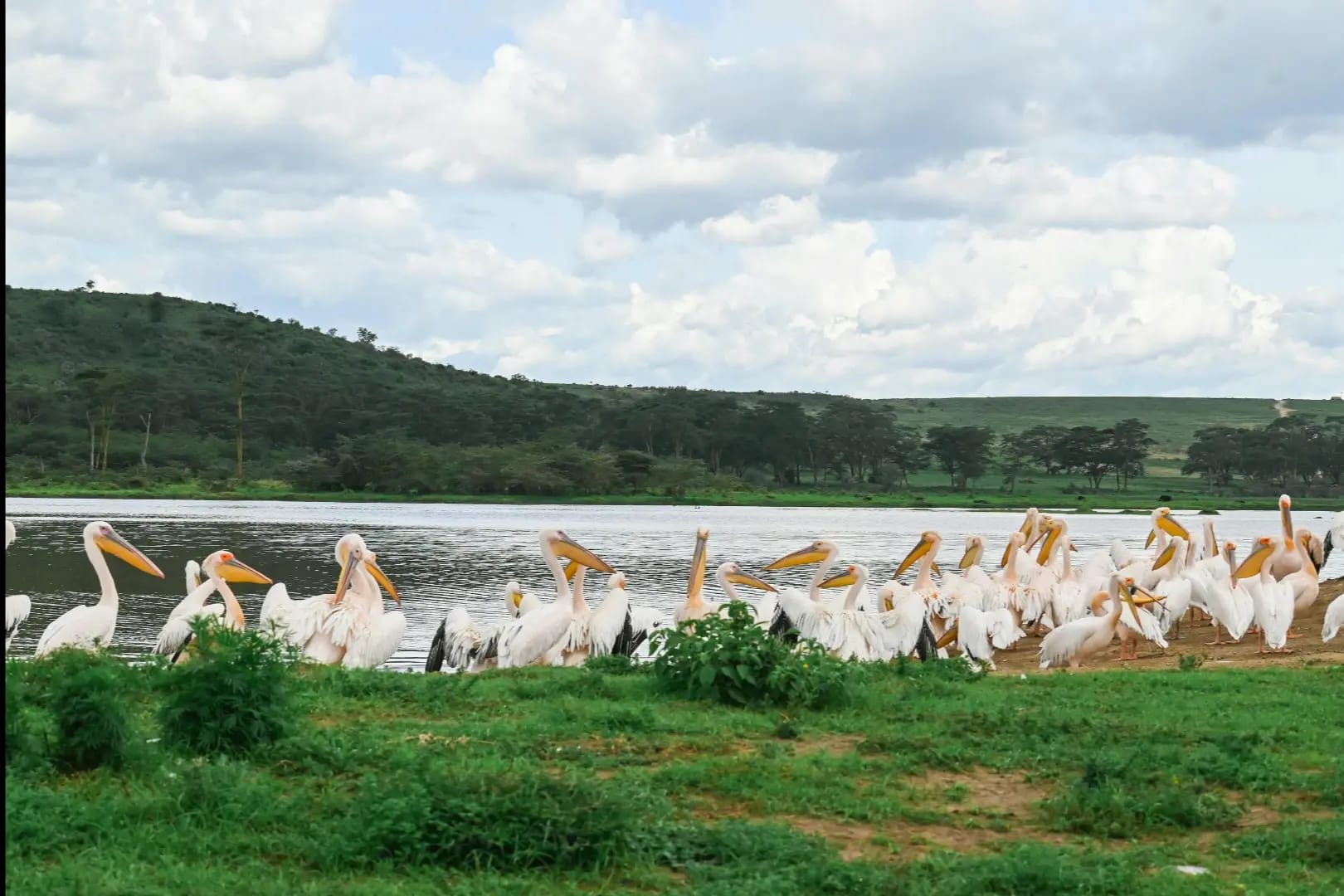
- Birdwatching : With over 350 bird species, including the vulturine guineafowl and Somali ostrich, Samburu is a fantastic destination for birdwatchers, especially along the Ewaso Ng’iro River.
- Cultural Visits : Visitors have the opportunity to learn about the Samburu people through guided cultural tours, where they can experience traditional dances, meet Samburu artisans, and understand the community’s deep connection with the land.
- Nature Walks : Guided nature walks provide a chance to learn about Samburu’s unique flora and fauna, focusing on the smaller creatures, plants, and tracks that are often overlooked on game drives.
- Photography : Samburu’s landscapes and wildlife offer spectacular photography opportunities, with wide-open plains, river views, and dramatic sunsets providing ideal backdrops.
💡 Travel Tips
How to Get There : Samburu is accessible by road from Nairobi, about a six-hour drive. There are also charter flights available to the Samburu airstrip. Coordinates : 0.6100° N, 37.5300° E.
Best Time to Visit : The dry season (June-October) is ideal for wildlife viewing, while the rainy season (March-May) transforms the landscape into lush greenery and is excellent for birdwatching.
What to Bring : Essentials include a good camera, binoculars, sunscreen, insect repellent, and light, breathable clothing in neutral colors. Pack plenty of water and snacks, as well as a hat for sun protection.
Accommodation : Samburu offers various accommodation options, from luxury lodges along the river to eco-friendly tented camps within the reserve. The reserve also has budget-friendly campsites for a closer connection with nature.
Best Time to Visit : The dry season (June-October) is ideal for wildlife viewing, while the rainy season (March-May) transforms the landscape into lush greenery and is excellent for birdwatching.
What to Bring : Essentials include a good camera, binoculars, sunscreen, insect repellent, and light, breathable clothing in neutral colors. Pack plenty of water and snacks, as well as a hat for sun protection.
Accommodation : Samburu offers various accommodation options, from luxury lodges along the river to eco-friendly tented camps within the reserve. The reserve also has budget-friendly campsites for a closer connection with nature.
🌱 Conservation Efforts
Conservation is a priority in Samburu National Reserve. Efforts focus on sustainable tourism, anti-poaching initiatives, and collaboration with the Samburu community to protect wildlife and preserve the natural environment. The reserve’s commitment to conservation ensures that its unique ecosystem and rare species are safeguarded for future generations.
Community Involvement : The Samburu people work closely with conservation organizations to manage the reserve sustainably, creating benefits for local communities while protecting wildlife.
Wildlife Research : Ongoing studies in Samburu focus on understanding the behavior of species like elephants and Grevy’s zebras, which informs conservation practices and enhances the reserve’s management strategies.
Community Involvement : The Samburu people work closely with conservation organizations to manage the reserve sustainably, creating benefits for local communities while protecting wildlife.
Wildlife Research : Ongoing studies in Samburu focus on understanding the behavior of species like elephants and Grevy’s zebras, which informs conservation practices and enhances the reserve’s management strategies.
✨ Conclusion
Samburu National Reserve offers an authentic and unforgettable experience of Kenya’s northern wilderness. With its unique landscapes, rare wildlife species, and cultural significance, Samburu invites visitors to explore its natural beauty and learn about the important conservation efforts that sustain it. This reserve is a testament to the resilience of life in arid environments and the dedication of the Samburu people and conservationists to protect Kenya’s wild heritage.