
Mount Kenya
Mount Kenya National Park, located in central Kenya, is home to Africa’s second-highest mountain and a treasure trove of biodiversity. Rising to 5,199 meters, Mount Kenya is a rugged and awe-inspiring volcanic massif with alpine glaciers, high-altitude plains, dense forests, and rich wildlife. The mountain holds cultural significance for local communities and draws adventurers, mountaineers, and nature lovers from around the world. As a UNESCO World Heritage Site, Mount Kenya National Park is an essential conservation area that protects rare species and diverse habitats, offering visitors breathtaking landscapes and unique ecological experiences.
🌍 Geography and Natural Features
Mount Kenya National Park spans approximately 280 square miles, covering diverse ecosystems from the lowland forests to alpine meadows near the peaks. The park features pristine glaciers, lakes, and unique flora adapted to high-altitude conditions.
- Peaks and Glaciers : The highest peaks—Batian, Nelion, and Point Lenana—are often snow-capped and surrounded by glaciers, making Mount Kenya a rare sight near the equator. While Batian and Nelion require technical climbing, Point Lenana offers a less challenging summit experience for trekkers.
- Alpine Meadows : Above the tree line, the park features vast alpine meadows dotted with giant lobelias and groundsels, creating surreal and otherworldly landscapes. These plants are specially adapted to the cold, high-altitude conditions and are iconic features of the region.
- Montane Forests : The lower slopes of Mount Kenya are covered in dense forests, home to various animals and bird species. The forests are primarily made up of bamboo, juniper, and African olive trees, supporting rich biodiversity.
- Rivers and Lakes : Several rivers originate from Mount Kenya’s glaciers, including the Tana and Ewaso Ng’iro, providing essential water sources for surrounding communities. The park also has beautiful high-altitude lakes like Lake Ellis and Lake Michaelson, adding to its scenic beauty.
- Unique Flora and Fauna : The park is home to endemic plant species and adapted animals like the Mount Kenya hyrax, sunbirds, and the elusive Mount Kenya mole-rat, which thrive in the high-altitude environment.
📜 History and Cultural Significance
Mount Kenya has long held cultural importance for the Kikuyu and Meru people, who consider it sacred and refer to it as ‘Kirinyaga,’ meaning ‘place of brightness.’ Local communities have historically revered the mountain as the home of their deity. In 1949, Mount Kenya was designated as a national park to protect its unique ecosystem and to ensure that it would remain a pristine environment for future generations. The park has since become a UNESCO World Heritage Site, recognized for its ecological and cultural value.
The Kikuyu and Meru People : The Kikuyu and Meru communities believe Mount Kenya is the dwelling place of God. For centuries, the mountain has been a site for prayer, reflection, and cultural rituals, adding a profound spiritual dimension to its natural beauty.
UNESCO World Heritage Site : In 1997, Mount Kenya National Park was designated a World Heritage Site for its unique biodiversity, significant ecological processes, and cultural value. The designation highlights the importance of conserving the park’s natural and cultural heritage.
Conservation Legacy : The establishment of Mount Kenya National Park marked a significant step in Kenya’s conservation efforts, helping protect both the mountain’s unique flora and fauna and its historical importance to local communities.
The Kikuyu and Meru People : The Kikuyu and Meru communities believe Mount Kenya is the dwelling place of God. For centuries, the mountain has been a site for prayer, reflection, and cultural rituals, adding a profound spiritual dimension to its natural beauty.
UNESCO World Heritage Site : In 1997, Mount Kenya National Park was designated a World Heritage Site for its unique biodiversity, significant ecological processes, and cultural value. The designation highlights the importance of conserving the park’s natural and cultural heritage.
Conservation Legacy : The establishment of Mount Kenya National Park marked a significant step in Kenya’s conservation efforts, helping protect both the mountain’s unique flora and fauna and its historical importance to local communities.
🏃 Activities and Attractions
Mount Kenya National Park offers a range of activities for visitors, from mountain climbing and trekking to birdwatching and cultural experiences. Each activity provides a unique way to experience the park’s diverse landscapes and ecosystems.
- Trekking and Climbing : Mount Kenya has several trekking routes to its peaks, including the Naro Moru, Sirimon, and Chogoria routes. The popular Point Lenana trek is accessible for non-technical climbers, while the Batian and Nelion peaks offer challenging climbs for experienced mountaineers.
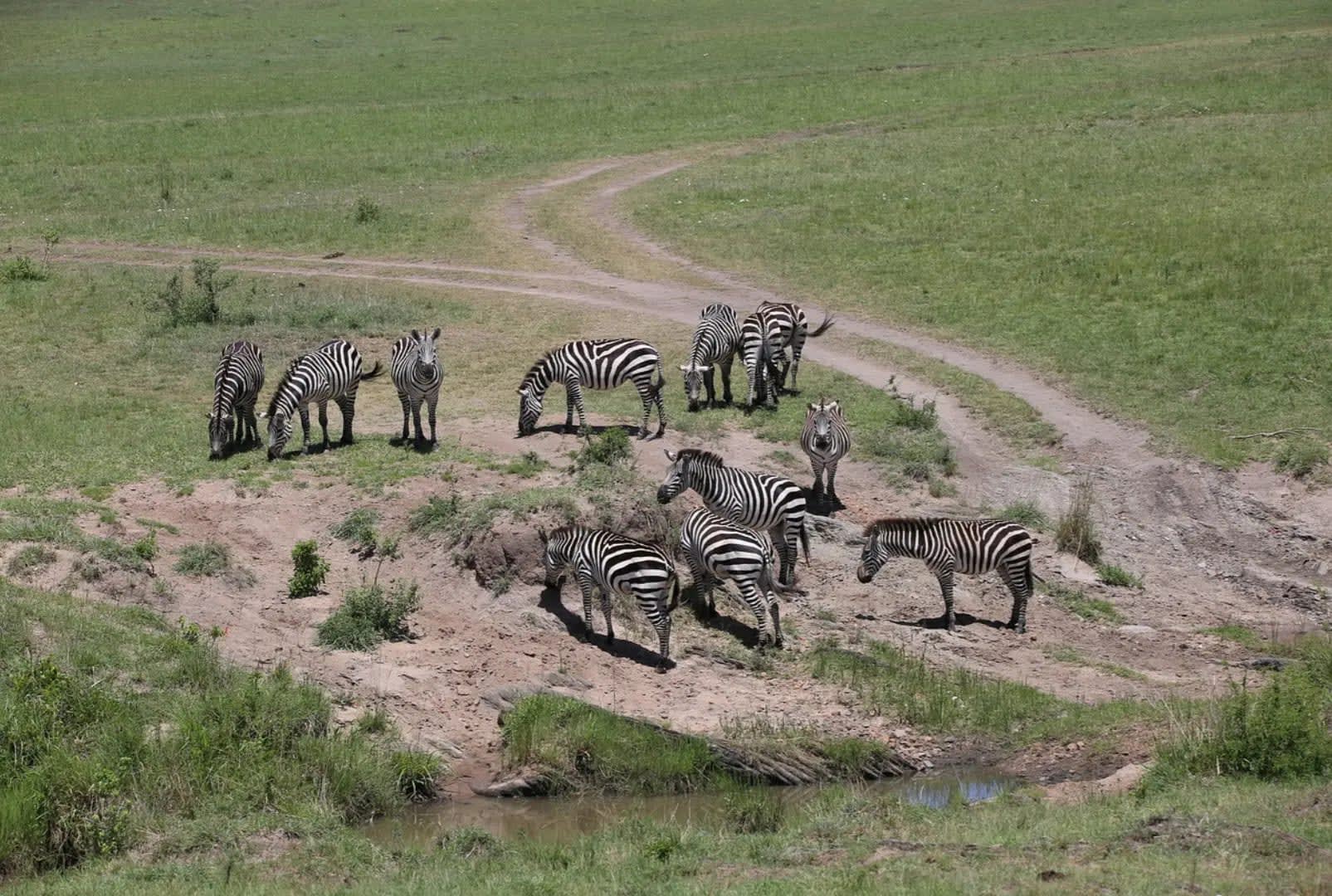
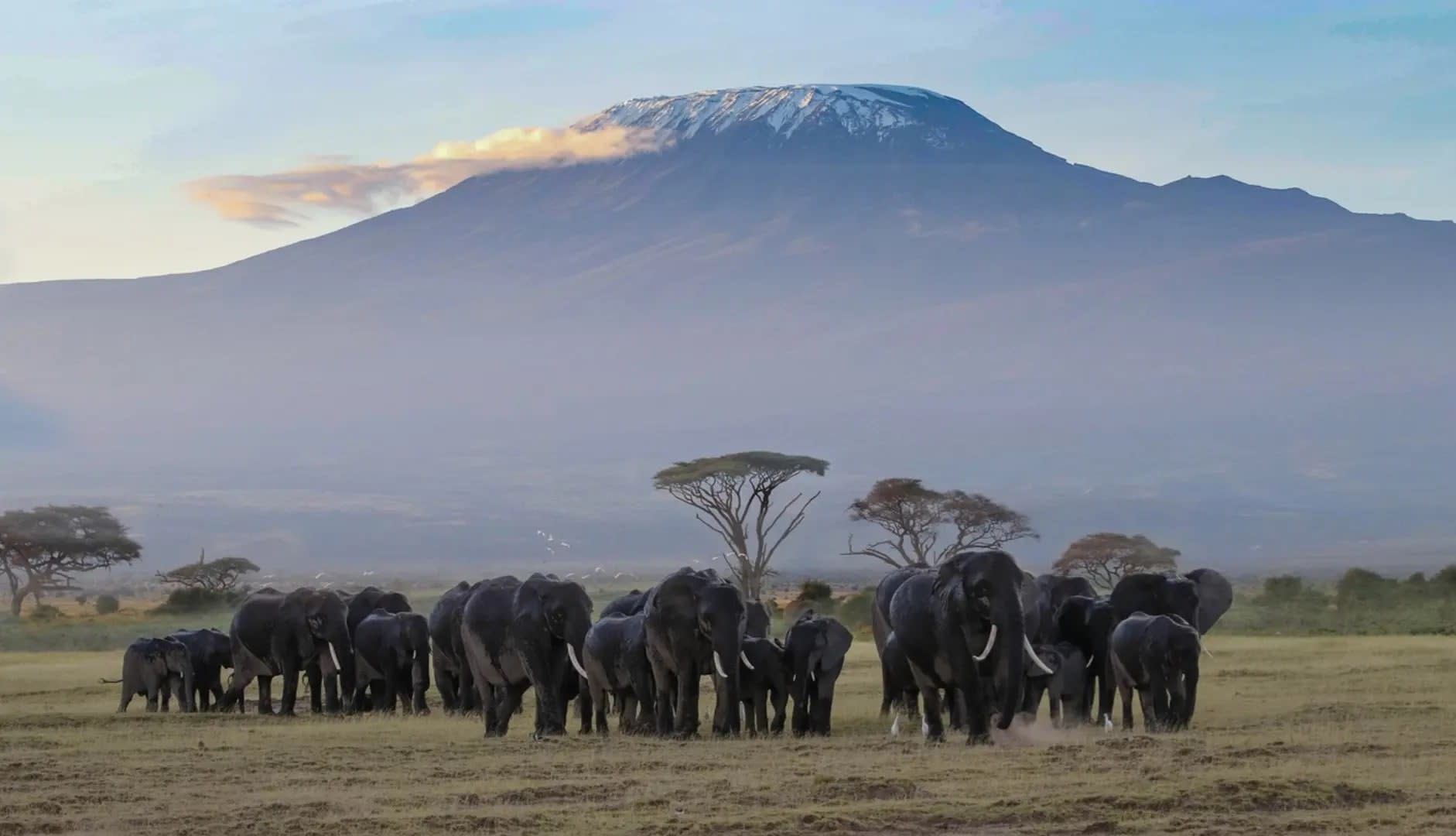
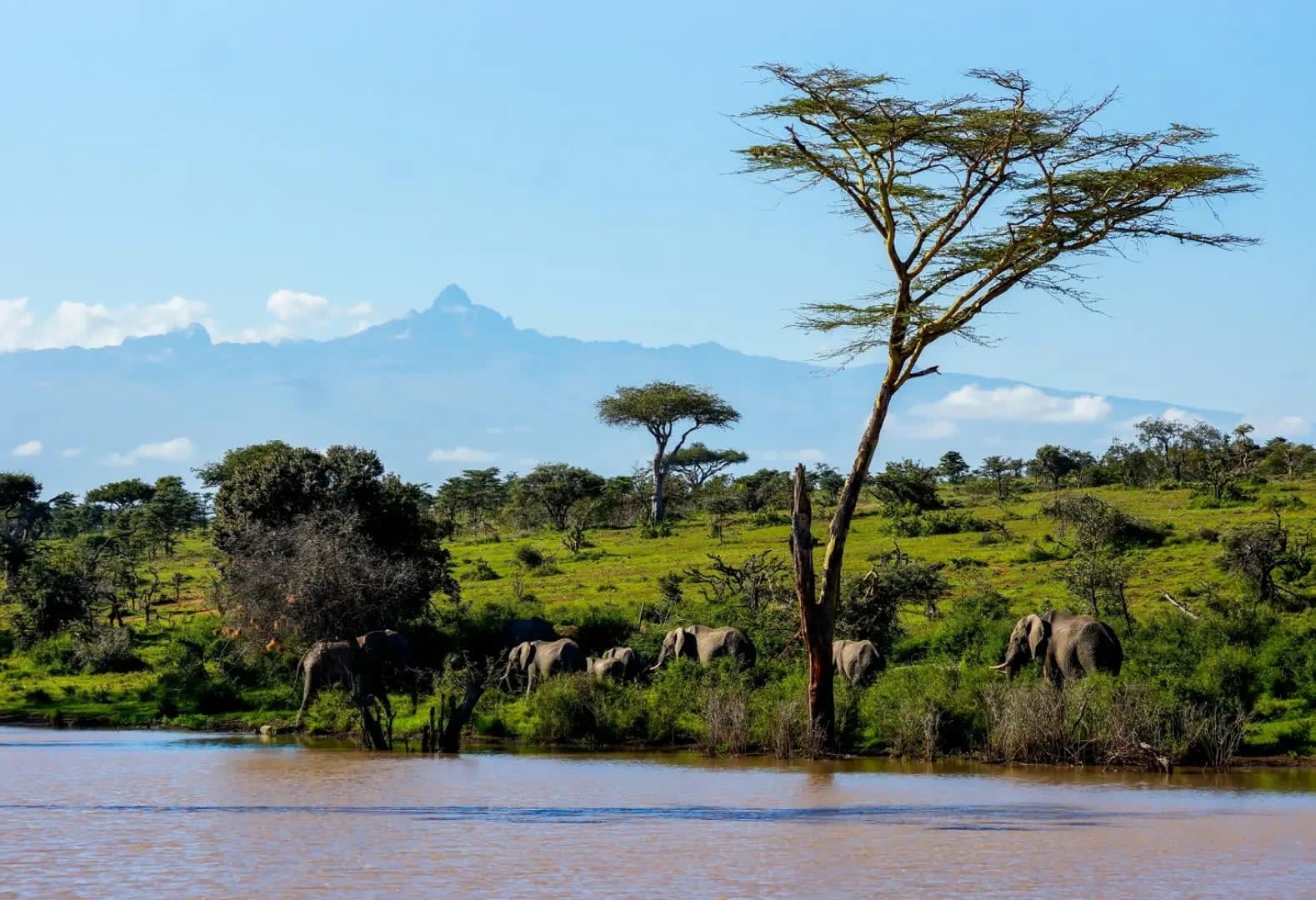
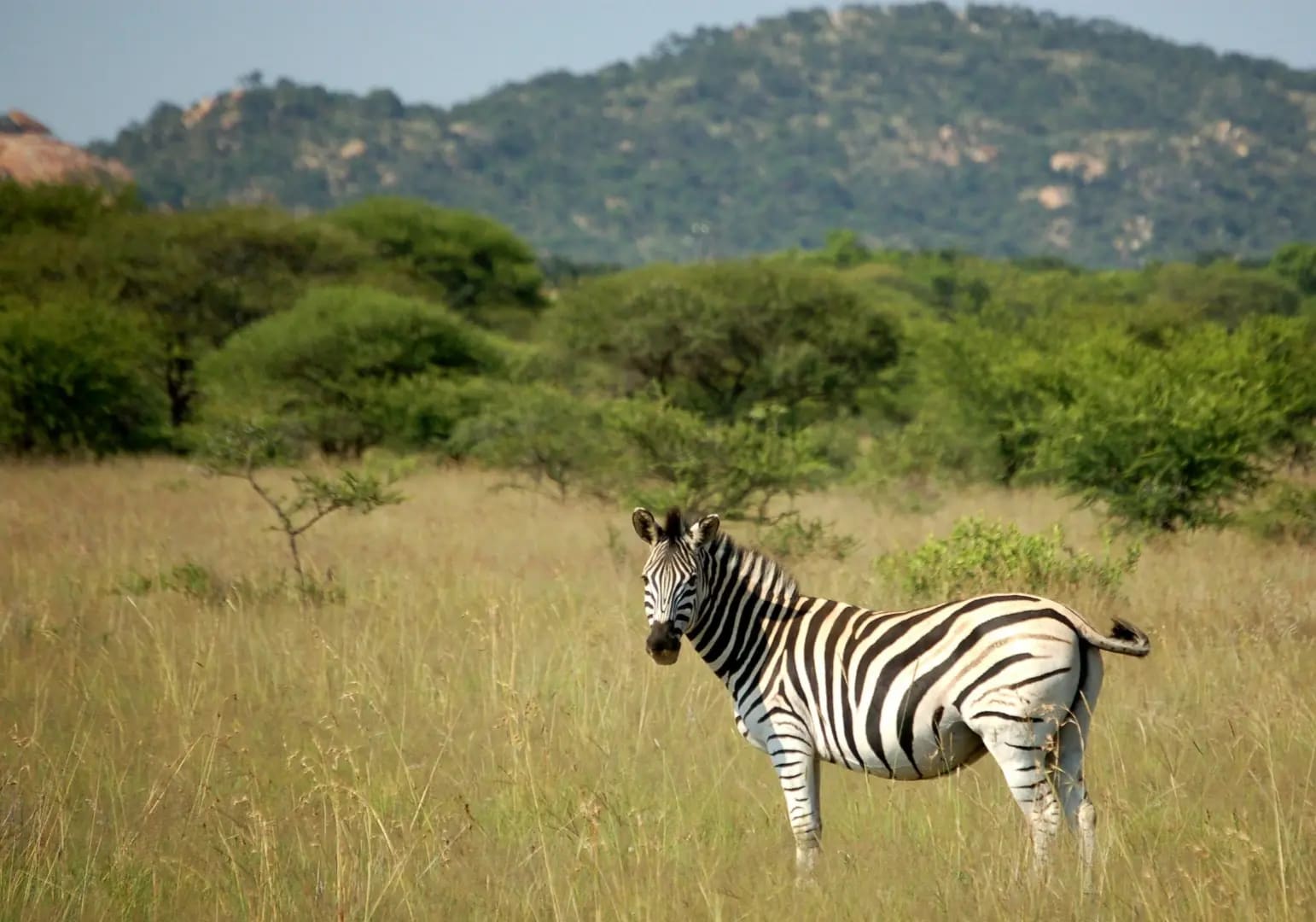
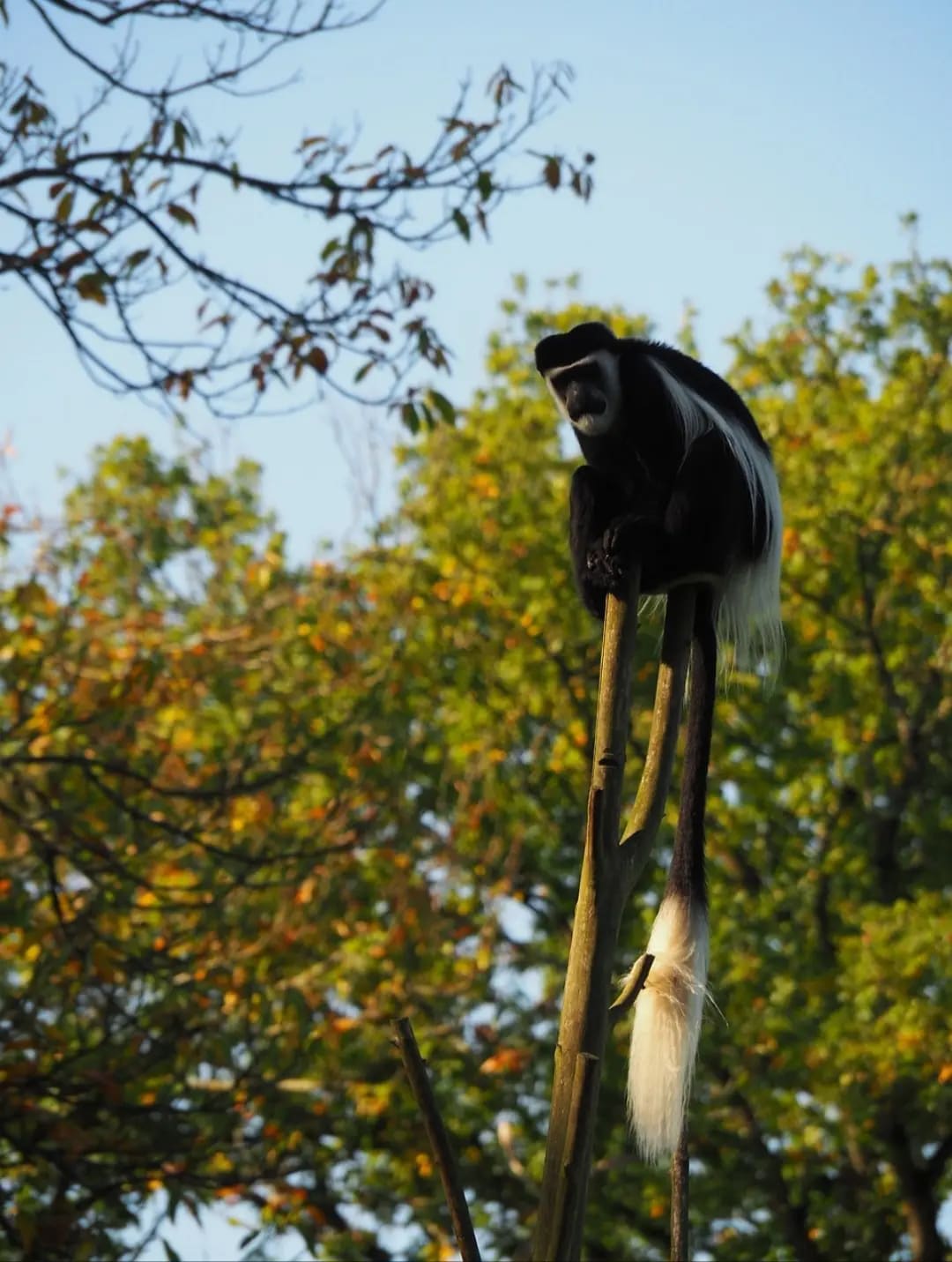
- Wildlife Viewing : The park is home to various wildlife, including elephants, buffalo, colobus monkeys, and rare species like the mountain bongo antelope. Visitors can enjoy game viewing while hiking or driving through the forested areas.
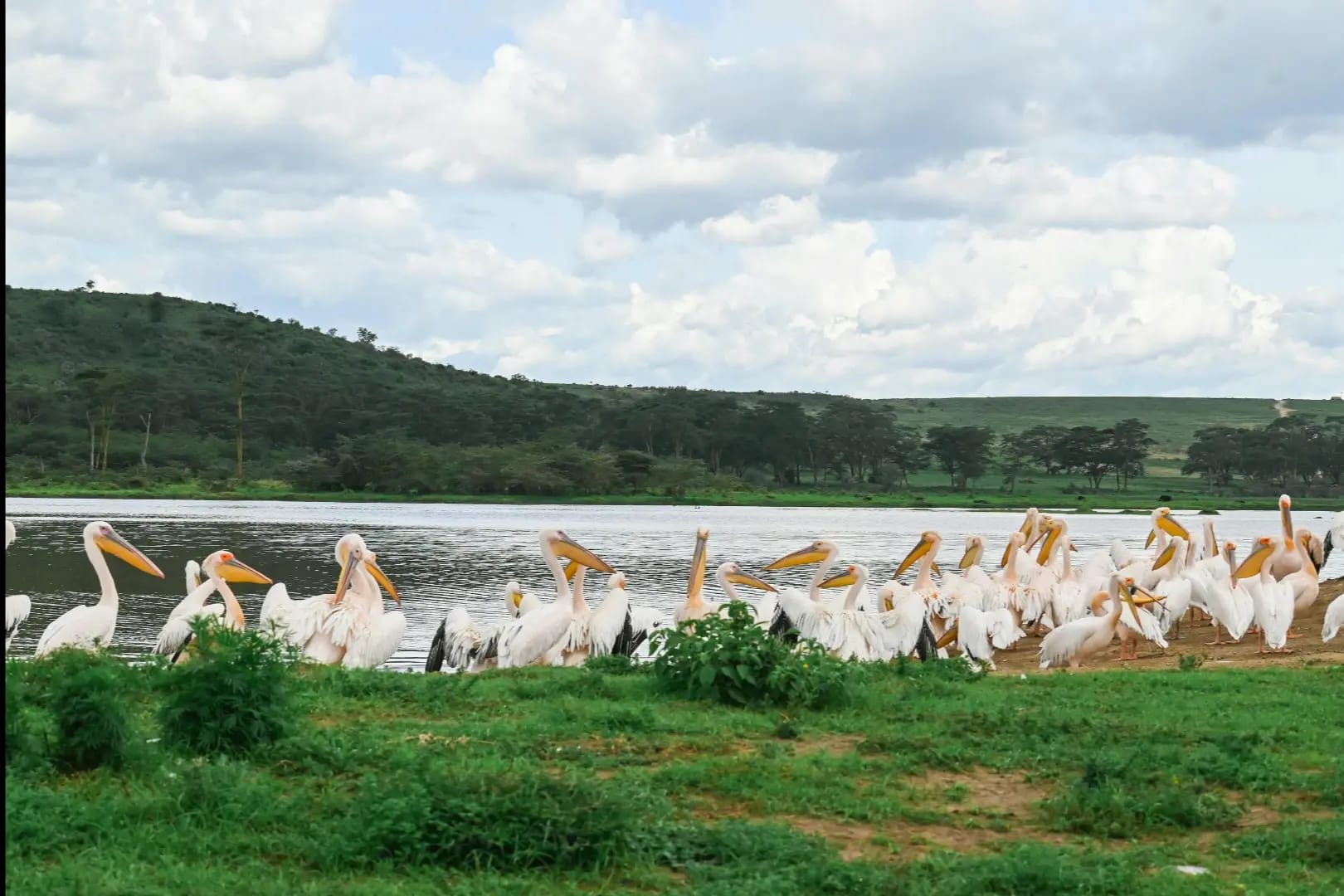
- Birdwatching : With over 130 bird species, including the endangered Abbott’s starling, Mount Kenya is a haven for birdwatchers. Bird species vary by altitude, making it possible to see different varieties as you ascend the mountain.
- Photography : The park’s diverse scenery—from glaciers to forests to high-altitude lakes—offers stunning photography opportunities, especially during sunrise and sunset when the mountain is often visible and beautifully lit.
- Cultural Experiences : Visitors have the chance to engage with local Kikuyu and Meru communities to learn about their traditions and the mountain’s cultural significance. These interactions enrich the travel experience and foster cultural understanding.
💡 Travel Tips
How to Get There : Mount Kenya National Park is located about 175 kilometers north of Nairobi. The main access points are through Nanyuki or Naro Moru towns, with several entrances for different trekking routes. Coordinates : 0.1521° S, 37.3084° E.
Best Time to Visit : The best climbing months are January to February and July to October when the weather is drier. However, the park is open year-round, with unique experiences available during different seasons.
What to Bring : Essentials include warm layers for high altitudes, sturdy hiking boots, trekking poles, a camera, and a water purifier. Pack sunscreen, a hat, and snacks, as well as a map and guide if attempting longer hikes.
Accommodation : Options range from mountain lodges near the park entrance to high-altitude huts on the mountain itself. There are also several budget campsites and eco-friendly lodges within and around the park, catering to different preferences.
Best Time to Visit : The best climbing months are January to February and July to October when the weather is drier. However, the park is open year-round, with unique experiences available during different seasons.
What to Bring : Essentials include warm layers for high altitudes, sturdy hiking boots, trekking poles, a camera, and a water purifier. Pack sunscreen, a hat, and snacks, as well as a map and guide if attempting longer hikes.
Accommodation : Options range from mountain lodges near the park entrance to high-altitude huts on the mountain itself. There are also several budget campsites and eco-friendly lodges within and around the park, catering to different preferences.
🌱 Conservation Efforts
Conservation is a core focus of Mount Kenya National Park, which plays a vital role in protecting biodiversity and water resources for surrounding communities. Visitors are encouraged to follow Leave No Trace principles, stay on marked trails, and respect wildlife. The park works with local and international organizations to monitor and protect its unique ecosystems and wildlife, with initiatives to manage the impact of climate change and support reforestation.
Forest and Water Conservation : Mount Kenya is a crucial watershed that provides water to millions in Kenya. Reforestation and sustainable water management efforts are underway to protect these resources.
Research and Monitoring : Scientific studies in the park focus on understanding the impact of climate change on its glaciers, biodiversity, and ecosystems. This research informs conservation strategies that help maintain the park’s natural balance.
Local Community Involvement : The park collaborates with local communities to promote sustainable tourism and conservation, ensuring that locals benefit from the preservation of their cultural and natural heritage.
Forest and Water Conservation : Mount Kenya is a crucial watershed that provides water to millions in Kenya. Reforestation and sustainable water management efforts are underway to protect these resources.
Research and Monitoring : Scientific studies in the park focus on understanding the impact of climate change on its glaciers, biodiversity, and ecosystems. This research informs conservation strategies that help maintain the park’s natural balance.
Local Community Involvement : The park collaborates with local communities to promote sustainable tourism and conservation, ensuring that locals benefit from the preservation of their cultural and natural heritage.
✨ Conclusion
Mount Kenya National Park is more than a destination ; it’s a place of natural beauty, cultural importance, and ecological significance. Whether trekking to the summit, exploring its lush forests, or admiring the unique high-altitude flora, visitors to Mount Kenya experience an unforgettable journey into one of Africa’s most remarkable landscapes. The park’s commitment to conservation ensures that this majestic mountain will continue to inspire and benefit future generations.