Laikipia
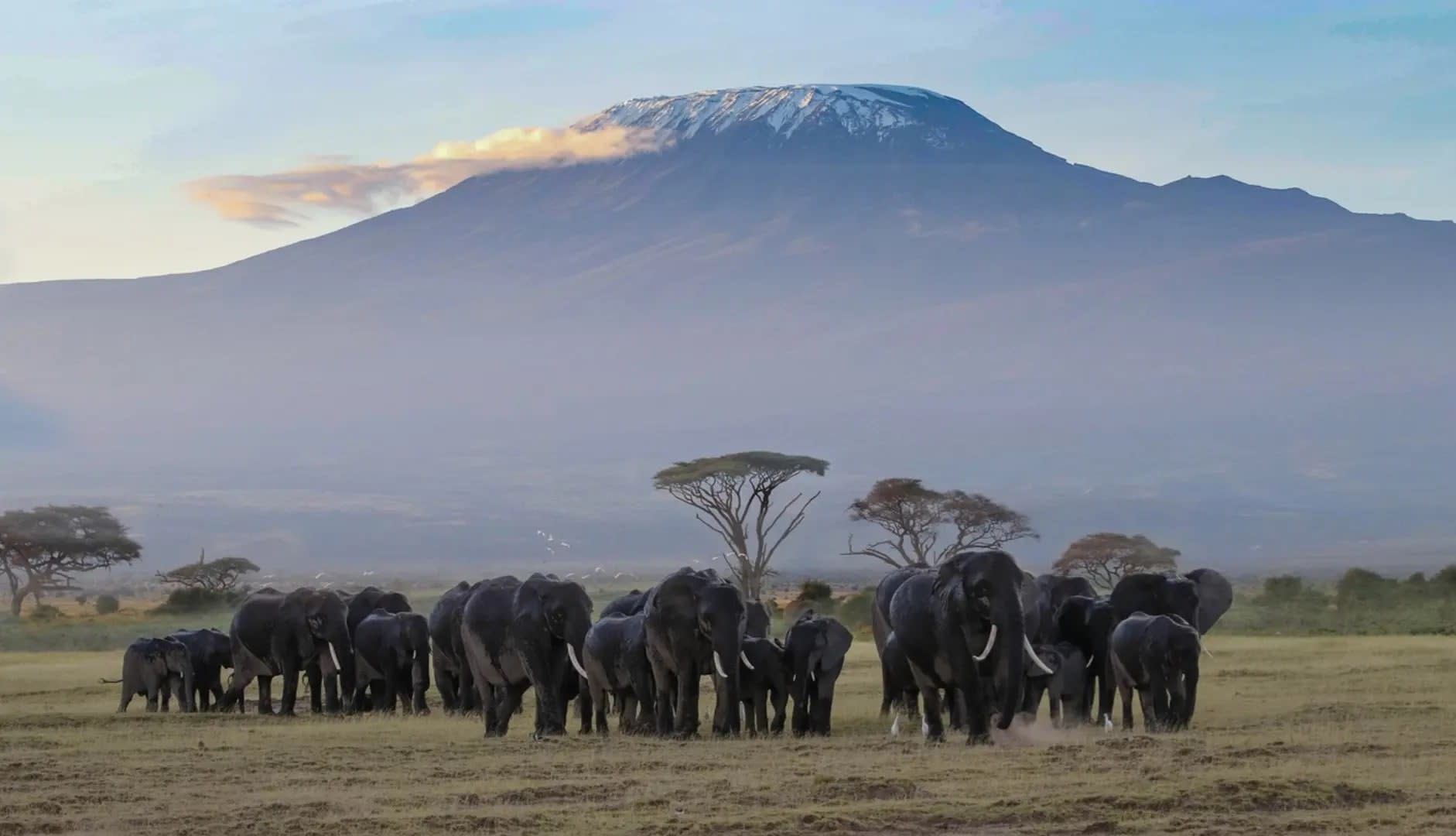
Laikipia is a 9,700 km² plateau in central Kenya at 1,700–2,500 metres elevation, north and west of Mount Kenya, encompassing one of the most innovative and successful conservation models in Africa. Unlike the national parks, Laikipia's wildlife is protected primarily through a mosaic of private ranches, community conservancies, and group ranches that between them host Kenya's second-largest elephant population (approximately 6,000 individuals), the largest population of black rhino outside government reserves, the most significant population of the Grevy's zebra — the world's largest wild equid, now endangered — and the only viable reproducing population of African wild dogs in Kenya. The Laikipia model demonstrates that wildlife and livestock can coexist economically when landowners and communities receive direct financial benefit from wildlife tourism, and the plateau has become internationally influential as a proof of concept for large-scale private and community conservation. The landscape itself — open savanna, acacia woodland, riverine forest, and rocky hills — is beautiful in the classic East African manner, with Mount Kenya's glaciated peaks rising to the southeast as a constant backdrop.
🌍 Geography and Ecosystem
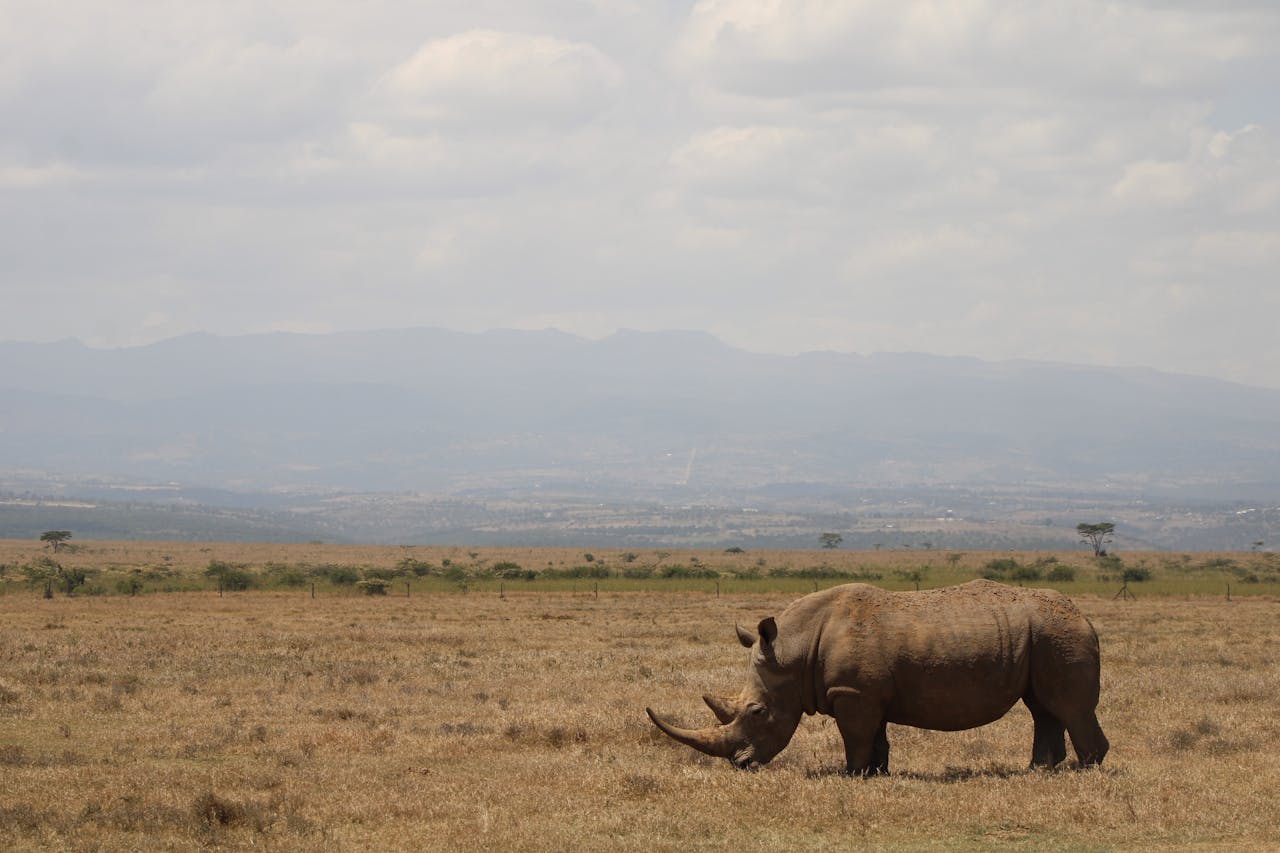
- Ol Pejeta Conservancy: The largest black rhino sanctuary in East Africa at 360 km², Ol Pejeta holds over 120 black rhino and was home to the last three northern white rhinos (all now dead or dying). It is also the only place in Kenya outside the national parks to see chimpanzees — a rescued chimpanzee sanctuary houses approximately 40 individuals. Ol Pejeta's lion and leopard populations are among the most reliably viewable in Kenya outside the Masai Mara.
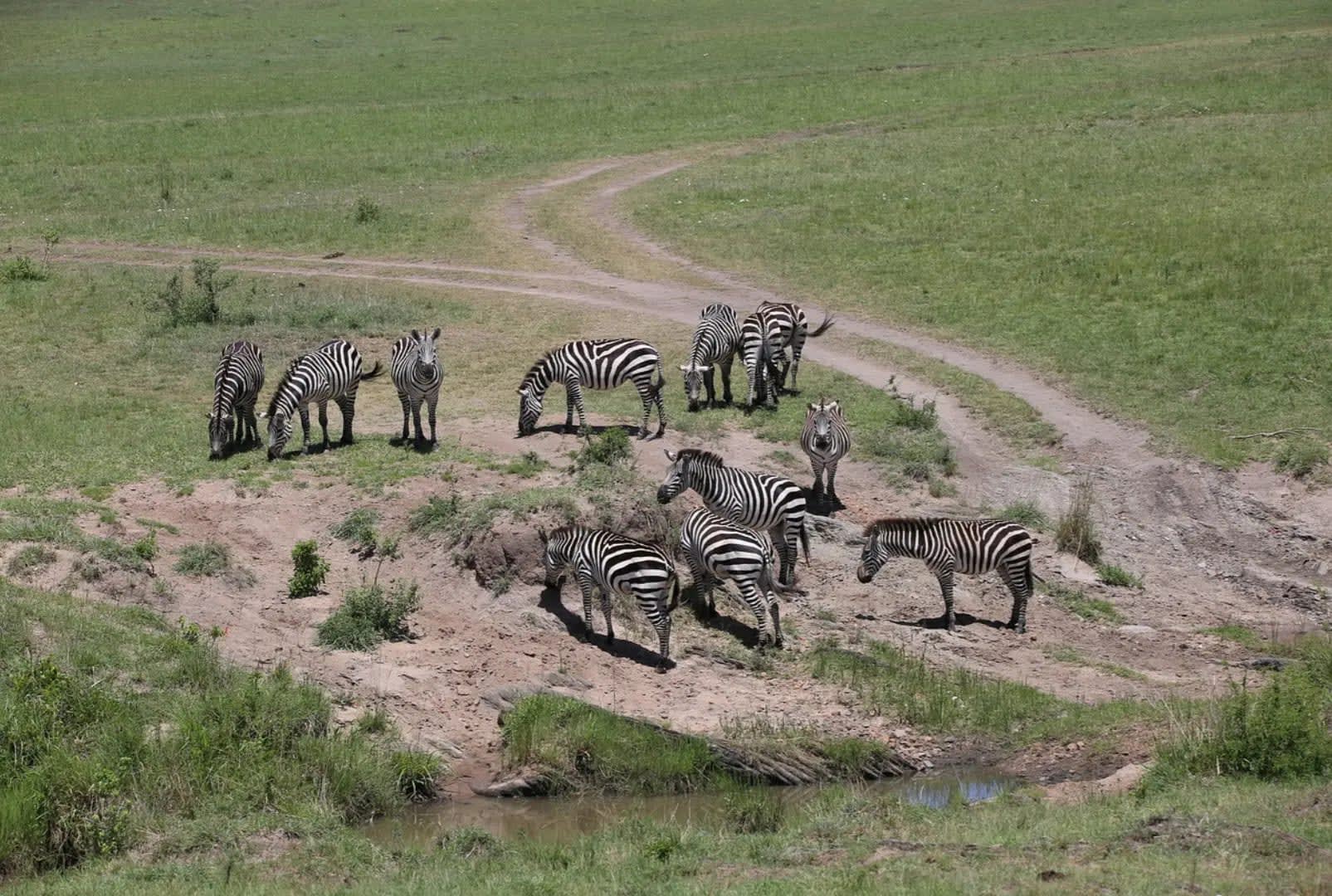
- Grevy's Zebra Population: Laikipia is the stronghold of the Grevy's zebra — a species whose global population has collapsed from 15,000 in the 1970s to fewer than 3,000 today. The narrow-striped, large-eared Grevy's is distinct from the common plains zebra and is classified as Endangered on the IUCN Red List. Laikipia conservancies host approximately 1,500–2,000 individuals — over half the global population — making the plateau the single most important location for this species' survival.
- African Wild Dogs: Laikipia holds Kenya's only viable wild dog population — approximately 150–200 individuals in packs that roam across conservancy boundaries. Wild dogs were eliminated from most of Kenya by the 1980s through persecution and disease; Laikipia's recovery of a reproducing population is one of the most significant wildlife conservation achievements in East Africa in the past 30 years. The packs are individually tracked and monitored by researchers from Mpala Research Centre.
- Night Sky and Dark Skies: At 1,700–2,500 m elevation and far from major light-polluting cities, Laikipia has some of the darkest skies in Kenya. The Milky Way is visible as a structural band on clear nights, and the combination of equatorial sky visibility (both southern and northern hemisphere constellations) with Mount Kenya as a silhouette makes Laikipia one of the finest stargazing destinations in East Africa. Several conservancies offer dedicated night sky experiences.
📜 History and Cultural Significance
The transformation of cattle ranches into wildlife conservancies accelerated from the 1990s, when the economic logic shifted: wildlife tourism generated higher revenue per hectare than cattle ranching while requiring less water and causing less soil degradation. The Laikipia Wildlife Forum, established in 1992, coordinates conservation across conservancy boundaries — enabling the landscape-scale wildlife management that single-property conservancies cannot achieve alone. Community conservancies — owned and managed by Maasai, Samburu, and Turkana communities — have expanded significantly since 2000, providing an economic model that returns conservation benefit directly to the communities historically displaced from the land.
🏃 Activities and Attractions
- Night Game Drives: Unlike Kenya's national parks, most Laikipia conservancies permit night game drives — revealing the plateau's nocturnal cast of aardvark, porcupine, civet, serval, aardwolf, and the elusive striped hyena. Leopard sightings at night are common in areas where they have habituated to vehicles. The combination of a spotlight on nocturnal species against a sky undimmed by light pollution is one of the most distinctive Laikipia experiences.
- Horseback Safari: Several Laikipia conservancies — including Ol Malo, Lewa Downs, and Borana — offer horseback safaris through open savanna among wildlife. Horses move more quietly than vehicles and allow a different sensory engagement with the landscape — approaching zebra, giraffe, and even elephant herds on horseback in a way that vehicle safaris do not permit. Multi-day horse safaris camping in the bush are available for experienced riders.
- Walking Safaris with Maasai Warriors: Armed with traditional weapons and tracking skills, Maasai guides lead walking safaris across conservancy land, reading spoor, identifying plants used in traditional medicine, and tracking wildlife on foot in a manner that fundamentally changes the experience of the African bush. Walking among elephant or rhino on foot — with a guide who has done so since childhood — is among the most profound wildlife experiences in Kenya.
- Rhino Tracking at Ol Pejeta: Ol Pejeta's black rhino population is large enough that dedicated rhino tracking sessions — on foot with a ranger who knows individual animals by name — offer extended close encounters with one of Africa's most endangered species. The conservancy also operates an informational centre for the northern white rhino, which provides a sobering account of the species' extinction and the conservation failures that enabled it.
- Camel Trekking: Several northern Laikipia conservancies — particularly those in the drier Samburu-adjacent zone — offer camel trekking with Samburu herders, traversing the semi-arid landscape of acacia thorn and dry riverbed in a mode of transport that has worked in this terrain for millennia. Half-day and full-day camel walks with cultural interaction with Samburu communities are available from several lodges.
💡 Travel Tips
Best Season: Laikipia's elevation moderates temperature year-round. January–March and July–October are the driest months with best wildlife viewing as animals concentrate at water sources. The long rains (April–May) and short rains (November) bring green landscape but muddy roads and more dispersed wildlife. The plateau is never as crowded as the Masai Mara — even in peak season, the conservancy model limits visitor numbers per property, making private wildlife encounters the norm rather than the exception.
Accommodation: Laikipia accommodates across a wide range — from ultra-luxury tented camps (Ol Malo, Sosian, Ol Pejeta Sweetwaters) to community-run budget bandas. Most properties are intimate (6–16 guests maximum) and include all meals and game drives in their rates — the all-inclusive conservancy lodge model is standard. Community conservancies such as Il Ngwesi and Tassia offer authentic community-owned accommodation at more accessible prices.
🌱 Conservation
The Laikipia Wildlife Forum coordinates conservation planning across the 42 conservancies and community group ranches that make up the Laikipia ecosystem, managing issues including wildlife corridors between properties, disease control at the wildlife-livestock interface, and the legal framework for community-based conservation. Climate change is an increasing stressor — the Ewaso Ng'iro river, the plateau's primary water source, has experienced reduced dry-season flows as highland catchment forests have been degraded, and several severe droughts in 2009, 2017, and 2022 have caused significant wildlife and livestock mortality. The resilience of the Laikipia model to these compounding pressures will be one of the defining conservation stories of the coming decade.