Hell’s Gate
Hell’s Gate National Park, located near Lake Naivasha in Kenya’s Rift Valley, is famous for its dramatic scenery and thrilling activities. Known for its towering cliffs, gorges, and geothermal springs, this park offers an experience unlike any other in Africa. Named for its intense geothermal activity, Hell’s Gate is one of the few parks in Kenya where visitors can walk or cycle among wildlife, creating a more intimate experience with nature. Whether exploring the Ol Njorowa Gorge or marveling at geothermal steam vents, Hell’s Gate is an adventurer’s paradise and a geological wonder.
🌍 Geography and Natural Features
Hell’s Gate National Park covers approximately 26 square miles, characterized by striking volcanic landscapes, cliffs, and gorges. Its unique terrain and geothermal activity have shaped a vibrant ecosystem that supports diverse flora and fauna.
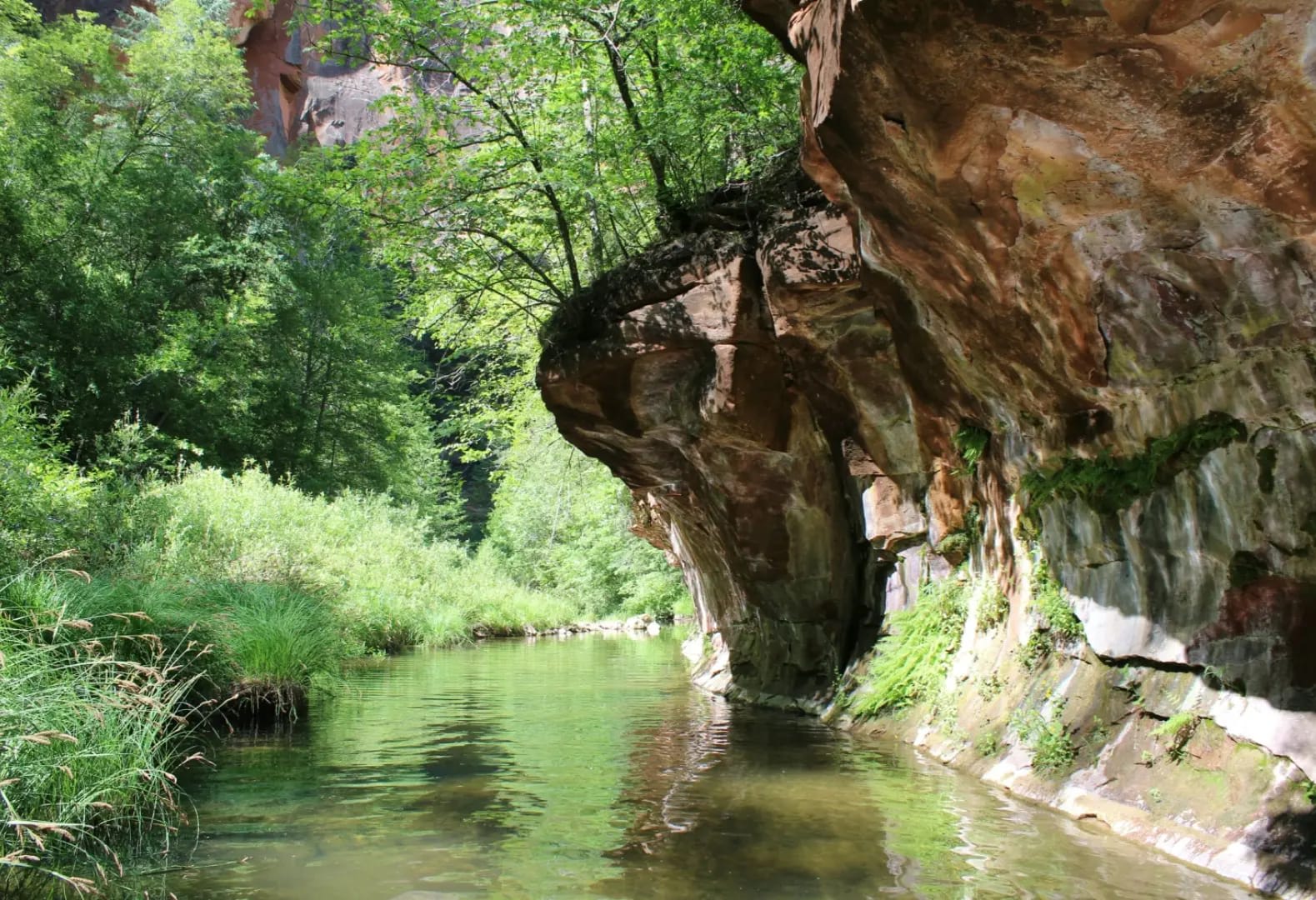
- Gorges and Cliffs : The Ol Njorowa Gorge is a major highlight, with narrow winding pathways and high sandstone walls. Visitors can explore the gorge on foot, navigating natural hot springs, rock formations, and towering cliffs.
- Geothermal Activity : The park sits on a tectonic plate boundary, resulting in hot springs, fumaroles, and steam vents. The nearby Olkaria Geothermal Station uses this natural resource, making Hell’s Gate one of the few places where visitors can witness geothermal power production.
- Savanna and Grasslands : The park’s open plains and savanna habitats support a variety of wildlife and plant species. Acacia trees and scattered bushes provide shade and shelter for animals across the grasslands.
- Unique Rock Formations : Notable formations like Fischer’s Tower and Central Tower, remnants of ancient volcanic activity, add a dramatic touch to the landscape. These striking structures are popular spots for rock climbing and photography.
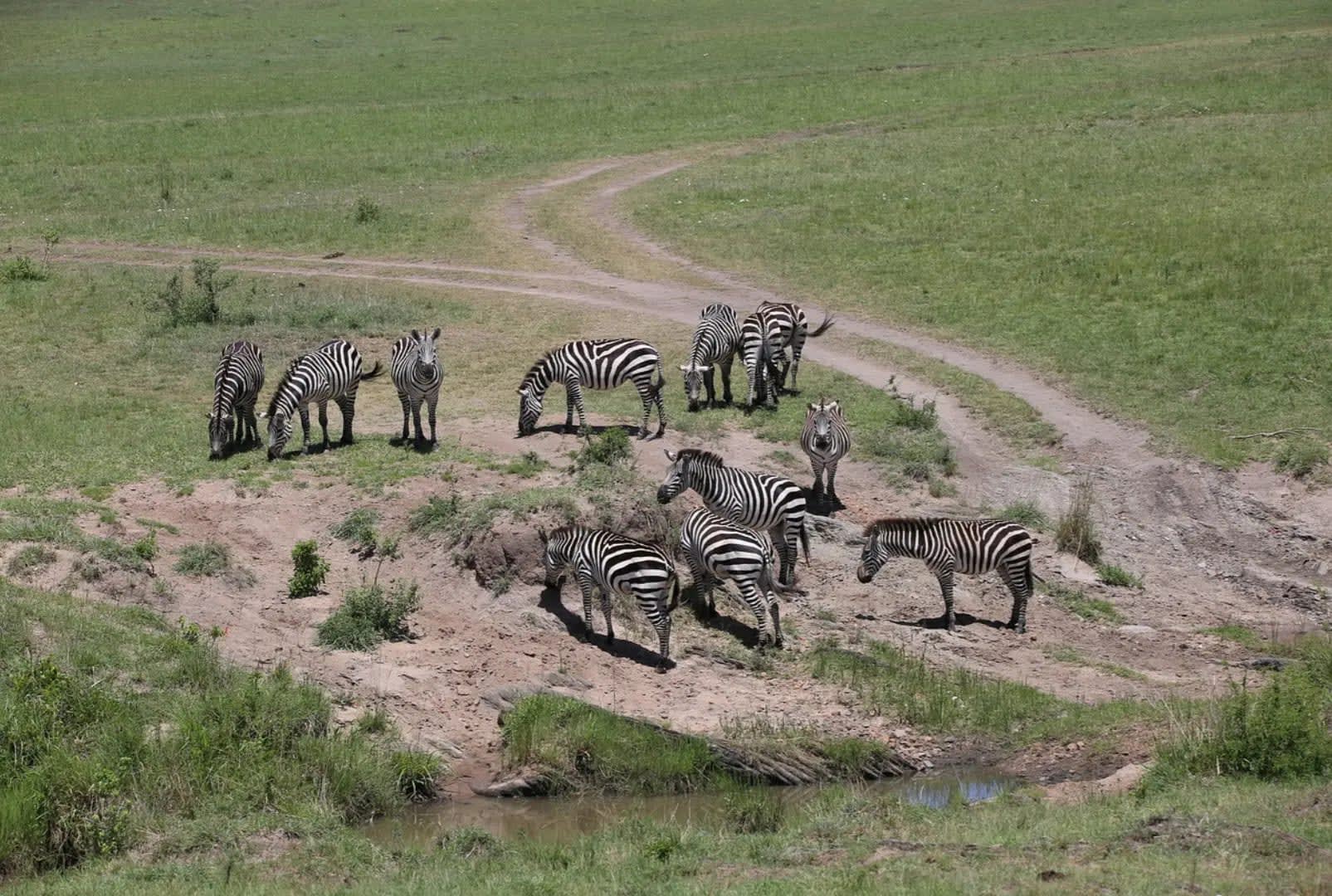
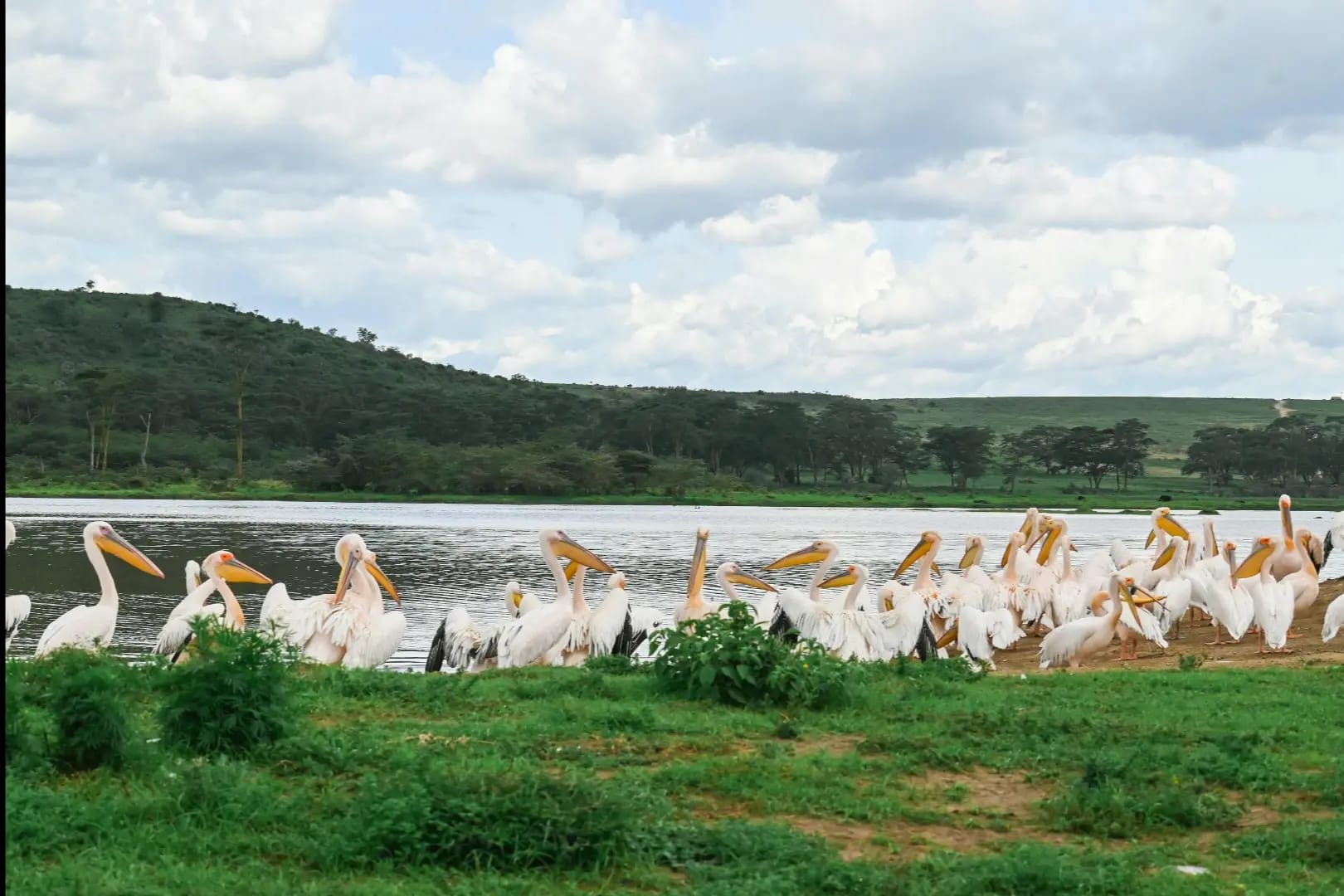
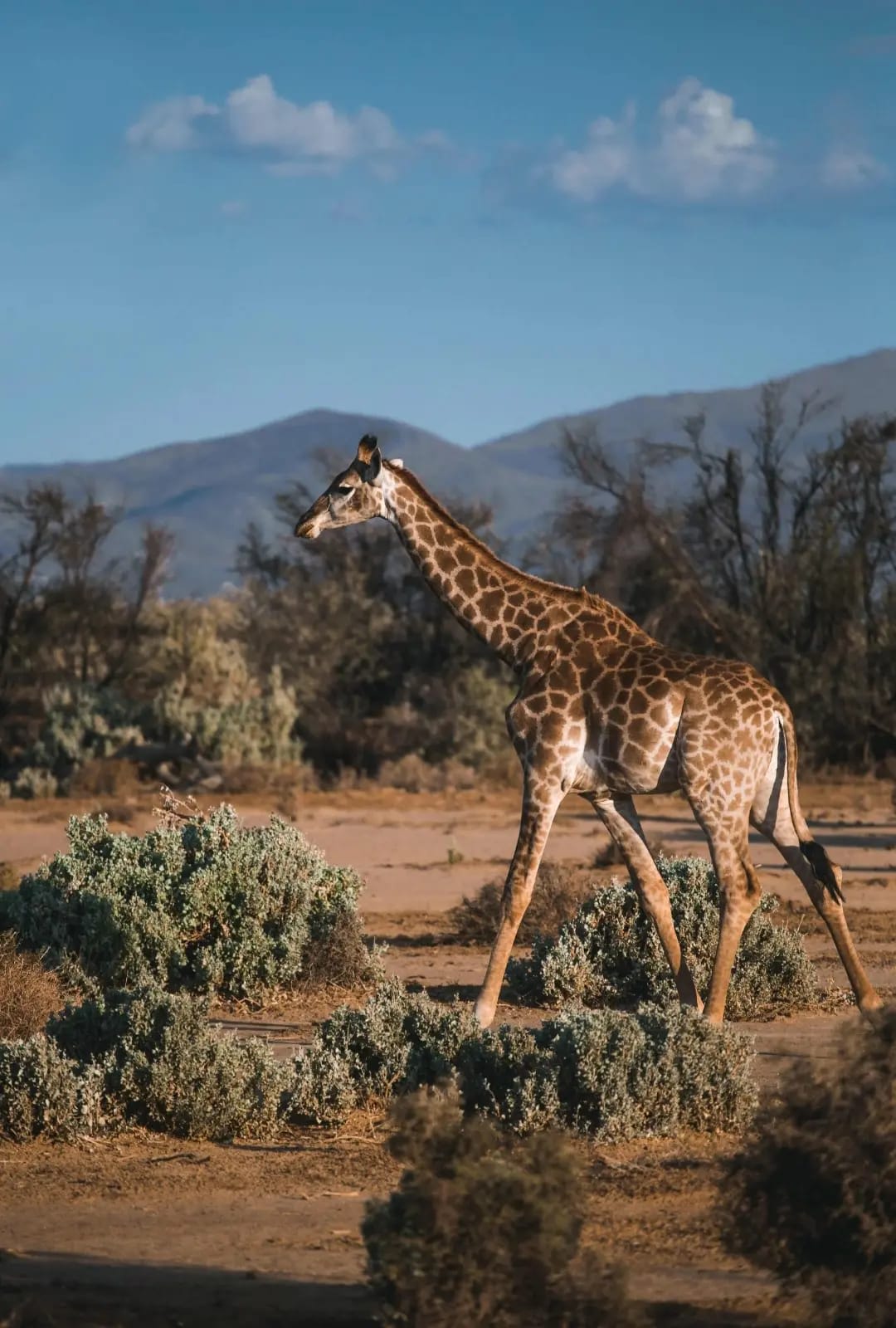
- Wildlife Diversity : While Hell’s Gate lacks large predators, it is home to herbivores like zebras, giraffes, elands, and gazelles. Smaller carnivores like hyenas and a variety of birds, including the endangered Rüppell’s vulture, inhabit the area.
📜 History and Cultural Significance
Hell’s Gate has a rich history and cultural importance for the Maasai people, who traditionally used the area for grazing. Named by explorers for its geothermal activity and hot springs, the park has fascinated visitors for decades. Established in 1984, it was created to protect the unique geological features, wildlife, and cultural heritage of the area. The Olkaria Geothermal Station, one of the largest in Africa, operates nearby, showcasing the potential of geothermal energy. .
The Maasai People : Hell’s Gate lies within traditional Maasai land, and the Maasai continue to have a cultural and historical connection to the area. The Maasai’s knowledge of the land and wildlife is integral to the park’s conservation efforts.
Geothermal Development : In 1981, the Olkaria Geothermal Station was established, harnessing the park’s geothermal energy. This development highlighted Hell’s Gate as a pioneering location for sustainable energy, balancing environmental protection and resource use.
A Filming Location : The park’s unique landscapes have inspired filmmakers, with Hell’s Gate serving as a backdrop for movies like ‘The Lion King.’ Many visitors recognize the dramatic scenery and towering cliffs featured in popular media.
The Maasai People : Hell’s Gate lies within traditional Maasai land, and the Maasai continue to have a cultural and historical connection to the area. The Maasai’s knowledge of the land and wildlife is integral to the park’s conservation efforts.
Geothermal Development : In 1981, the Olkaria Geothermal Station was established, harnessing the park’s geothermal energy. This development highlighted Hell’s Gate as a pioneering location for sustainable energy, balancing environmental protection and resource use.
A Filming Location : The park’s unique landscapes have inspired filmmakers, with Hell’s Gate serving as a backdrop for movies like ‘The Lion King.’ Many visitors recognize the dramatic scenery and towering cliffs featured in popular media.
🏃 Activities and Attractions
Hell’s Gate offers a variety of activities that appeal to nature lovers and thrill-seekers alike. From hiking and rock climbing to cycling alongside wildlife, the park’s attractions provide unforgettable experiences.
- Hiking : The Ol Njorowa Gorge provides a challenging yet rewarding hike, with opportunities to explore hot springs, navigate narrow rock passages, and admire stunning geological formations.
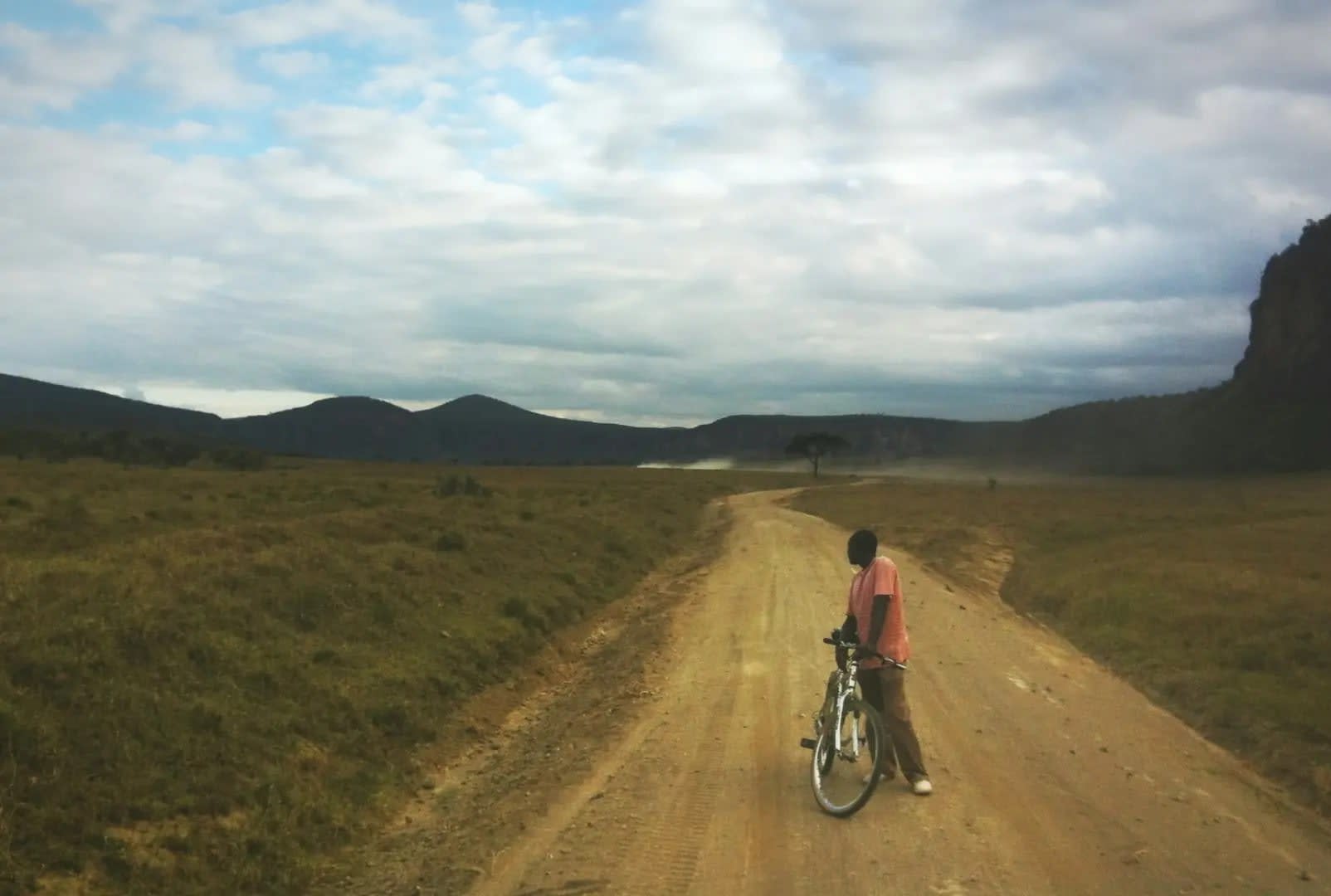
- Cycling : Hell’s Gate is one of Kenya’s only parks where visitors can rent bicycles to ride along designated paths, getting close to animals like zebras and gazelles in a safe and unique way.
- Rock Climbing : Fischer’s Tower and Central Tower are popular spots for rock climbing, offering routes suitable for both beginners and advanced climbers. These natural pillars add a thrilling adventure to the park experience.
- Geothermal Spa : The nearby Olkaria Geothermal Spa, located just outside the park, offers a relaxing opportunity to soak in warm mineral-rich waters heated by the earth’s natural processes.
- Wildlife Viewing : While Hell’s Gate lacks large predators, it is ideal for spotting herbivores and smaller mammals like hyraxes. Birdwatching is also popular, with raptors and rare vultures frequently seen soaring along the cliffs.
💡 Travel Tips
How to Get There : Hell’s Gate National Park is about 90 kilometers from Nairobi, near Lake Naivasha. Visitors can drive from Nairobi, with accessible roads leading to the main entrance. Coordinates : -0.8823° S, 36.3303° E.
Best Time to Visit : The dry season, from June to February, is the best time to visit, as wildlife is easier to spot, and the hiking trails are more accessible. However, the park is open year-round, with fewer visitors during the rainy months.
What to Bring : Essentials include comfortable hiking boots, sunscreen, a hat, and plenty of water. For those planning to cycle, renting a bike in the park or bringing your own is advisable. Don’t forget a camera to capture the park’s unique scenery.
Accommodation : There are campsites within the park, while nearby lodges and hotels around Lake Naivasha offer comfortable accommodation for a range of budgets.
Best Time to Visit : The dry season, from June to February, is the best time to visit, as wildlife is easier to spot, and the hiking trails are more accessible. However, the park is open year-round, with fewer visitors during the rainy months.
What to Bring : Essentials include comfortable hiking boots, sunscreen, a hat, and plenty of water. For those planning to cycle, renting a bike in the park or bringing your own is advisable. Don’t forget a camera to capture the park’s unique scenery.
Accommodation : There are campsites within the park, while nearby lodges and hotels around Lake Naivasha offer comfortable accommodation for a range of budgets.
🌱 Conservation Efforts
Hell’s Gate National Park is committed to conservation, particularly in preserving its unique geological features and supporting local wildlife populations. Visitors are encouraged to respect the landscape by sticking to marked paths and following Leave No Trace principles. The park collaborates with the Kenya Wildlife Service (KWS) to monitor the impact of geothermal activity on the environment and to protect endangered species, such as the Rüppell’s vulture, which nests along the cliffs. These efforts ensure that Hell’s Gate remains a natural and cultural heritage site for future generations.
Protecting Vulture Populations : The endangered Rüppell’s vulture relies on Hell’s Gate’s cliffs for nesting. Conservation programs focus on protecting these birds from habitat loss and educating visitors on their ecological role.
Sustainable Energy Practices : The park’s proximity to the Olkaria Geothermal Station highlights the potential for sustainable energy in Kenya. Efforts are made to balance energy production with environmental conservation, ensuring that geothermal development has minimal impact on the landscape.
Community Engagement : Conservation initiatives involve local communities, especially the Maasai, to promote sustainable tourism and wildlife protection. Community involvement is essential for the park’s long-term conservation success.
Protecting Vulture Populations : The endangered Rüppell’s vulture relies on Hell’s Gate’s cliffs for nesting. Conservation programs focus on protecting these birds from habitat loss and educating visitors on their ecological role.
Sustainable Energy Practices : The park’s proximity to the Olkaria Geothermal Station highlights the potential for sustainable energy in Kenya. Efforts are made to balance energy production with environmental conservation, ensuring that geothermal development has minimal impact on the landscape.
Community Engagement : Conservation initiatives involve local communities, especially the Maasai, to promote sustainable tourism and wildlife protection. Community involvement is essential for the park’s long-term conservation success.
✨ Conclusion
Hell’s Gate National Park is an extraordinary destination, combining adventure, natural beauty, and cultural significance. Its unique landscapes and geothermal activity make it a must-visit for thrill-seekers, while its commitment to conservation ensures that its ecosystems remain protected. Whether you’re hiking through the gorge, cycling alongside wildlife, or relaxing in a geothermal spa, Hell’s Gate offers a rare blend of nature, adventure, and tranquility that captures the essence of Kenya’s Rift Valley.