
Yakushima
Yakushima, located in the southern part of Japan’s Kyushu region, is an island of extraordinary natural beauty and ecological importance. Known for its ancient cedar forests, diverse wildlife, and lush rainforests, Yakushima is a UNESCO World Heritage site that offers visitors a unique opportunity to experience Japan’s natural heritage. Covering an area of approximately 504 square kilometers, the island is characterized by its mountainous terrain, rich biodiversity, and a climate that supports a variety of ecosystems. This guide provides an in-depth look at Yakushima, including its geography, history, attractions, travel tips, conservation efforts, and what visitors have to say.
🌍 Geography and Natural Features
Yakushima’s geography is defined by its mountainous landscapes, ancient forests, and diverse ecosystems, making it a captivating destination for nature enthusiasts.
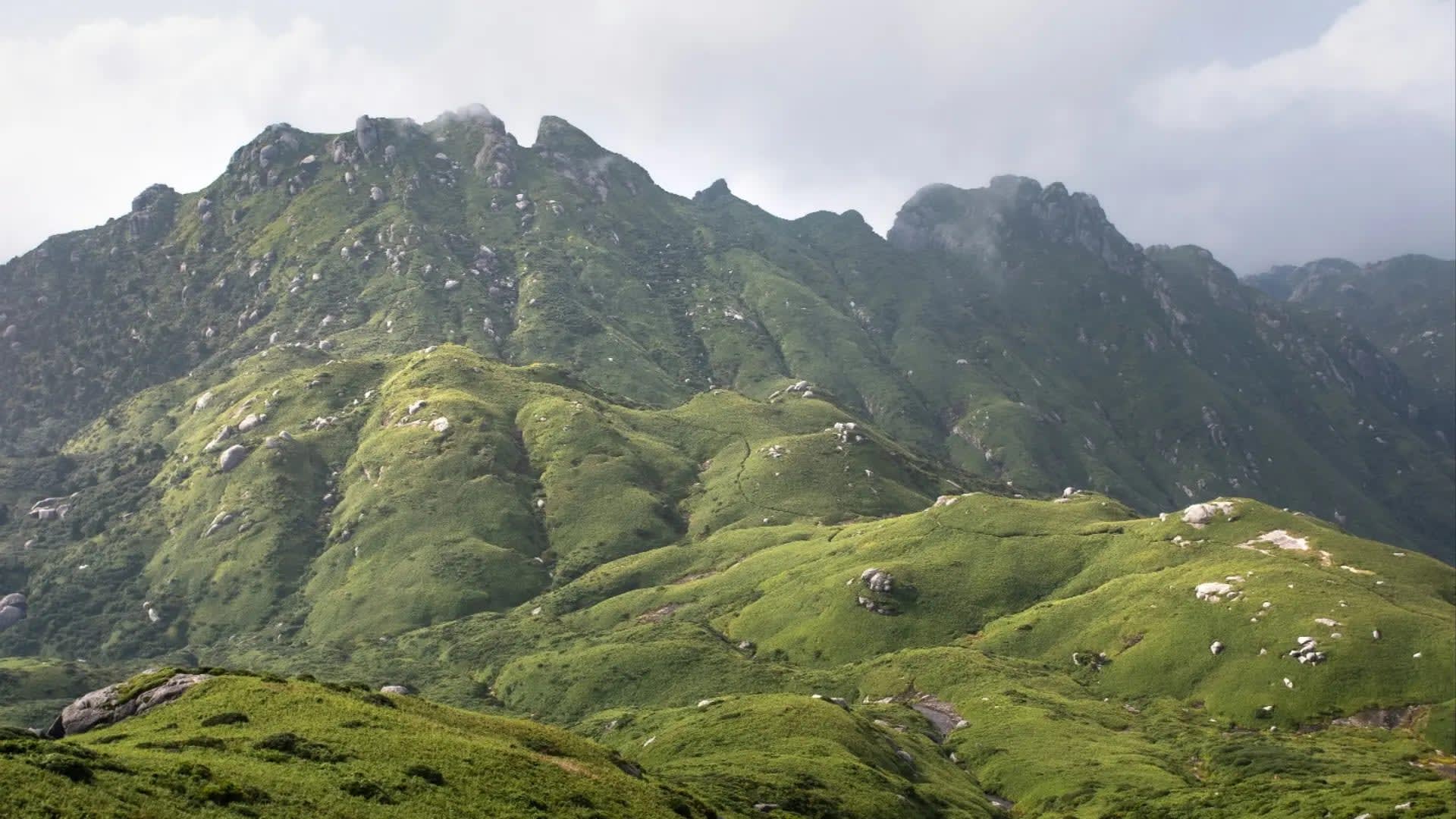
- Mountain Ranges: Yakushima is dominated by a rugged mountain range, with Mount Miyanoura (1,936 meters) being the highest peak. The island’s mountains are part of the Kyushu mountain range and are characterized by steep slopes, deep valleys, and numerous waterfalls. The mountainous terrain creates a dramatic landscape and contributes to the island’s unique ecological zones.
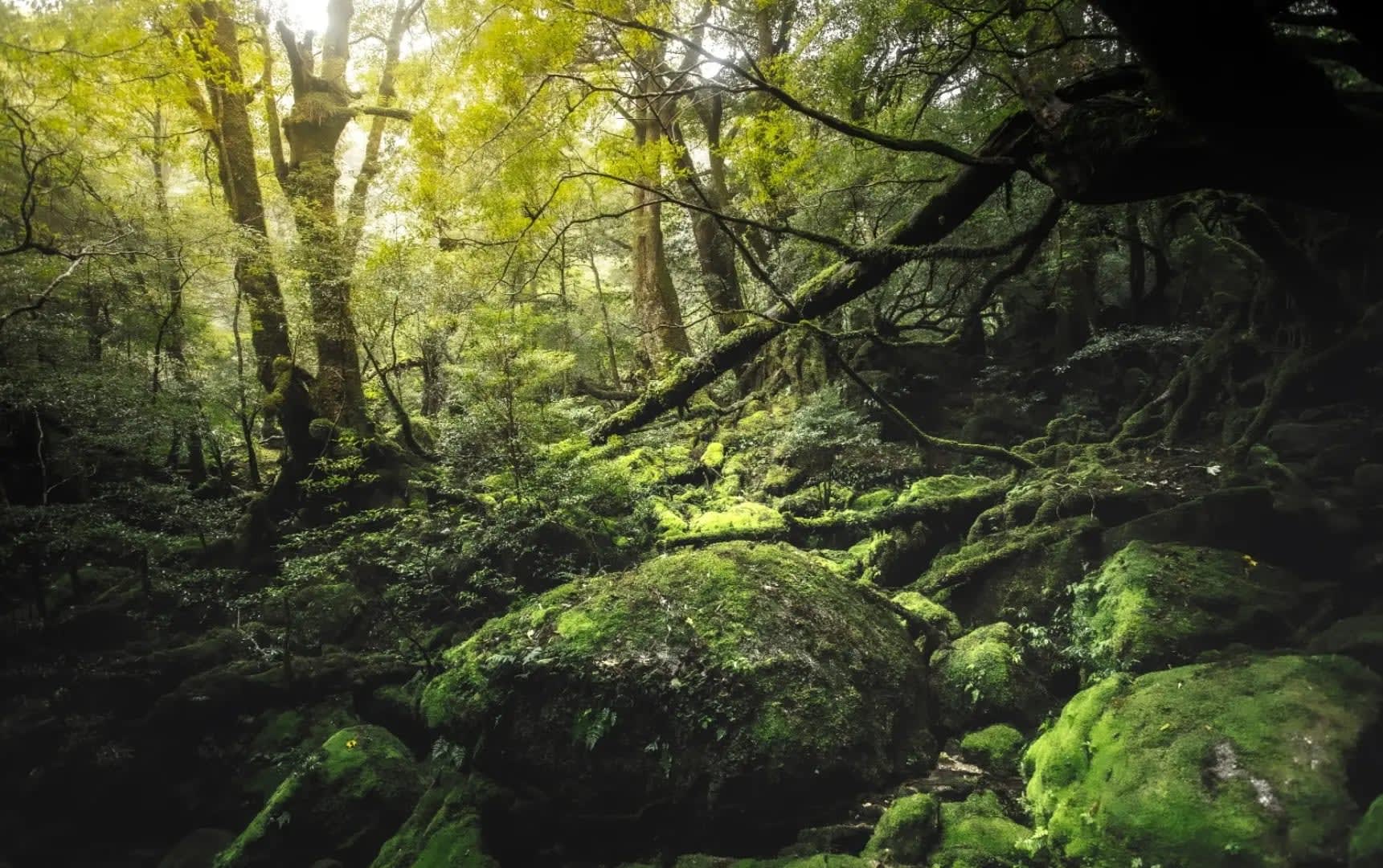
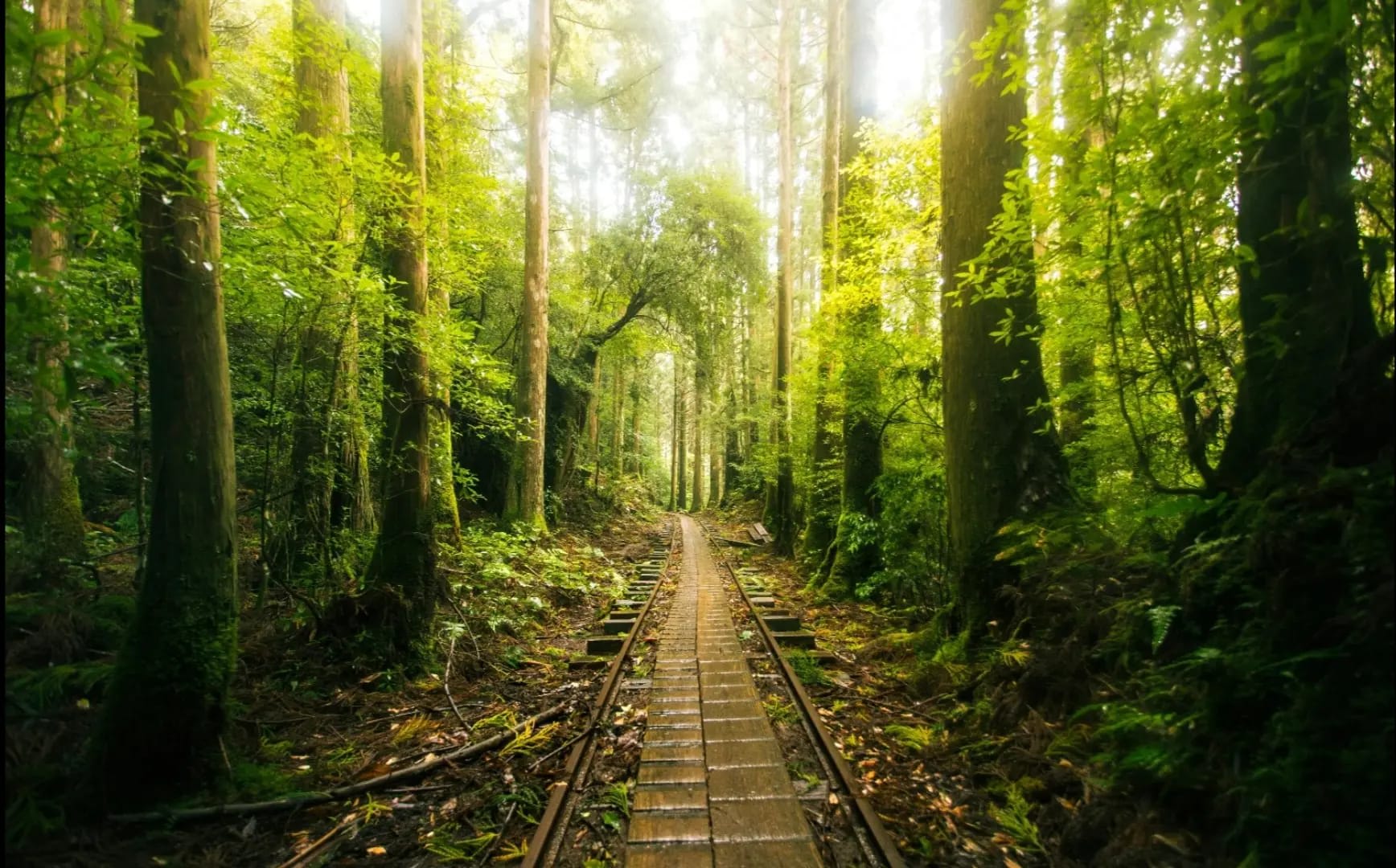
- Rainforests and Ancient Forests: The island is renowned for its ancient cedar forests, particularly the Jomon Sugi, a massive cryptomeria tree estimated to be between 2,170 and 7,200 years old. Yakushima's rainforests, which cover about one-third of the island, are a result of its high annual rainfall, averaging around 4,000 millimeters. These forests are home to a variety of plant species, including ferns, mosses, and lichens.
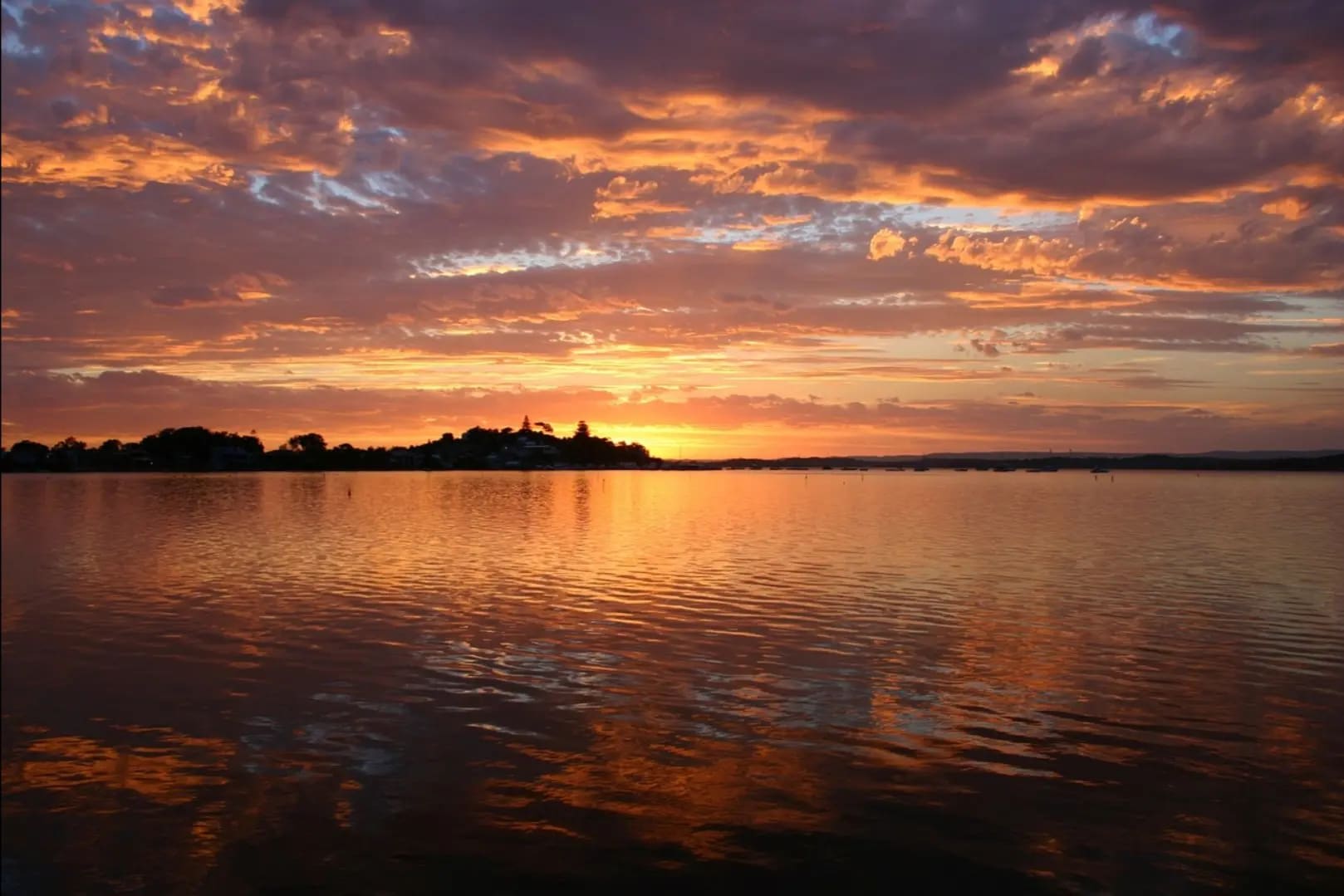
- Coastal Areas: Yakushima's coastline features beautiful beaches, rocky shores, and steep cliffs. The coastal areas are home to diverse marine life and offer opportunities for activities such as snorkeling and kayaking. Notable coastal spots include the picturesque beaches of Isso and the scenic cliffs of the Cape Numanohara.
📜 History and Cultural Significance
Yakushima has a rich cultural and historical background, influenced by its natural environment and the people who have lived there over the centuries.
Early Inhabitants: The earliest known inhabitants of Yakushima were the indigenous Jomon people, who lived on the island around 10,000 years ago. Evidence of their presence can be found in archaeological sites and ancient artifacts. The Jomon people had a deep connection with the island's natural resources, including the cedar forests and the surrounding marine environment.
Cedar Logging: In the 20th century, Yakushima experienced significant deforestation due to logging activities, particularly targeting the ancient cedar trees. The logging industry had a considerable impact on the island's environment and led to the degradation of its natural habitats. In response to these concerns, efforts were made to protect and preserve the island’s remaining forests.
UNESCO World Heritage Site: Yakushima was designated as a UNESCO World Heritage site in 1993 due to its outstanding natural value and unique biodiversity. The designation recognized the island's importance as a conservation area and highlighted the need for sustainable management practices to protect its ecological and cultural heritage.
Early Inhabitants: The earliest known inhabitants of Yakushima were the indigenous Jomon people, who lived on the island around 10,000 years ago. Evidence of their presence can be found in archaeological sites and ancient artifacts. The Jomon people had a deep connection with the island's natural resources, including the cedar forests and the surrounding marine environment.
Cedar Logging: In the 20th century, Yakushima experienced significant deforestation due to logging activities, particularly targeting the ancient cedar trees. The logging industry had a considerable impact on the island's environment and led to the degradation of its natural habitats. In response to these concerns, efforts were made to protect and preserve the island’s remaining forests.
UNESCO World Heritage Site: Yakushima was designated as a UNESCO World Heritage site in 1993 due to its outstanding natural value and unique biodiversity. The designation recognized the island's importance as a conservation area and highlighted the need for sustainable management practices to protect its ecological and cultural heritage.
🏃 Activities and Attractions
Yakushima offers a range of activities and attractions that allow visitors to experience its natural beauty and unique ecosystems.
- Hiking and Trekking: The island is renowned for its hiking trails, which offer stunning views of its mountainous terrain and ancient forests. Popular trails include the Jomon Sugi Trail, which leads to the iconic Jomon Sugi tree, and the Shiratani Unsuikyo Ravine, known for its moss-covered forests and scenic landscapes. The trails range from easy walks to challenging hikes, catering to different levels of experience.
- Wildlife Viewing: Yakushima is home to a variety of wildlife, including the Yakushima macaque, a subspecies of the Japanese macaque, and the endangered Yakushima deer. Birdwatchers can also spot several species, such as the Japanese wood pigeon and the Ryukyu robin. Wildlife viewing is a rewarding experience, especially in the island’s natural habitats and protected areas.
- Hot Springs: The island features several hot springs (onsen) where visitors can relax and unwind. Notable hot springs include the Hirauchi Kaichu Onsen, an outdoor hot spring located along the coastline, and the Yudomari Onsen, which is situated in a forested area. These natural baths offer a soothing experience amidst the island’s stunning scenery.
💡 Travel Tips
To ensure a smooth and enjoyable visit to Yakushima, consider the following travel tips:
Best Time to Visit: The best time to visit Yakushima is during the spring (March to May) and autumn (September to November) when the weather is mild and ideal for outdoor activities. The summer months can be hot and humid, with the possibility of typhoons, while winter temperatures can be cold and wet. The island’s high rainfall means that weather conditions can change rapidly, so it’s important to be prepared for all conditions.
Getting There: Yakushima is accessible by air and ferry. The island has an airport (Yakushima Airport) with flights connecting to major cities such as Kagoshima and Fukuoka. Ferries also provide transportation from Kagoshima to Yakushima. Once on the island, renting a car is recommended for exploring its various attractions and trails, as public transportation options are limited.
What to Bring: Pack appropriate clothing for outdoor activities, including rain gear, sturdy hiking boots, and layered clothing for varying weather conditions. Bring essentials such as a map or GPS device, a camera, and sufficient food and water for your hikes. It’s also a good idea to carry insect repellent and sunscreen, as the island’s natural environment can be challenging.
Best Time to Visit: The best time to visit Yakushima is during the spring (March to May) and autumn (September to November) when the weather is mild and ideal for outdoor activities. The summer months can be hot and humid, with the possibility of typhoons, while winter temperatures can be cold and wet. The island’s high rainfall means that weather conditions can change rapidly, so it’s important to be prepared for all conditions.
Getting There: Yakushima is accessible by air and ferry. The island has an airport (Yakushima Airport) with flights connecting to major cities such as Kagoshima and Fukuoka. Ferries also provide transportation from Kagoshima to Yakushima. Once on the island, renting a car is recommended for exploring its various attractions and trails, as public transportation options are limited.
What to Bring: Pack appropriate clothing for outdoor activities, including rain gear, sturdy hiking boots, and layered clothing for varying weather conditions. Bring essentials such as a map or GPS device, a camera, and sufficient food and water for your hikes. It’s also a good idea to carry insect repellent and sunscreen, as the island’s natural environment can be challenging.
🌱 Conservation
Conservation efforts in Yakushima focus on preserving its unique ecosystems and addressing the challenges posed by human activities and environmental changes.
Protected Areas: Yakushima is designated as a protected area to safeguard its natural environment and biodiversity. The island’s designation as a UNESCO World Heritage site highlights its global importance and the need for effective conservation measures. Efforts are made to manage tourism and minimize human impact on the island’s delicate ecosystems.
Reforestation Projects: In response to past deforestation, reforestation projects have been implemented to restore damaged areas and promote the growth of native vegetation. These projects aim to rehabilitate the island’s forests and ensure the survival of its iconic cedar trees and other plant species.
Sustainable Tourism: Promoting sustainable tourism practices is crucial for preserving Yakushima’s natural and cultural resources. This includes educating visitors about responsible behavior, supporting eco-friendly accommodations and activities, and participating in conservation initiatives. By being mindful of their impact, visitors can contribute to the protection of the island’s unique environment.
Protected Areas: Yakushima is designated as a protected area to safeguard its natural environment and biodiversity. The island’s designation as a UNESCO World Heritage site highlights its global importance and the need for effective conservation measures. Efforts are made to manage tourism and minimize human impact on the island’s delicate ecosystems.
Reforestation Projects: In response to past deforestation, reforestation projects have been implemented to restore damaged areas and promote the growth of native vegetation. These projects aim to rehabilitate the island’s forests and ensure the survival of its iconic cedar trees and other plant species.
Sustainable Tourism: Promoting sustainable tourism practices is crucial for preserving Yakushima’s natural and cultural resources. This includes educating visitors about responsible behavior, supporting eco-friendly accommodations and activities, and participating in conservation initiatives. By being mindful of their impact, visitors can contribute to the protection of the island’s unique environment.
✨ Conclusion
Yakushima stands out as one of Japan’s most remarkable natural destinations, offering a blend of ancient forests, diverse wildlife, and stunning landscapes. Its status as a UNESCO World Heritage site underscores its global significance and the need for ongoing conservation efforts. Whether you’re exploring its hiking trails, observing its unique wildlife, or simply enjoying the serene beauty of its rainforests, Yakushima provides an unforgettable experience that showcases the splendor of Japan’s natural heritage. The island’s commitment to preservation and sustainable tourism ensures that future generations will continue to enjoy its remarkable landscapes and ecosystems.