
Mount Fuji
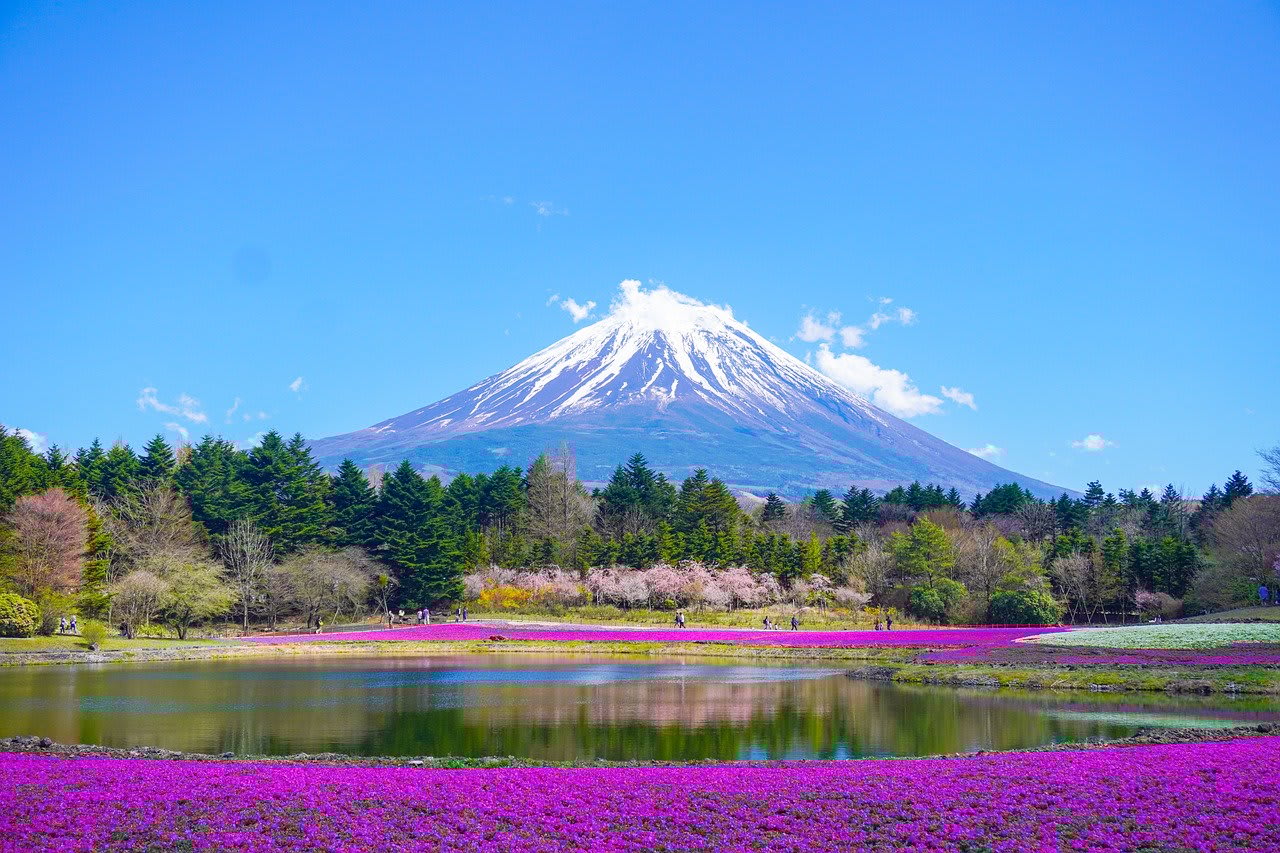
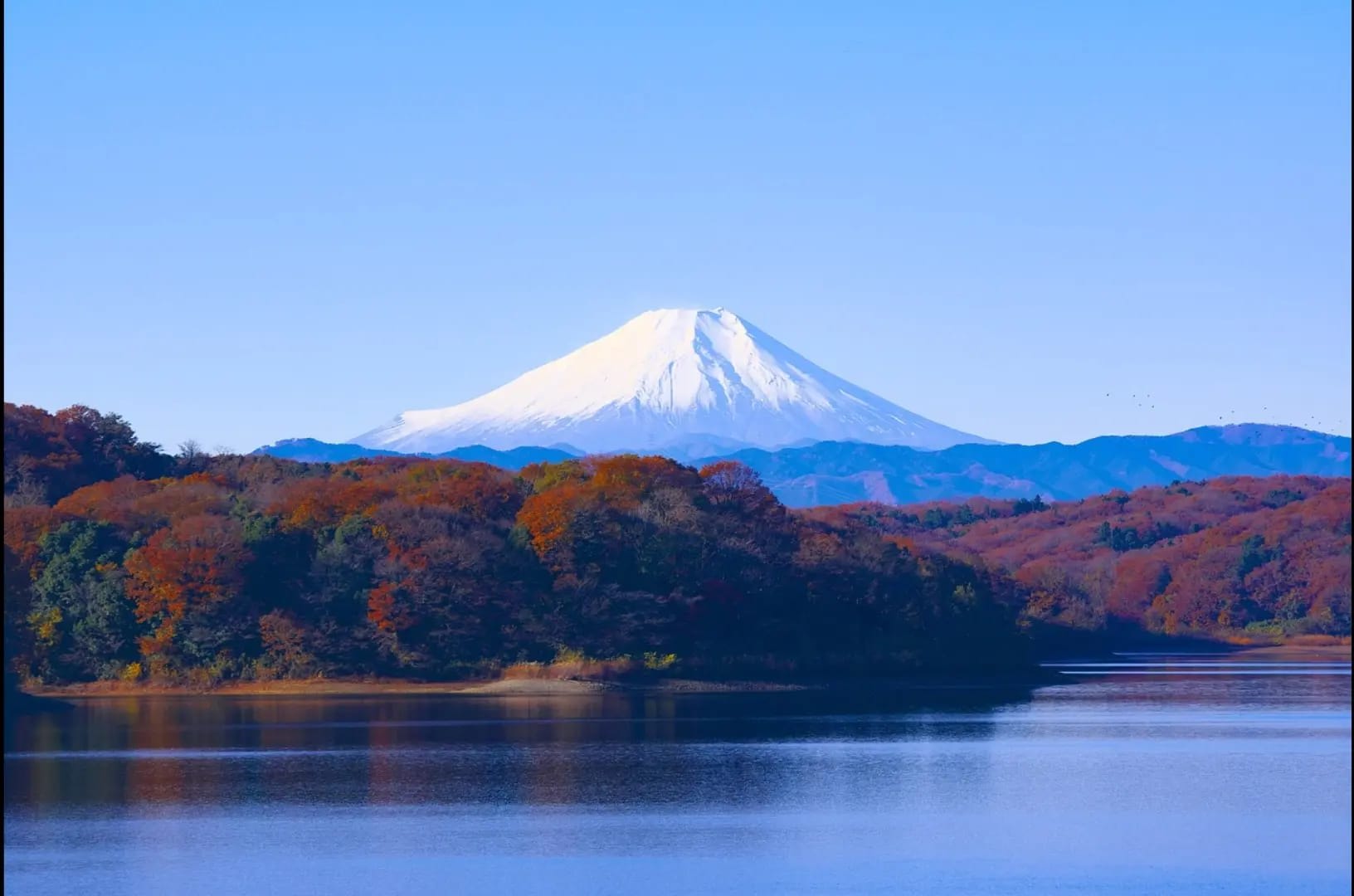
Mount Fuji, or Fujisan, is Japan's highest peak and one of the country’s most iconic symbols. Standing at 3,776 meters (12,389 feet), this majestic stratovolcano is renowned for its near-perfect symmetrical cone and breathtaking views. Located on Honshu Island, it straddles the border between Shizuoka and Yamanashi Prefectures, and its presence has inspired countless works of art, literature, and culture. This guide delves into the geography, history, activities, travel tips, conservation efforts, and visitor experiences associated with Mount Fuji.
🌍 Geography and Natural Features
Mount Fuji’s geography is as remarkable as its aesthetic appeal. The mountain’s unique features make it a focal point of natural beauty and geological interest.
- Stratovolcano Structure: Mount Fuji is a stratovolcano, characterized by its steep, conical shape formed by layers of volcanic ash, lava, and rocks. This structure contributes to its iconic appearance and its status as one of the most recognizable mountains in the world. The volcano is still considered active, although its last major eruption occurred in 1707 during the Edo period.
- Caldera and Crater: The summit of Mount Fuji features a large caldera, or volcanic crater, which is approximately 800 meters (2,625 feet) in diameter. The crater contains a small lake, known as the Hoei Crater, which formed during the 1707 eruption. The caldera offers panoramic views of the surrounding landscape and is a popular destination for climbers and hikers.
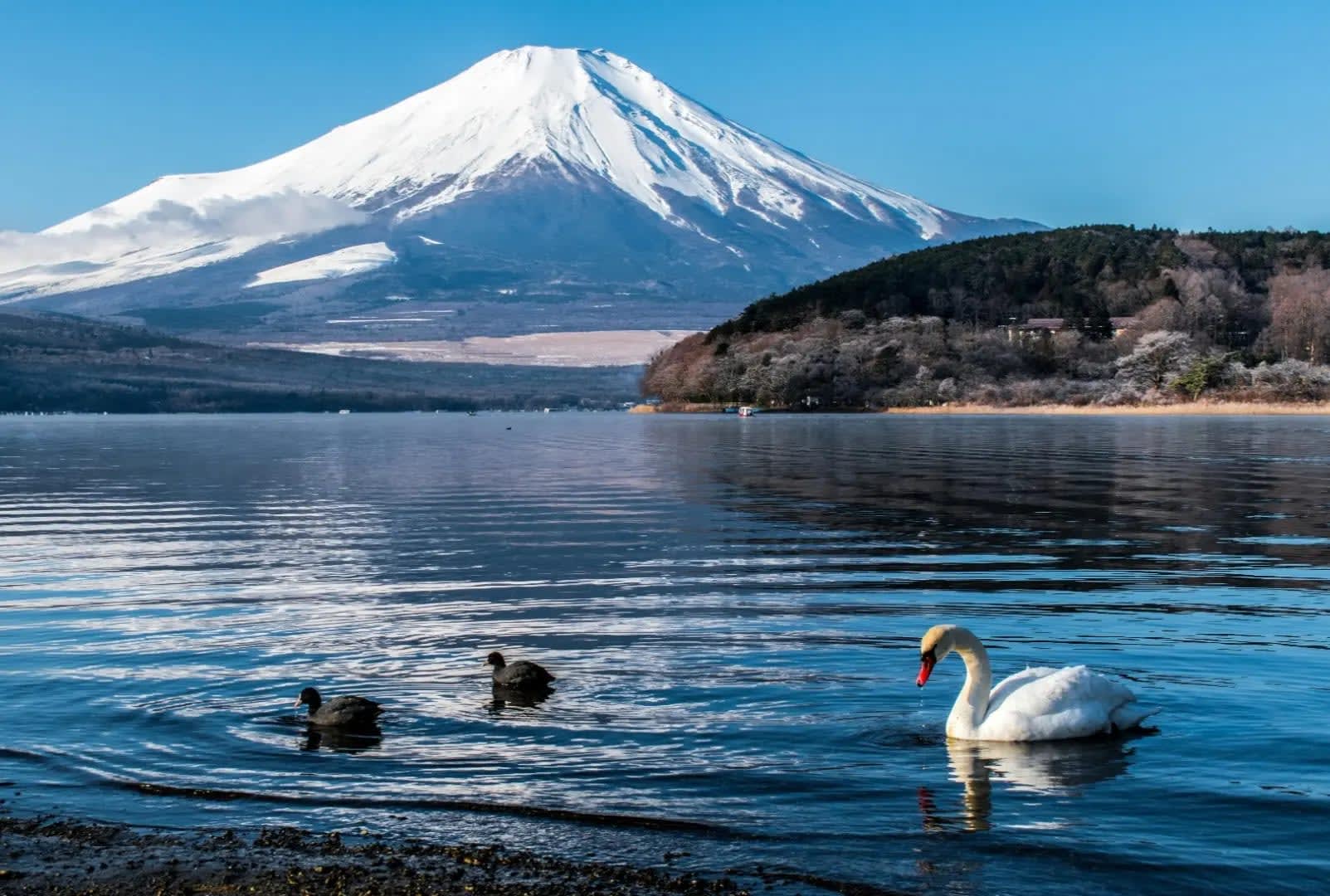
- Surrounding Landscape: The area around Mount Fuji is characterized by diverse landscapes, including lakes, forests, and volcanic plains. The five lakes at the base of the mountain—Kawaguchi, Yamanaka, Sai, Shoji, and Motosu—are popular recreational spots and offer stunning views of the mountain. The Fuji Five Lakes region is known for its scenic beauty and outdoor activities.
📜 History and Cultural Significance
Mount Fuji holds a profound place in Japanese history and culture, symbolizing beauty, spirituality, and resilience.
Religious Significance: Mount Fuji has long been a sacred site in Japanese spirituality. It is considered a holy mountain in Shinto and Buddhist traditions. Pilgrims have climbed the mountain for centuries, seeking spiritual enlightenment and purification. The mountain is also associated with the Shinto goddess Konohanasakuya-hime, who is believed to reside on its summit.
Cultural Impact: The mountain has been a source of inspiration for Japanese art and literature. One of the most famous depictions of Mount Fuji is in Hokusai’s series of woodblock prints, “Thirty-Six Views of Mount Fuji.” The mountain has also been featured in numerous poems, paintings, and other cultural works throughout Japanese history.
Modern Significance: In contemporary Japan, Mount Fuji remains a symbol of national pride and natural beauty. It was designated a UNESCO World Heritage site in 2013 in recognition of its cultural and historical importance. The designation acknowledges the mountain’s role in Japanese culture and its influence on art and literature.
Religious Significance: Mount Fuji has long been a sacred site in Japanese spirituality. It is considered a holy mountain in Shinto and Buddhist traditions. Pilgrims have climbed the mountain for centuries, seeking spiritual enlightenment and purification. The mountain is also associated with the Shinto goddess Konohanasakuya-hime, who is believed to reside on its summit.
Cultural Impact: The mountain has been a source of inspiration for Japanese art and literature. One of the most famous depictions of Mount Fuji is in Hokusai’s series of woodblock prints, “Thirty-Six Views of Mount Fuji.” The mountain has also been featured in numerous poems, paintings, and other cultural works throughout Japanese history.
Modern Significance: In contemporary Japan, Mount Fuji remains a symbol of national pride and natural beauty. It was designated a UNESCO World Heritage site in 2013 in recognition of its cultural and historical importance. The designation acknowledges the mountain’s role in Japanese culture and its influence on art and literature.
🏃 Activities and Attractions
Mount Fuji offers a range of activities and attractions for visitors, from climbing the peak to exploring the surrounding areas.
- Climbing Mount Fuji: Climbing Mount Fuji is a popular activity, particularly during the official climbing season from early July to early September. There are several routes to the summit, including the Yoshida Trail, Subashiri Trail, Gotemba Trail, and Fujinomiya Trail. Each route offers different experiences and challenges, with varying degrees of difficulty and scenic views.
- Fuji Five Lakes: The Fuji Five Lakes—Kawaguchi, Yamanaka, Sai, Shoji, and Motosu—are situated at the base of Mount Fuji and offer various recreational activities. Visitors can enjoy boating, fishing, hiking, and camping around these lakes. Each lake has its own unique features and provides different perspectives of Mount Fuji.
- Fuji Subaru Line 5th Station: The 5th Station is a popular starting point for climbers and offers facilities such as restaurants, shops, and rest areas. It is accessible by the Fuji Subaru Line, a toll road that provides scenic views of the mountain and the surrounding landscape. The 5th Station also serves as a viewpoint where visitors can enjoy panoramic views of the mountain and the surrounding region.
💡 Travel Tips
To ensure a safe and enjoyable visit to Mount Fuji, consider the following travel tips:
Best Time to Visit: The official climbing season for Mount Fuji runs from early July to early September. During this period, the weather conditions are more favorable, and facilities are open for climbers. However, the mountain can be crowded during peak season, so consider climbing early in the season or late in the season for a quieter experience. For non-climbers, visiting during the spring or autumn offers beautiful views and fewer crowds.
Getting There: Mount Fuji is accessible from Tokyo, Yokohama, and other major cities by train and bus. The Fujisan Station on the JR Chuo Line is a common starting point for those heading to the mountain. From there, buses and trains connect to various trailheads and the Fuji Subaru Line 5th Station. If driving, be aware of seasonal road closures and parking availability.
What to Bring: If climbing Mount Fuji, be sure to bring appropriate gear, including sturdy hiking boots, warm clothing, rain gear, and a headlamp. The weather at the summit can be unpredictable, so layering is essential. For non-climbers, comfortable walking shoes and sun protection are recommended. Bring a camera to capture the stunning views and natural beauty of the area.
Health and Safety: Climbing Mount Fuji requires physical fitness and preparation. Acclimate to the altitude to prevent altitude sickness and stay hydrated. Follow safety guidelines for climbing, including checking weather conditions and having a reliable map or guide. If visiting during the off-season, be aware that some facilities and routes may be closed or restricted due to weather conditions.
Best Time to Visit: The official climbing season for Mount Fuji runs from early July to early September. During this period, the weather conditions are more favorable, and facilities are open for climbers. However, the mountain can be crowded during peak season, so consider climbing early in the season or late in the season for a quieter experience. For non-climbers, visiting during the spring or autumn offers beautiful views and fewer crowds.
Getting There: Mount Fuji is accessible from Tokyo, Yokohama, and other major cities by train and bus. The Fujisan Station on the JR Chuo Line is a common starting point for those heading to the mountain. From there, buses and trains connect to various trailheads and the Fuji Subaru Line 5th Station. If driving, be aware of seasonal road closures and parking availability.
What to Bring: If climbing Mount Fuji, be sure to bring appropriate gear, including sturdy hiking boots, warm clothing, rain gear, and a headlamp. The weather at the summit can be unpredictable, so layering is essential. For non-climbers, comfortable walking shoes and sun protection are recommended. Bring a camera to capture the stunning views and natural beauty of the area.
Health and Safety: Climbing Mount Fuji requires physical fitness and preparation. Acclimate to the altitude to prevent altitude sickness and stay hydrated. Follow safety guidelines for climbing, including checking weather conditions and having a reliable map or guide. If visiting during the off-season, be aware that some facilities and routes may be closed or restricted due to weather conditions.
🌱 Conservation
Conservation efforts at Mount Fuji focus on preserving the mountain’s natural environment, cultural heritage, and visitor experience.
Environmental Protection: Efforts are made to protect the natural environment of Mount Fuji, including managing waste, preventing erosion, and preserving vegetation. The introduction of waste collection and recycling systems on the mountain helps to minimize environmental impact. Conservation programs also aim to protect the flora and fauna that inhabit the surrounding areas.
Cultural Preservation: Mount Fuji’s cultural significance is preserved through various initiatives, including the protection of historical sites and religious practices associated with the mountain. Educational programs and awareness campaigns help to inform visitors about the cultural heritage of Mount Fuji and encourage respectful behavior.
Sustainable Tourism: Promoting sustainable tourism practices helps to reduce the impact of visitors on the mountain. This includes encouraging responsible hiking practices, minimizing waste, and supporting local conservation efforts. By adopting eco-friendly practices and respecting the natural and cultural significance of Mount Fuji, visitors can contribute to its preservation.
Environmental Protection: Efforts are made to protect the natural environment of Mount Fuji, including managing waste, preventing erosion, and preserving vegetation. The introduction of waste collection and recycling systems on the mountain helps to minimize environmental impact. Conservation programs also aim to protect the flora and fauna that inhabit the surrounding areas.
Cultural Preservation: Mount Fuji’s cultural significance is preserved through various initiatives, including the protection of historical sites and religious practices associated with the mountain. Educational programs and awareness campaigns help to inform visitors about the cultural heritage of Mount Fuji and encourage respectful behavior.
Sustainable Tourism: Promoting sustainable tourism practices helps to reduce the impact of visitors on the mountain. This includes encouraging responsible hiking practices, minimizing waste, and supporting local conservation efforts. By adopting eco-friendly practices and respecting the natural and cultural significance of Mount Fuji, visitors can contribute to its preservation.
✨ Conclusion
Mount Fuji stands as a symbol of Japan’s natural grandeur and cultural richness. Its majestic presence, stunning landscapes, and spiritual significance make it a must-visit destination for travelers and nature enthusiasts. Whether you’re climbing to its summit, exploring the Fuji Five Lakes, or simply admiring its beauty from afar, Mount Fuji offers a unique and unforgettable experience. The ongoing conservation efforts ensure that this iconic mountain remains a cherished and protected treasure for future generations to enjoy.