

Okinawa Islands
The Okinawa Islands, located in the southernmost part of Japan, offer a unique and diverse experience compared to the rest of the country. Known for their subtropical climate, stunning beaches, and rich cultural heritage, these islands are a popular destination for both domestic and international travelers. The Okinawa Islands consist of several major islands and numerous smaller islets, each with its own distinct character. This guide provides an in-depth look at the geography, history, attractions, travel tips, conservation efforts, and visitor experiences in the Okinawa Islands.
🌍 Geography and Natural Features
The Okinawa Islands boast diverse geographical features that contribute to their appeal as a travel destination. From pristine beaches to lush forests, the islands offer a range of natural landscapes.
- Island Chain: The Okinawa Islands are part of the Ryukyu Archipelago, which stretches from the southern part of Japan towards Taiwan. The archipelago includes over 150 islands, with the largest and most well-known being Okinawa Island, Miyako Island, and Ishigaki Island. These islands vary in size, from large, populated areas to small, remote islets.
- Climate: The Okinawa Islands experience a subtropical climate, characterized by warm temperatures throughout the year and high humidity. Summers are hot and humid, with temperatures often exceeding 30°C (86°F), while winters are mild, with temperatures rarely dropping below 10°C (50°F). The islands also experience a rainy season from May to June, and occasional typhoons during the late summer and autumn months.
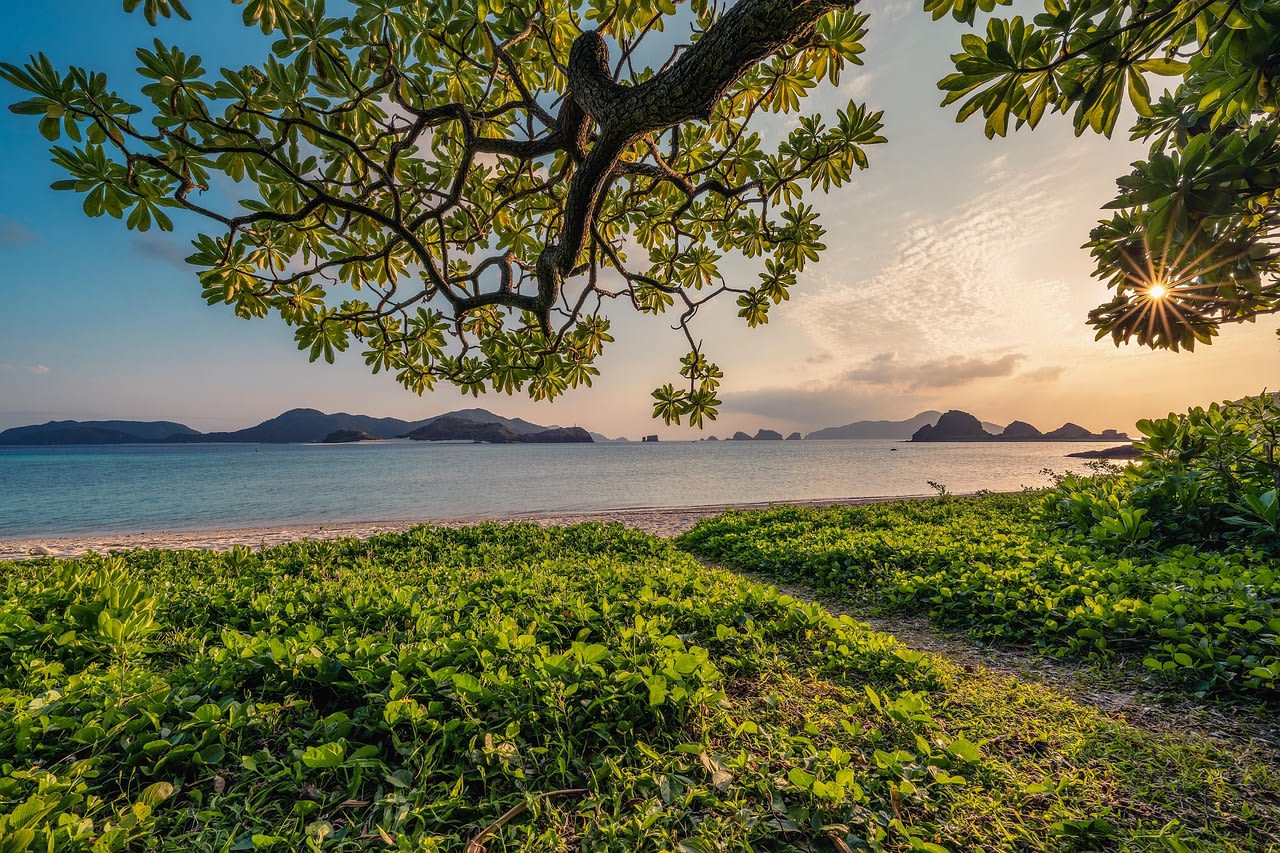
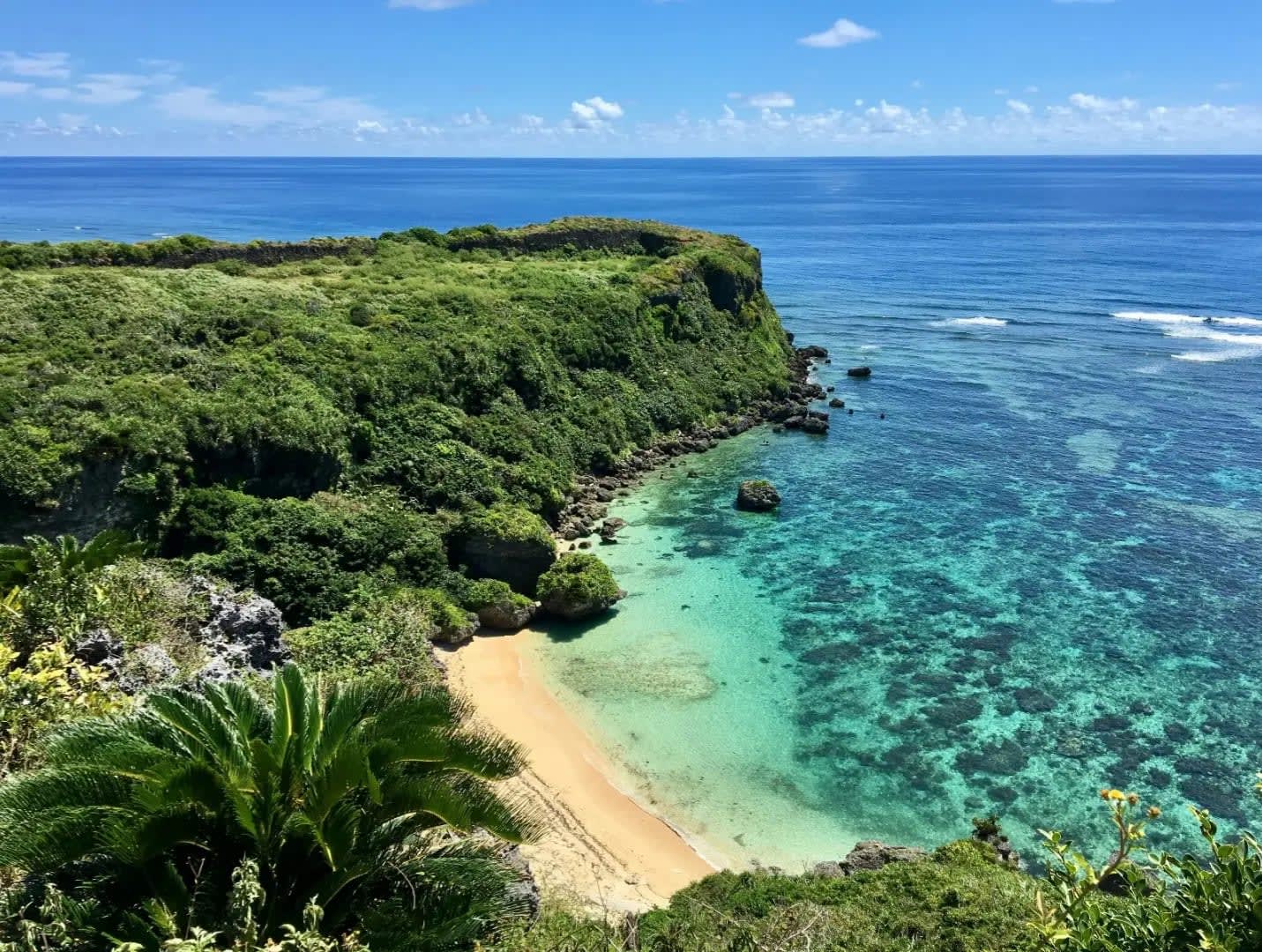
- Natural Attractions: The islands are renowned for their stunning natural beauty, including white sandy beaches, turquoise waters, and lush tropical forests. Okinawa Island is home to several notable natural attractions, such as the Yanbaru Forest, a protected area known for its diverse flora and fauna, and the Cape Manzamo, famous for its picturesque cliff formations. Other islands, like Miyako and Ishigaki, are known for their pristine coral reefs and clear waters, making them popular destinations for snorkeling and diving.
📜 History and Cultural Significance
The Okinawa Islands have a rich and complex history, influenced by various cultures and events over the centuries. Their unique heritage is an integral part of their identity.
Ancient Ryukyu Kingdom: The Okinawa Islands were once part of the Ryukyu Kingdom, an independent kingdom that existed from the 15th to the 19th centuries. The Ryukyu Kingdom was a major maritime power and a key trading hub in East Asia, with extensive trade connections to China, Korea, and Southeast Asia. The kingdom's culture, language, and traditions have had a lasting impact on the Okinawa Islands.
Japanese Annexation: In 1879, the Ryukyu Kingdom was annexed by Japan and became Okinawa Prefecture. The annexation led to significant changes in the islands' political and social structure, including the suppression of the Ryukyu language and cultural practices. Despite these changes, many aspects of Ryukyu culture have persisted and continue to be celebrated in Okinawa today.
World War II: The Okinawa Islands were the site of a major battle during World War II, known as the Battle of Okinawa, which took place from April to June 1945. The battle was one of the bloodiest in the Pacific Theater and resulted in significant destruction and loss of life. The aftermath of the battle had a profound impact on the islands, with the U.S. military occupying Okinawa until 1972, when it was returned to Japanese control. The battle's legacy is still remembered and commemorated in Okinawa, with several memorials and museums dedicated to the events of the war.
Ancient Ryukyu Kingdom: The Okinawa Islands were once part of the Ryukyu Kingdom, an independent kingdom that existed from the 15th to the 19th centuries. The Ryukyu Kingdom was a major maritime power and a key trading hub in East Asia, with extensive trade connections to China, Korea, and Southeast Asia. The kingdom's culture, language, and traditions have had a lasting impact on the Okinawa Islands.
Japanese Annexation: In 1879, the Ryukyu Kingdom was annexed by Japan and became Okinawa Prefecture. The annexation led to significant changes in the islands' political and social structure, including the suppression of the Ryukyu language and cultural practices. Despite these changes, many aspects of Ryukyu culture have persisted and continue to be celebrated in Okinawa today.
World War II: The Okinawa Islands were the site of a major battle during World War II, known as the Battle of Okinawa, which took place from April to June 1945. The battle was one of the bloodiest in the Pacific Theater and resulted in significant destruction and loss of life. The aftermath of the battle had a profound impact on the islands, with the U.S. military occupying Okinawa until 1972, when it was returned to Japanese control. The battle's legacy is still remembered and commemorated in Okinawa, with several memorials and museums dedicated to the events of the war.
🏃 Activities and Attractions
The Okinawa Islands offer a wide range of activities and attractions that cater to different interests, from outdoor adventures to cultural experiences.
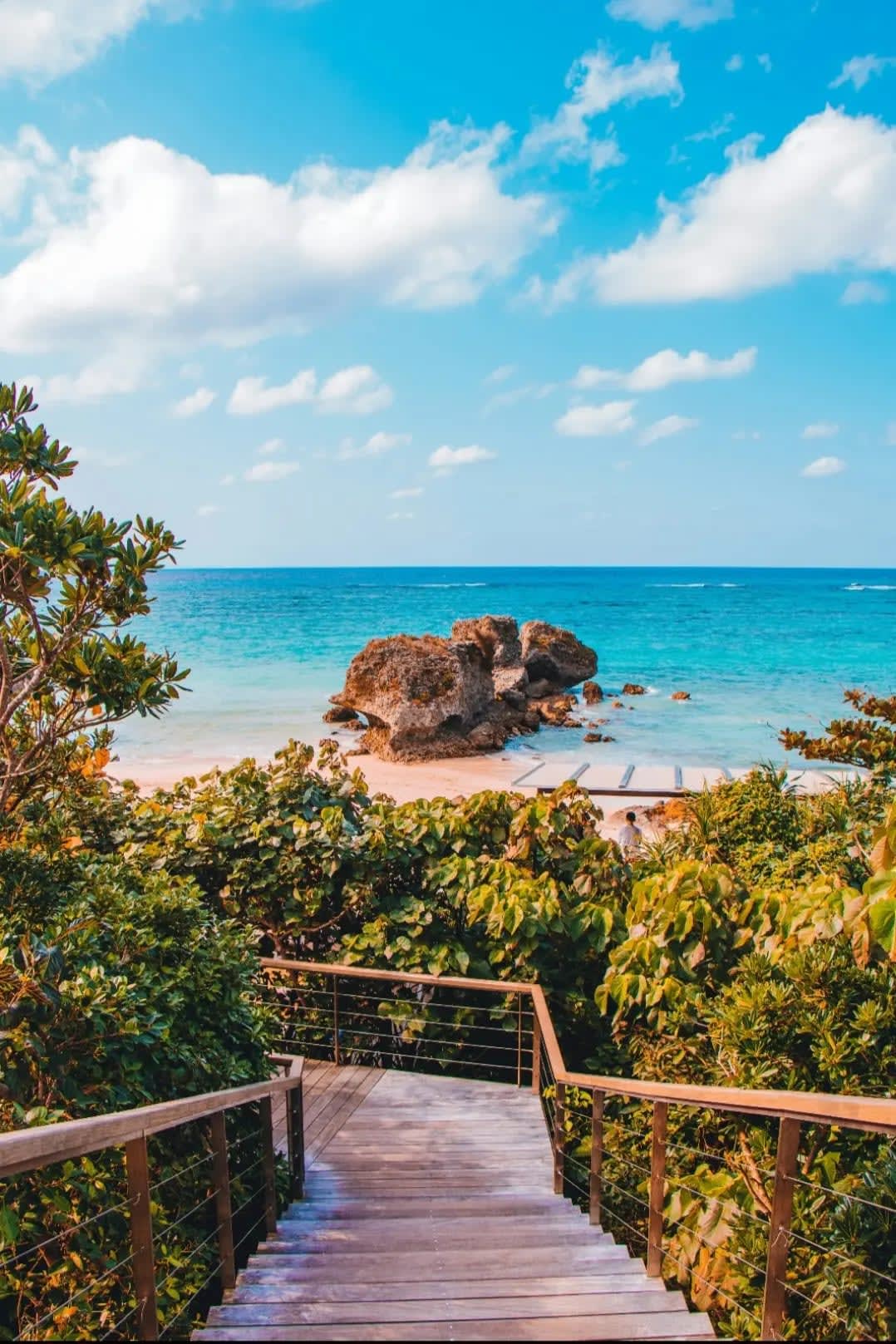
- Beaches and Water Sports: The Okinawa Islands are renowned for their beautiful beaches and clear waters, making them ideal for various water sports. Popular activities include snorkeling, scuba diving, kayaking, and paddleboarding. The beaches of Okinawa Island, such as Naminoue Beach and Emerald Beach, offer stunning views and excellent swimming opportunities. Miyako Island and Ishigaki Island are particularly famous for their vibrant coral reefs and marine life, attracting divers from around the world.
- Cultural Experiences: Visitors to Okinawa can immerse themselves in the island's rich cultural heritage by exploring traditional sites and participating in cultural activities. The Shurijo Castle, a UNESCO World Heritage site located in Naha, is a significant historical landmark that showcases the architectural and cultural achievements of the Ryukyu Kingdom. Other cultural attractions include the Okinawa Prefectural Museum, which offers insights into the island's history and art, and the traditional Okinawan festivals, such as the Eisa Dance Festival and the Okinawa International Carnival.
- Nature and Hiking: The natural beauty of the Okinawa Islands provides ample opportunities for outdoor activities and exploration. The Yanbaru Forest on Okinawa Island is a popular destination for hiking and nature walks, with trails that offer scenic views and the chance to spot endemic wildlife. Other natural attractions include the Kumejima Island's Uezu Hill, known for its panoramic vistas, and the picturesque landscape of the Kerama Islands, which are ideal for island-hopping and exploring.
💡 Travel Tips
To ensure a smooth and enjoyable visit to the Okinawa Islands, consider the following travel tips:
Best Time to Visit: The best time to visit the Okinawa Islands is during the spring (March to May) and autumn (September to November) when the weather is pleasant and ideal for outdoor activities. The summer months can be hot and humid, while the rainy season may bring heavy showers. Winter temperatures are mild but can be cooler, especially in the evenings.
Getting There: The Okinawa Islands are accessible by air from major Japanese cities, including Tokyo, Osaka, and Fukuoka. Naha Airport on Okinawa Island serves as the main gateway to the region, with flights connecting to other islands such as Miyako and Ishigaki. Ferries and domestic flights also provide transportation between the islands. Renting a car is a convenient option for exploring Okinawa Island, while public transportation and bike rentals are available on the smaller islands.
What to Bring: Pack lightweight and breathable clothing for the warm weather, as well as sun protection, such as sunscreen, a hat, and sunglasses. If you plan to participate in water sports, bring swimwear and water shoes. It is also advisable to carry a light jacket or sweater for cooler evenings and indoor air conditioning. Don’t forget to bring your camera to capture the stunning landscapes and cultural experiences.
Health and Safety: The Okinawa Islands are generally safe for visitors, but it is important to be aware of potential hazards, such as strong currents and jellyfish in the waters. Follow safety guidelines for water activities and pay attention to weather conditions, especially during the typhoon season. It is also a good idea to have travel insurance that covers medical emergencies and unexpected situations.
Best Time to Visit: The best time to visit the Okinawa Islands is during the spring (March to May) and autumn (September to November) when the weather is pleasant and ideal for outdoor activities. The summer months can be hot and humid, while the rainy season may bring heavy showers. Winter temperatures are mild but can be cooler, especially in the evenings.
Getting There: The Okinawa Islands are accessible by air from major Japanese cities, including Tokyo, Osaka, and Fukuoka. Naha Airport on Okinawa Island serves as the main gateway to the region, with flights connecting to other islands such as Miyako and Ishigaki. Ferries and domestic flights also provide transportation between the islands. Renting a car is a convenient option for exploring Okinawa Island, while public transportation and bike rentals are available on the smaller islands.
What to Bring: Pack lightweight and breathable clothing for the warm weather, as well as sun protection, such as sunscreen, a hat, and sunglasses. If you plan to participate in water sports, bring swimwear and water shoes. It is also advisable to carry a light jacket or sweater for cooler evenings and indoor air conditioning. Don’t forget to bring your camera to capture the stunning landscapes and cultural experiences.
Health and Safety: The Okinawa Islands are generally safe for visitors, but it is important to be aware of potential hazards, such as strong currents and jellyfish in the waters. Follow safety guidelines for water activities and pay attention to weather conditions, especially during the typhoon season. It is also a good idea to have travel insurance that covers medical emergencies and unexpected situations.
🌱 Conservation
Conservation efforts in the Okinawa Islands focus on preserving the region’s unique ecosystems, cultural heritage, and natural beauty.
Environmental Protection: Protecting the environment is a key focus in the Okinawa Islands, with efforts aimed at preserving coral reefs, forests, and wildlife. Conservation programs work to reduce pollution, manage waste, and prevent damage to natural habitats. Initiatives include marine protected areas, reef restoration projects, and beach clean-up campaigns to maintain the islands' ecological balance.
Cultural Preservation: Efforts are made to preserve and promote Okinawa’s cultural heritage, including traditional crafts, festivals, and historic sites. Supporting local artisans and participating in cultural events helps to sustain traditional practices and ensure that they are passed down to future generations. The protection of historical sites, such as Shurijo Castle, is also a priority to maintain the island's cultural legacy.
Sustainable Tourism: Promoting sustainable tourism practices helps to minimize the impact of visitors on the environment and local communities. This includes encouraging responsible behavior, supporting eco-friendly accommodations, and participating in conservation activities. By being mindful of their impact, visitors can contribute to the preservation of the Okinawa Islands and support the ongoing efforts to protect their natural and cultural resources.
Environmental Protection: Protecting the environment is a key focus in the Okinawa Islands, with efforts aimed at preserving coral reefs, forests, and wildlife. Conservation programs work to reduce pollution, manage waste, and prevent damage to natural habitats. Initiatives include marine protected areas, reef restoration projects, and beach clean-up campaigns to maintain the islands' ecological balance.
Cultural Preservation: Efforts are made to preserve and promote Okinawa’s cultural heritage, including traditional crafts, festivals, and historic sites. Supporting local artisans and participating in cultural events helps to sustain traditional practices and ensure that they are passed down to future generations. The protection of historical sites, such as Shurijo Castle, is also a priority to maintain the island's cultural legacy.
Sustainable Tourism: Promoting sustainable tourism practices helps to minimize the impact of visitors on the environment and local communities. This includes encouraging responsible behavior, supporting eco-friendly accommodations, and participating in conservation activities. By being mindful of their impact, visitors can contribute to the preservation of the Okinawa Islands and support the ongoing efforts to protect their natural and cultural resources.
✨ Conclusion
The Okinawa Islands offer a unique and diverse travel experience, combining natural beauty, cultural heritage, and outdoor adventures. From its stunning beaches and coral reefs to its rich history and vibrant culture, the islands provide a captivating destination for travelers seeking both relaxation and exploration. Conservation efforts ensure that the natural and cultural resources of the Okinawa Islands are preserved for future generations to enjoy. Whether you are looking to unwind on pristine beaches, immerse yourself in local traditions, or explore breathtaking landscapes, the Okinawa Islands are a tropical paradise that promises unforgettable experiences.