

Lake Biwa
Lake Biwa, located in Shiga Prefecture, is Japan's largest freshwater lake and one of the most significant geographical features in the country. Covering an area of approximately 670 square kilometers, Lake Biwa plays a crucial role in the local ecosystem, economy, and culture. Its expansive waters, diverse wildlife, and historical significance make it a popular destination for tourists and researchers alike. This guide explores Lake Biwa’s geography, history, activities, travel tips, conservation efforts, and visitor experiences, providing a comprehensive overview of this important natural landmark.
🌍 Geography and Natural Features
Lake Biwa is characterized by its vast expanse and diverse natural features. The lake’s geographical attributes contribute significantly to its ecological importance and appeal as a tourist destination.
- Size and Shape: Lake Biwa is Japan’s largest lake, with a surface area of approximately 670 square kilometers and a maximum depth of about 104 meters. The lake is roughly shaped like a bean or crescent and stretches approximately 63 kilometers from north to south. Its size and shape make it a prominent feature in the landscape of Shiga Prefecture.
- Inlets and Outlets: The lake is fed by several rivers, including the Seta River, which is the primary outflow of Lake Biwa. The Seta River flows southward into the Yodo River, eventually reaching Osaka Bay. The lake also receives water from numerous small streams and tributaries that flow into it from the surrounding mountains.
- Surrounding Landscape: The lake is bordered by scenic landscapes, including rolling hills, mountains, and fertile plains. The northern part of the lake is surrounded by the Hira Mountains, which provide a dramatic backdrop to the lake’s waters. The southern and eastern shores feature flatlands and urban areas, offering a contrast to the rugged northern terrain.
📜 History and Cultural Significance
Lake Biwa has a rich history and cultural significance, deeply intertwined with the development of the surrounding region and Japanese civilization as a whole.
Ancient Settlements: The area around Lake Biwa has been inhabited since ancient times, with archaeological evidence of early settlements and human activity. The lake’s strategic location and abundant resources made it an important site for early Japanese communities. Ancient records mention the lake as a vital resource for transportation, fishing, and agriculture.
Historical Role: Throughout history, Lake Biwa has played a significant role in the development of the surrounding region. It was an important transportation route during the feudal era, linking Kyoto with the Sea of Japan. The lake’s waters were used for moving goods and people, contributing to the economic growth of the region.
Cultural Heritage: Lake Biwa is also known for its cultural heritage, with several historic sites and landmarks located around its shores. The lake is associated with various Japanese legends, poems, and traditional practices. The Biwako Otsu Festival, held annually in Otsu City, celebrates the lake’s cultural importance with traditional performances, parades, and fireworks.
Ancient Settlements: The area around Lake Biwa has been inhabited since ancient times, with archaeological evidence of early settlements and human activity. The lake’s strategic location and abundant resources made it an important site for early Japanese communities. Ancient records mention the lake as a vital resource for transportation, fishing, and agriculture.
Historical Role: Throughout history, Lake Biwa has played a significant role in the development of the surrounding region. It was an important transportation route during the feudal era, linking Kyoto with the Sea of Japan. The lake’s waters were used for moving goods and people, contributing to the economic growth of the region.
Cultural Heritage: Lake Biwa is also known for its cultural heritage, with several historic sites and landmarks located around its shores. The lake is associated with various Japanese legends, poems, and traditional practices. The Biwako Otsu Festival, held annually in Otsu City, celebrates the lake’s cultural importance with traditional performances, parades, and fireworks.
🏃 Activities and Attractions
Lake Biwa offers a wide range of activities and attractions that highlight its natural beauty, cultural significance, and recreational opportunities.
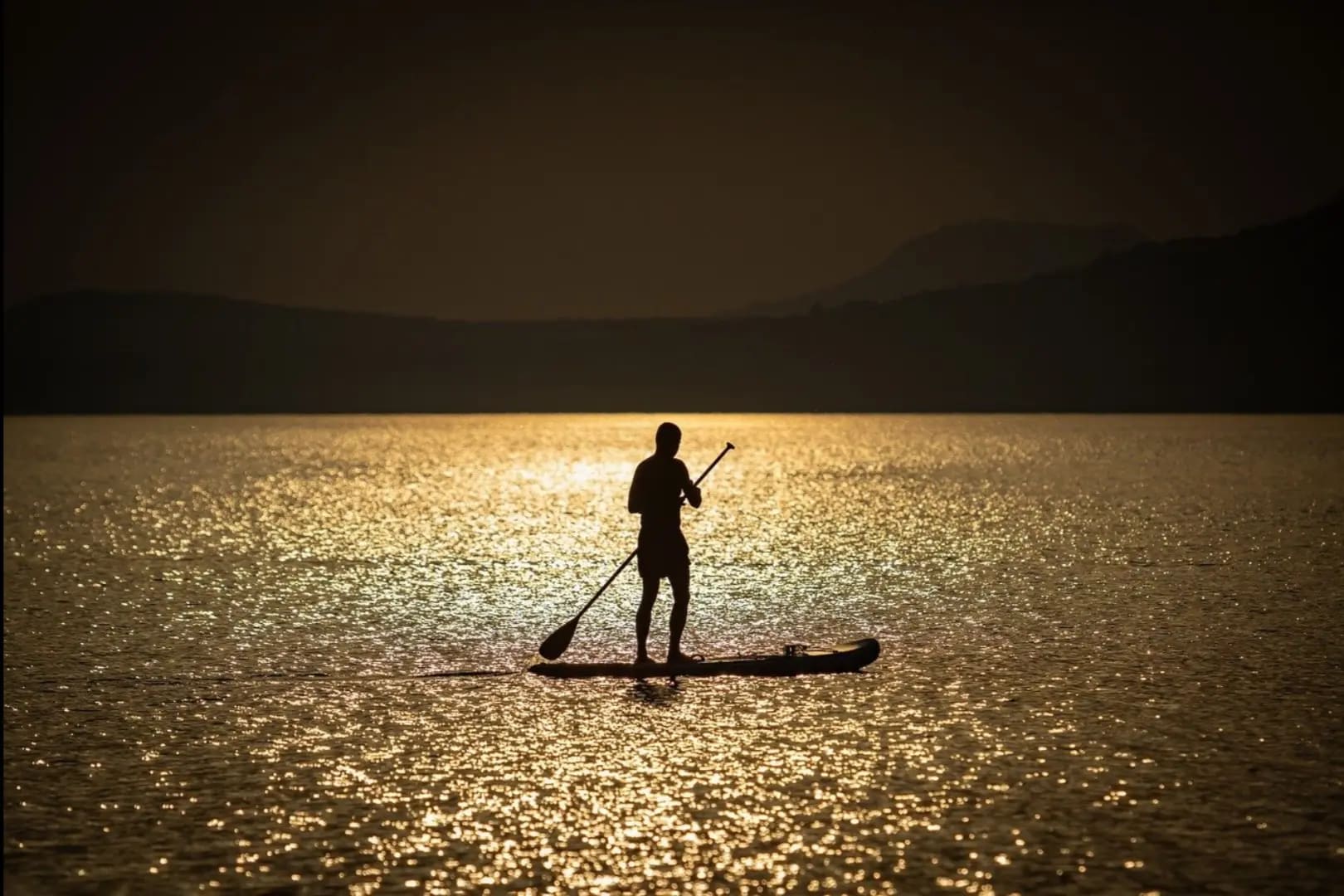
- Boating and Water Sports: Visitors to Lake Biwa can enjoy various water-based activities, including boating, kayaking, and stand-up paddleboarding. The lake’s expansive waters provide ample space for these activities, and several rental shops and tour operators offer equipment and guided tours. Fishing is also a popular activity, with opportunities to catch species such as bass, trout, and carp.
- Hiking and Nature Trails: The areas surrounding Lake Biwa offer numerous hiking and nature trails, providing opportunities to explore the scenic landscapes and enjoy panoramic views of the lake. Trails in the nearby Hira Mountains and the eastern shore offer varying levels of difficulty, catering to both casual walkers and experienced hikers. Popular hiking spots include Mount Hiei and the trails around the Biwa Lake Bivouac.
- Historical and Cultural Sites: The lake is home to several historical and cultural sites that reflect its significance in Japanese history. Notable sites include the Enryaku-ji Temple, a UNESCO World Heritage site located on Mount Hiei, and the Hikone Castle, which offers insights into the region’s feudal history. The Omi Jingu Shrine, dedicated to the deified Emperor Tenji, is another important cultural landmark.
- Hiking and Nature Trails: The areas surrounding Lake Biwa offer numerous hiking and nature trails, providing opportunities to explore the scenic landscapes and enjoy panoramic views of the lake. Trails in the nearby Hira Mountains and the eastern shore offer varying levels of difficulty, catering to both casual walkers and experienced hikers. Popular hiking spots include Mount Hiei and the trails around the Biwa Lake Bivouac.
💡 Travel Tips
To make the most of your visit to Lake Biwa, consider the following travel tips:
Best Time to Visit: The best time to visit Lake Biwa is during the spring (April to June) and autumn (September to November) when the weather is mild and the natural scenery is at its most beautiful. Spring offers blooming cherry blossoms and vibrant greenery, while autumn features colorful fall foliage. Summer (July to August) can be hot and humid, while winter (December to February) may be cold but provides opportunities for winter sports in the surrounding mountains.
Getting There: Lake Biwa is easily accessible from Kyoto and Osaka, with frequent train services connecting these cities to the lake. The JR Biwako Line runs along the lake’s western shore, providing convenient access to various towns and attractions. For those driving, there are several parking areas near popular sites and recreational spots around the lake.
What to Bring: Wear comfortable clothing and shoes suitable for outdoor activities, especially if you plan to hike or participate in water sports. Bring sun protection, such as sunscreen and a hat, as well as a camera to capture the scenic views. If you plan to engage in water activities, check if rental equipment is available or if you need to bring your own.
Health and Safety: Lake Biwa is generally safe for visitors, but be aware of potential hazards such as strong currents and varying weather conditions. Follow safety guidelines for water activities and be cautious when hiking in mountainous areas. It is advisable to check weather forecasts and be prepared for changing conditions, especially if visiting during the winter months.
Best Time to Visit: The best time to visit Lake Biwa is during the spring (April to June) and autumn (September to November) when the weather is mild and the natural scenery is at its most beautiful. Spring offers blooming cherry blossoms and vibrant greenery, while autumn features colorful fall foliage. Summer (July to August) can be hot and humid, while winter (December to February) may be cold but provides opportunities for winter sports in the surrounding mountains.
Getting There: Lake Biwa is easily accessible from Kyoto and Osaka, with frequent train services connecting these cities to the lake. The JR Biwako Line runs along the lake’s western shore, providing convenient access to various towns and attractions. For those driving, there are several parking areas near popular sites and recreational spots around the lake.
What to Bring: Wear comfortable clothing and shoes suitable for outdoor activities, especially if you plan to hike or participate in water sports. Bring sun protection, such as sunscreen and a hat, as well as a camera to capture the scenic views. If you plan to engage in water activities, check if rental equipment is available or if you need to bring your own.
Health and Safety: Lake Biwa is generally safe for visitors, but be aware of potential hazards such as strong currents and varying weather conditions. Follow safety guidelines for water activities and be cautious when hiking in mountainous areas. It is advisable to check weather forecasts and be prepared for changing conditions, especially if visiting during the winter months.
🌱 Conservation
Conservation efforts at Lake Biwa focus on preserving the lake’s natural environment, protecting its biodiversity, and promoting sustainable practices.
Environmental Protection: Protecting the water quality and natural habitats of Lake Biwa is a key focus of conservation efforts. Measures are taken to prevent pollution and manage the lake’s ecosystem to ensure that it remains healthy and sustainable. This includes monitoring water quality, managing wastewater, and controlling invasive species.
Wildlife Conservation: Lake Biwa is home to a variety of wildlife, including fish, birds, and other aquatic species. Conservation programs aim to protect these species and their habitats, ensuring that the lake’s biodiversity is maintained. Efforts are made to preserve natural habitats and support the conservation of endangered species such as the Lake Biwa salmon.
Sustainable Tourism: Promoting sustainable tourism practices helps to minimize the impact of visitors on the lake’s environment. This includes encouraging responsible behavior, reducing waste, and supporting local conservation initiatives. Educational programs and awareness campaigns aim to inform visitors about the importance of protecting the lake and its surroundings.
Environmental Protection: Protecting the water quality and natural habitats of Lake Biwa is a key focus of conservation efforts. Measures are taken to prevent pollution and manage the lake’s ecosystem to ensure that it remains healthy and sustainable. This includes monitoring water quality, managing wastewater, and controlling invasive species.
Wildlife Conservation: Lake Biwa is home to a variety of wildlife, including fish, birds, and other aquatic species. Conservation programs aim to protect these species and their habitats, ensuring that the lake’s biodiversity is maintained. Efforts are made to preserve natural habitats and support the conservation of endangered species such as the Lake Biwa salmon.
Sustainable Tourism: Promoting sustainable tourism practices helps to minimize the impact of visitors on the lake’s environment. This includes encouraging responsible behavior, reducing waste, and supporting local conservation initiatives. Educational programs and awareness campaigns aim to inform visitors about the importance of protecting the lake and its surroundings.
✨ Conclusion
Lake Biwa stands as a significant natural landmark in Japan, offering a blend of scenic beauty, historical depth, and recreational opportunities. As Japan’s largest freshwater lake, it plays a vital role in the region’s ecology and culture. Whether you’re exploring its terraced shores, engaging in water sports, or visiting historical sites, Lake Biwa provides a unique and memorable experience. The ongoing conservation efforts ensure that this remarkable natural treasure will continue to be preserved for future generations to enjoy. A visit to Lake Biwa offers a chance to connect with Japan’s natural and cultural heritage in a truly special way.


