
Daisetsuzan
Daisetsuzan, located in Japan's northernmost island of Hokkaido, is a region of unparalleled natural splendor and ecological significance. As Japan’s largest national park, spanning over 2,267 square kilometers, it is renowned for its towering volcanic peaks, pristine alpine meadows, and vast untouched wilderness. Daisetsuzan’s diverse ecosystems, from ancient forests to expansive plateaus, support a rich variety of wildlife and plant species, making it a key site for biodiversity conservation. As a symbol of Japan's natural heritage, the park offers visitors an exceptional opportunity to engage with the country's wild frontier. This comprehensive guide delves into the geography, history, major attractions, visitor insights, and ongoing conservation efforts that make Daisetsuzan a leading destination for nature enthusiasts and a model for sustainable tourism.
🌍 Geography and Natural Features
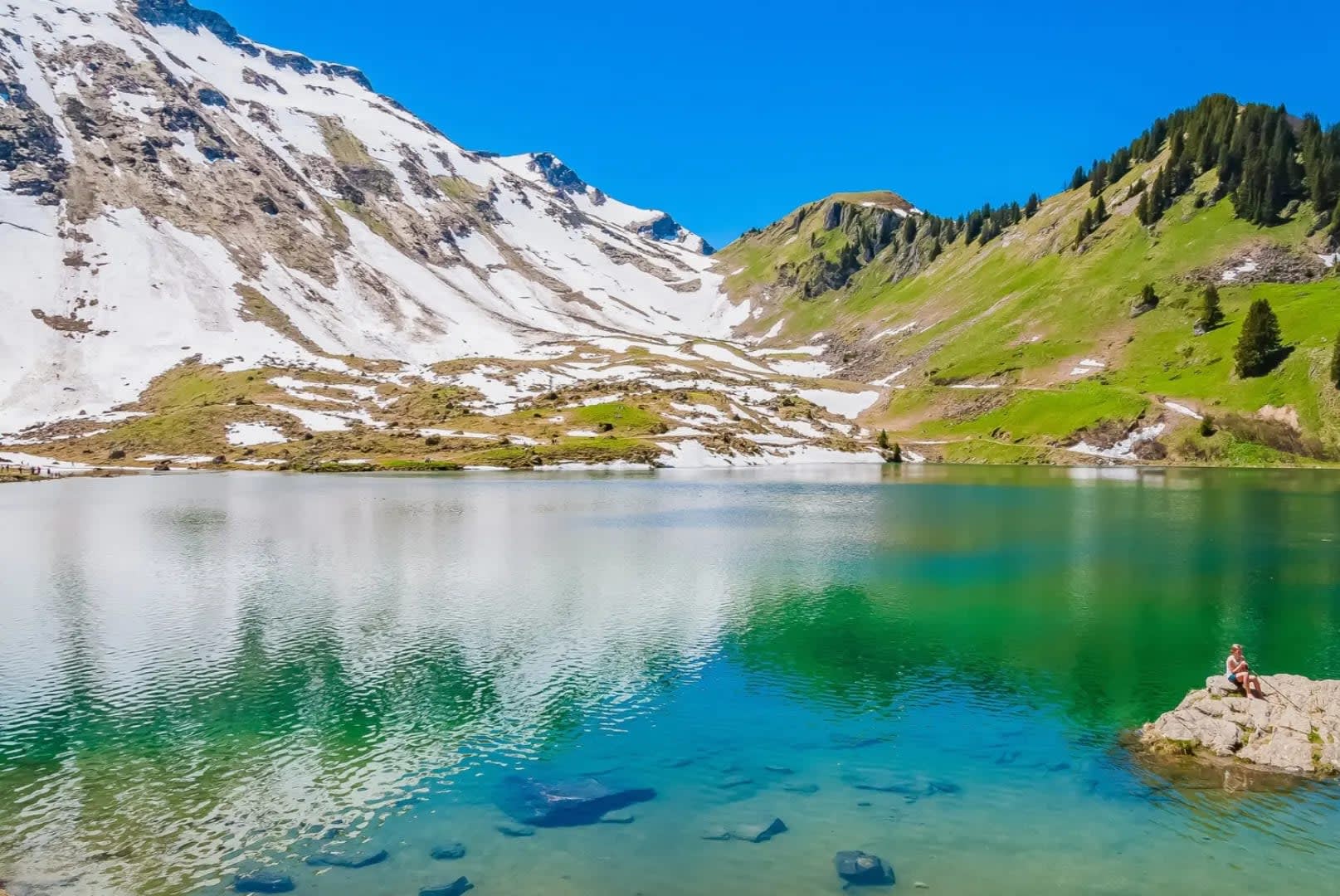
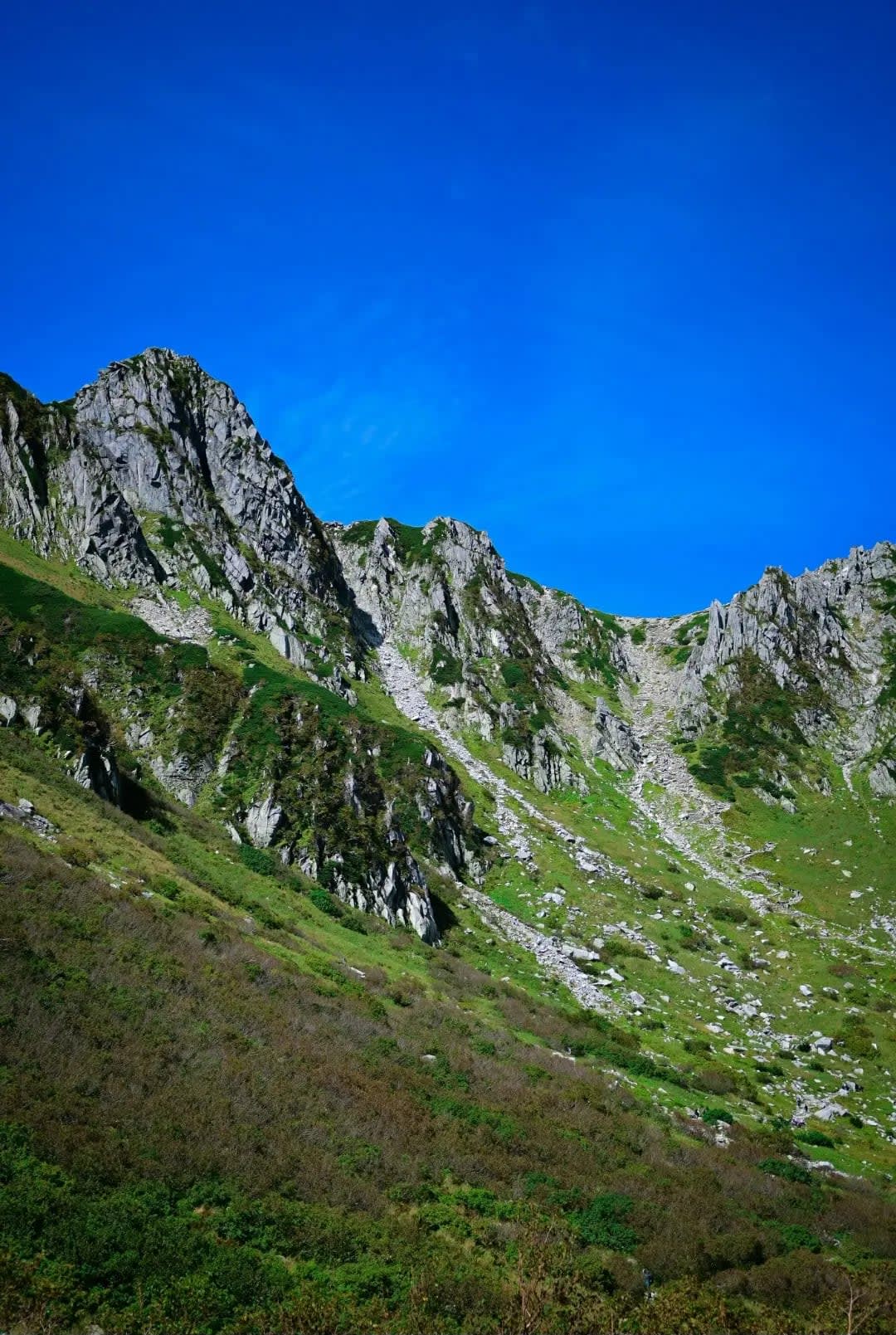
- Mountain Ranges: Daisetsuzan is dominated by its volcanic mountain range, with Mount Asahidake (2,291 meters) standing as the highest peak in Hokkaido. The park's rugged terrain, shaped by volcanic activity, features dramatic landscapes of steep cliffs, glacial lakes, and sweeping valleys. This unique geography supports a range of ecological zones, from alpine tundra to dense forests, offering visitors a dynamic experience of Japan's wilderness.
- Alpine Meadows and Forests: Daisetsuzan is home to pristine alpine meadows, rich in wildflowers during summer months, and vast forests that cover its lower elevations. These ancient forests, a mix of deciduous and evergreen species, create a haven for wildlife, including brown bears, Ezo deer, and over 250 species of birds. The park’s flora and fauna thrive in its varied climate, which ranges from cool alpine environments to more temperate forest zones.
- Volcanic Plateaus and Hot Springs: The volcanic origins of Daisetsuzan are evident in its geothermal activity. The park is dotted with fumaroles, hot springs, and volcanic plateaus, creating opportunities for visitors to enjoy natural hot spring baths (onsen) while taking in breathtaking views of the surrounding peaks. The Asahidake Onsen and Tenninkyo Onsen are among the most popular spots for relaxation and rejuvenation.
📜 History and Cultural Significance
Indigenous Heritage: The Ainu people, Hokkaido’s indigenous inhabitants, have held a profound connection to the Daisetsuzan region for millennia. The mountains are considered sacred, symbolizing a powerful link between the Ainu’s spiritual beliefs and the natural environment. Evidence of their heritage is preserved through oral traditions and cultural practices deeply tied to the region’s natural resources.
Conservation Milestones: By the early 20th century, recognition of Daisetsuzan’s unique ecosystems led to the creation of Japan’s first national park in Hokkaido in 1934, with Daisetsuzan at its heart. This milestone was a major step toward the preservation of its untouched wilderness and the promotion of sustainable tourism.
World Heritage and Beyond: While not a UNESCO World Heritage site, Daisetsuzan remains one of Japan’s most important natural treasures. The park has become a model for conservation and environmental stewardship, emphasizing the importance of maintaining its biodiversity and promoting eco-friendly practices to protect its cultural and ecological legacy for future generations.
🏃 Activities and Attractions
- Hiking and Trekking: As Japan’s largest national park, Daisetsuzan is renowned for its expansive network of hiking trails, which traverse dramatic volcanic landscapes, alpine meadows, and ancient forests. Signature routes include the Asahidake Trail, leading to Hokkaido’s tallest peak, and the Kurodake Trail, known for its sweeping panoramic views. Trails range from leisurely walks to challenging ascents, catering to both casual explorers and seasoned adventurers.
- Wildlife Viewing: Daisetsuzan is a biodiversity hotspot, home to iconic species such as the Hokkaido brown bear, the Ezo deer, and a variety of rare bird species including the black woodpecker. Nature enthusiasts can enjoy rewarding wildlife encounters while exploring the park’s protected habitats, offering an unparalleled glimpse into Hokkaido’s unique fauna.
- Hot Springs: After a day of exploration, visitors can relax in one of the many hot springs (onsen) scattered throughout Daisetsuzan. Notable onsen include Sounkyo Gorge’s natural baths, surrounded by dramatic cliffs, and the secluded Tenninkyo Onsen, nestled within lush forests. These hot springs provide a perfect way to unwind while enjoying the pristine natural surroundings.
💡 Travel Tips
Best Time to Visit: The ideal times to explore Daisetsuzan are during the spring (April to June) and autumn (September to October). During these seasons, visitors can enjoy mild weather and stunning fall foliage, perfect for outdoor activities. Summer can bring warm temperatures, while winter showcases beautiful snow-covered landscapes, but can be quite cold. Due to the region’s unpredictable weather, it’s crucial to prepare for varying conditions at all times.
Getting There: Daisetsuzan is accessible by air and road. The nearest major airport is Asahikawa Airport, with connections to major cities like Tokyo and Sapporo. From there, rental cars or local buses can take you to the park. It’s advisable to rent a car for flexibility, as public transportation options within the park are limited.
What to Bring: Pack appropriate clothing for outdoor activities, including waterproof jackets, sturdy hiking boots, and layered clothing for fluctuating temperatures. Essential items include a detailed map or GPS device, a camera to capture the breathtaking landscapes, and enough food and water for your hikes. Additionally, consider bringing insect repellent and sunscreen, as the varied terrain can present challenges during your explorations.
🌱 Conservation
Protected Areas: Daisetsuzan is designated as a national park to safeguard its stunning natural environment and rich biodiversity. The park's significance as a critical ecological region underscores the need for effective conservation measures. Efforts are continually made to manage tourism and minimize human impact on the delicate ecosystems within the park.
Reforestation Projects: In response to historical deforestation and environmental degradation, various reforestation initiatives have been established to restore affected areas and promote the growth of native flora. These projects aim to rehabilitate the park’s forests, ensuring the survival of iconic species and maintaining ecological balance.
Sustainable Tourism: Encouraging sustainable tourism practices is essential for the preservation of Daisetsuzan’s natural and cultural resources. This includes educating visitors about responsible behavior, supporting eco-friendly accommodations and activities, and actively participating in conservation initiatives. By being mindful of their impact, visitors can play a significant role in protecting the unique environment of Daisetsuzan.