Blue Lagoon
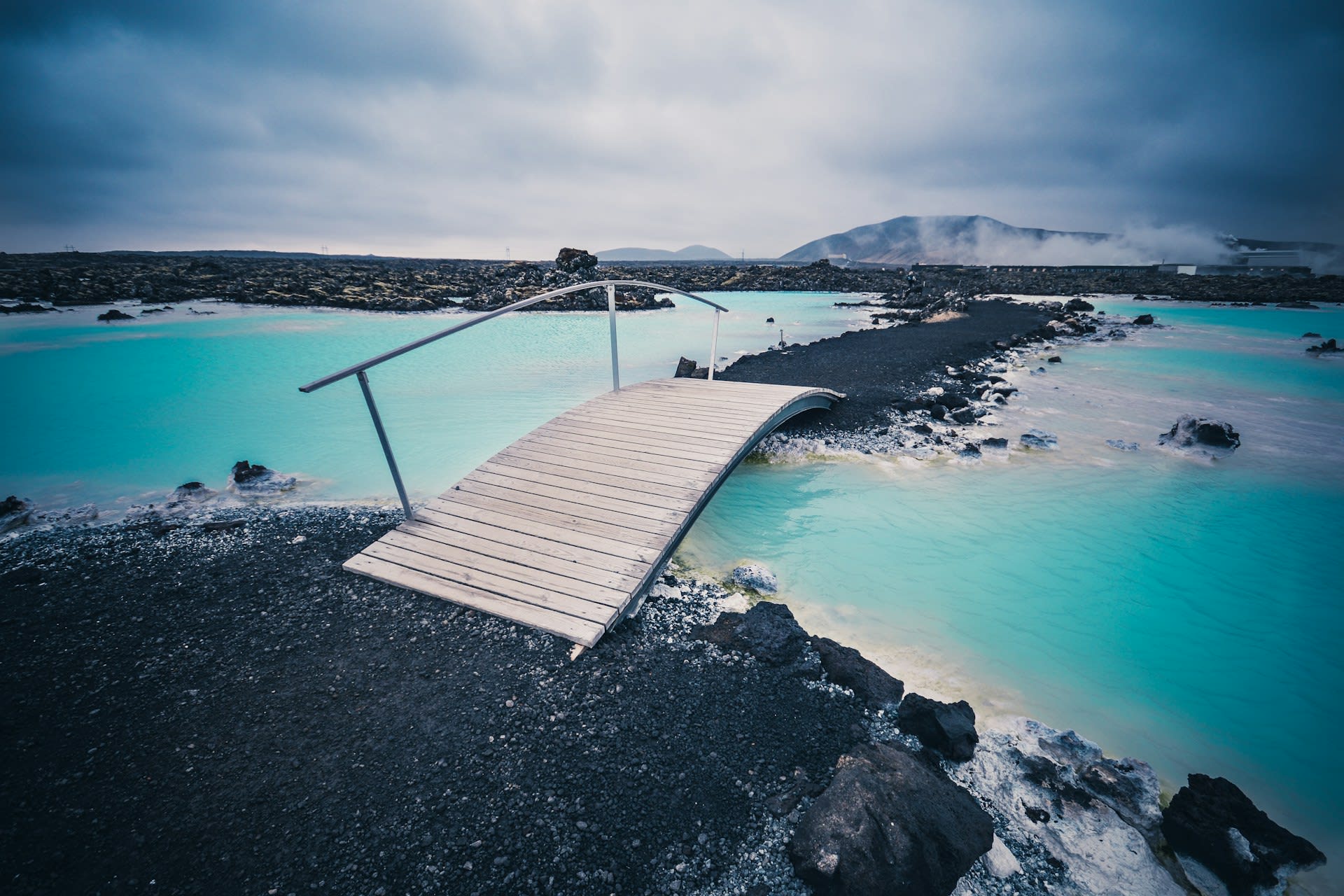
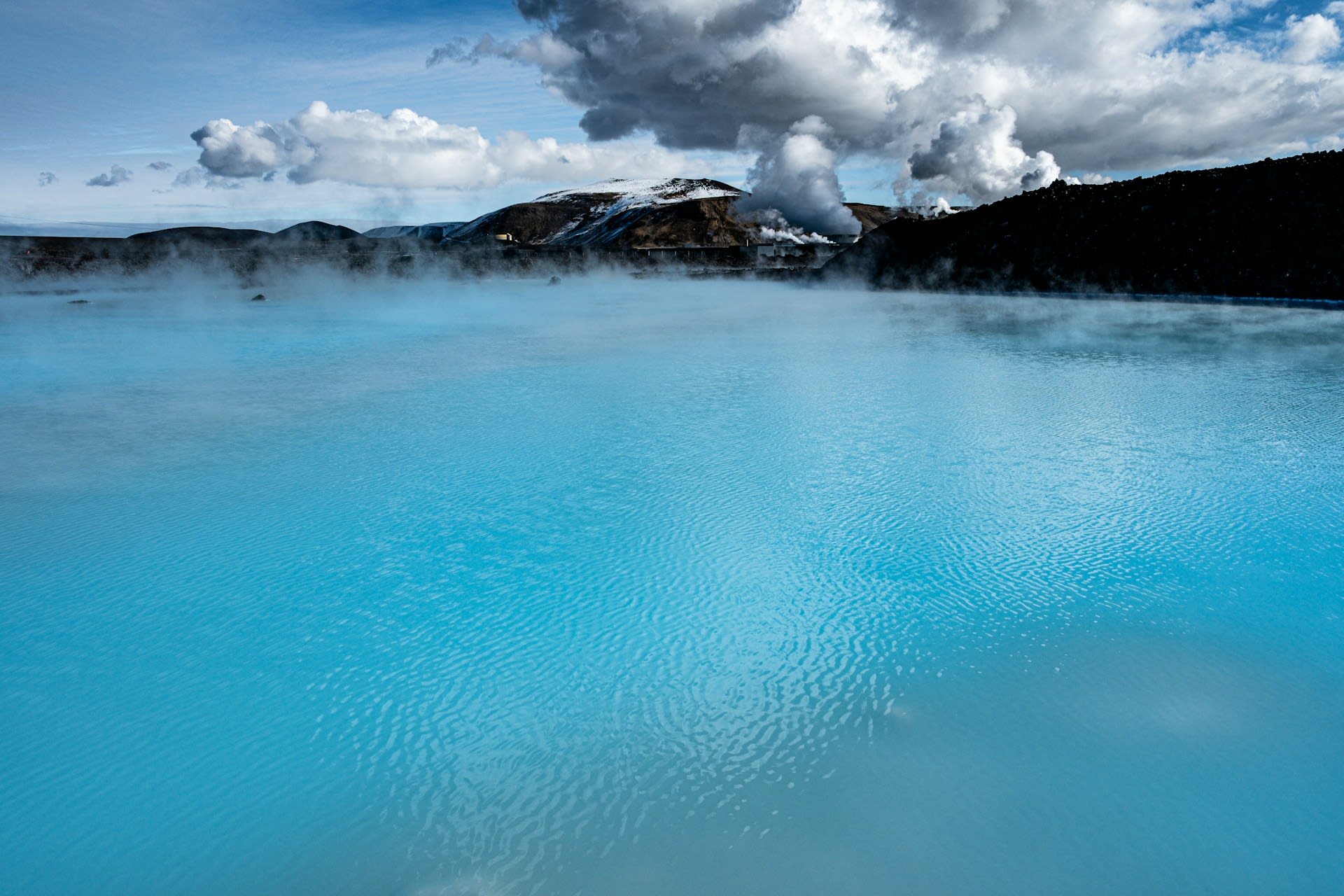
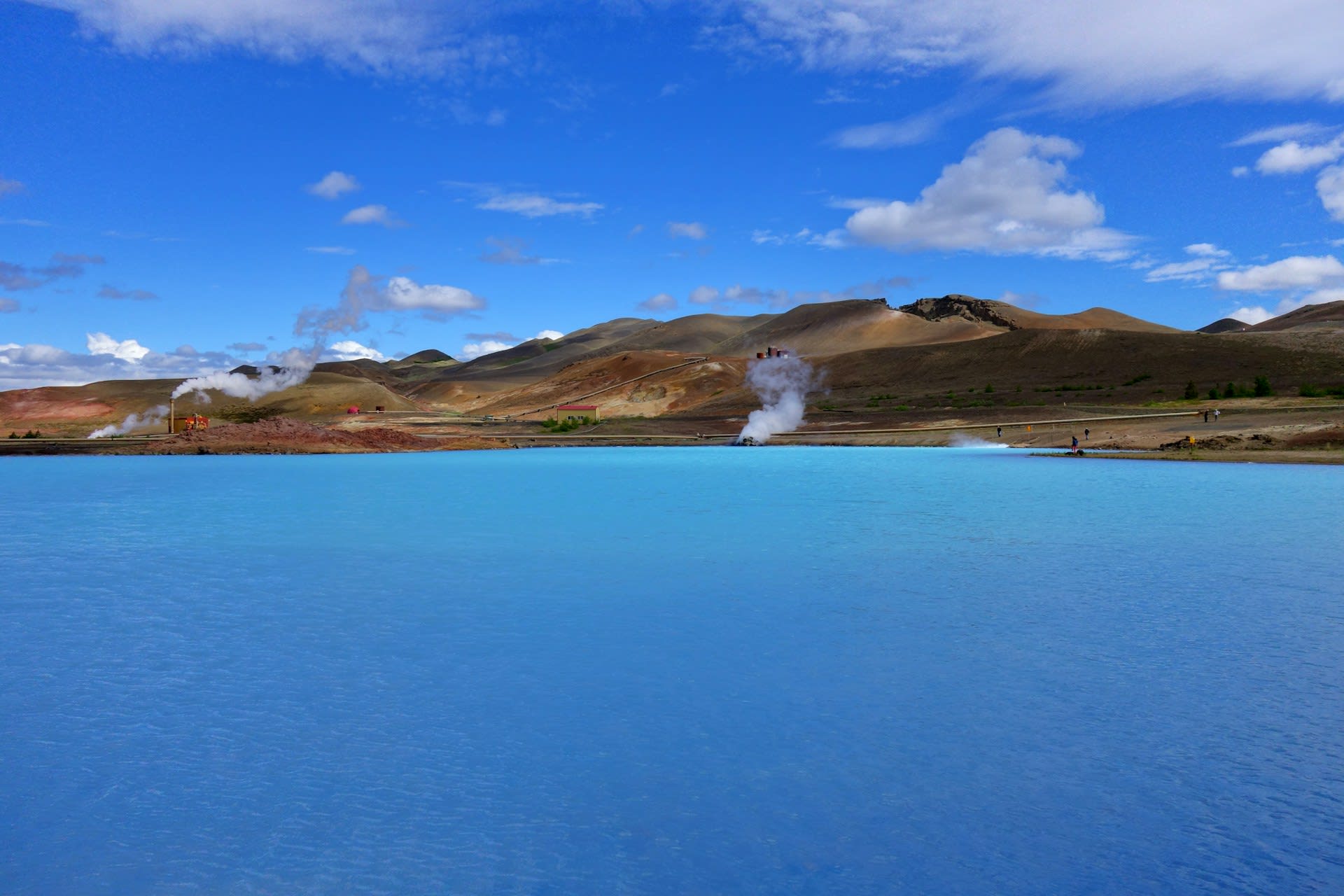
The Blue Lagoon (Icelandic: Bláa lónið) is the most visited natural attraction in Iceland and one of the most recognisable geothermal landscapes on Earth, drawing over 1 million visitors per year to its surreal expanse of milky-blue water set within a dramatic field of black Younger Dryas lava on the Reykjanes Peninsula. The lagoon covers approximately 8,700 square metres and maintains a constant temperature of 37–40°C year-round, fed by geothermal seawater drawn from 2,000 metres underground by the adjacent Svartsengi geothermal power plant. The water's extraordinary opaque turquoise colour results from the high concentration of silica, algae, and minerals including sulphur, which scatter blue wavelengths of light uniquely. Contrary to appearances, the lagoon is not a natural lake but the engineered runoff pond of the power station — a happy geological accident discovered in 1981 when a local worker found the mineral-rich water had beneficial effects on skin conditions including psoriasis.
🌍 Geography and Ecosystem
- Silica Mud Bottom: White silica precipitates continuously from the supersaturated geothermal water and settles as a soft, clay-like sediment on the lagoon floor. Visitors scoop handfuls of this mud and apply it as a face mask — a practice that has been formalised in the lagoon's own branded skincare product line. The silica polishes and tightens skin at the cellular level.
- Reykjanes UNESCO Global Geopark: The Blue Lagoon lies within the Reykjanes Peninsula UNESCO Global Geopark, designated in 2022 for its exceptional geological significance as a mid-ocean ridge accessible on land. The geopark covers 1,275 km² and contains the Fagradalsfjall and Svartsengi volcanic systems that erupted repeatedly between 2021 and 2024, with lava flows reaching within 3 km of the Blue Lagoon complex.
- Svartsengi Geothermal Power Plant: Visible from the lagoon, the plant has operated since 1976 and supplies electricity and hot water to 50,000 homes in the Reykjanes region. It represents Iceland's model of geothermal energy independence — Iceland generates 100% of its electricity from renewable sources, with approximately 25% from geothermal.
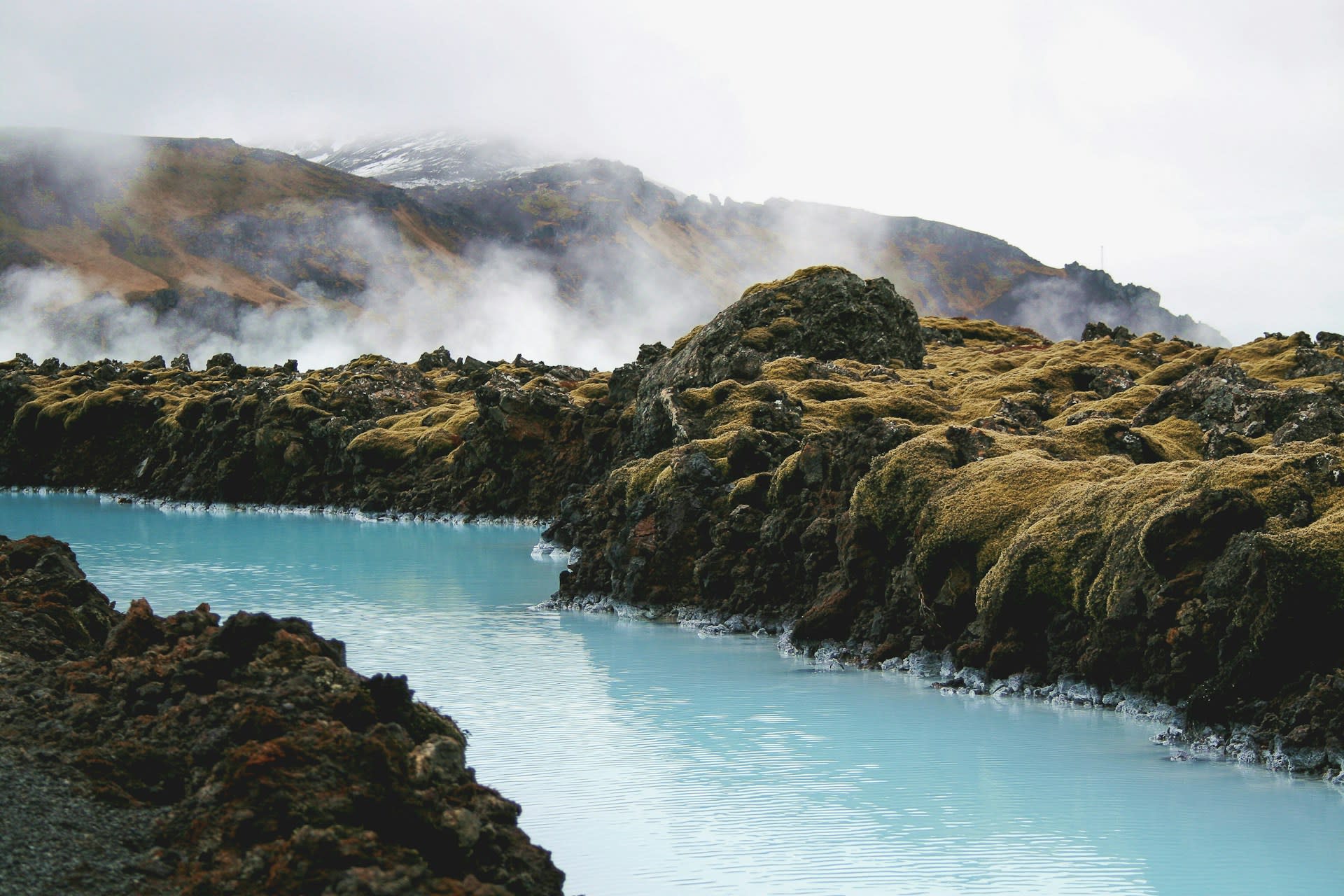
- Surrounding Lava Fields: The Illahraun and Ögmundarhraun lava fields immediately surrounding the lagoon are extraordinary geological specimens — sharp, fractured basalt colonised in places by bright green moss that creates a stark visual contrast with the black rock and white-blue water. Self-guided lava field walks depart from the lagoon entrance.
📜 History and Cultural Significance
The eruption crises of 2021–2024 on the Reykjanes Peninsula — including the November 2023 Fagradalsfjall eruption that generated lava flows threatening Grindavík town, just 5 km from the lagoon — forced unprecedented emergency evacuations of the Blue Lagoon complex on multiple occasions. The events cast the relationship between tourism, geothermal industry, and volcanic geology into sharp relief, and the resilience of the Blue Lagoon operation — reopening within weeks of each evacuation — demonstrated both the adaptability of the management and the extraordinary public appetite for the destination.
🏃 Activities and Attractions
- Geothermal Bathing: The core experience — floating in 38°C mineral water while applying silica mud masks and watching steam drift across lava fields. The main lagoon is divided into zones of varying depth, and the indoor-outdoor flow of the architecture means bathing continues regardless of weather. The experience is distinctively different in winter (steam condensing in the cold air, possible aurora overhead) and summer (midnight sun, long golden light).
- Retreat Spa: The premium retreat level offers private geothermal pools, in-water treatments, access to a dedicated lava cave bathing area, and a full menu of algae, silica, and mineral body treatments. Prices are substantially higher than the standard admission but provide an intimate experience far removed from the main crowds.
- Lava Restaurant and LAVA Bar: Dining suspended over the lagoon's edge, with floor-to-ceiling windows overlooking the geothermal water. The kitchen focuses on Icelandic ingredients — langoustine, lamb, skyr, Arctic char — in contemporary Nordic preparations. The LAVA Bar serves drinks directly in the water, with a floating in-water counter where bathers collect cocktails without leaving the lagoon.
- Reykjanes Lava Field Walk: Guided geology walks into the surrounding Ögmundarhraun lava field provide context for the volcanic forces that created the landscape. Guides explain the difference between aa and pahoehoe lava textures, identify lava tube formations, and point out the visible effects of the 2021–2024 eruptions on the terrain.
- Northern Lights Bathing: From October to March, the Blue Lagoon extends evening opening hours to allow bathing under the aurora borealis. The combination of steam rising from the water, dark lava surroundings, and green or purple aurora overhead is among the most extraordinary sensory experiences available in Iceland.
💡 Travel Tips
Booking: Advance online booking is mandatory — the Blue Lagoon operates a timed entry system and walk-up admission is not available. Book at least 2–4 weeks in advance in peak season (June–August). Prices range from approximately ISK 10,990 (standard) to ISK 29,990+ (retreat) as of 2024, not including dining.
Best Season: December–February for the combination of possible aurora borealis and dramatic steam effects in cold air. June–July for midnight sun and warmest air temperatures. The lagoon is equally extraordinary in all seasons — water temperature never changes.
What to Pack: Swimwear (rental available on site), flip-flops (lava paths are sharp), and a hair brush or conditioner — the silica-rich water can tangle long hair significantly. The entry fee includes a towel. Silica mud masks are included in the standard experience. Remove all jewellery before entering as the minerals will tarnish metals.
Health Notes: Those with open wounds, active infections, or some skin conditions should consult a dermatologist before bathing. Pregnant women are advised to avoid the hottest pool sections. Shower thoroughly before and after bathing as required by Icelandic hygiene regulations.
🌱 Conservation
The volcanic eruptions of 2023–2024 on Reykjanes Peninsula posed an existential threat not only to the Blue Lagoon facilities but to the entire geothermal infrastructure of the peninsula. The lava flow from the November 2023 eruption destroyed parts of Grindavík and came within 3 km of the power plant. Emergency defensive earthworks — berms of compacted lava and soil — were constructed around the Svartsengi plant to deflect future flows, representing one of the most ambitious volcanic hazard mitigation projects in Icelandic history. The Blue Lagoon company committed to carbon-neutral operations by 2025, leveraging the renewable geothermal energy supply to eliminate fossil fuel use in heating, transport, and operational infrastructure.